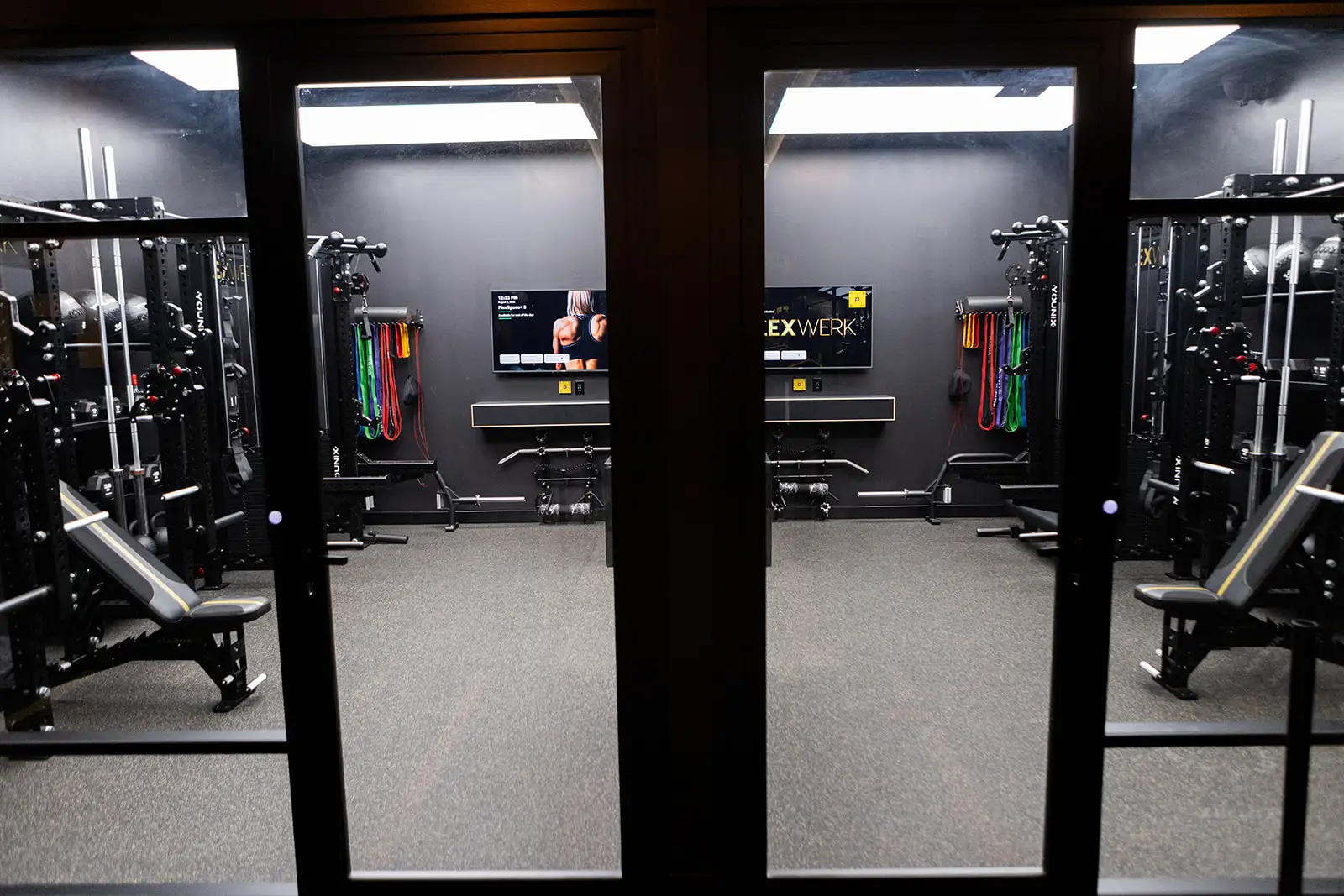
Ankle arthritis physical therapy in Carmel, Indiana
Ankle arthritis is wear of the cartilage in the main ankle joint, and it often follows an old fracture or repeated sprains rather than age alone. Physical therapy helps you walk farther with less pain by building calf and leg strength, restoring whatever ankle motion is available, sharpening balance and pairing you with footwear or bracing that spares the joint. In Carmel, a licensed physical therapist can begin without a referral and will coordinate with your surgeon if fusion or replacement is on the table.
At a glance
Common signs of ankle arthritis
Also called: Ankle osteoarthritis, Post-traumatic ankle arthritis, Tibiotalar arthritis.
Why would an ankle become arthritic years after a fracture or sprain?
An ankle can become arthritic years after an injury because a fracture through the joint surface or repeated sprains change how forces spread across the cartilage. Even after the bone heals well, small steps in the joint surface or a looser ligament can concentrate load on one area, and that cartilage wears faster over the following decade or two.
This differs from hip and knee arthritis, which more often develop gradually with age. AAOS OrthoInfo notes that an injured joint is about seven times more likely than an uninjured one to become arthritic, and that fractures and dislocations that damage the joint surface are the injuries most likely to lead to it. Inflammatory conditions like rheumatoid arthritis account for some other cases.
If you have had an ankle that kept rolling for years, the chronic ankle instability page explains why building stability early matters. If you broke the ankle and had plates or screws, the rehab you did then is covered on the ankle fracture surgery rehab page.
What does an ankle arthritis assessment include beyond the X-ray?
Beyond the X-ray, an ankle arthritis assessment measures how the joint actually performs. A physical therapist checks how far the ankle bends with a knee-to-wall test, counts how many single-leg heel raises you can do on each side, times how long you can balance, and watches you walk, climb a step and turn.
These numbers give a baseline you can track, which an X-ray cannot. Two people with similar images can have very different pain and function, and strength and balance often explain more of the difference than the picture does.
The examination also looks at the knee and hip, because a stiff ankle shifts work up the leg, and at your footwear and any brace you already use. The therapist will ask about past injuries, surgeries and any physician’s guidance on weight bearing so the plan matches it.
Expect a clear explanation at the end of that first visit: which findings seem to drive your pain, which ones are likely to improve with work, and roughly how the next few weeks will look. If anything in the exam suggests a problem that needs a physician first, such as an unhealed fracture or an infection, you will hear that too.
- Knee-to-wall ankle bend test on both sides
- Single-leg heel raise count
- Single-leg balance with eyes open and closed
- Walking, stairs and turning observed
- Swelling, tenderness and joint play
Which exercises and supports help an arthritic ankle?
The exercises that help an arthritic ankle build calf and leg strength, keep the joint moving through its comfortable range and train balance, because a strong, well-controlled leg absorbs force that would otherwise land on the joint. Calf raises, step-ups, leg presses and hip strengthening are common foundations.
Exercise is dosed by how the ankle responds over the next 24 hours. A mild ache during a session that has settled by the next morning is generally acceptable; swelling that lingers or a limp the following day means the load was too much and the therapist scales it back. That rule lets you keep progressing without guessing.
Mobility work and gentle joint mobilization can free up some stiffness, and balance training on firm, then softer surfaces reduces the near-falls that come with a stiff ankle. The single-leg balance page describes one simple starting drill. Cycling and swimming give aerobic fitness with less pounding than long walks on hard ground.
Supports often make a real difference. A shoe with a rocker sole lets the foot roll forward without the ankle needing to bend as much. A lace-up ankle brace, or a custom brace made by an orthotist on a physician’s prescription, can steady a painful joint for longer walks.
- Calf raises, step-ups and leg presses with gradual load
- Comfortable ankle mobility and joint mobilization
- Balance drills progressing from firm to softer surfaces
- Rocker-sole shoes and, where needed, a brace
- Low-impact cardio such as cycling or swimming
How much can therapy change ankle arthritis pain, and when is fusion or replacement considered?
Therapy can often reduce day-to-day pain and increase walking distance over 8 to 12 weeks of consistent work, though it does not rebuild cartilage. Many people reach a stable point where the ankle aches on long days but lets them do what matters, and they keep that up with a short routine.
When pain stays severe despite strengthening, bracing, footwear and medical options such as injections, a foot and ankle surgeon may discuss ankle fusion, which joins the bones to stop painful motion, or total ankle replacement, which keeps some motion. Each has trade-offs that the surgeon explains.
Physical therapy matters on both sides of surgery. Before it, stronger legs and steadier balance make the first weeks on crutches easier. After it, rehab follows the surgeon’s protocol, outlined on the ankle fusion rehab page.
Weight matters too, because the ankle carries your full body weight with every step, and AAOS OrthoInfo lists losing weight among the ways to reduce stress on an arthritic foot or ankle joint. If losing some weight is part of your own goals, a therapist can build an activity plan that the ankle tolerates, and your physician can advise on the rest.
How do I keep walking on an arthritic ankle through an Indiana winter?
Keep walking through winter by choosing even, cleared surfaces, wearing shoes with good tread and a supportive heel, and moving some of your activity indoors on the coldest or iciest days. A stiff ankle cannot adjust quickly to a slick patch, so icy sidewalks are where falls happen.
Cold mornings also tend to make an arthritic ankle feel stiffer for the first few minutes. A short warm-up before you leave the house, such as ankle circles, heel raises holding the kitchen counter and a few minutes of marching in place, often makes the first steps outside easier and steadier.
Paved, cleared routes such as the Monon Trail are easier on an arthritic ankle than uneven park paths, and an indoor track, treadmill or bike keeps fitness going during ice storms. The winter fall prevention on ice guide has practical tips for the season.
If the ankle has been limiting your walking for months, answer a few questions in the foot and ankle physical therapy assessment. The matching team will get back to you about a therapist in the network whose focus fits an arthritic ankle.
When to see a physician or go to the ER first
Physical therapy is the right start for most ankle arthritis. These symptoms are different and need medical attention before, or instead of, a physical therapy visit:
- A hot, red, swollen ankle with fever
- A new injury with deformity or inability to put weight through the foot
- Calf swelling, warmth and tenderness, which can signal a blood clot
- A wound that will not heal on the foot or ankle
- Sudden worsening after hardware surgery, or redness around an old incision
If you think it is an emergency, call 911.
Two-minute assessment
Get your ankle arthritis looked at
Tell us how your ankle arthritis started, how long it has been going on and what it is stopping you from doing. The matching team proposes a therapist in the network who focuses on it, and you hear back, usually within one business day.
- No referral needed to start in Indiana (first 42 days)
- We check which therapists work with your plan before you book
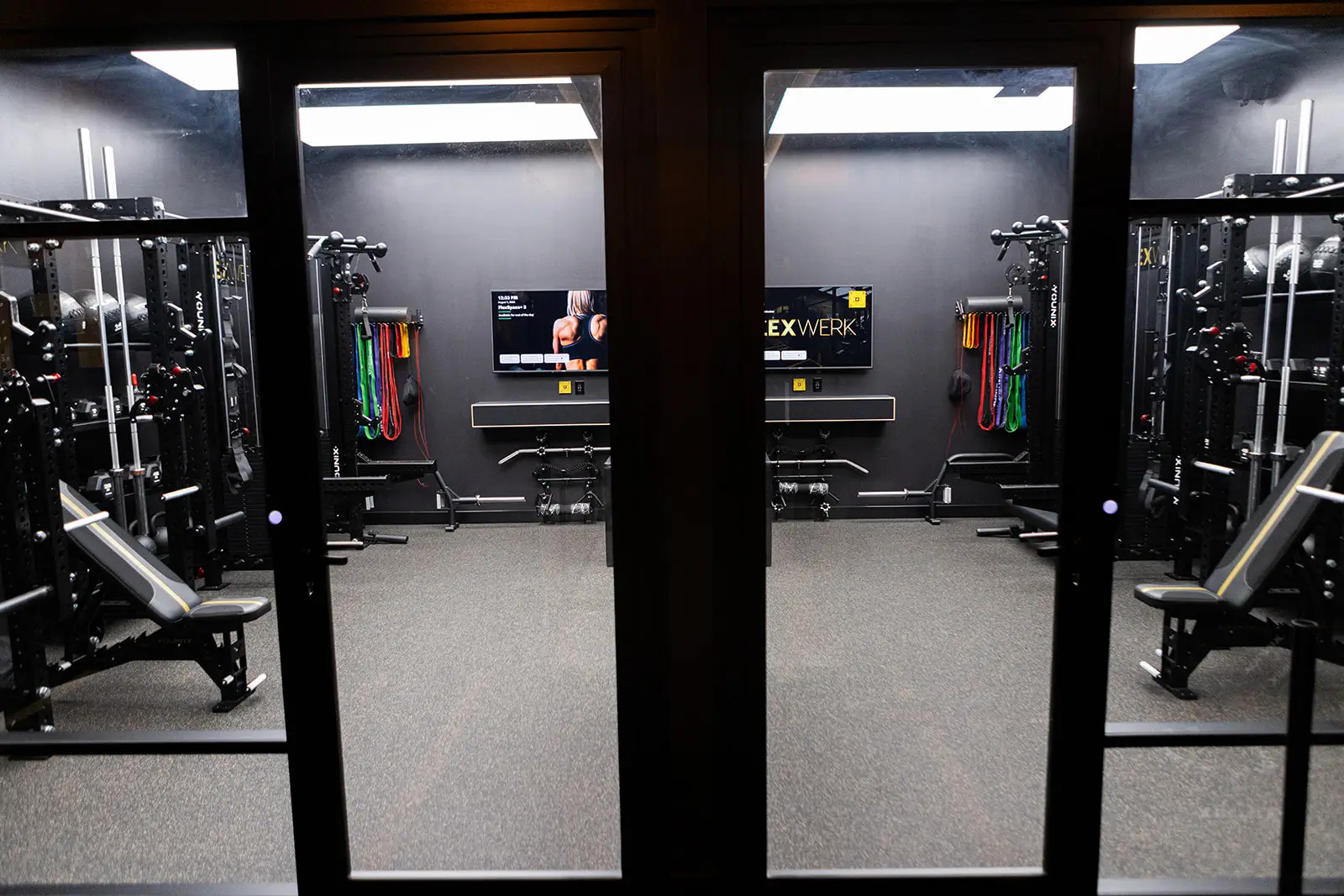
- One-on-one care in a private suite at Carmel City Center
How therapists treat it
Kinds of care used for ankle arthritis
- Orthopedic physical therapyExercise-led care for back, neck, shoulder, hip, knee and ankle problems, delivered one-on-one in a private suite.
- Balance and fall preventionStrength, walking and balance training for older adults who feel unsteady, have fallen, or want to stay confident on their feet.
- Post-surgical rehabilitationProtocol-led rehab after joint replacement, ligament, tendon and spine surgery, in a quiet private room instead of a crowded gym.
Questions
Ankle arthritis: what people ask
Information on this website is general education, not medical advice, a diagnosis or a treatment plan. Only a licensed clinician who examines you can advise on your condition. If you may be having a medical emergency, call 911.
Something we did not cover? Ask the matching team or ring (888) 353-9975.
Is walking bad for ankle arthritis?
Walking is usually helpful when it stays within a comfortable amount and on even ground. If the ankle swells or aches more the next day, shorten the walk rather than stopping altogether.
Should I wear an ankle brace all the time?
Most people use a brace for longer walks or uneven ground rather than all day. Strength and balance work still matter, so the brace supports the plan instead of replacing it.
Can I play golf or pickleball with ankle arthritis?
Often yes, with the right shoes and some changes in volume. Golf is usually easier than court sports, which involve quick pivots on a stiff joint.
Do injections help an arthritic ankle?
A physician may offer injections to calm pain, and some people get temporary relief. They work alongside strength and footwear changes. The general arthritis physical therapy page covers how those options fit together.
How is ankle arthritis different from an old sprain that never healed?
A sprain that never settled usually feels loose and gives way, while arthritis feels stiff and achy with a bony block. They can coexist, and an examination sorts out which is driving your symptoms.
Google reviews
What guests say about FlexWerk
These are live Google reviews of FlexWerk at Carmel City Center, the private-suite facility where therapists in the network practise.
Related
Conditions that travel together
 Chronic ankle instabilityFor ankles that keep rolling after an old sprain: balance and reaction training, peroneal strength and sport-ready hop testing.
 OsteoarthritisStrength, pacing and joint-friendly exercise for knee and hip osteoarthritis, including preparation for joint replacement.
 Ankle impingementCare for pinching pain at the front or back of the ankle: dorsiflexion testing, mobilization, strength work and technique changes.
Page reviewed By the Monon Therapy Collective editorial team

Carmel City Center · Carmel, Indiana
Start with a conversation
Tell us what hurts and what you want to get back to. We will tell you honestly whether a therapist in the network is likely a good fit for what you describe, and match you with an independent, licensed therapist who is. Only that therapist can assess what will help.
885 Monon Green Blvd, Suite 120, Carmel, IN 46032 · Monday to Friday 5 AM to 9 PM · Saturday and Sunday 7 AM to 4 PM