Ankle impingement physical therapy in Carmel, Indiana
Ankle impingement is a pinching pain at the front or back of the ankle when tissue or bone gets caught at the end of the ankle’s range, and physical therapy is usually the first treatment. In Carmel, the Indiana-licensed physical therapist you are matched with measures how far your ankle bends, works out whether the pinch is at the front or back, and uses joint mobilization, strength work and technique changes to give the joint more room. Bone spurs or a large extra bone sometimes need a surgeon’s opinion.
At a glance
Common signs of ankle impingement
Also called: Anterior ankle impingement, Posterior ankle impingement, Footballer’s ankle, Os trigonum syndrome, Athlete’s ankle.
What gets pinched in front or back ankle impingement?
In anterior impingement, soft tissue or small bone spurs at the front of the ankle get squeezed between the shinbone and the talus when the ankle bends upward, such as in a deep squat, a lunge or running uphill. Scar tissue from previous sprains and spurs that form with repeated stress are common causes.
Posterior impingement happens at the back of the ankle when the foot points down hard, as in ballet relevé, kicking a ball, or landing from a jump. An extra small bone behind the ankle, called an os trigonum, is present in some people and can be pinched, as can the flexor hallucis longus tendon that runs nearby.
Soccer players, dancers, gymnasts, runners on hilly routes and lifters who squat deep are among those who develop impingement. The location matters because treatment, and sometimes the decision about surgery, differs between front and back.
Impingement is often the long tail of old sprains. An ankle that was rolled several times in high school and never fully rehabbed may lose some of its upward bend and develop thickened tissue at the front of the joint. Years later, a new squat program or a hilly half marathon plan is what finally makes it complain.
How does the knee-to-wall test help diagnose ankle impingement?
The knee-to-wall test measures how far your knee can travel past your toes with the heel on the floor, which shows how much the ankle bends upward. If that movement is limited and reproduces a pinch at the front of the ankle, anterior impingement is likely. A physical therapist compares both sides, often with a tape measure.
For posterior impingement, the therapist moves your foot into a forced point and checks for pain at the back of the ankle, and may test the big toe to see whether the nearby tendon is involved. Other parts of the examination include ligament tests, joint glides, strength, balance and watching you squat, lunge, hop or perform sport-specific moves.
X-rays can show bone spurs or an os trigonum, and MRI may be used to look at soft tissue, cartilage and tendons. A physician orders imaging when symptoms persist or a surgical opinion is needed.
Many people with bone spurs on an X-ray have no pain at all, so the image is read alongside the examination rather than on its own. What matters is whether the spur lines up with where it hurts and which movement reproduces it, which is why the hands-on tests carry so much weight in the decision.
How is more room created in a pinched ankle joint?
Treatment aims to improve how the ankle bones glide and how forces are shared, so the pinch happens less. For anterior impingement, the therapist may use joint mobilization, often with movement, to help the talus glide backward as the ankle bends, along with calf flexibility work.
Strength work for the calf, foot and hip helps control the ankle under load, and technique changes can matter as much as exercise. Lifters may adjust squat depth or use a slight heel lift for a while, runners may shorten stride on hills, and dancers may work with their teacher on how they rise and land.
For posterior impingement, treatment focuses on calming the back of the ankle, reducing forced pointing for a time, strengthening the calf and the big toe flexor, and gradually reintroducing the provoking movement. Hands-on care is described on the manual therapy page.
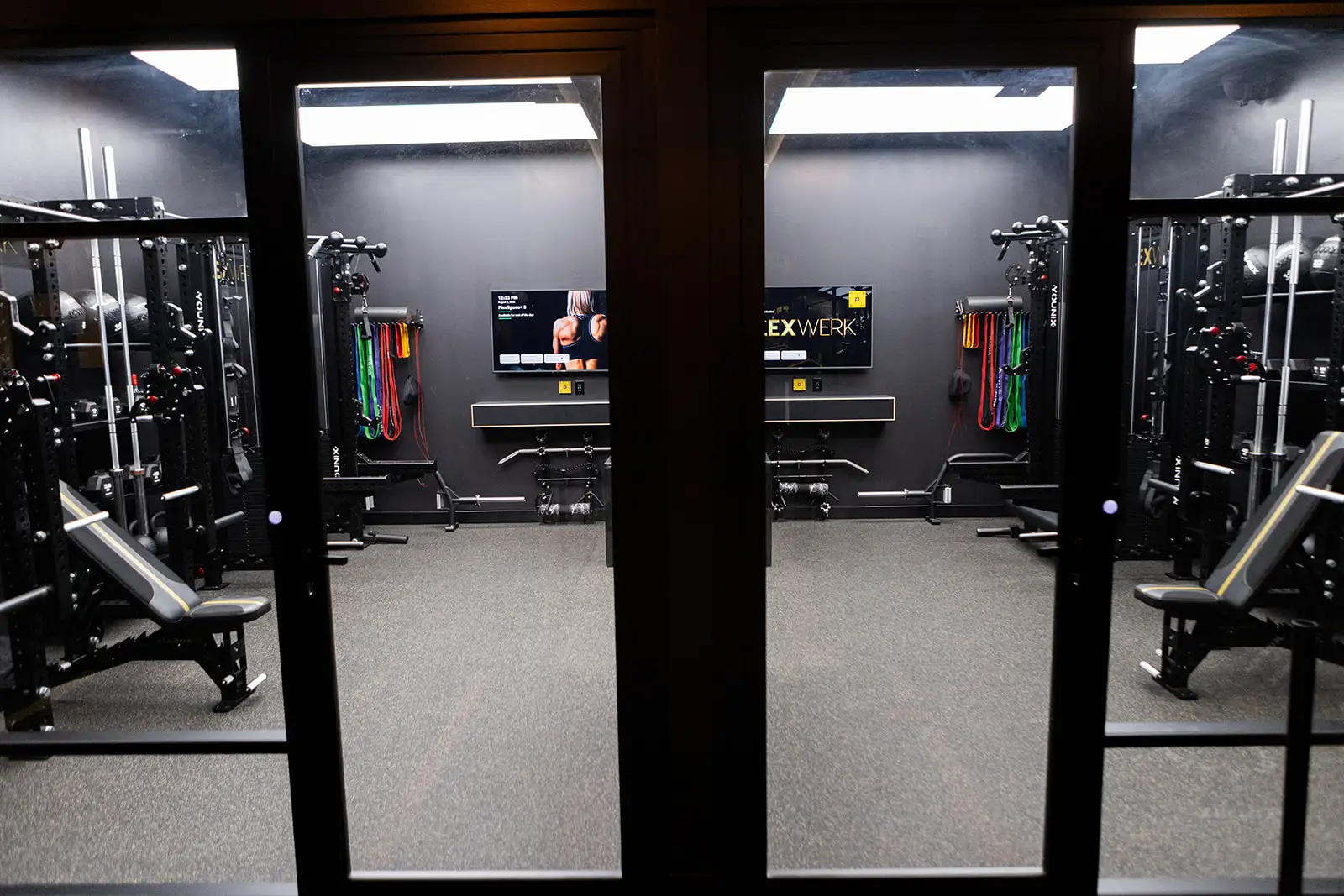
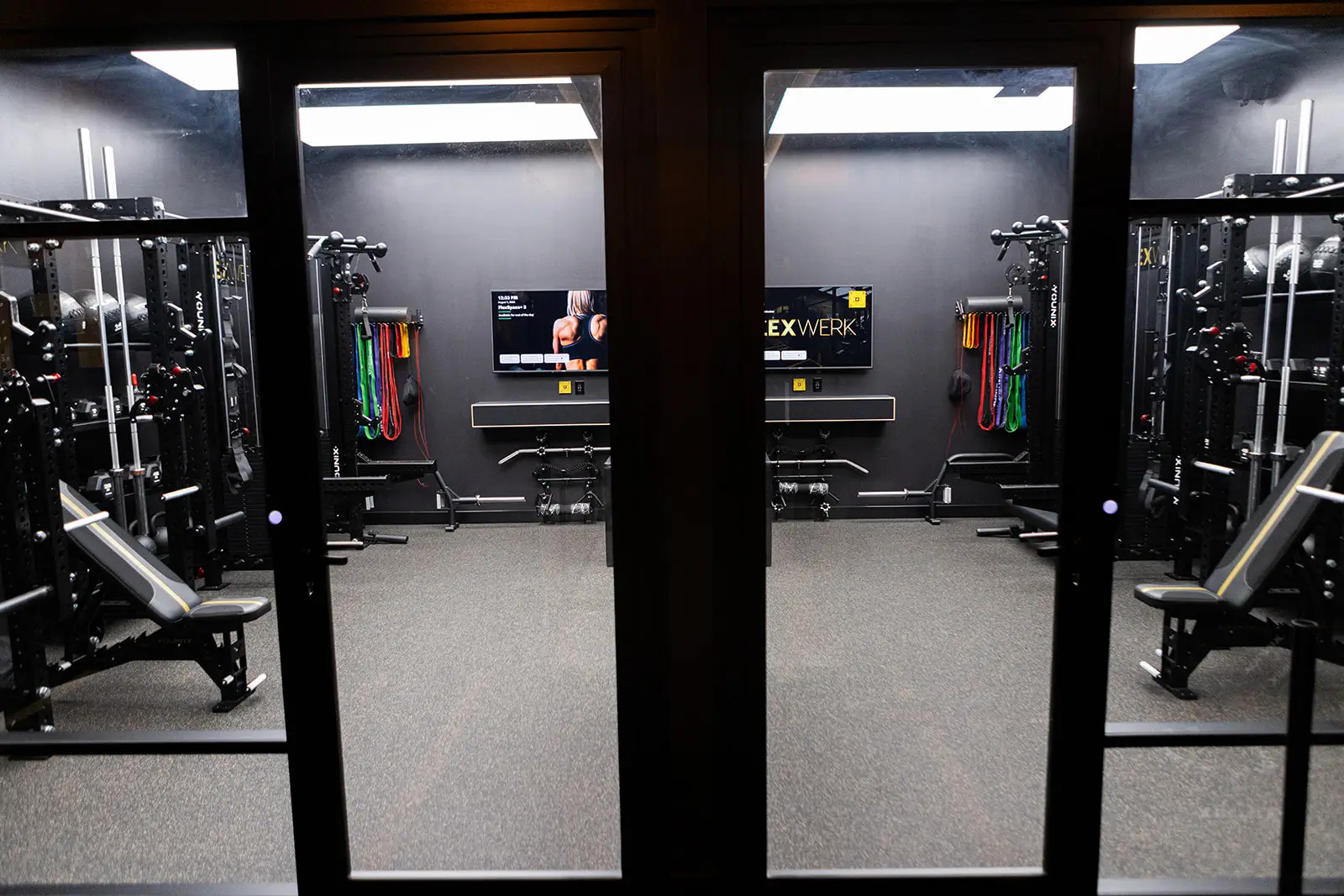
Sessions in a private suite with a rack and adjustable bench make it easy to rehearse the exact squat, lunge or step-up that pinches, adjust depth or heel height on the spot, and load the leg heavily in positions that do not provoke the ankle.
- Joint mobilization and mobilization with movement
- Calf flexibility and ankle mobility drills
- Calf, foot and hip strengthening
- Squat, lunge and landing technique changes
- Temporary changes to sport or training load
- Graded return to the movements that pinch
How long does ankle impingement take to improve without surgery?
Many people with soft tissue impingement improve over a few months of focused rehab. Impingement caused by large bone spurs or a prominent os trigonum may improve more slowly or plateau, and some athletes then discuss arthroscopic surgery with an orthopedic foot and ankle surgeon.
Progress depends on how long symptoms have been present, the amount of ankle stiffness, any history of instability, and how much your sport demands the end of the ankle’s range. Dancers and soccer players, for example, often need more time before full pointing or kicking is comfortable.
If surgery is chosen, rehab afterward restores motion, strength and sport skills over weeks to a few months, guided by the surgeon’s protocol. Prehab before an operation keeps the leg strong.
Milestones are more useful than dates. Typical ones include a knee-to-wall distance close to the other side, a full squat or lunge without a pinch, single-leg calf raises that match, and the sport movement itself, such as kicking, relevé or an uphill run, done at full effort without pain the next day.
What can I adjust in training while a pinched ankle settles?
Adjust the movements that pinch rather than stopping everything. Lifters can squat to a box at a comfortable depth or use a small heel lift, runners can avoid steep hills, and dancers can limit full pointe or relevé work for a period.
Gentle ankle mobility within a pain-free range, calf stretching and balance work are low risk. Ice may ease swelling after activity. If the ankle is unstable or swells significantly, or you feel locking or catching inside the joint, see a physician because that can suggest cartilage damage or loose fragments.
If the pinching has lasted a few weeks or keeps limiting training, fill in the online assessment and mention your sport. The matching team proposes a therapist in the network whose experience fits, for example with dancers, as covered on the page about physical therapy for dancers.
When to see a physician or go to the ER first
Physical therapy is the right start for most ankle impingement. These symptoms are different and need medical attention before, or instead of, a physical therapy visit:
- Locking or catching inside the ankle joint
- Marked swelling after a new injury or inability to bear weight
- Hot, red, swollen ankle with fever
- Numbness or tingling in the foot
- An ankle that repeatedly gives way
If you think it is an emergency, call 911.
Two-minute assessment
Get your ankle impingement looked at
Tell us how your ankle impingement started, how long it has been going on and what it is stopping you from doing. The matching team proposes a therapist in the network who focuses on it, and you hear back, usually within one business day.
- No referral needed to start in Indiana (first 42 days)
- We check which therapists work with your plan before you book
- One-on-one care in a private suite at Carmel City Center
How therapists treat it
Kinds of care used for ankle impingement
- Manual therapyHands-on joint and soft-tissue treatment that eases stiffness so the exercise part of your plan can do its job.
- Sports physical therapyRehab for active adults that goes past pain relief to the strength, power and movement your sport actually demands.
- Orthopedic physical therapyExercise-led care for back, neck, shoulder, hip, knee and ankle problems, delivered one-on-one in a private suite.
Questions
Ankle impingement: what people ask
Information on this website is general education, not medical advice, a diagnosis or a treatment plan. Only a licensed clinician who examines you can advise on your condition. If you may be having a medical emergency, call 911.
Something we did not cover? Ask the matching team or ring (888) 353-9975.
What is footballer’s ankle?
It is a common name for anterior ankle impingement in soccer players, where repeated kicking and ankle stress lead to spurs and pinching at the front of the joint.
Is an os trigonum something I was born with?
Yes. Some people have this small extra bone behind the ankle from development. Many never have symptoms; it only matters if it is pinched repeatedly.
Can stretching fix anterior ankle impingement?
Stretching alone often is not enough, because the issue is how the joint glides and what is pinched. Mobilization, strength and technique changes usually work together.
Do heel lifts help?
A small heel lift can reduce how far the ankle bends during squats or walking, easing anterior pinching temporarily while other work restores motion.
Will I need surgery for bone spurs?
Not always. Many people with spurs manage well with rehab and technique changes. Surgery is considered when pain persists despite good conservative care.
Can I keep lifting with ankle impingement?
Usually yes, with adjustments such as box squats, a slight heel lift or a temporary change in exercise selection. The lifting after back pain guide shows the same idea of modifying rather than stopping.
Google reviews
What guests say about FlexWerk
These are live Google reviews of FlexWerk at Carmel City Center, the private-suite facility where therapists in the network practise.
Related
Conditions that travel together
 Chronic ankle instabilityFor ankles that keep rolling after an old sprain: balance and reaction training, peroneal strength and sport-ready hop testing.
 Ankle arthritisHelp for a stiff, aching ankle, often years after a break or sprains, through strength, balance and smarter footwear.
- Achilles tendinitisMid-portion and insertional Achilles pain in runners and walkers, treated with progressive calf and tendon loading.
Page reviewed By the Monon Therapy Collective editorial team

Carmel City Center · Carmel, Indiana
Start with a conversation
Tell us what hurts and what you want to get back to. We will tell you honestly whether a therapist in the network is likely a good fit for what you describe, and match you with an independent, licensed therapist who is. Only that therapist can assess what will help.
885 Monon Green Blvd, Suite 120, Carmel, IN 46032 · Monday to Friday 5 AM to 9 PM · Saturday and Sunday 7 AM to 4 PM