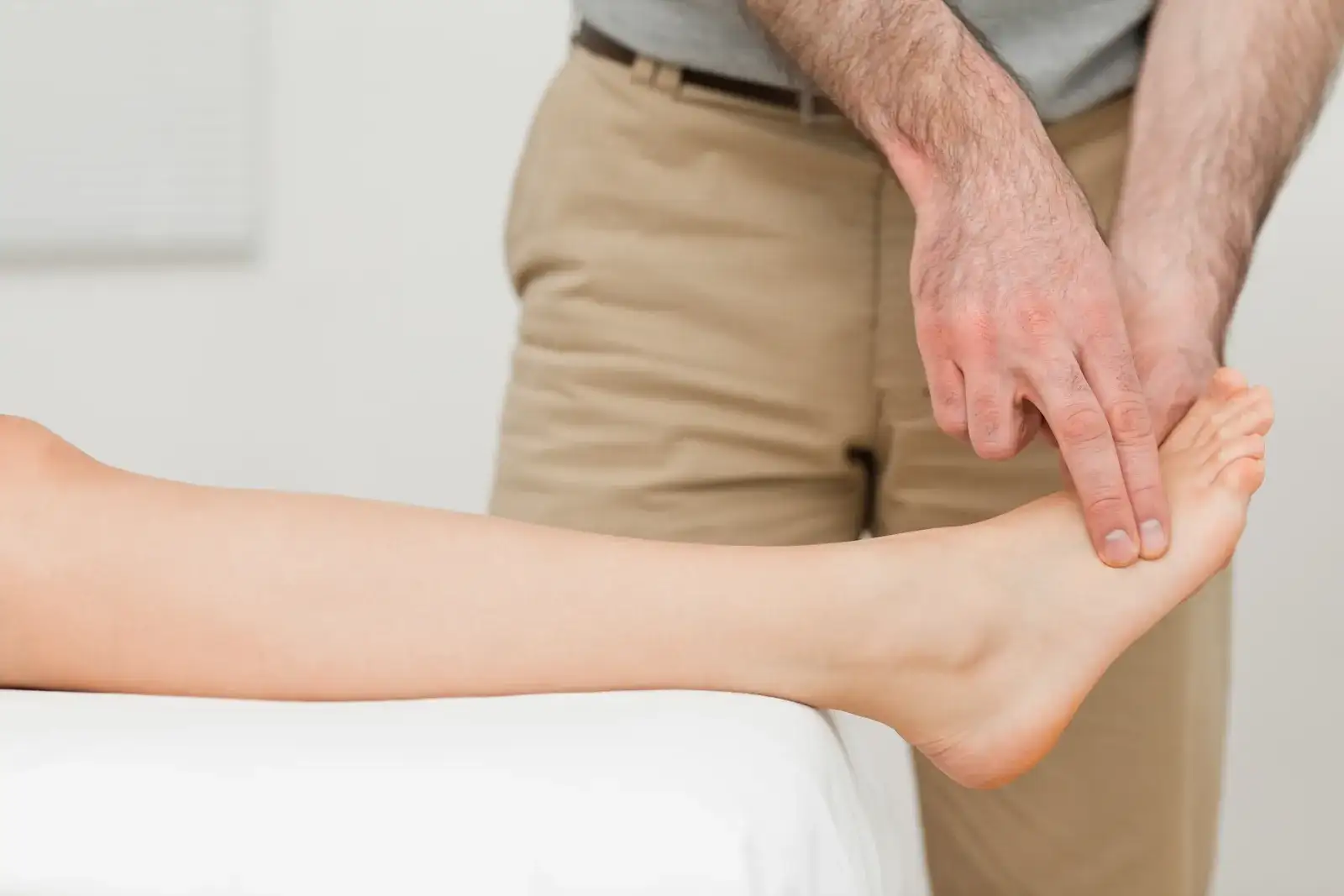
Tarsal tunnel syndrome physical therapy in Carmel, Indiana
Tarsal tunnel syndrome is irritation of the tibial nerve where it passes through a narrow channel on the inner side of the ankle, causing burning, tingling or numbness in the sole. Physical therapy aims to take pressure off that nerve through arch support, nerve-gliding exercises, foot and ankle strengthening and changes to how long you stand or walk at once. In Carmel, a licensed physical therapist can assess you without a referral and will send you to a physician if the signs point to a cyst, a spinal nerve or a wider neuropathy.
At a glance
Common signs of tarsal tunnel syndrome
Also called: Posterior tibial nerve entrapment, Tibial nerve compression at the ankle, Posterior tarsal tunnel syndrome.
What is squeezing the nerve on the inside of my ankle?
The nerve is being crowded inside the tarsal tunnel, a narrow space behind and below the inner ankle bone that is roofed by a thick band of tissue called the flexor retinaculum. The tibial nerve shares that tunnel with tendons, an artery and veins, so anything that takes up extra room or stretches the area can irritate it.
Common contributors include a flat or rolling-in foot that tensions the inner ankle with every step, swelling after an ankle sprain or fracture, varicose veins, arthritis and conditions such as diabetes that make nerves more sensitive to pressure. Less often a ganglion cyst, a bone spur or another growth sits in the tunnel, which is why persistent cases need imaging from a physician.
Tarsal tunnel syndrome is the ankle’s version of carpal tunnel syndrome at the wrist. It is far less common, and symptoms in the sole have several other possible sources, so the first job is making sure the label actually fits.
How do clinicians tell tarsal tunnel apart from plantar fasciitis, sciatica or neuropathy?
Clinicians tell these apart by where the symptoms sit, what they feel like and what provokes them. Tarsal tunnel tends to burn or tingle along the sole on one side and gets worse with tapping or sustained pressure over the inner ankle. Plantar fasciitis is a sharp heel ache with the first steps of the morning, without numbness.
A nerve root irritated in the lower back, usually at the S1 level, can send tingling to the sole too, but it usually brings back or buttock pain and changes with spinal movement; the sciatica physical therapy page explains that pattern. Peripheral neuropathy typically affects both feet in a stocking pattern rather than one inner ankle.
A physical therapist checks sensation, reflexes and strength, taps along the nerve, and holds the ankle turned out and bent up to see whether that tension reproduces your symptoms. If findings suggest a nerve problem that needs confirming, a physician may order nerve conduction studies, an ultrasound or an MRI.
- Tarsal tunnel: burning or tingling in one sole, tender inner ankle, worse after standing
- Plantar fasciitis: sharp heel pain on first steps, no numbness
- Lower back nerve root: back or buttock pain plus tingling, changes with spinal movement
- Peripheral neuropathy: both feet, gradual, stocking pattern
What does physical therapy for an irritated tibial nerve look like?
Physical therapy for an irritated tibial nerve combines reducing mechanical pressure on the tunnel with helping the nerve move and settle. If the foot rolls inward heavily, arch support from a shoe or an over-the-counter insert can ease tension on the inner ankle straight away while strength catches up.
Strengthening the tibialis posterior, the muscle that holds up the arch, along with the calf and the small muscles of the foot, builds longer-term support. A drill like the short foot exercise is a common starting point, progressing to heel raises and single-leg work. Nerve-gliding exercises gently slide the nerve through its tunnel without stretching it hard, and they are dosed carefully because an irritated nerve flares easily.
Swelling control, ankle mobility after an old sprain, and planning the day so you are not standing in one spot for hours also help. If the arch has been collapsing for a while, the therapist may also check for posterior tibial tendonitis, which often travels with it.
Manual techniques that ease the soft tissue around the inner ankle and calf may be used for comfort, and taping the arch for a few days can show whether support helps before you invest in inserts. Hard massage directly over the tunnel is usually avoided, since pressing on an irritated nerve tends to stir it up rather than settle it.
How quickly does tarsal tunnel syndrome improve with conservative care?
Mild cases often start to ease within several weeks once pressure on the nerve is reduced, while longer-standing numbness can take a few months to fade. Nerves recover slowly, and the burning or tingling usually lessens in intensity and frequency before it disappears.
If symptoms are not improving after a fair trial of conservative care, or if strength in the foot muscles is dropping, a physician may consider an injection, further imaging or a referral to a foot and ankle surgeon to discuss releasing the tunnel. A mass in the tunnel is usually a surgical question from the start.
Your therapist should track something measurable, such as how long you can stand before tingling starts or how far you can walk, so you can both see whether things are moving. Nobody can promise a date, but a lack of change over several weeks is a reason to revisit the plan rather than to keep repeating it.
People with diabetes or other conditions that affect nerves often recover more slowly, and their therapist will usually pay closer attention to skin checks, footwear fit and balance while the nerve is sensitive. Keeping blood sugar in the range your physician recommends supports nerve health as well.
Can I keep working on my feet while the nerve settles?
Most people can keep working on their feet while the nerve settles, provided they break up long standing spells, wear supportive shoes and avoid tight straps or high-top boots pressing on the inner ankle. Shifting position every half hour or so, perching on a stool and walking briefly instead of standing still all reduce sustained pressure.
Nurses, retail staff, teachers and warehouse teams in the Carmel area often stand on hard floors for full shifts, and that is when tarsal tunnel symptoms tend to peak. The pages on physical therapy for nurses and other standing jobs cover how a therapist fits rehab around shift work. Suites open at 5 AM on weekdays, which helps some people fit visits in before a shift.
If burning or tingling in the sole has lasted more than a couple of weeks, complete the short foot and ankle questionnaire. The matching team reads it and gets back to you about a therapist whose focus and schedule fit.
When to see a physician or go to the ER first
Physical therapy is the right start for most tarsal tunnel syndrome. These symptoms are different and need medical attention before, or instead of, a physical therapy visit:
- Numbness in both feet that is spreading upward over weeks
- New weakness, foot drop or tripping over the toes
- Loss of bladder or bowel control, or numbness in the groin area
- A visible lump or swelling on the inner ankle that is growing
- A wound, blister or color change on a numb foot, especially with diabetes
If you think it is an emergency, call 911.
Two-minute assessment
Get your tarsal tunnel syndrome looked at
Tell us how your tarsal tunnel syndrome started, how long it has been going on and what it is stopping you from doing. The matching team proposes a therapist in the network who focuses on it, and you hear back, usually within one business day.
- No referral needed to start in Indiana (first 42 days)
- We check which therapists work with your plan before you book
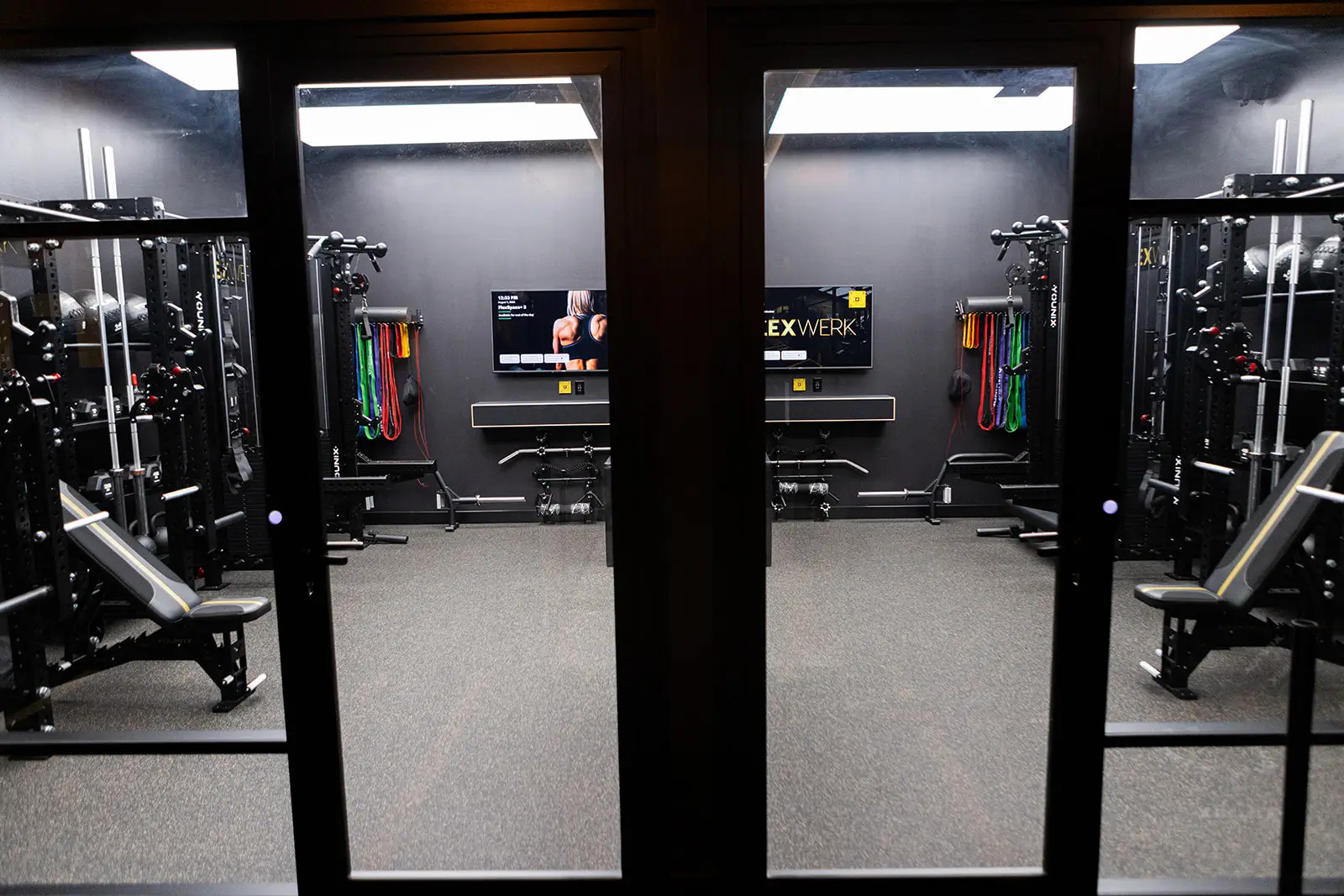
- One-on-one care in a private suite at Carmel City Center
How therapists treat it
Kinds of care used for tarsal tunnel syndrome
Questions
Tarsal tunnel syndrome: what people ask
Information on this website is general education, not medical advice, a diagnosis or a treatment plan. Only a licensed clinician who examines you can advise on your condition. If you may be having a medical emergency, call 911.
Something we did not cover? Ask the matching team or ring (888) 353-9975.
Should I stretch my foot if I have tarsal tunnel syndrome?
Hard, sustained stretches that pull the inner ankle can aggravate an irritated nerve. Gentle nerve glides and calf work dosed by a therapist are usually better tolerated.
Do I need a nerve test before physical therapy?
Not usually. A therapist can start with a clinical examination and will recommend a physician visit for nerve conduction testing or imaging if the signs are unclear or not improving.
Can flat feet cause tarsal tunnel syndrome?
A foot that rolls inward heavily can increase tension around the tunnel, and it is one recognized contributor. Many people with flat feet never develop it, so the whole picture matters.
Which shoes help with tarsal tunnel symptoms?
A supportive, well-cushioned shoe with a firm heel counter and room for an arch insert usually helps. The arch pain in the foot page covers related footwear questions.
Is surgery common for tarsal tunnel syndrome?
Surgery is usually reserved for cases with a clear structural cause, such as a cyst, or symptoms that do not improve with conservative care. A foot and ankle surgeon makes that call.
Google reviews
What guests say about FlexWerk
These are live Google reviews of FlexWerk at Carmel City Center, the private-suite facility where therapists in the network practise.
Related
Conditions that travel together
 Posterior tibial tendonitisCare for inner-ankle tendon pain and a flattening arch: support where needed, progressive tendon loading and heel-raise testing.
 Plantar fasciitisHeel pain and first-step morning pain treated with calf and foot loading, footwear advice and load management.
 Peripheral neuropathyBalance, strength and foot-safety training for numb, tingling or weak feet from nerve damage.
Page reviewed By the Monon Therapy Collective editorial team

Carmel City Center · Carmel, Indiana
Start with a conversation
Tell us what hurts and what you want to get back to. We will tell you honestly whether a therapist in the network is likely a good fit for what you describe, and match you with an independent, licensed therapist who is. Only that therapist can assess what will help.
885 Monon Green Blvd, Suite 120, Carmel, IN 46032 · Monday to Friday 5 AM to 9 PM · Saturday and Sunday 7 AM to 4 PM