Posterior tibial tendonitis physical therapy in Carmel, Indiana
Posterior tibial tendonitis is painful overload of the tendon that runs behind the inner ankle bone and holds up the arch, and early physical therapy is the main non-surgical treatment. In Carmel, the Indiana-licensed physical therapist you are matched with tests whether the tendon can still lift you onto your toes, settles the irritation with support where needed, and rebuilds the tendon with progressive inversion and calf loading. Caught early, many people avoid the slow arch collapse that later stages bring.
At a glance
Common signs of posterior tibial tendonitis
Also called: Posterior tibial tendon dysfunction, PTTD, Tibialis posterior tendinopathy, Adult-acquired flatfoot, Progressive collapsing foot deformity.
What does the posterior tibial tendon do, and why does it wear out?
The posterior tibial tendon connects a deep calf muscle to the bones of the inner midfoot, mainly the navicular, and it is one of the main structures that hold up the arch and lock the foot rigid for push-off. When it is overloaded faster than it adapts, it becomes painful and weaker, a problem usually called tendinopathy rather than true inflammation.
It most often develops gradually in adults, commonly from middle age onward, and it is more frequent in women. Risk rises with a naturally flatter foot, higher body weight, diabetes, high blood pressure, previous steroid injections near the tendon, and a sudden jump in walking, standing or running. A new job on concrete floors or a summer of long walks on the Monon Trail can tip a borderline tendon over.
The reason clinicians take it seriously is what happens if it is ignored. As the tendon weakens, the arch can gradually flatten and the heel can drift outward. In late stages the foot stiffens in that position. Early care aims to stop that progression while the foot is still flexible.
How does a single-leg heel raise reveal tibialis posterior weakness?
The single-leg heel raise is the most telling test: a healthy tendon lets you rise high onto the ball of one foot with the heel swinging inward, while a struggling tendon makes the rise low, painful or impossible, and the heel may stay turned out. A physical therapist counts how many raises each side can do and watches the quality of each one.
The rest of the examination includes looking at both feet from behind for the “too many toes” sign, where more toes show on the outer side of the affected foot because the forefoot has drifted outward, checking whether the arch can still be restored by hand, pressing along the tendon, and testing resisted inversion strength. Ankle and calf flexibility are measured too, because a tight calf adds strain to the arch.
Those findings let the therapist describe roughly how far along the problem is. A flexible foot with pain and a weak but working tendon is the classic window for rehab. A rigid deformity, sudden loss of the arch after a pop, or suspected tendon rupture calls for an orthopedic or podiatric surgeon’s opinion.
How do support and tendon loading work together in treatment?
Treatment pairs short-term support that takes strain off the tendon with a progressive strength program that rebuilds it. For a painful, irritable tendon, that support might be an over-the-counter arch support, a custom orthotic from a podiatrist, a supportive shoe or, for a few weeks, a walking boot or ankle brace prescribed by a physician.
Loading starts with exercises the tendon tolerates, often seated or banded foot inversion and gentle isometric holds, then progresses to double-leg and single-leg heel raises with the heel kept turned inward, holding a ball between the heels, and weighted calf raises. The banded ankle inversion exercise shows one early step, and the short foot exercise trains the small arch muscles that share the work.
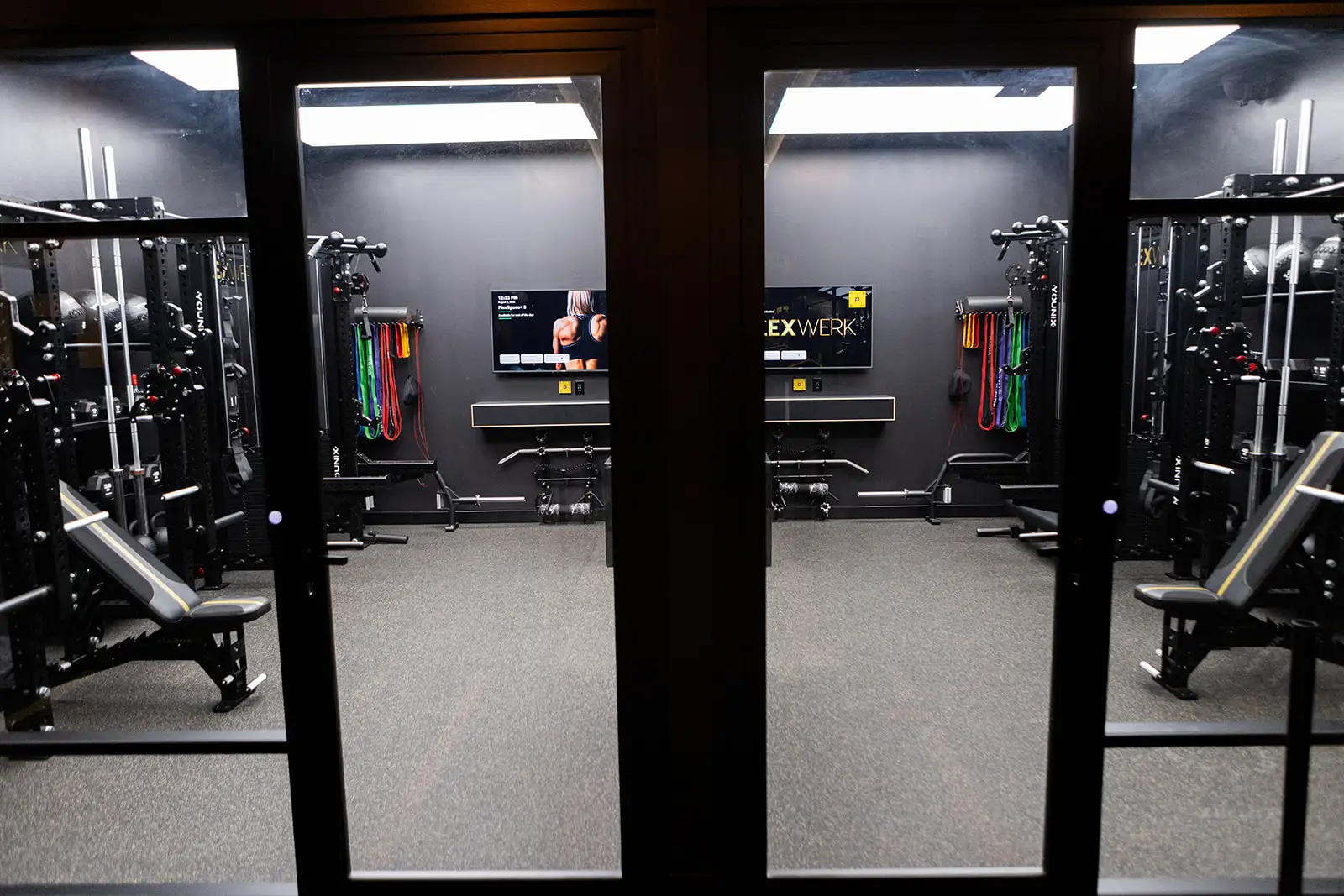
Sessions in a private suite allow the calf and hip work to go well beyond band strength, using a rack, dumbbells and a step. Hip strength matters because a knee that drops inward pushes the foot into a flatter position. Walking volume is managed as well, with a plan to build back to longer walks or runs once single-leg heel raises are strong and comfortable.
- Pain-guided inversion and isometric tendon loading
- Progressive heel raises with the heel kept turned inward
- Calf flexibility and strength
- Intrinsic foot and hip strengthening
- Footwear and arch support decisions
- A graded return to longer walks, hikes or runs
How long does posterior tibial tendon rehab take before walking feels normal?
Tendon rehab is slow. Orthopedic guidance warns that pain can last longer than 3 months even when treatment starts early, and that in long-standing cases it is not unusual for pain to continue another 6 months after treatment begins. Tendons adapt over months, not days, so stopping exercises once the pain eases is a common reason for relapse.
Progress depends on how long the problem has been present, whether the arch has already begun to flatten, body weight, other health conditions, and how much standing your days involve. A therapist can usually tell you within a few weeks whether the tendon is responding. If it is not, or the arch keeps lowering, a referral to a foot and ankle specialist is the honest next step.
Surgery is generally reserved for tendons that fail a good trial of conservative care or for deformities that have become rigid. If you do need surgery, a long rehab follows, and the work you did beforehand still helps.
What can I change this week for inner ankle and arch pain?
The quickest change is to reduce how much the tendon is being stretched and loaded each day. Wear supportive shoes rather than flat, flexible ones, including around the house if you are on your feet a lot, cut back on long walks and hills for now, and avoid going barefoot on hard floors.
Start gentle tendon work: seated foot inversion against a band and slow heel raises on two feet, both kept in a comfortable range. Mild discomfort that settles within a day is acceptable; sharp pain or pain that keeps building is a signal to ease off. Pain behind the inner ankle that is new after a twist, with a sudden drop in the arch, needs a physician quickly.
If your arch is changing or the pain has lasted more than a few weeks, complete the foot and ankle questionnaire. The matching team proposes a therapist in the network with an orthopedic focus, and you can read about that approach on the orthopedic physical therapy page.
When to see a physician or go to the ER first
Physical therapy is the right start for most posterior tibial tendonitis. These symptoms are different and need medical attention before, or instead of, a physical therapy visit:
- A sudden pop on the inner ankle followed by a rapid drop in the arch
- A foot that has become rigid in a flat, outward position
- Hot, red, swollen foot with fever, or a hot swollen foot in someone with diabetes or reduced sensation
- Numbness, burning or tingling along the sole of the foot
- Pain after a fall or twist with difficulty bearing weight
If you think it is an emergency, call 911.
Two-minute assessment
Get your posterior tibial tendonitis looked at
Tell us how your posterior tibial tendonitis started, how long it has been going on and what it is stopping you from doing. The matching team proposes a therapist in the network who focuses on it, and you hear back, usually within one business day.
- No referral needed to start in Indiana (first 42 days)
- We check which therapists work with your plan before you book
- One-on-one care in a private suite at Carmel City Center
How therapists treat it
Kinds of care used for posterior tibial tendonitis
- Orthopedic physical therapyExercise-led care for back, neck, shoulder, hip, knee and ankle problems, delivered one-on-one in a private suite.
- Gait trainingWalking-focused rehab that measures speed and balance, then practises the steps, turns, stairs and surfaces you need for daily life.
- Running injury physical therapyFor Monon Trail regulars and race trainees: load management, strength and gait observation that keep you running while you heal.
Questions
Posterior tibial tendonitis: what people ask
Information on this website is general education, not medical advice, a diagnosis or a treatment plan. Only a licensed clinician who examines you can advise on your condition. If you may be having a medical emergency, call 911.
Something we did not cover? Ask the matching team or ring (888) 353-9975.
Is posterior tibial tendonitis the same as flat feet?
No. Many people have flat feet all their lives with no pain. Posterior tibial tendon problems can cause an arch to flatten over time, which is called adult-acquired flatfoot, and that change on one side is what deserves attention.
Do I need custom orthotics?
Not always. Many people start with a good over-the-counter arch support and supportive shoes. A podiatrist may recommend a custom device if the arch is collapsing or simpler support has not helped.
Can I keep running with posterior tibial tendon pain?
Sometimes at a reduced volume, if pain stays mild and settles by the next day. Hills, speed and long runs usually pause until single-leg heel raises are strong and comfortable.
Should I get a cortisone injection?
A cortisone injection into this tendon is not normally done, because it carries a risk of tendon rupture. That is a decision for a physician, and loading-based rehab is usually tried first.
Why does the outside of my ankle hurt now too?
As the arch lowers and the heel drifts outward, the bones on the outside of the ankle can start to pinch. It is a sign the foot shape is changing and is worth having assessed soon.
Does weight loss help posterior tibial tendon pain?
Reducing body weight lowers the load the tendon handles with every step, so it can help alongside exercise. It is not required to start rehab, and strength work helps at any weight.
Google reviews
What guests say about FlexWerk
These are live Google reviews of FlexWerk at Carmel City Center, the private-suite facility where therapists in the network practise.
Related
Conditions that travel together
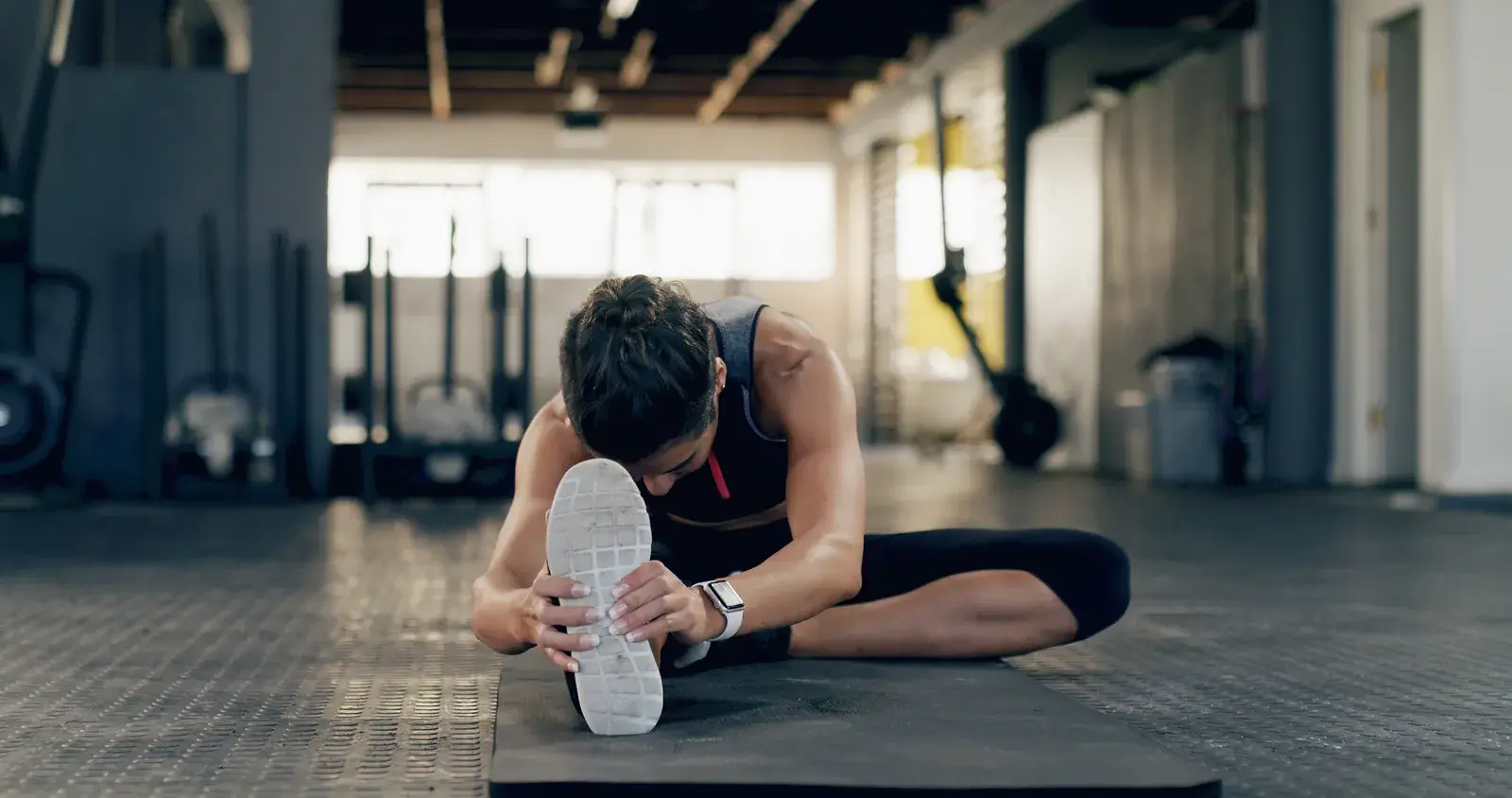 Plantar fasciitisHeel pain and first-step morning pain treated with calf and foot loading, footwear advice and load management.
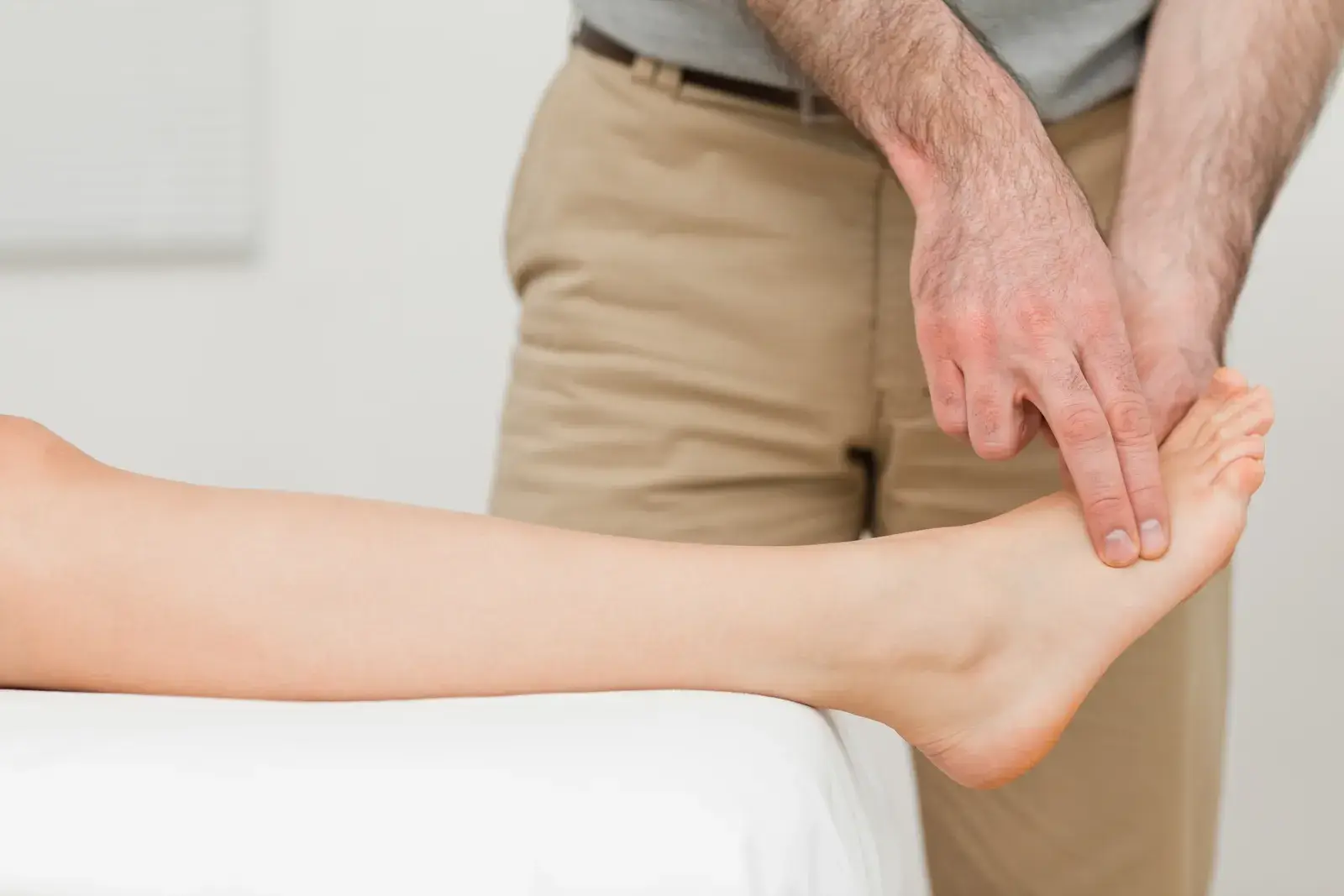 Tarsal tunnel syndromeCare for burning, tingling or numbness in the sole from an irritated nerve at the inner ankle.
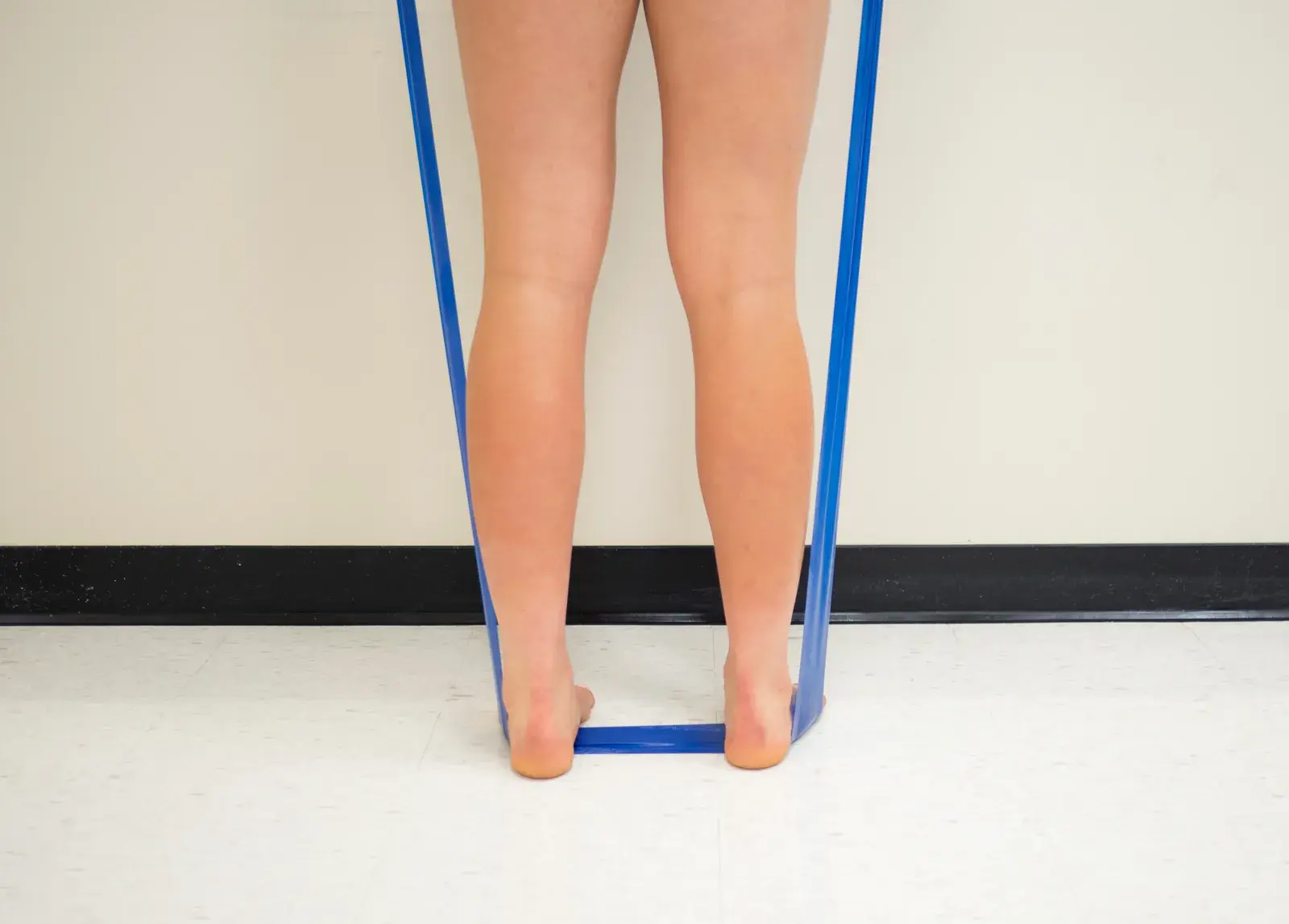 Peroneal tendonitisRehab for outer-ankle tendon pain: load management, eversion and calf strength, and balance work for runners and court players.
Page reviewed By the Monon Therapy Collective editorial team

Carmel City Center · Carmel, Indiana
Start with a conversation
Tell us what hurts and what you want to get back to. We will tell you honestly whether a therapist in the network is likely a good fit for what you describe, and match you with an independent, licensed therapist who is. Only that therapist can assess what will help.
885 Monon Green Blvd, Suite 120, Carmel, IN 46032 · Monday to Friday 5 AM to 9 PM · Saturday and Sunday 7 AM to 4 PM