Multiple sclerosis physical therapy in Carmel, Indiana
Physical therapy helps people with multiple sclerosis (MS) protect walking, balance and strength while managing fatigue and heat sensitivity. A neurologically trained therapist assesses gait, foot drop, spasticity and endurance, then designs exercise paced to your energy, with cooling and rest built in, and helps after relapses. Near Carmel, the matching team tells you plainly, before booking, whether a therapist in the network currently offers neurologic care.
At a glance
Common signs of multiple sclerosis
Also called: MS, Relapsing-remitting MS, Progressive multiple sclerosis, Demyelinating disease.
How does MS affect strength, balance and energy from day to day?
MS damages the insulating myelin around nerve fibers in the brain and spinal cord, so signals travel less reliably. Which abilities are affected depends on where the lesions are, which is why two people with MS can look very different. Common physical effects include leg weakness, foot drop, spasticity, poor balance and reduced sensation in the feet.
Fatigue is often the most limiting symptom. Nerves that conduct poorly fatigue with repeated use, so a leg can work well for the first ten minutes of a walk and then start to drag. Heat makes conduction worse: a rise in body temperature from exercise, a hot day or a bath can temporarily bring back old symptoms. This is called Uhthoff’s phenomenon and it reverses as you cool down.
Knowing that temporary heat-related worsening is not a relapse is reassuring, and it shapes how a therapist doses exercise. Neurologic care is described more broadly on the neurological physical therapy page.
MS also affects thinking speed, mood and bladder control for some people, and these interact with exercise. A good plan accounts for bathroom access during sessions, keeps instructions clear and written down when concentration is low, and treats low mood as something to mention to your neurologist rather than a lack of effort.
What does a therapist assess when walking gets harder with MS?
The therapist looks at what fails, when it fails and why. Expect timed walks, such as the 25-foot walk, and often a longer walk such as six minutes to capture fatigue, because problems that appear late are easy to miss in short tests. Balance is tested with eyes open and closed and on soft surfaces, since many people with MS lean heavily on vision.
Strength is tested muscle by muscle, with special attention to the ankle muscles that lift the foot and the hip muscles that swing the leg. Spasticity is graded by how the muscles resist being moved at different speeds. The therapist also asks about bladder urgency, vision, heat tolerance and the times of day you feel strongest.
If foot drop is found, the conversation may include an ankle-foot orthosis (a light brace) or functional electrical stimulation, which are prescribed or fitted with your physician and an orthotist.
Results are shared in plain language, with numbers you can track. Knowing your walking speed, how far you can walk before the foot starts to catch, and how long you can stand on one leg gives you and your neurologist a shared reference point when symptoms shift.
How do you exercise with MS without triggering heat fatigue?
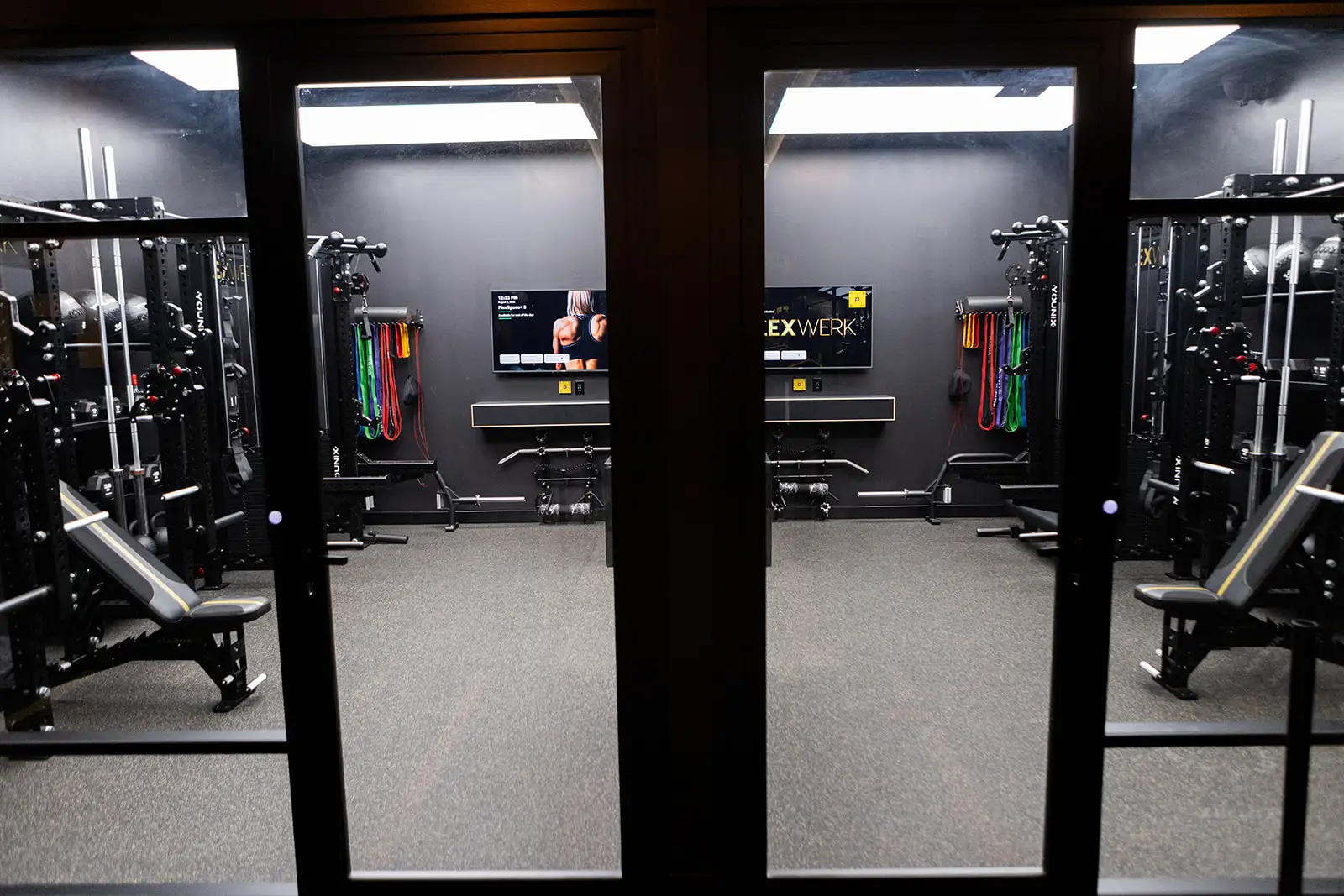
You keep core temperature down and break the work into pieces. Practical tools include a cool room, a fan, cold water, a cooling vest or neck wrap, and interval-style sessions with short bouts and planned rests. The suites at Carmel City Center have controllable lighting and music within a closed room, and weekday hours start at 5 AM, which can suit people who feel sharpest before the day warms up.
Within that frame, programs combine aerobic exercise, progressive strength training, balance work and stretching for spasticity. Recommendations convened by the National MS Society and published in 2020 encourage at least 150 minutes a week of exercise or lifestyle physical activity, built up gradually, with an early evaluation by a therapist experienced in MS to set an individual plan. Gait practice targets foot clearance and stride, and gait training may include walking aids that save energy.
Strength training deserves special mention because some people with MS were once told to avoid it. Progressive resistance work with machines, cables or free weights, done with enough rest between sets, is now a standard part of MS exercise guidance and helps with stair climbing, chair rises and walking endurance.
Energy conservation is part of treatment: planning heavier tasks for your strongest hours, sitting for tasks that do not need standing, and spreading effort through the week. On a hot Indiana July day, an indoor session or an early walk on the shaded stretches of the Monon Trail beats an afternoon outing.
- Interval-style aerobic work with cooling strategies
- Progressive strengthening for hips, ankles and trunk
- Balance training with reduced reliance on vision
- Daily stretching for spasticity
- Foot clearance practice and brace trials when needed
- Energy conservation planning around work and family
Should I go back to physical therapy after an MS relapse?
Often yes. After a relapse has been managed medically, a short block of rehabilitation can help you regain lost function faster and adjust your exercise plan. Between relapses, or with progressive MS, periodic episodes of care help catch changes in walking or balance early.
Sudden new symptoms lasting more than 24 hours without heat or infection as a trigger may be a relapse and should go to your neurologist first. A common rhythm of care is listed below. For Medicare beneficiaries, skilled therapy to maintain function can be covered even without improvement, as described on the Medicare physical therapy coverage page.
- At diagnosis or first referral: a baseline evaluation and a home and gym program matched to your energy pattern.
- Active block: often 4 to 8 weeks of regular visits to learn the program, test cooling strategies and fit any brace.
- After a relapse: a short focused block once your neurologist has managed the relapse, to regain lost function.
- Ongoing: independent exercise with re-checks every 6 to 12 months or when walking, balance or falls change.
Is there an MS-experienced physical therapist near Carmel?
It depends on who is in the network at the time, because MS care calls for neurologic experience. Neurologic board certification through the American Board of Physical Therapy Specialties, or a therapist who regularly treats MS, is a good sign. Ask how they manage heat and fatigue in sessions.
Complete the online assessment and the matching team will tell you honestly whether a therapist in the network currently offers neurologic care. If not, they say so before anything is booked and explain what kind of provider to look for. Mention your strongest time of day, and whether garage parking a short walk from the entrance suits your energy level.
When to see a physician or go to the ER first
Physical therapy is the right start for most multiple sclerosis. These symptoms are different and need medical attention before, or instead of, a physical therapy visit:
- New vision loss, double vision or eye pain
- Sudden weakness, numbness or loss of coordination lasting more than 24 hours
- New loss of bladder or bowel control
- Fever with worsening symptoms (infection can mimic a relapse)
- A fall with a head strike or inability to bear weight
- Face drooping, arm weakness or slurred speech (call 911, possible stroke)
If you think it is an emergency, call 911.
Two-minute assessment
Get your multiple sclerosis looked at
Tell us how your multiple sclerosis started, how long it has been going on and what it is stopping you from doing. The matching team proposes a therapist in the network who focuses on it, and you hear back, usually within one business day.
- No referral needed to start in Indiana (first 42 days)
- We check which therapists work with your plan before you book
- One-on-one care in a private suite at Carmel City Center
How therapists treat it
Kinds of care used for multiple sclerosis
- Neurological physical therapyTask-focused rehab for stroke, Parkinson’s, MS and nerve conditions, tracked with standard balance and walking tests.
- Gait trainingWalking-focused rehab that measures speed and balance, then practises the steps, turns, stairs and surfaces you need for daily life.
- Balance and fall preventionStrength, walking and balance training for older adults who feel unsteady, have fallen, or want to stay confident on their feet.
Questions
Multiple sclerosis: what people ask
Information on this website is general education, not medical advice, a diagnosis or a treatment plan. Only a licensed clinician who examines you can advise on your condition. If you may be having a medical emergency, call 911.
Something we did not cover? Ask the matching team or ring (888) 353-9975.
Will exercise make my MS worse?
Exercise does not worsen MS itself. Heat from exercise can temporarily bring out symptoms, but they settle as you cool down, which is why cooling and rest breaks are built in.
What is the difference between a relapse and a heat flare?
A heat flare (pseudo-relapse) comes on with warmth or infection and fades as the trigger passes. A relapse brings new or worse symptoms for more than 24 hours without such a trigger and needs your neurologist.
Can physical therapy help with MS foot drop?
It can, through ankle and hip strengthening, gait practice, and trials of a brace or electrical stimulation device when weakness is significant.
How often should I exercise with MS?
Most people do well with regular, moderate sessions spread through the week rather than occasional hard ones. A therapist sets the dose around your fatigue pattern.
Is a cooling vest worth it?
Many heat-sensitive people find a cooling vest or neck wrap lets them exercise longer and recover faster. Try simpler options like cold drinks and a fan first.
Can I use the Monon Trail for walking practice with MS?
Many people do. Its flat, paved surface and frequent benches make it practical, and early mornings or shaded stretches help with heat. Plan a route with rest points and turn around before fatigue sets in rather than after.
Google reviews
What guests say about FlexWerk
These are live Google reviews of FlexWerk at Carmel City Center, the private-suite facility where therapists in the network practise.
Related
Conditions that travel together
 Peripheral neuropathyBalance, strength and foot-safety training for numb, tingling or weak feet from nerve damage.
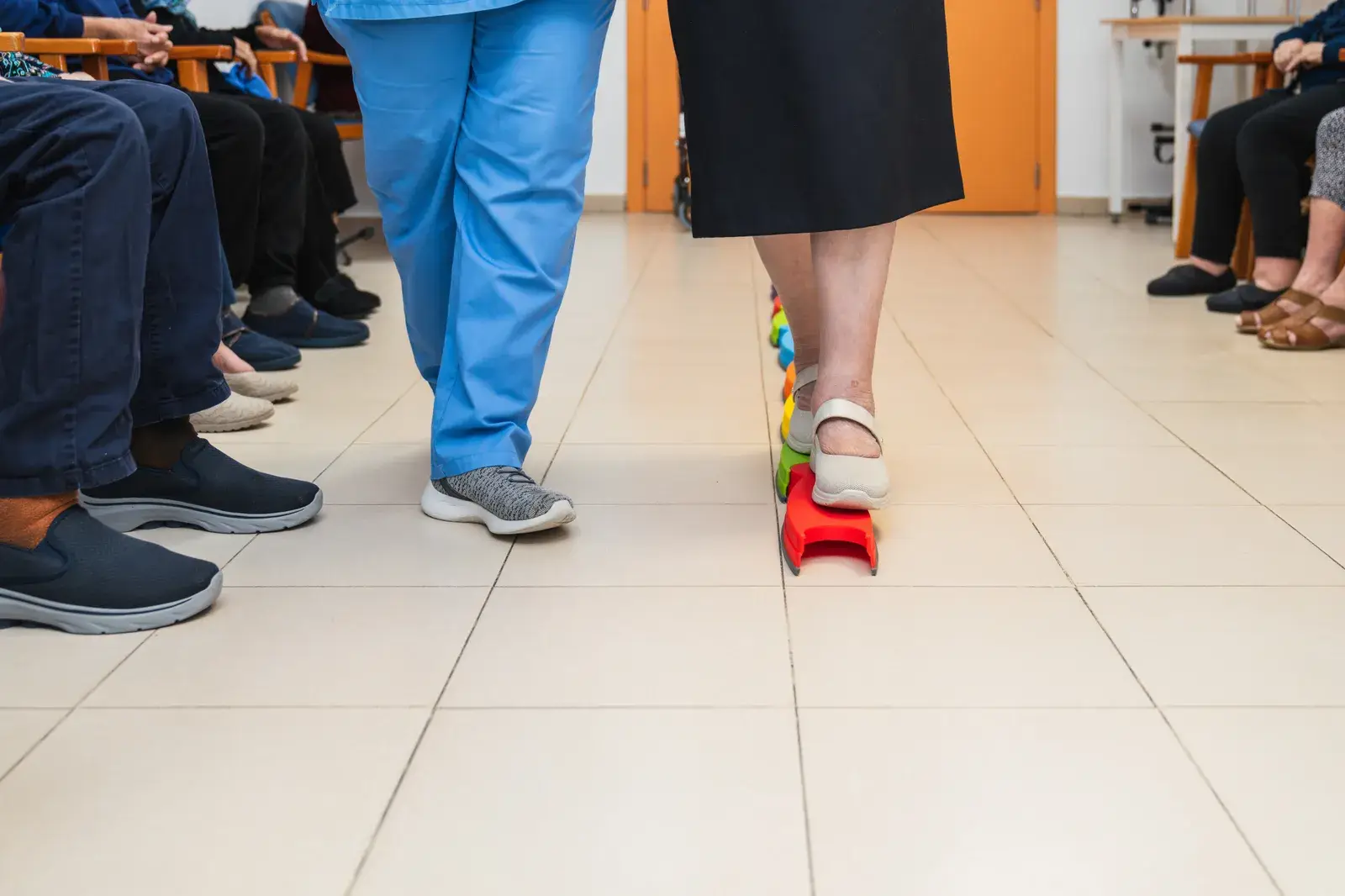 Parkinson’s diseaseExercise-based care for walking, balance, freezing and fall risk in Parkinson’s, with periodic re-checks as needs change.
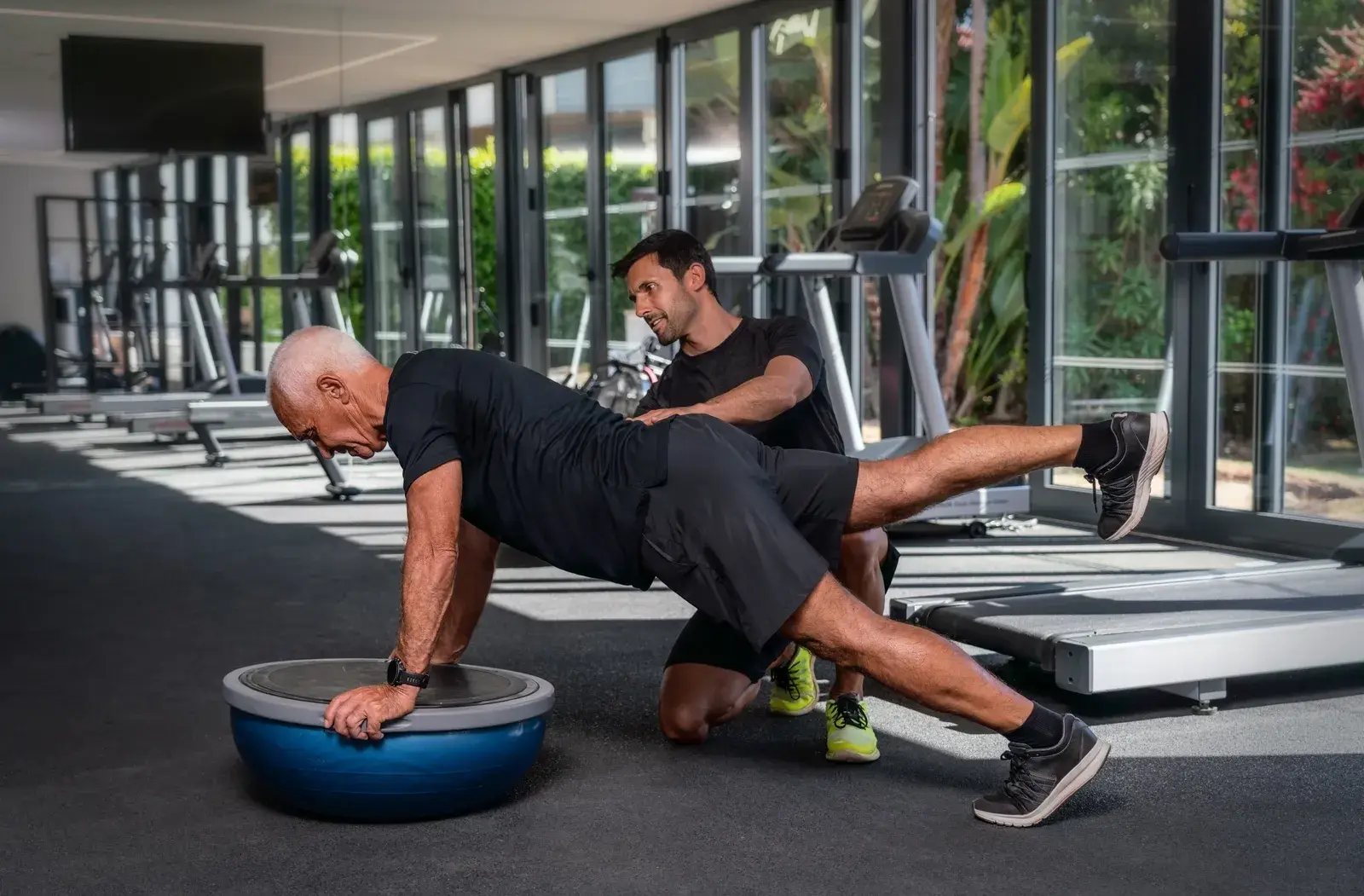 DeconditioningRebuilding strength, walking stamina and balance after a hospital stay, illness or long period of inactivity.
Page reviewed By the Monon Therapy Collective editorial team

Carmel City Center · Carmel, Indiana
Start with a conversation
Tell us what hurts and what you want to get back to. We will tell you honestly whether a therapist in the network is likely a good fit for what you describe, and match you with an independent, licensed therapist who is. Only that therapist can assess what will help.
885 Monon Green Blvd, Suite 120, Carmel, IN 46032 · Monday to Friday 5 AM to 9 PM · Saturday and Sunday 7 AM to 4 PM