Physical therapy for pickleball players in Carmel deals with what a quick, low, stop-start game does to the body: calf and Achilles strains, ankle sprains, sore knees, tennis elbow, shoulder irritation and wrist injuries from falls. An independent, Indiana-licensed physical therapist in the network examines you one-on-one at Carmel City Center and rebuilds the calf capacity, lateral footwork and grip endurance that open play asks for. You can book without a referral for up to 42 calendar days under Indiana law.
Last reviewed By the Monon Therapy Collective editorial team
- Commonest trouble spots
- Calf and Achilles, knee, elbow, shoulder
- A common way to fall
- Backpedaling for a lob
- What rehab rebuilds
- Calf strength, side-to-side footwork, grip endurance
- Local indoor play
- Open pickleball courts in the Monon Community Center gym
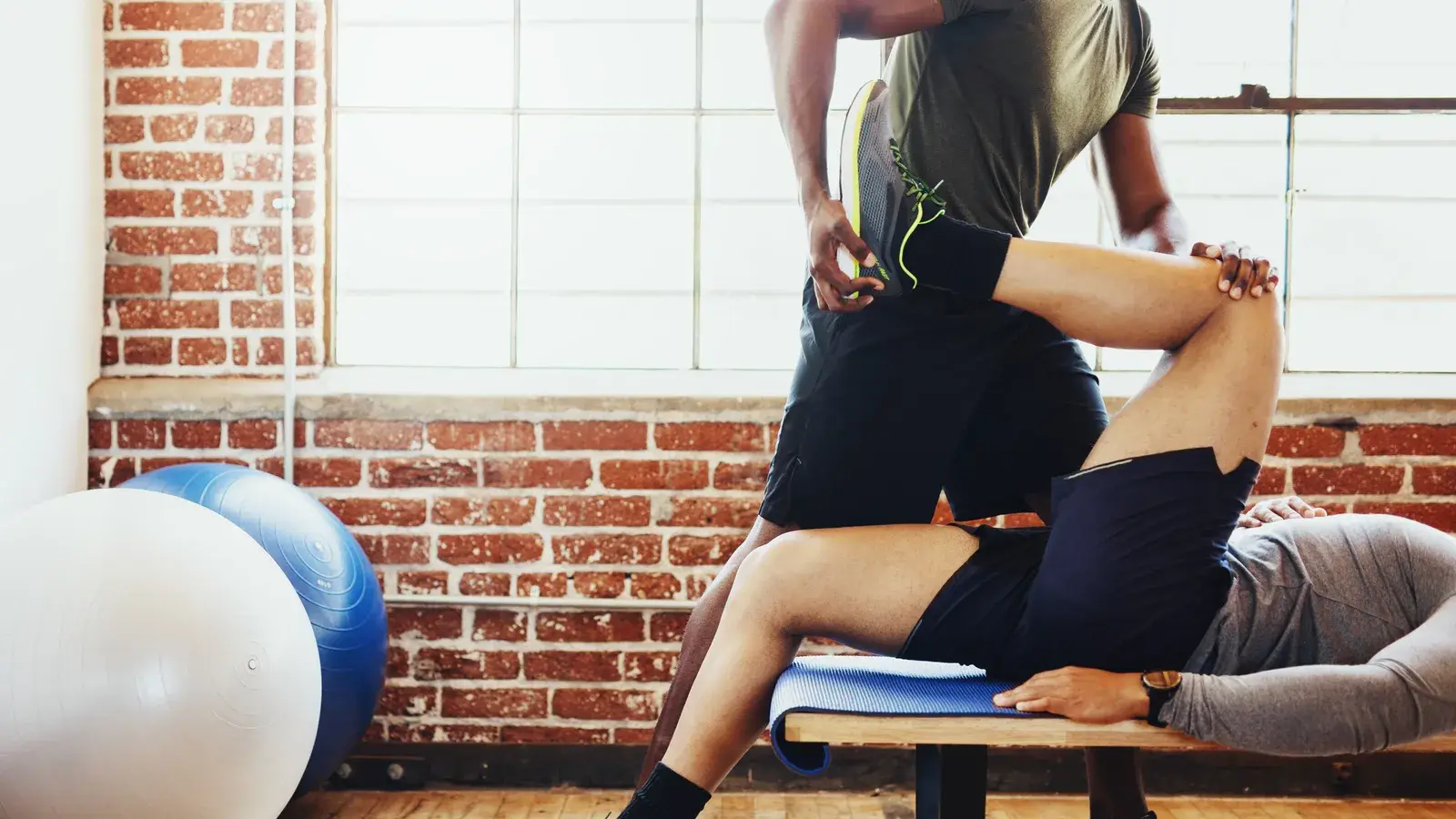
What injuries do pickleball players most often bring to a therapist?
Most pickleball problems fall into two groups: sudden lower-leg injuries from a quick first step, and slow-building overuse pain in the elbow and shoulder from hundreds of dinks, drives and overheads. Falls are the third group, usually when a player backpedals for a lob and catches a heel.
Each link below opens a full page on that condition, with the warning signs that need a physician before any rehab.
- Calf strain: a sharp grab in the calf on a sudden push-off, often described as being hit by a ball
- Achilles tendinitis: morning stiffness above the heel that eases once you warm up, then returns after play
- Ankle sprain from a lateral lunge or stepping on a stray ball
- Knee pain from a meniscus tear or flare-ups of knee arthritis after long sessions in a ready crouch
- Tennis elbow from a tight grip on a light paddle and repeated backhand drives
- Wrist fractures from backward falls, which often need wrist fracture rehab once the bone has healed
Why is pickleball harder on the body than it looks?
The court is small, but play is a constant string of short bursts, lunges and stops from a semi-crouched ready position at the kitchen line. Many people take it up later in life after years away from sport, then go from one session a week to daily drop-in play within a month, and the calf and Achilles have not had time to adapt.
Rehab therefore spends a lot of time on the lower leg. A therapist typically measures how many single-leg heel raises you can do on each side, then builds capacity with loading such as the eccentric heel drop. Later sessions add side shuffles, split-step reactions and controlled backward walking, practised on the indoor turf corridor outside the suites, plus forearm endurance work for the paddle hand.
Where do Carmel players play, and how does that change recovery?
Carmel players move between outdoor courts in the warmer months and indoor gyms in winter. Carmel Clay Parks lists open pickleball courts in the multi-purpose gym at the Monon Community Center, which is one of the indoor options a recovering player can use to return in short, controlled sessions.
Changing surfaces and schedules matters for rehab: shoes, court grip and the number of games you play in a drop-in session all change the load on your calf and knees. Tell your therapist where and how often you play. The suites open at 5 AM on weekdays, so a session can come before morning open play. The pickleball injury prevention guide covers warm-ups and footwear.
What should I be able to do before returning to doubles?
You are usually ready for doubles when you can shuffle, split-step, lunge and backpedal at game speed without pain or hesitation, and your injured calf or knee has close to the strength of the other side. A therapist tests these directly rather than relying on how many weeks have passed.
For players returning after surgery or a serious strain, formal return-to-sport testing compares one side with the other. The checks below are typical; your therapist chooses the exact ones after examining you.
| Check | What it shows | Typical next step if it passes |
|---|---|---|
| Single-leg heel raises, both sides | Calf and Achilles capacity | Hopping and quick footwork drills |
| Side shuffle and split-step at speed | Confidence changing direction | Dinking and drilling with a partner |
| Controlled backpedal and recovery step | Safe movement toward a lob | Short games of singles skinny or doubles |
| Grip and wrist tests without pain | Forearm tolerance for paddle work | Full drives and resets |
| A full session without next-day flare | Overall load tolerance | Gradually longer drop-in sessions |
Is it safe to keep playing pickleball through a sore calf or elbow?
Mild soreness that settles within a day is often fine to play around, but pain that changes how you move, makes you limp or builds through a session is a sign to stop and get it examined. The answer on exercising through pain explains how therapists judge acceptable discomfort.
The sooner a calf or Achilles problem is seen, the more often it can be managed with modified play instead of weeks off. Start with the questionnaire for foot and ankle problems, or pick the area that hurts. The matching team proposes a therapist in the network, and that therapist’s office confirms your benefits before the first visit.
When a pickleball injury needs urgent care first
- A pop or kicked feeling in the back of the calf with trouble pushing off, which can mean an Achilles rupture
- You cannot put weight on the foot, or the wrist looks deformed after a fall
- You hit your head in a fall and have headache, confusion or vomiting
- Chest pain, unusual shortness of breath or faintness on court: call 911
If you think it is an emergency, call 911.
