Shoulder labral tear physical therapy in Carmel, Indiana
A shoulder labral tear is damage to the ring of cartilage around the shoulder socket, including the SLAP tears common in throwers and lifters. Many labral tears, particularly in older adults, where some fraying of the labrum is part of normal aging, are managed first with physical therapy, and a licensed physical therapist matched through the network in Carmel will work on rotator cuff and shoulder blade strength, shoulder mobility and the mechanics of your sport. Tears that cause repeated instability or fail rehab are discussed with an orthopedic surgeon.
At a glance
Common signs of shoulder labral tear
Also called: Glenoid labral tear, SLAP tear, SLAP lesion, Superior labrum anterior to posterior tear, Bankart lesion, Posterior labral tear.
What is a SLAP tear, and how is it different from other labral tears?
A SLAP tear is a tear at the top of the labrum, where the long head of the biceps tendon attaches, running from front to back. Other labral tears sit at the front of the socket, often after a dislocation, or at the back, which is common in lifters who bench and push heavy weight and in offensive linemen.
SLAP tears often develop from repeated overhead stress: the twisting and peel-back forces of pitching, volleyball spikes and tennis serves. They can also follow a fall on an outstretched arm or a sudden pull, such as catching a heavy object. Front-of-socket tears linked to dislocation are covered on the shoulder instability page.
Some labral fraying is a normal part of aging, and MRI scans often find labral changes in adults with no symptoms. That is one reason a physician or surgeon weighs what you feel and what the examination shows, not just what the scan reports.
Who tends to end up with each type is fairly predictable. Baseball and softball pitchers, volleyball hitters and tennis players load the top of the labrum thousands of times a season. Powerlifters, CrossFit athletes and people who do heavy dips or wide-grip bench press stress the back of the socket. Climbers and anyone who catches a sudden heavy load on a straight arm can tear it by traction.
Can a physical therapist tell if my clicking shoulder is a labral tear?
A physical therapist can identify a pattern consistent with a labral tear and rule out common look-alikes, but confirming a tear usually requires imaging ordered by a physician, often an MRI arthrogram. Clicking alone is common and does not mean you have a tear; clicking with pain, catching or loss of function is more meaningful.
The examination combines your history, range of motion in each direction, rotator cuff and shoulder blade strength, and a cluster of provocation tests that compress or twist the labrum and biceps anchor. Throwers usually have their total arc of rotation compared side to side, because loss of inward rotation is a common finding.
The therapist also looks for linked problems, such as biceps tendinitis, rotator cuff irritation or a stiff upper back. For more on noises in the joint, the shoulder clicking and popping page explains when they matter.
How do therapists rehab a labral tear without repairing it?
Nonsurgical rehab aims to make the shoulder strong and well controlled enough that the torn tissue is no longer provoked. The labrum itself has a limited blood supply and may not heal, but symptoms often settle when the surrounding muscles share the load better.
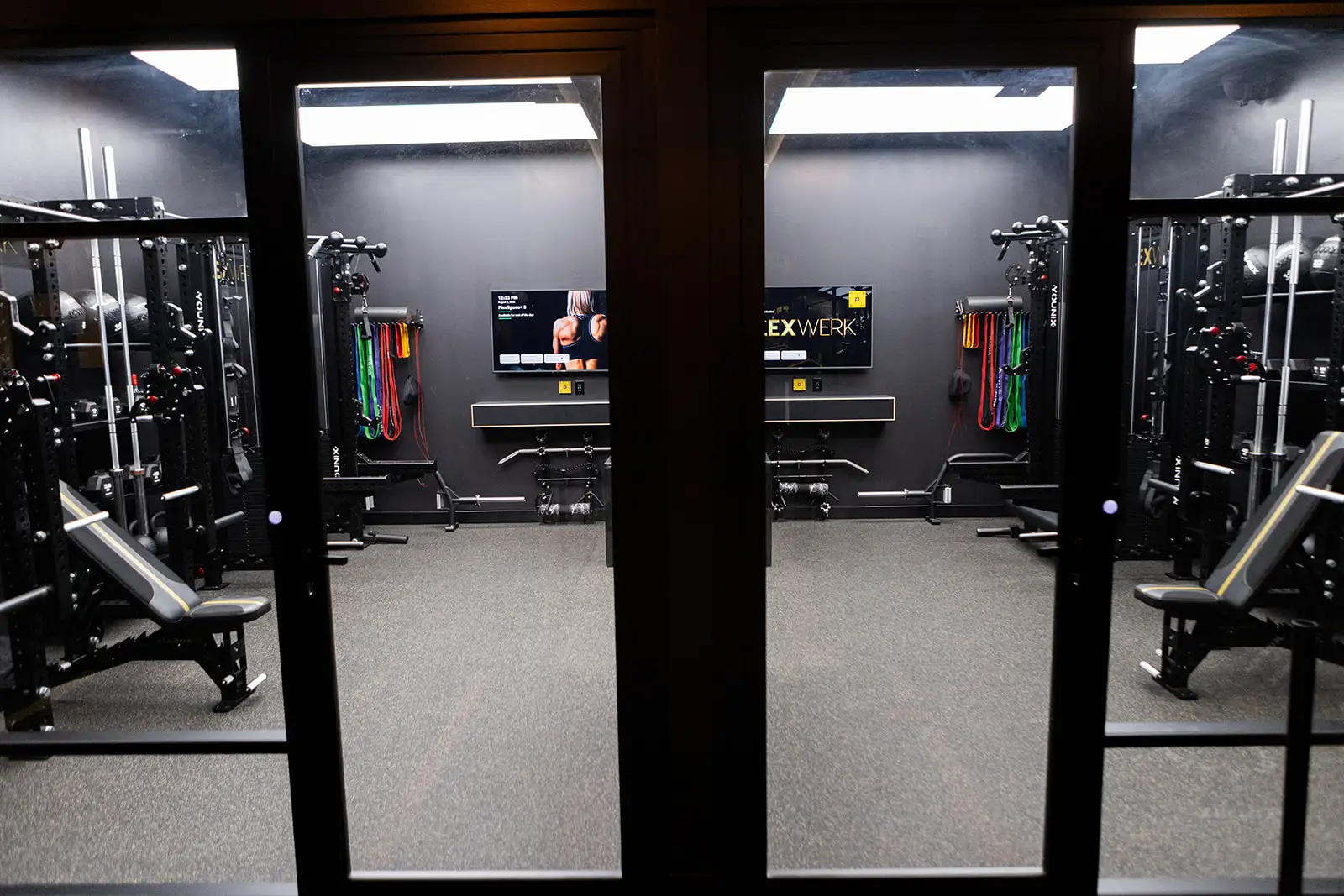
In a private suite, a therapist in the network might start with sleeper and cross-body stretches for a tight back capsule, rotator cuff strengthening at different angles, and shoulder blade work, then progress to heavier rows, presses, carries and landmine variations on the rack and cable column. Throwers move on to a structured interval throwing program; lifters reintroduce bench and overhead work with grip and range adjustments.
The kinetic chain matters too. Hip rotation, trunk control and leg drive produce much of the force in a throw or serve, so weak hips and a stiff trunk can overload the shoulder. A good program trains the whole chain, not just the arm.
Volume is the other lever. A therapist will usually agree a weekly cap on throws, sets of pressing or overhead reps with you, then raise it in small steps as long as the shoulder stays quiet the next morning. Keeping a simple training log makes those decisions much easier and helps you spot what triggers a flare.
- Posterior shoulder mobility for a tight back capsule
- Rotator cuff strength in multiple positions
- Scapular strength and control
- Hip and trunk strength and rotation for throwers
- Grip and range modifications for lifters
- An interval throwing or serving program before full return
How long does labral tear rehab take before surgery is considered?
A trial of focused rehab commonly lasts three to six months, the range AAOS OrthoInfo gives for a nonsurgical program, before anyone judges whether it has worked. Many people improve enough to return to lifting, work and recreational sport within that window, while high-level throwers sometimes need longer to rebuild velocity.
Surgery is usually discussed when a tear causes repeated instability, mechanical locking, or ongoing pain that blocks your goals despite a solid program. In some cases, especially in older adults, surgeons favor a biceps tenodesis, which reattaches the biceps tendon lower on the arm, rather than repairing the labrum. The biceps tenodesis rehab page explains that recovery.
After a labral repair, OrthoInfo notes that throwing athletes can often begin an interval throwing program three to four months after surgery, with full return later and always on the surgeon’s protocol. Your therapist will share progress notes with your surgeon so the plan stays consistent. Under Indiana direct access you can begin rehab without a referral, though many athletes see an orthopedic physician first and some insurance plans require one.
Which lifts and throws should I modify with a suspected labral tear?
Cut back on movements that compress or twist the top and back of the socket: deep dips, wide-grip bench press to the chest, behind-the-neck pressing, kipping pull-ups and high-volume throwing. These usually return later, but they tend to keep the tear irritated early on.
Swap in neutral-grip dumbbell pressing, landmine presses, floor presses and rows, which most labral tears tolerate. For pull-ups, a neutral grip and strict, controlled reps usually sit better than a wide grip or a kip, and a lighter band-assisted version is a reasonable bridge. Throwers should pause or reduce pitch counts and long toss while strength work begins, and youth pitchers need their pitch limits respected at every level.
If deep shoulder pain is limiting your training, the assessment questionnaire lets you describe your sport and symptoms. The matching team proposes a therapist in the network whose focus fits overhead athletes, and the baseball and softball players page covers throwing-specific rehab in more depth.
When to see a physician or go to the ER first
Physical therapy is the right start for most shoulder labral tear. These symptoms are different and need medical attention before, or instead of, a physical therapy visit:
- A shoulder that has dislocated or will not move: seek urgent care
- A visible bulge in the upper arm after a pop, which may be a biceps rupture
- Numbness, tingling or a cold hand
- Severe pain and swelling after a fall
- Fever with a hot, swollen shoulder
If you think it is an emergency, call 911.
Two-minute assessment
Get your shoulder labral tear looked at
Tell us how your shoulder labral tear started, how long it has been going on and what it is stopping you from doing. The matching team proposes a therapist in the network who focuses on it, and you hear back, usually within one business day.
- No referral needed to start in Indiana (first 42 days)
- We check which therapists work with your plan before you book
- One-on-one care in a private suite at Carmel City Center
How therapists treat it
Kinds of care used for shoulder labral tear
- Sports physical therapyRehab for active adults that goes past pain relief to the strength, power and movement your sport actually demands.
- Return-to-sport testingCriteria-based testing of strength, hopping, movement and confidence, so your return to sport rests on evidence, not the calendar.
- Post-surgical rehabilitationProtocol-led rehab after joint replacement, ligament, tendon and spine surgery, in a quiet private room instead of a crowded gym.
Questions
Shoulder labral tear: what people ask
Information on this website is general education, not medical advice, a diagnosis or a treatment plan. Only a licensed clinician who examines you can advise on your condition. If you may be having a medical emergency, call 911.
Something we did not cover? Ask the matching team or ring (888) 353-9975.
Can a torn labrum heal on its own?
The labrum has a limited blood supply, so the tear may not heal fully. Many people still become pain-free and fully active because strength and control take load off the injured area.
Do I need an MRI for a suspected labral tear?
Not always before starting rehab. A physician may order an MRI or MRI arthrogram if symptoms persist, if there is instability, or if surgery is being considered.
Can I keep pitching with a SLAP tear?
Some pitchers continue at a reduced load while rehab begins, but this depends on pain, function and the advice of your physician. A structured interval throwing program guides the return.
Is a labral tear the same as a rotator cuff tear?
No. The labrum is cartilage around the socket, while the rotator cuff is a group of muscles and tendons that move and stabilize the shoulder. They can be injured together.
What lifts are safest with a labral tear?
Neutral-grip presses, landmine presses, rows and carries are usually well tolerated. Your therapist will help you rebuild bench, dips and overhead work in stages.
Does a hip labral tear have anything in common with this?
Both are tears of a cartilage ring that deepens a ball-and-socket joint, but the hip and shoulder are loaded differently. The hip labral tear page covers the hip version.
Google reviews
What guests say about FlexWerk
These are live Google reviews of FlexWerk at Carmel City Center, the private-suite facility where therapists in the network practise.
Related
Conditions that travel together
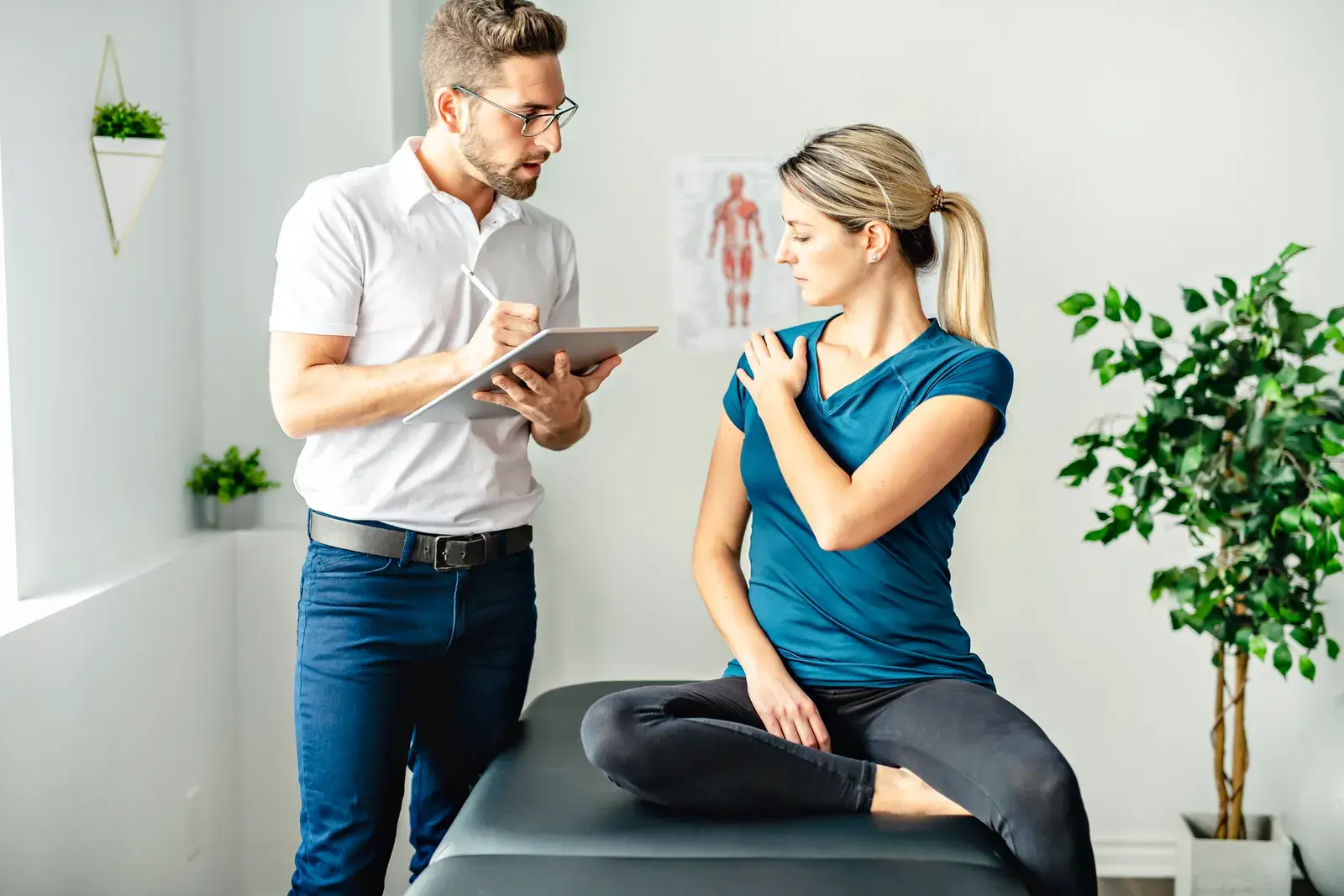 Shoulder instabilityRehab after a shoulder dislocation or for a loose shoulder, from protected motion to sport-ready strength.
 Biceps tendinitisFront-of-shoulder pain from the long head of the biceps, treated with graded loading of the tendon and rotator cuff.
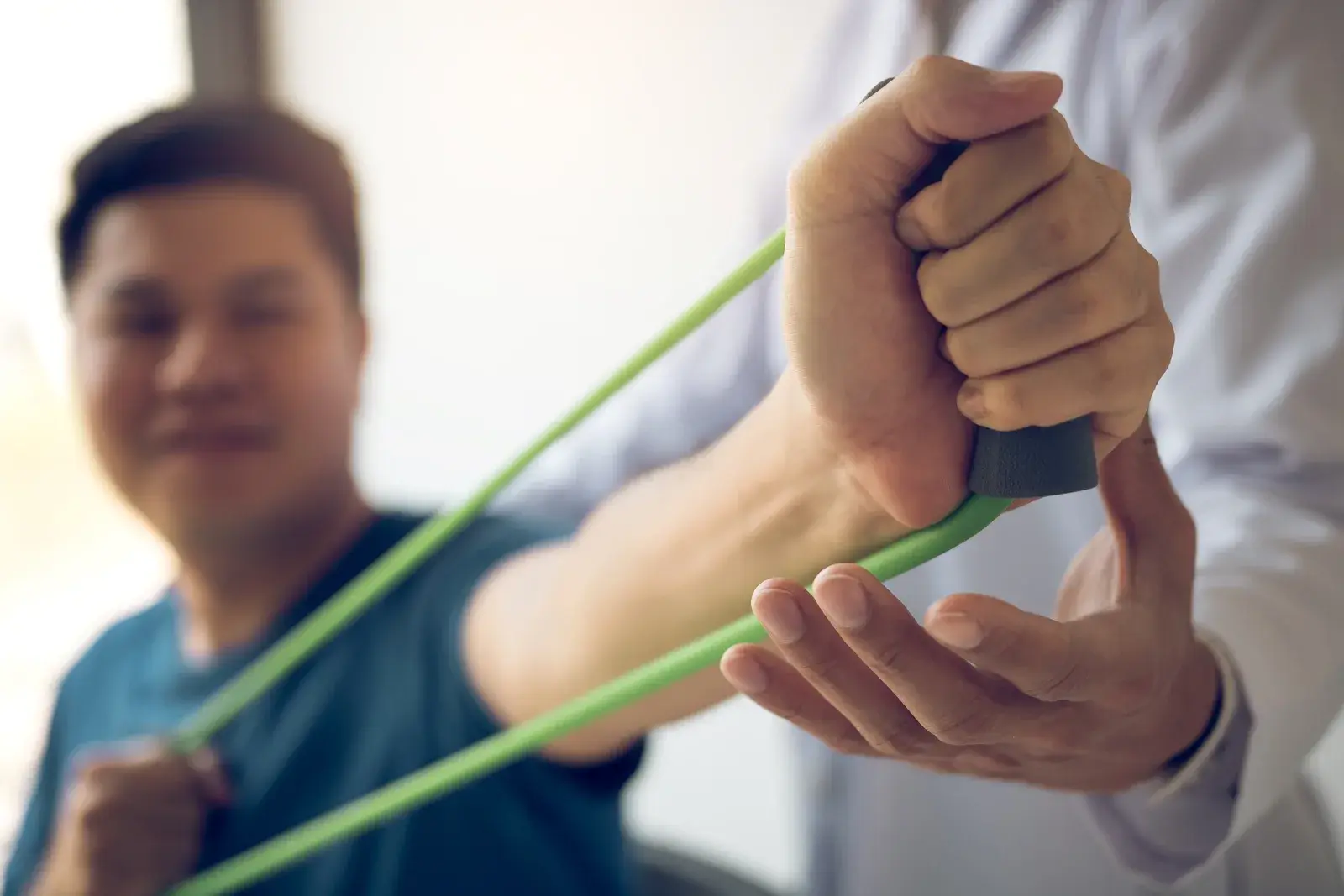 Rotator cuff injuryProgressive loading for cuff tendinopathy and tears, plus protocol-led rehab after surgical repair.
Page reviewed By the Monon Therapy Collective editorial team

Carmel City Center · Carmel, Indiana
Start with a conversation
Tell us what hurts and what you want to get back to. We will tell you honestly whether a therapist in the network is likely a good fit for what you describe, and match you with an independent, licensed therapist who is. Only that therapist can assess what will help.
885 Monon Green Blvd, Suite 120, Carmel, IN 46032 · Monday to Friday 5 AM to 9 PM · Saturday and Sunday 7 AM to 4 PM