Hip labral tear physical therapy in Carmel, Indiana
A hip labral tear is damage to the ring of cartilage (the labrum) that lines the rim of the hip socket, often linked with hip impingement or a shallow socket. Many labral tears are managed first with physical therapy that reduces pinching positions and builds strength and control around the hip, and some people go on to arthroscopic surgery if rehab does not help. In Carmel, the matching team can connect you with a licensed therapist in the network who works with hip and sports injuries.
At a glance
Common signs of hip labral tear
Also called: Acetabular labral tear, Hip labrum tear, Torn hip labrum.
What causes the hip labrum to tear?
Most labral tears develop gradually from repeated pinching or overload of the socket rim, rather than from one injury. Hip impingement, where an extra bony shape on the ball or socket contacts the rim, is the most common cause. A shallow socket (hip dysplasia) is another, because it concentrates load on the labrum.
A sudden twist, fall or dislocation can also tear the labrum. Sports with repeated deep hip bending and pivoting, such as hockey, soccer, golf, dance and martial arts, are frequently involved, as are long distances on hard surfaces.
The labrum acts like a gasket, deepening the socket and sealing joint fluid inside. When it tears, the seal can weaken and the joint can feel less stable. Learn about the shallow-socket cause on our hip dysplasia page.
Laxity matters too. People with very flexible joints, including many dancers, gymnasts and yoga practitioners, can push the hip to the end of its range repeatedly, which loads the labrum at the front of the socket. Age-related wear also plays a part, and labral fraying is often seen in middle age and beyond alongside early cartilage change.
Does a labral tear on MRI always explain hip pain?
No. Labral tears are common on MRI in people with no hip pain at all, so a tear on a scan does not automatically explain your symptoms. The diagnosis rests on your history, the examination and the imaging together.
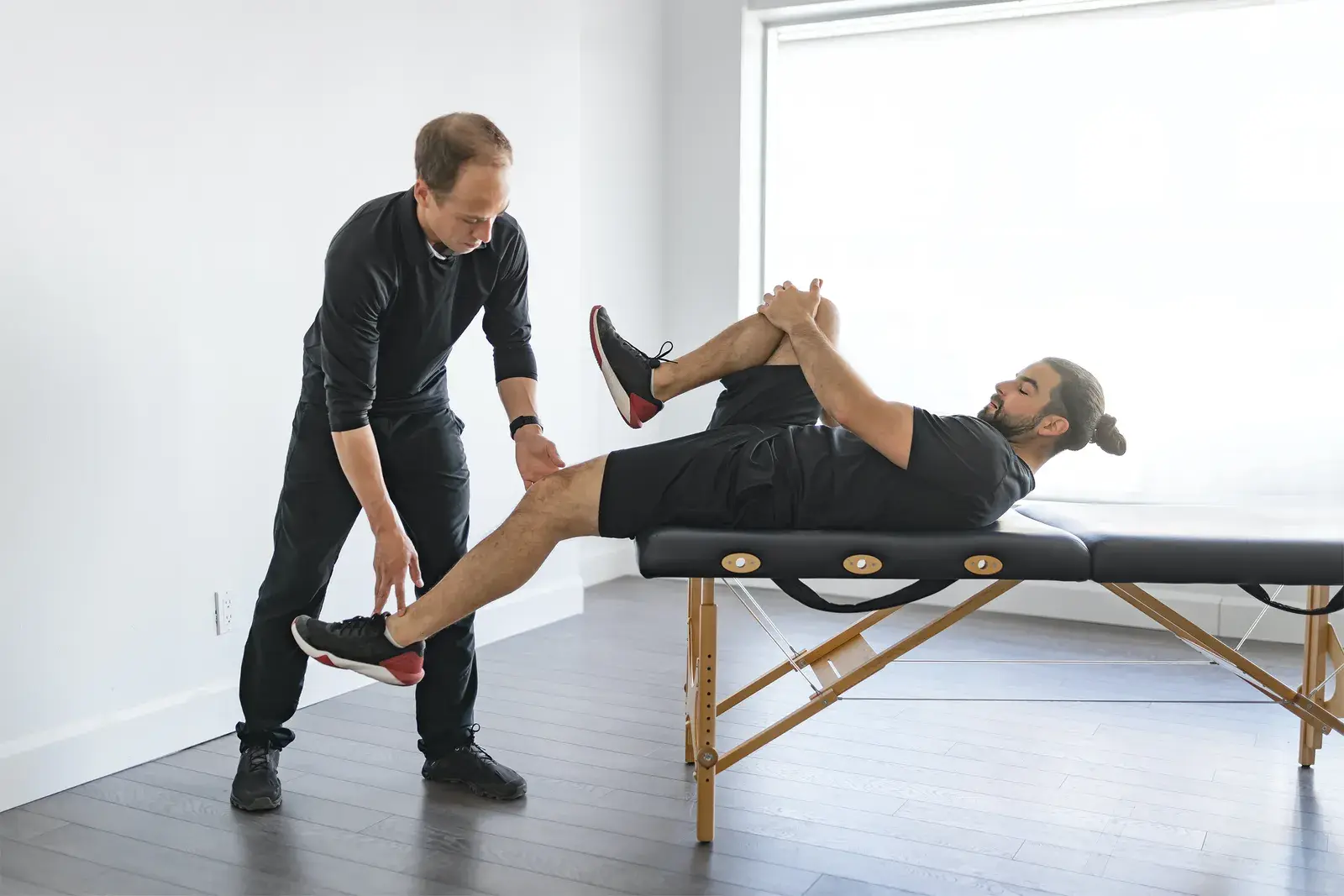
A physical therapist will ask where the pain is, what provokes it and whether the hip clicks, locks or gives way. Tests include FADIR (bending, crossing and turning in the hip), the log roll, and strength and range measures. They will also screen the low back, pubic area and groin muscles.
MR arthrography, an MRI with contrast in the joint ordered by a physician, gives the clearest view of the labrum. Our guide to reading an MRI report explains common terms like fraying and degenerative tear.
Sometimes a physician uses an injection of numbing medicine into the hip joint as a test. If the usual pain eases for a few hours afterwards, it suggests the pain is coming from inside the joint, which helps when deciding whether surgery is worth considering.
What does rehab for a torn hip labrum focus on?
Rehab focuses on reducing pinching positions, improving hip and trunk strength, and restoring smooth movement so the labrum is under less stress. Many programs run for 6 to 12 weeks or more before outcomes are reviewed.
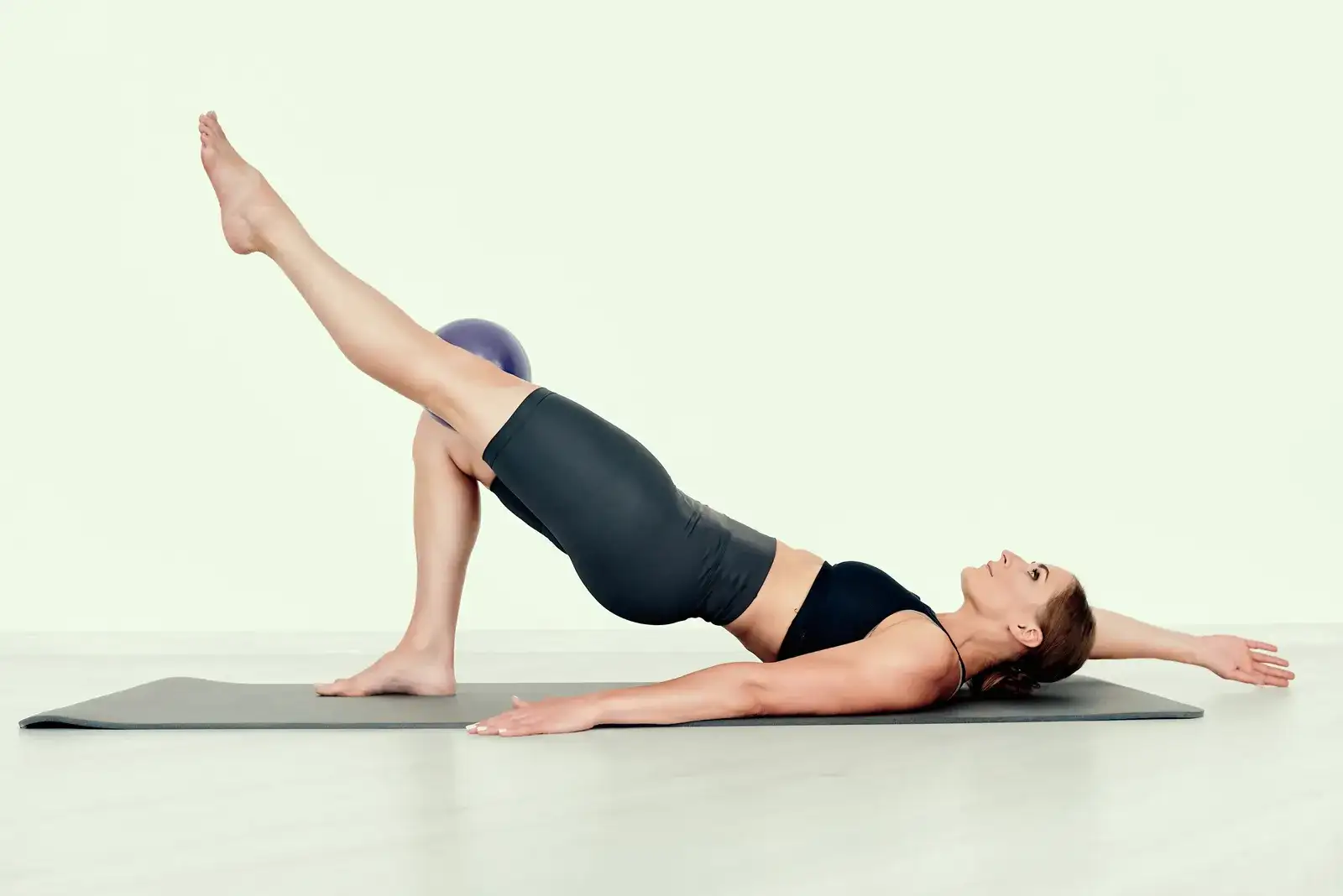
Early phases emphasize pain-free motion, avoiding deep flexion with turning in, and activating deep hip and gluteal muscles. Later phases add strength under load, balance, hopping and sport-specific drills. Your therapist will adjust squats, lunges and running to keep symptoms calm while strength grows.
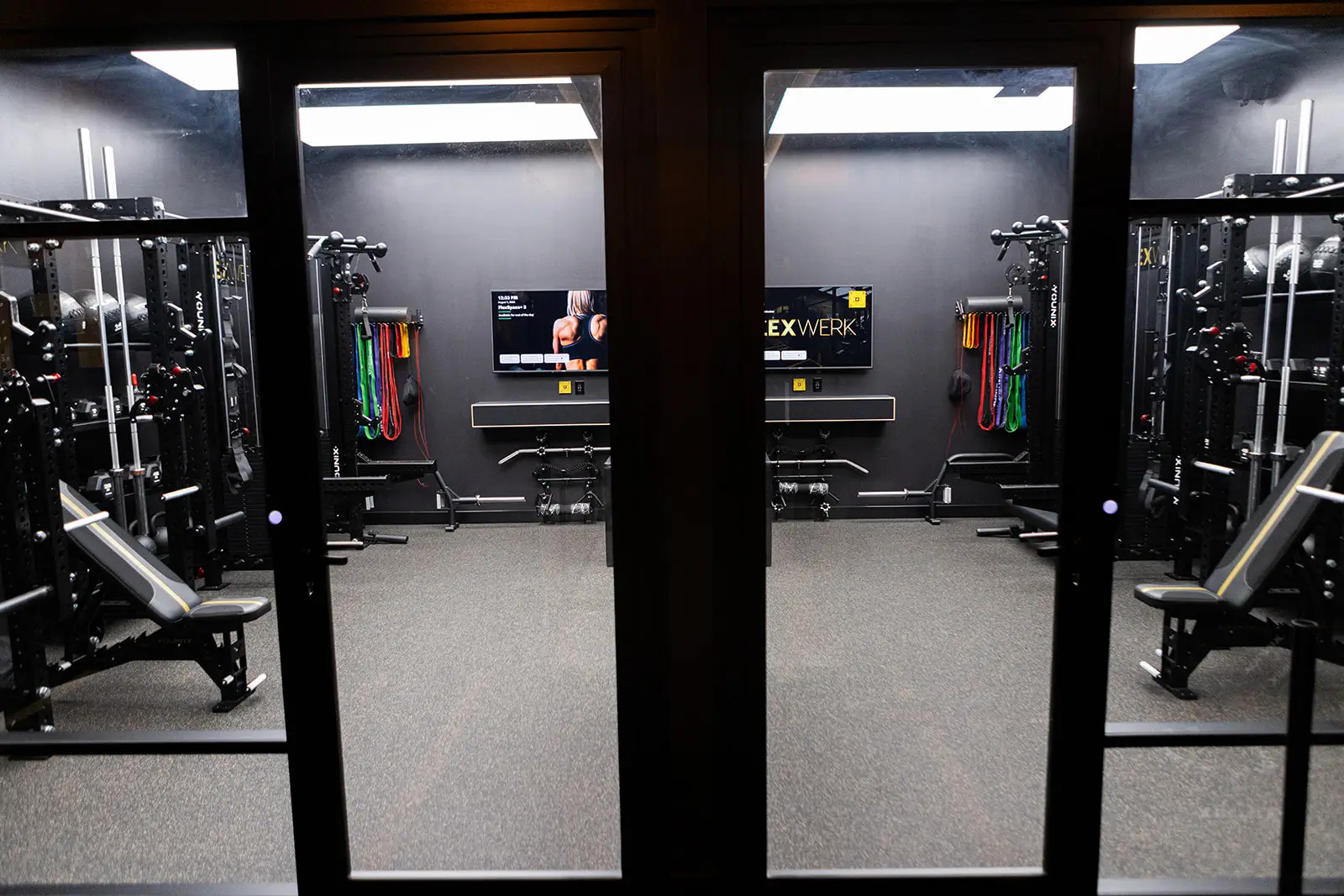
In a private suite, your therapist can test single-leg control, set depth on a box squat, and progress loading with the rack, cable column and dumbbells. Golfers may need rotation work; runners may need cadence changes.
One theme runs through good labral rehab: control of the end of the range. Many people with labral pain move into the deepest bend or the furthest twist without noticing, especially when tired. Practicing a strong, controlled position just short of that point, then gradually adding load and speed, teaches the hip to stay out of the pinch during real activity. Progress is usually reviewed every few weeks using pain during daily tasks, sitting tolerance and single-leg strength.
- Pain-free hip motion and deep hip muscle activation
- Bridges, side planks and controlled step-downs
- Single-leg balance and control drills
- Progressive loading: split squats, deadlifts, carries
- Return-to-run, pivot or swing drills
Will I need hip arthroscopy, or can a labral tear be managed with exercise?
Many people improve with rehab and never need surgery, especially when the tear is degenerative and pain is not mechanical. Surgery is more often considered when there is persistent locking or catching, when bony impingement is clear, or when a good rehab program has not helped after around three months.
Hip arthroscopy can repair or trim the labrum and reshape bone. Recovery usually moves from protection to strength to sport over about three to six months, with full return to sport at the end of that window or later; see hip arthroscopy rehab. Prehab before surgery can help the recovery go more smoothly.
Labral tears in hips with significant arthritis generally do less well with arthroscopy, which is one reason a careful assessment matters before surgery.
If you are unsure, it is reasonable to ask a surgeon what the plan would be if rehab helps partly, what return to sport typically looks like, and how much of the recovery is physical therapy. Our guide on how to talk to your surgeon about physical therapy has a list of useful questions.
What should I avoid while a hip labral tear settles?
Avoid deep squats, deep lunges and long sitting in low seats for now, and take care pivoting on the affected leg. Avoid aggressive stretching into the front of the hip or deep hip flexion stretches, which can pinch the labrum.
Keep walking and cycling at comfortable distances, swim with a gentle kick, and maintain strength in the rest of your body. If you are training for a spring race such as the Carmel Marathon in April or the Indy Mini in May, talk to a therapist about adjusting mileage, and keep long runs on flatter routes rather than hilly loops.
Pay attention to small daily movements as well. Getting out of a car by swinging both legs together, putting on socks with the foot on a stool rather than pulling the knee to your chest, and turning with small steps instead of pivoting on the sore leg all reduce the number of pinches across a day.
For persistent groin pain, the hip assessment questionnaire takes two minutes; the matching team reads it and calls or texts you back. If the pinching pattern sounds familiar, compare with hip impingement.
When to see a physician or go to the ER first
Physical therapy is the right start for most hip labral tear. These symptoms are different and need medical attention before, or instead of, a physical therapy visit:
- A hip that locks and will not move
- Severe hip pain after a fall, collision or dislocation
- Fever with hip pain or a hot, swollen joint
- Groin pain in a runner that worsens with each run (possible stress fracture)
- Numbness or weakness in the leg, or bladder or bowel changes
If you think it is an emergency, call 911.
Two-minute assessment
Get your hip labral tear looked at
Tell us how your hip labral tear started, how long it has been going on and what it is stopping you from doing. The matching team proposes a therapist in the network who focuses on it, and you hear back, usually within one business day.
- No referral needed to start in Indiana (first 42 days)
- We check which therapists work with your plan before you book
- One-on-one care in a private suite at Carmel City Center
How therapists treat it
Kinds of care used for hip labral tear
- Sports physical therapyRehab for active adults that goes past pain relief to the strength, power and movement your sport actually demands.
- Post-surgical rehabilitationProtocol-led rehab after joint replacement, ligament, tendon and spine surgery, in a quiet private room instead of a crowded gym.
- Return-to-sport testingCriteria-based testing of strength, hopping, movement and confidence, so your return to sport rests on evidence, not the calendar.
Questions
Hip labral tear: what people ask
Information on this website is general education, not medical advice, a diagnosis or a treatment plan. Only a licensed clinician who examines you can advise on your condition. If you may be having a medical emergency, call 911.
Something we did not cover? Ask the matching team or ring (888) 353-9975.
Can a hip labral tear heal on its own?
The labrum has a limited blood supply, so tears rarely heal completely. Many people still become pain-free as strength and movement improve.
Should I stretch my hip flexors with a labral tear?
Gentle stretches are usually fine, but deep lunging stretches that push the front of the hip hard can aggravate the labrum. Strengthening the hip flexors is often more helpful.
Is running okay with a labral tear?
Often yes, at reduced volume and pace while symptoms are calm. Hills and sprinting may need to wait.
Why does my hip click?
Clicking can come from the labrum, but also from tendons sliding over bone, which is often harmless. See snapping hip.
Can I keep golfing with a hip labral tear?
Many golfers keep playing with shorter rounds, a cart on hilly courses, and a slightly reduced turn on the lead hip while strength builds. Sharp catching during the swing is a reason to pause and get it reviewed.
How long does physical therapy for a labral tear take?
Many programs run 6 to 12 weeks or more. Your therapist reviews progress regularly and discusses next steps if improvement stalls.
Do I need a referral to start rehab for a labral tear in Indiana?
No referral is needed to begin. Indiana direct access covers up to 42 calendar days, although insurance rules may differ; our referral guide explains how.
Google reviews
What guests say about FlexWerk
These are live Google reviews of FlexWerk at Carmel City Center, the private-suite facility where therapists in the network practise.
Related
Conditions that travel together
 Hip impingementStrength, movement and activity changes for groin pain caused by the shape of the hip joint.
 Hip dysplasiaStability-focused strengthening for a shallow hip socket, plus guidance on activity choices and when to see a hip preservation surgeon.
 Snapping hipHip flexor control, glute strength and movement changes for a hip that clunks or snaps, especially when the snap has started to hurt.
Page reviewed By the Monon Therapy Collective editorial team

Carmel City Center · Carmel, Indiana
Start with a conversation
Tell us what hurts and what you want to get back to. We will tell you honestly whether a therapist in the network is likely a good fit for what you describe, and match you with an independent, licensed therapist who is. Only that therapist can assess what will help.
885 Monon Green Blvd, Suite 120, Carmel, IN 46032 · Monday to Friday 5 AM to 9 PM · Saturday and Sunday 7 AM to 4 PM