
Hip dysplasia physical therapy in Carmel, Indiana
Hip dysplasia in adults means the hip socket is shallower than usual, so the ball is less covered and the labrum, joint capsule and surrounding muscles work harder to keep the joint stable. Physical therapy focuses on strength and control around the hip, smart activity choices and avoiding positions that stress the joint edge, and for some people it is enough to manage symptoms. In Carmel, the physical therapist you are matched with also helps you understand when a surgical opinion is worth getting.
At a glance
Common signs of hip dysplasia
Also called: Hip dysplasia in adults, Developmental dysplasia of the hip, Acetabular dysplasia, Shallow hip socket.
What does a shallow hip socket mean for an adult who was never treated as a baby?
It means the top of your thigh bone is less covered by the pelvis than usual, so the joint relies more on the labrum, the ring of cartilage around the socket, and on the muscles around the hip to stay centered. Many adults with mild dysplasia were never diagnosed in childhood, because the hip worked well until the extra load of sport, pregnancy or simply more years started to show.
It is diagnosed more often in women and often shows up in the teens to forties, with groin pain or a sense that the hip is unreliable. Muscles such as the hip flexors and abductors can become tired and sore from working overtime, which is why outer-hip aching often comes with the deeper groin pain. Dysplasia is also linked with labral tears and with earlier hip osteoarthritis, which is why it is worth understanding properly.
Diagnosis needs X-rays, where a physician measures how much of the ball the socket covers. A physical therapist may suspect it from your history and tests, but cannot confirm it without imaging.
What does a physical therapist look for when a hip may be dysplastic?
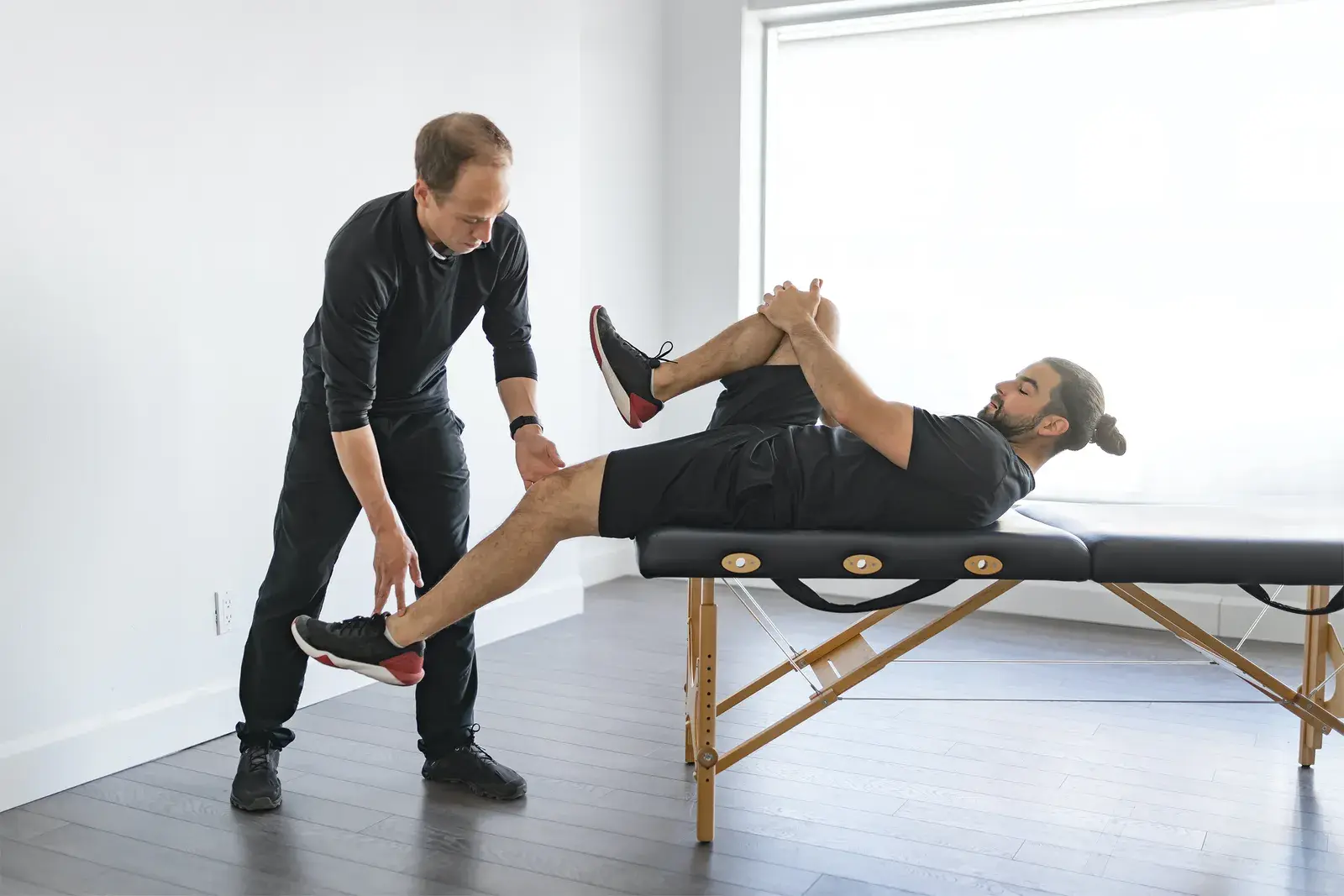
A therapist looks for signs of instability and overworked muscles rather than stiffness. Many people with dysplasia have generous hip range, sometimes along with general joint flexibility, so the exam checks rotation, apprehension when the hip is extended and turned out, and pain when the joint edge is loaded.
Strength testing focuses on the hip abductors, the deep rotators and the hip flexors, and on how the pelvis stays level when you stand on one leg, step down or lunge. The therapist also notes whether you hang into the front of the hip when standing, a common posture that loads the shallow front of the socket.
If dysplasia has not been confirmed, the therapist will suggest you ask a physician about X-rays, especially if you are young with persistent groin pain. If you already have a diagnosis and imaging, bring the report to the first visit. The joint hypermobility physical therapy page is relevant if you are flexible in many joints.
How does physical therapy build stability around a dysplastic hip?
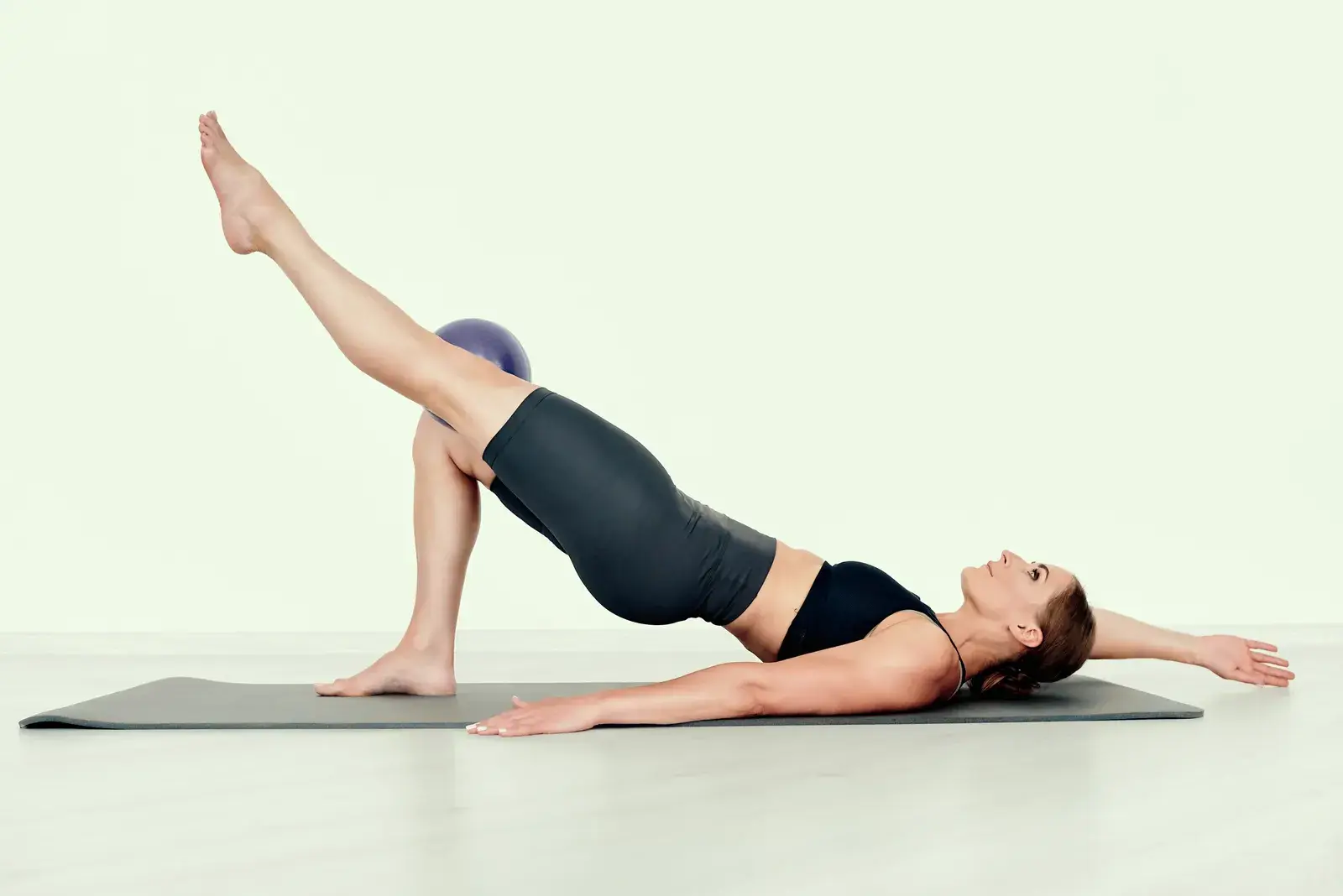
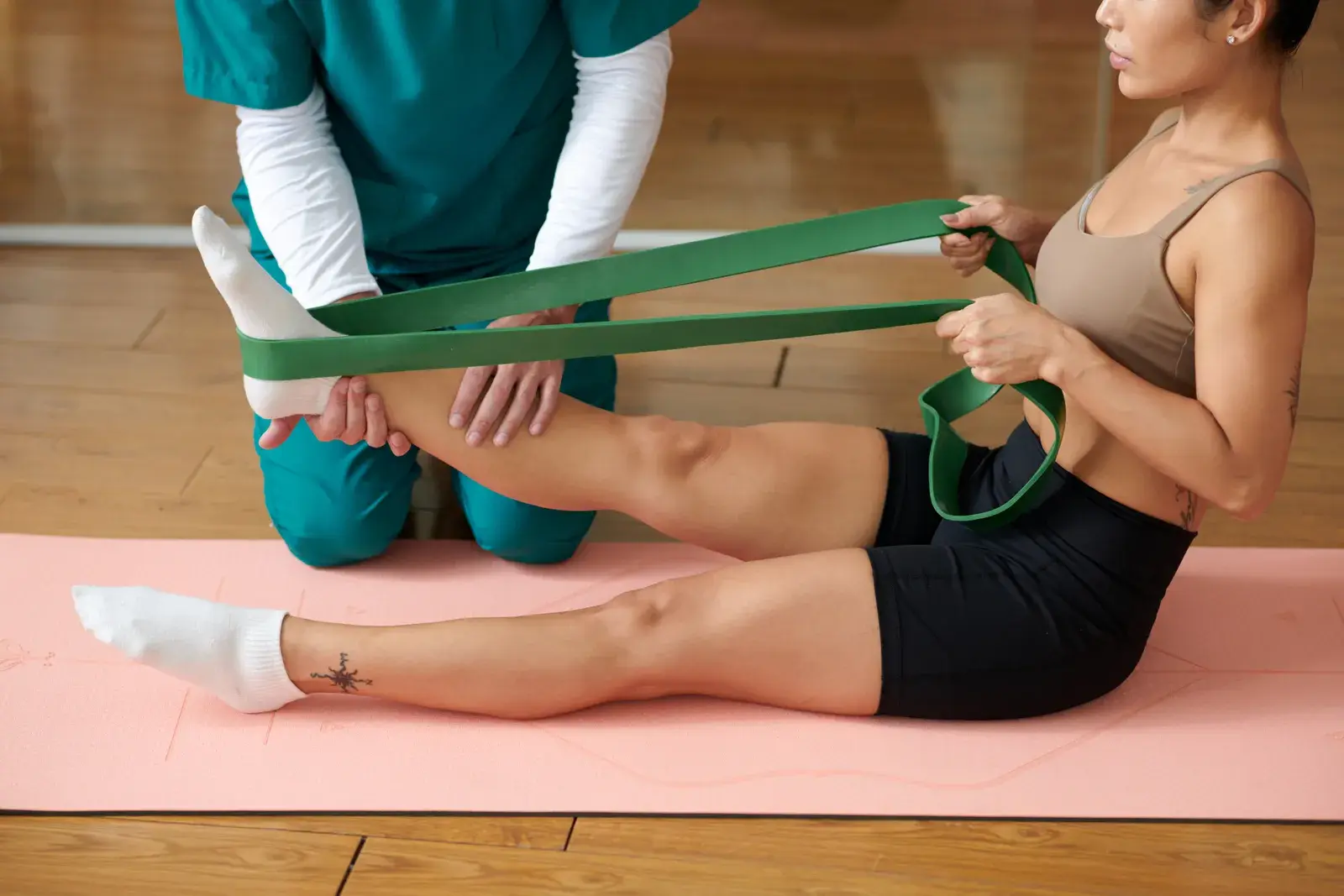
Treatment builds strength and control in the muscles that hold the ball centered in the socket, and reduces time spent in positions that load the joint edge. Early work often uses side planks, bridges and side-lying abduction with careful form, along with core training, and avoids pushing into end-range stretches that a loose hip does not need.
As control improves, the therapist adds single-leg work such as step-downs, split squats and single-leg deadlifts with dumbbells, plus cable exercises for the deep rotators. In a private suite at FlexWerk, a wall screen can be used to show you how your pelvis moves during these drills, which helps with the control piece. Daily habits matter too: standing evenly rather than hanging on one hip, and choosing how deep you squat.
Activity choices are part of the plan. Cycling, swimming and strength training are usually well tolerated, while repeated deep flexion, extreme stretching and high-impact running may need to be adjusted. Your therapist will help you keep doing what you enjoy in a form your hip accepts.
- Hip abductor and deep rotator strengthening
- Side planks and core work for pelvic control
- Single-leg balance and step-down control
- Avoiding forceful end-range stretching
- Activity and posture changes that spare the joint edge
How long should I try rehab for hip dysplasia before seeing a surgeon?
Many people try a structured program for a few months, and some find symptoms become manageable over that time. If pain still limits daily life, a hip preservation surgeon may discuss a periacetabular osteotomy, a procedure that repositions the socket to cover the ball better, which is typically offered to younger adults without significant arthritis.
That decision belongs to you and the surgeon, and your therapist can share strength findings and how you responded to rehab. If surgery goes ahead, rehab afterward is long and staged; the periacetabular osteotomy rehab page explains it, and the hip arthroscopy rehab page covers the scope procedures sometimes done for labral problems.
Getting a surgical opinion early does not commit you to surgery. Some people find it useful to understand their options while they continue strengthening. A second opinion is also reasonable, since hip preservation is a specialized field and approaches vary between surgeons.
Progress on rehab is usually measured by how long you can walk or stand before the hip tires, how confident it feels on stairs and in single-leg positions, and how often it flares. If those are improving, it is a good sign the muscles are taking on more of the work the shallow socket cannot.
What daily habits protect a hip with dysplasia?
Stand evenly on both feet, avoid hanging on one hip, and break up long periods of standing or walking with short rests. Those simple changes reduce the time your hip spends loaded at its weakest edge.
Pick exercise you enjoy that your hip tolerates, such as cycling on the Monon Trail, swimming or a strength program, and introduce running or deep yoga poses cautiously. If groin pain or instability has lasted more than a few weeks, the two-minute assessment lets the matching team suggest a therapist whose focus fits; Indiana allows a physical therapist to evaluate and treat without a referral for up to 42 days, though imaging needs a physician.
Keep a short note of what flares the hip and what settles it. Patterns, such as pain after long Saturday walks around Carmel City Center or after a deep-stretch yoga class, help the therapist set the plan quickly.
- Avoid deep end-range stretches that feel like hanging on the joint
- Use a stool or support during long standing tasks
- Choose lower-impact cardio during flares
- Keep strength work going between visits
When to see a physician or go to the ER first
Physical therapy is the right start for most hip dysplasia. These symptoms are different and need medical attention before, or instead of, a physical therapy visit:
- The hip locks or gives way and you fall
- Severe, sudden groin pain after a twist or fall
- A hot, swollen hip with fever
- Night pain that does not change with position, along with weight loss
- Hip pain in a child or teen with a new limp
If you think it is an emergency, call 911.
Two-minute assessment
Get your hip dysplasia looked at
Tell us how your hip dysplasia started, how long it has been going on and what it is stopping you from doing. The matching team proposes a therapist in the network who focuses on it, and you hear back, usually within one business day.
- No referral needed to start in Indiana (first 42 days)
- We check which therapists work with your plan before you book
- One-on-one care in a private suite at Carmel City Center
How therapists treat it
Kinds of care used for hip dysplasia
- Orthopedic physical therapyExercise-led care for back, neck, shoulder, hip, knee and ankle problems, delivered one-on-one in a private suite.
- Post-surgical rehabilitationProtocol-led rehab after joint replacement, ligament, tendon and spine surgery, in a quiet private room instead of a crowded gym.
- Post-rehab strength trainingThe bridge from discharge to lasting strength: a written handoff from your therapist to a FlexWerk coach in the same building.
Questions
Hip dysplasia: what people ask
Information on this website is general education, not medical advice, a diagnosis or a treatment plan. Only a licensed clinician who examines you can advise on your condition. If you may be having a medical emergency, call 911.
Something we did not cover? Ask the matching team or ring (888) 353-9975.
Can physical therapy fix hip dysplasia?
Physical therapy cannot change the shape of the socket. It can improve strength and control around the hip, and many people find that reduces pain enough to stay active.
Is yoga good for hip dysplasia?
Strength-based yoga can be fine, but deep end-range poses may aggravate a loose, shallow hip. Your therapist can help you adapt the poses you like, for example by limiting how far you sink into pigeon or deep lunges and adding standing balance poses that build hip control.
Should I stop running if I have hip dysplasia?
Not necessarily. Some people run comfortably with strength work and sensible volume, while others do better with cycling or swimming, so it is guided by your symptoms.
Does hip dysplasia always lead to arthritis?
Dysplasia raises the risk of earlier arthritis, but it does not make it certain. Severity, activity and symptoms all play a part. Keeping the surrounding muscles strong and avoiding repeated painful positions are sensible steps, and a surgeon can explain how your particular X-ray measurements affect that outlook.
Can I see a physical therapist without an X-ray?
Yes, you can start without one, but confirming dysplasia needs X-rays ordered by a physician. The MRI before physical therapy answer explains imaging more generally.
Google reviews
What guests say about FlexWerk
These are live Google reviews of FlexWerk at Carmel City Center, the private-suite facility where therapists in the network practise.
Related
Conditions that travel together
 Hip labral tearRehab for a torn hip labrum that focuses on strength, movement control and a realistic view of the MRI.
 Joint hypermobilityStrength, control and pacing for flexible joints that ache, slip or tire easily.
 Hip impingementStrength, movement and activity changes for groin pain caused by the shape of the hip joint.
Page reviewed By the Monon Therapy Collective editorial team

Carmel City Center · Carmel, Indiana
Start with a conversation
Tell us what hurts and what you want to get back to. We will tell you honestly whether a therapist in the network is likely a good fit for what you describe, and match you with an independent, licensed therapist who is. Only that therapist can assess what will help.
885 Monon Green Blvd, Suite 120, Carmel, IN 46032 · Monday to Friday 5 AM to 9 PM · Saturday and Sunday 7 AM to 4 PM