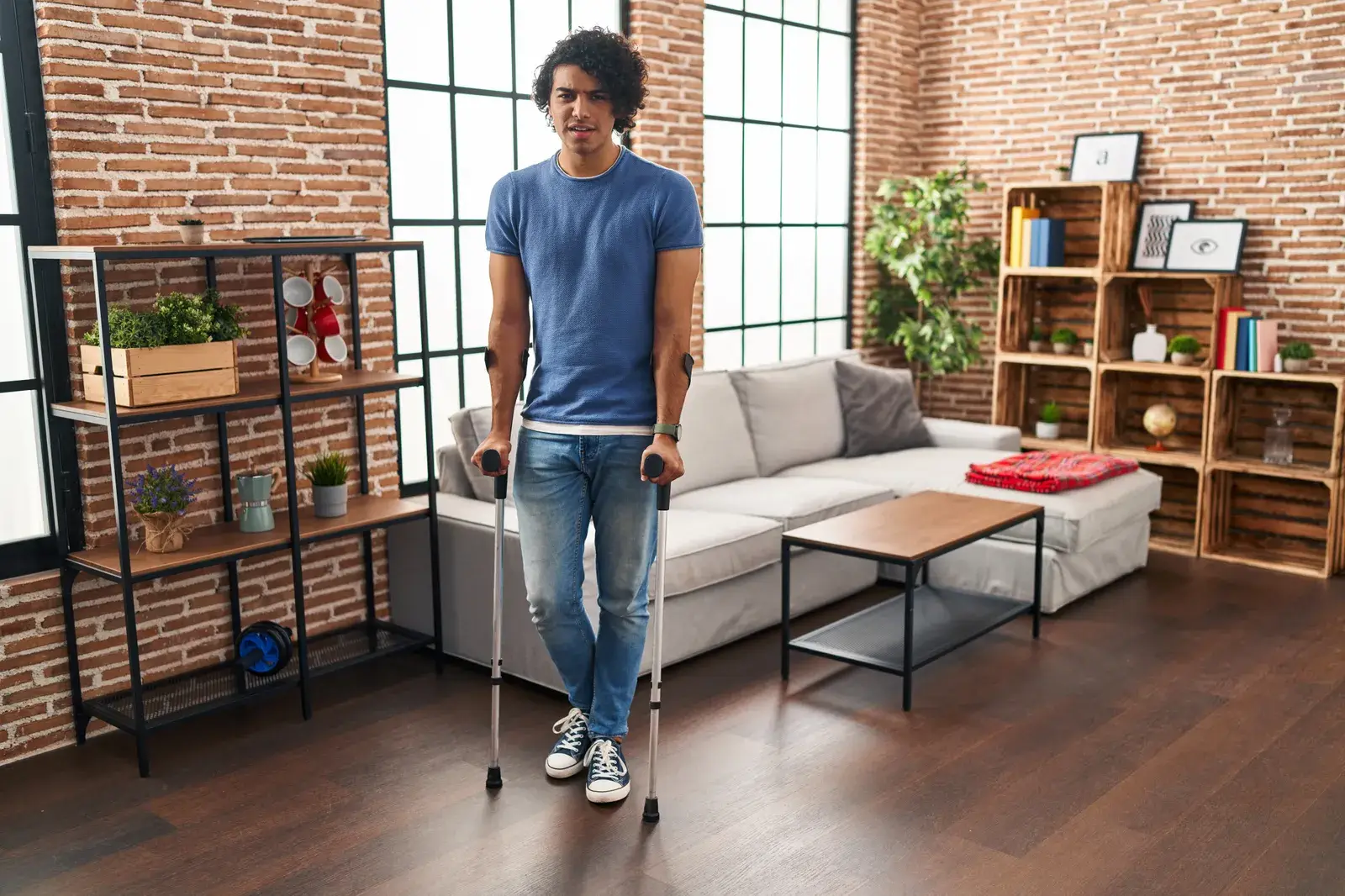
Rehab after a periacetabular osteotomy (PAO) starts with six to eight weeks of protected weight bearing on crutches while the cut pelvic bone heals, then rebuilds hip and trunk strength and a normal walk over the following months. Hospital for Special Surgery describes a return to work or school at about three months and to athletics at six to twelve months. For people in and around Carmel, the matching team can propose an independent, Indiana-licensed therapist prepared for the long, staged rebuild that follows a PAO.
Last reviewed By the Monon Therapy Collective editorial team
- What PAO treats
- Hip dysplasia, a shallow hip socket
- Crutches
- Commonly 6 to 8 weeks
- Work or school
- About 3 months
- Athletics
- About 6 to 12 months
What does a PAO do to the hip socket, and why does that shape rehab?
A PAO repositions the hip socket (acetabulum). Hospital for Special Surgery describes the surgeon making a series of cuts in the pelvis around the socket, rotating it to cover the ball of the femur better, and fixing it in its new position with screws. It treats hip dysplasia, where a shallow socket overloads the rim of the joint and the labrum.
A 2022 Delphi consensus of physical therapists in the International Journal of Sports Physical Therapy describes PAO as the standard surgical treatment for symptomatic dysplasia in people younger than about 35. Because the pelvis has been cut, early rehab is governed by bone healing much like a fracture, which is why protected weight bearing comes first.
Many people having a PAO are young and active, and some have had hip pain for years. The hip dysplasia physical therapy page explains the condition and the non-surgical options people usually try first.
How much weight can I put through the leg after periacetabular osteotomy?
Usually only a small amount at first. A 2025 systematic review in the Journal of Orthopaedic Surgery and Research found most studies recommended partial weight bearing from the first days after surgery, typically lasting six to eight weeks, though the exact terms varied: toe-touch, touch-down, flat-foot or protected weight bearing.
The same review noted that delayed weight bearing was linked with fewer pelvic stress fractures than immediate full loading, which is why surgeons are cautious. Your surgeon’s instruction is the rule, and your therapist teaches what it feels like, often using a scale.
Expect to use crutches for stairs, with the good leg leading up and the operated leg with the crutches leading down. A raised toilet seat, a firm chair and a shower chair make the first weeks more manageable.
Prehab before a PAO is worth asking about, because the surgery is planned well ahead. Building upper-body strength for crutches, practising the protected weight on a scale and learning the first exercises before the operation tends to make the first weeks at home calmer.
What are the usual stages of recovery after a PAO?
Recovery after a PAO moves from protected walking to normal walking, then strength, then sport. HSS describes a hospital stay of two to four days, crutches for six to eight weeks, work or school around three months and athletics at six to twelve months. The table shows how rehab typically fits around those milestones.
| Time after surgery | Main goals | Typical milestones |
|---|---|---|
| 0 to 2 weeks | Safe transfers and crutch walking, protect the pelvis | Home with crutches, gentle ankle and thigh exercises |
| 2 to 8 weeks | Gentle hip motion within limits, maintain the rest of the body | Stationary bike if allowed, upper-body work |
| 8 to 12 weeks | Wean off crutches, restore a normal walk | Walking without a limp, bridges, side-lying hip work |
| 3 to 6 months | Rebuild hip and trunk strength, endurance | Step-ups, split squats, longer walks |
| 6 to 12 months | Running and sport if cleared | Running criteria met, sport drills, surgeon clearance |
Why are hip flexor and abductor strength slow to return after PAO?
The muscles around the front and side of the hip are close to where the surgeon works and are weakened by weeks of protected walking. The hip flexors, which lift the thigh, are often sore and weak early, and the abductors on the side of the hip, which keep the pelvis level, commonly lag behind for months.
Weak abductors show up as a limp or a side lean when walking, and they matter for running and single-leg sports. Therapists usually progress from lying-down exercises to standing and single-leg work, with heavier loads as the bone allows. The clamshell and monster walk exercise pages show common middle-stage options, though your therapist chooses the timing.
Irritated hip flexors are common if straight-leg raises are pushed too early. If lifting the leg causes a sharp pinch at the front of the hip, tell your therapist; the plan can shift to exercises that strengthen without provoking it.
Swimming and deep-water running are often added in the middle months, once wounds have healed and your surgeon agrees, because they let you train hard without heavy impact through the pelvis.
When can I run, dance or play sport again after a periacetabular osteotomy?
Running and sport usually return between six and twelve months, once the bone has healed, walking is normal and strength tests are close to the other side. The 2022 consensus included objective criteria for straight-line running and full sport participation rather than relying on dates alone.
Dancers, soccer players and runners, including people who were training for the Carmel Marathon or the Indy Mini, often need the longest runway because their sports load the hip in deep ranges or repetitive impact. Your therapist can plan the later months around a target event while the surgeon has the final word on clearance.
If the other hip also has dysplasia, HSS notes that surgeries on both sides are usually spaced four to six months apart, which affects how you plan the return.
Students often time a PAO for the summer break, and HSS describes a return to school at about three months. If you are planning around a semester, tell your therapist early, so the walking and stair goals match what campus life will demand.
Who decides PAO restrictions, and how do I arrange rehab near Carmel?
Your surgeon decides weight bearing, hip motion limits, when X-rays are repeated and the timing of sport. Your therapist works inside those limits and reports progress back. A copy of the PAO protocol and the operative note helps your therapist plan from day one.
Complete the after-surgery questionnaire with the date of surgery, your surgeon and your goals. A person on the matching team proposes an independent therapist in the network, and the garage at Carmel City Center is a short walk from the suites, which matters while you are on crutches.
Contact your surgeon promptly after a PAO if
- You develop calf pain, swelling or warmth in either leg
- Chest pain or sudden shortness of breath: call 911
- New numbness or weakness in the thigh, leg or foot
- Sudden sharp groin or buttock pain with walking after weeks of steady progress
- The incision is red, hot, swollen or draining, or you have a fever
If you think it is an emergency, call 911.
