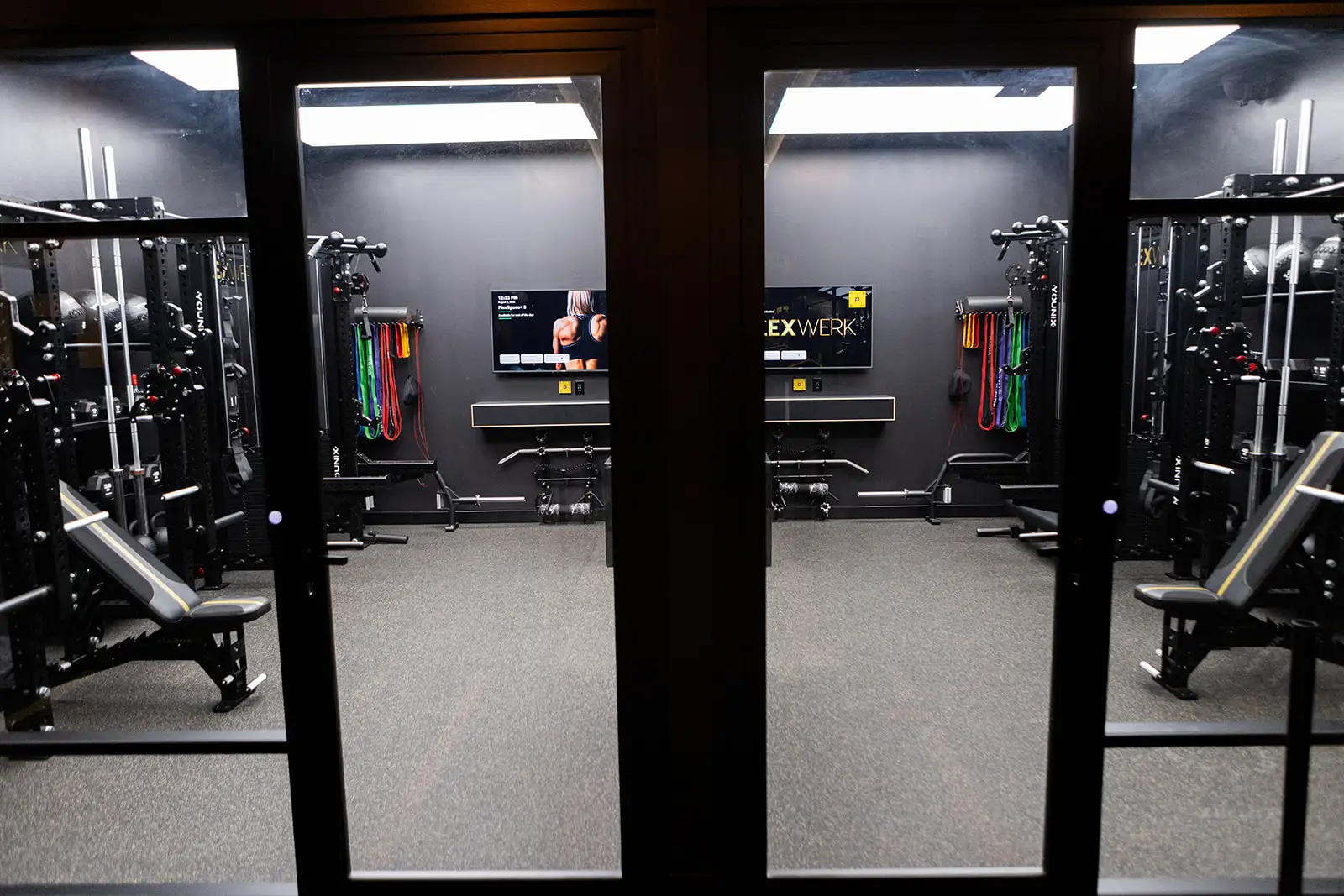
Snapping hip physical therapy in Carmel, Indiana
Snapping hip is a clunk or snap felt or heard as a tendon slides over a bony point, most often the iliopsoas at the front of the hip or the IT band at the side. A painless snap usually needs no treatment, but a painful one often responds to physical therapy aimed at hip flexor control, glute strength and changing the movements that trigger it. In Carmel, the physical therapist you are matched with works out which type you have before planning care.
At a glance
Common signs of snapping hip
Also called: Snapping hip syndrome, Coxa saltans, Dancer’s hip, Iliopsoas snapping.
Is the snap at the front of my hip or the side, and why does that matter?
Where the snap happens tells you which tendon is involved, and that shapes the treatment. A deep clunk at the front of the hip, often when the leg is lowered from a bent and turned-out position, is usually the iliopsoas tendon flicking over the pelvis, called internal snapping. A snap on the outside of the hip that you can sometimes see is usually the IT band or gluteal tissue sliding over the greater trochanter, called external snapping. OrthoInfo, the patient site of the American Academy of Orthopaedic Surgeons, describes that outer site as the most common one, and notes that dancers and young athletes are especially prone to snapping hip.
A third type, intra-articular snapping, comes from inside the joint, such as a labral tear or a loose fragment, and it tends to feel more like catching or locking with sharp pain. That pattern is covered on the hip labral tear physical therapy page and often needs a physician’s input.
Snapping is common in dancers, which is why it is sometimes called dancer’s hip, and also in runners, hurdlers, soccer players and people doing a lot of core work with leg lowers. Dance students rehearsing for performances at the Center for the Performing Arts in Carmel City Center are exactly the group who meet it.
How does a physical therapist work out which tendon is snapping?
A therapist recreates the snap under observation and feels for where it occurs. For the front of the hip, you may lie on your back and move the leg from a bent, turned-out position down to straight while the therapist places a hand over the groin; pressing there sometimes blocks the snap, which supports an iliopsoas source.
For the side, the therapist watches and feels the outside of the hip as you walk, step up or rotate while standing, and checks the IT band and glutes for tightness and tenderness. Hip joint tests look for the pinching and catching that suggest an intra-articular problem instead, and the back is screened if pain spreads.
Strength testing usually follows, because snapping often appears alongside weak or poorly controlled hip flexors and glutes. Dynamic ultrasound can show the tendon moving in real time if the source is unclear, and a physician orders it.
What exercises help a painful snapping hip calm down?
Exercises that improve control of the hip flexors through the snapping range, and strength in the glutes and deep hip rotators, are the foundation. The aim is to move the leg through the problem zone smoothly and under control rather than letting it drop and clunk.
For internal snapping, a therapist may start with standing hip flexor holds and slow, controlled leg lowering in a range just short of the snap, then gradually extend the range. Glute work such as side-lying lifts, monster walks and single-leg balance builds the support around the joint. For external snapping, attention shifts to gluteal strength, the way the pelvis drops when you stand on one leg, and how you run.
Gentle stretching of the hip flexors or IT band region can be added if it feels comfortable, though stretching alone rarely solves it. Dancers often need technique changes too, such as how they turn out from the hip and lower from a développé, which a therapist can work on with you in a private suite.
- Controlled hip flexor holds in standing and lying
- Slow leg lowering just short of the snap, then through it
- Glute and deep rotator strengthening
- Single-leg balance and pelvic control drills
- Running or dance technique adjustments
How long does it take for a painful hip snap to quiet down?
Many people find a painful snap settles over a couple of months of consistent control and strength work, though the snap itself may not disappear completely. A painless snap that remains is generally not a concern.
If pain persists despite a good course of rehab, a physician may consider an injection into the tendon sheath, and in a small number of stubborn cases a surgeon may discuss releasing or lengthening the tendon. Those decisions come from the medical side, and your therapist will share what they have seen to help. The hip pain physical therapy page gives wider context on hip problems that overlap with this one.
Pay attention to the trend over weeks rather than any single day. A snap that happens less often, hurts less when it does, or only appears late in a long session is moving in the right direction.
Should I stop the movement that makes my hip snap?
You do not have to avoid every snap, but cutting down on deliberately making it happen, and on the specific movements that trigger a painful one, usually helps. Many people habitually click the hip because it feels satisfying, which keeps the tissue irritated.
Temporarily swap double leg lowers and full sit-ups for core exercises that do not provoke the snap, shorten your running stride, and, for dancers, reduce repeated extensions on the sore side. If the snap now hurts or limits training, the hip questionnaire takes about two minutes, and the matching team will propose a therapist; if you dance, the physical therapy for dancers page covers related injuries.
Notice when the snap shows up. If it appears mostly late in a long run, a tired glute may be letting the pelvis drop, and strength work will matter more than stretching. If it appears whenever you lower the leg from a high position, control of the hip flexor through that arc is the target. Sharing those observations at a first visit gives the therapist a head start.
- Stop clicking the hip on purpose
- Replace leg lowers with dead bugs or planks for now
- Avoid running on steeply cambered roads
- Warm up the hips before class, practice or a run, with leg swings and light glute activation
When to see a physician or go to the ER first
Physical therapy is the right start for most snapping hip. These symptoms are different and need medical attention before, or instead of, a physical therapy visit:
- The hip locks or gives way and you cannot bear weight
- Sharp groin pain with catching after a twist or fall
- A hot, swollen hip with fever
- Snapping with numbness or weakness in the leg
- Persistent night pain that does not ease with rest
If you think it is an emergency, call 911.
Two-minute assessment
Get your snapping hip looked at
Tell us how your snapping hip started, how long it has been going on and what it is stopping you from doing. The matching team proposes a therapist in the network who focuses on it, and you hear back, usually within one business day.
- No referral needed to start in Indiana (first 42 days)
- We check which therapists work with your plan before you book
- One-on-one care in a private suite at Carmel City Center
How therapists treat it
Kinds of care used for snapping hip
- Orthopedic physical therapyExercise-led care for back, neck, shoulder, hip, knee and ankle problems, delivered one-on-one in a private suite.
- Sports physical therapyRehab for active adults that goes past pain relief to the strength, power and movement your sport actually demands.
- Running injury physical therapyFor Monon Trail regulars and race trainees: load management, strength and gait observation that keep you running while you heal.
Questions
Snapping hip: what people ask
Information on this website is general education, not medical advice, a diagnosis or a treatment plan. Only a licensed clinician who examines you can advise on your condition. If you may be having a medical emergency, call 911.
Something we did not cover? Ask the matching team or ring (888) 353-9975.
Is a snapping hip dangerous?
A painless snap is usually harmless and common, and many people have one for years without trouble. A snap with pain, catching or locking deserves an assessment, because it can point to an irritated tendon or a problem inside the joint.
Why does my hip snap when I do sit-ups or leg raises?
Those movements move the hip flexor tendon quickly across the front of the pelvis. Lowering slowly and under control, or choosing other core exercises, often reduces it.
Will stretching stop my hip from snapping?
Stretching alone rarely stops it. Control and strength work through the snapping range tends to be more useful, with stretching as an add-on if it feels good.
Do I need an MRI for a snapping hip?
Usually not to start physical therapy. Imaging is considered if the snap comes with catching, locking or pain that is not improving, and the MRI before physical therapy answer explains when it helps.
Can I keep dancing or running while I work on it?
Usually yes, with some adjustments to the movements that provoke a painful snap. Your therapist can help you plan rehearsals or runs around the rehab. Reducing the number of repetitions of the provoking movement, rather than stopping the whole activity, is usually enough to let the tissue settle.
Google reviews
What guests say about FlexWerk
These are live Google reviews of FlexWerk at Carmel City Center, the private-suite facility where therapists in the network practise.
Related
Conditions that travel together
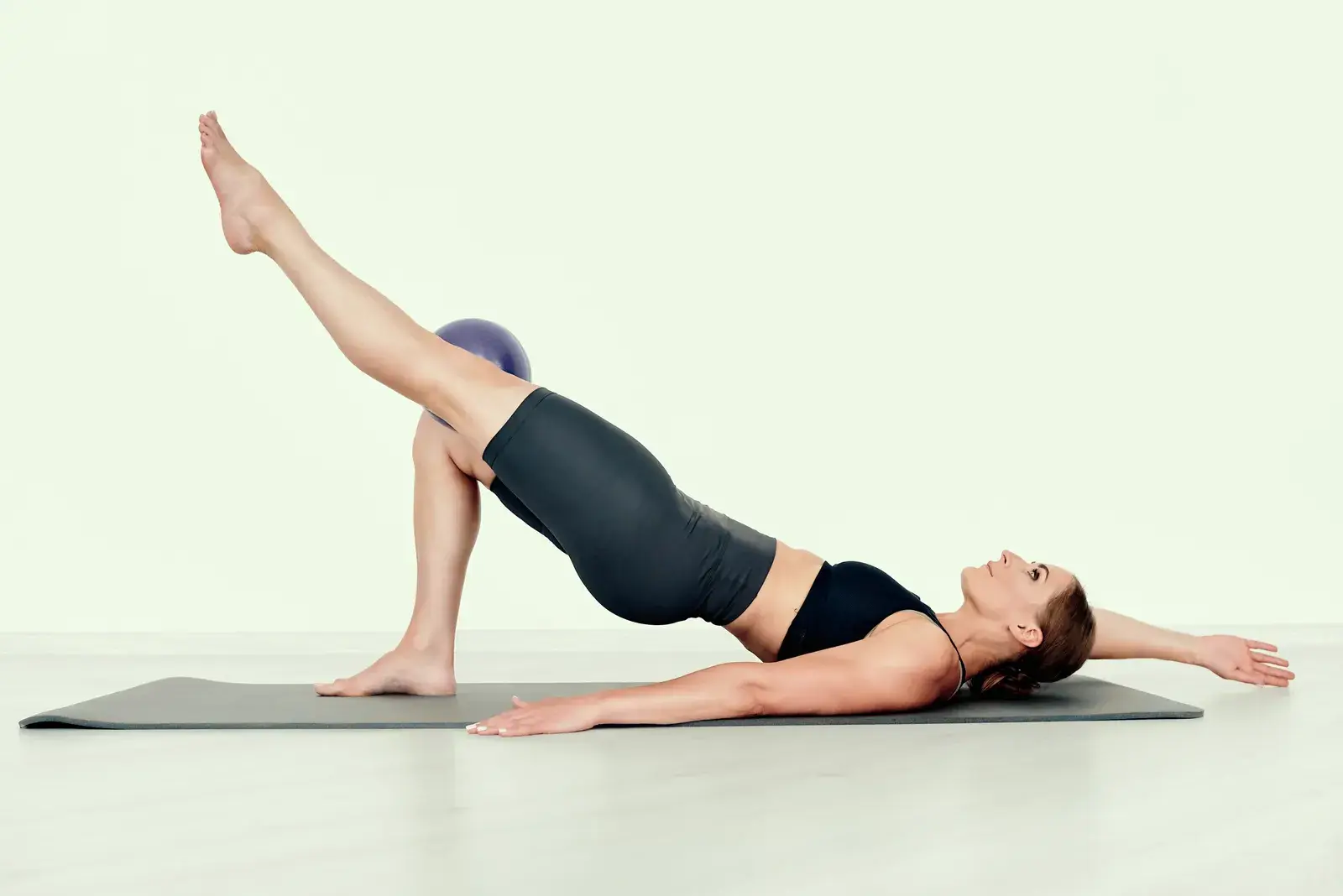 Hip labral tearRehab for a torn hip labrum that focuses on strength, movement control and a realistic view of the MRI.
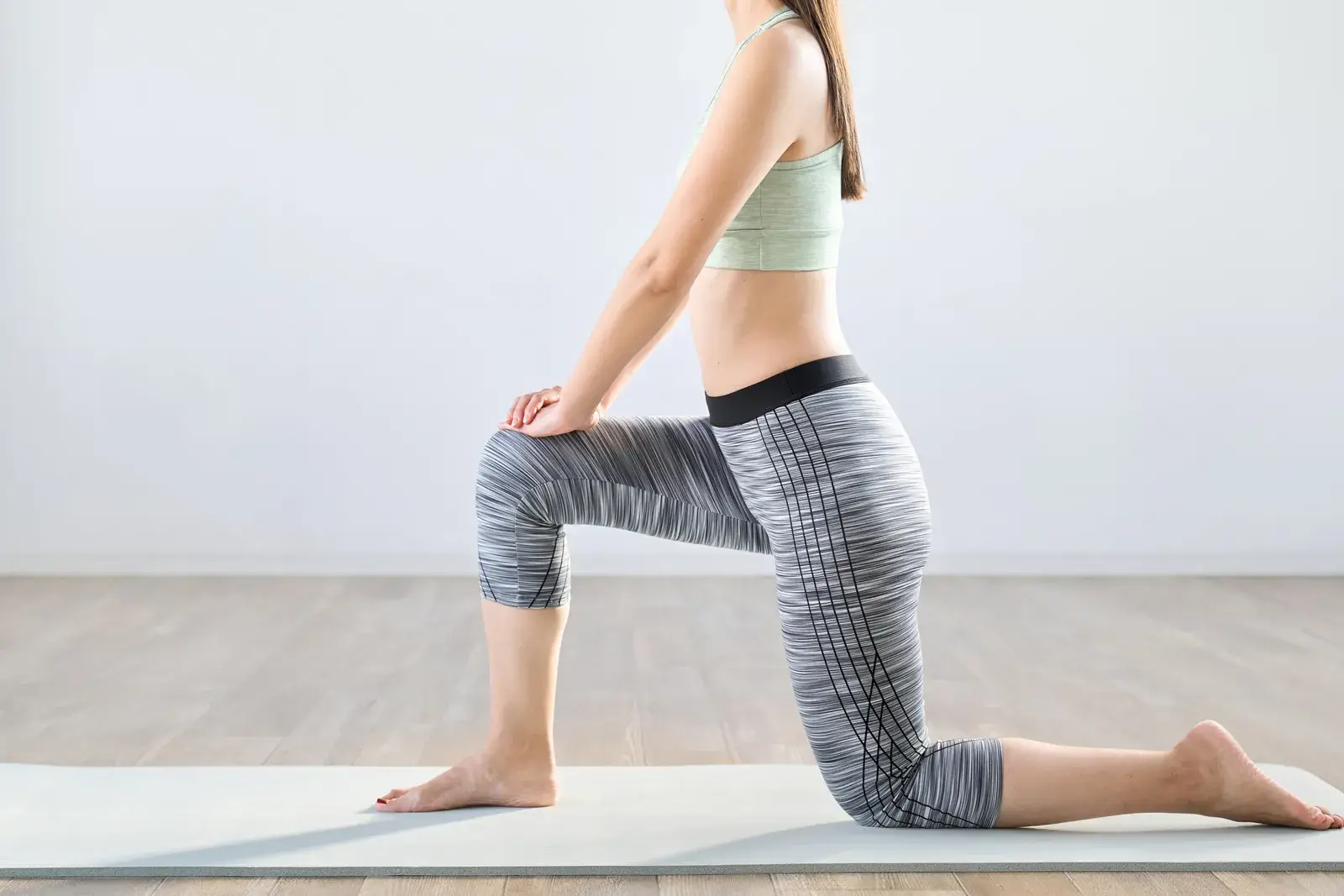 Hip flexor strainGraded rehab for a pulled muscle at the front of the hip, from gentle holds back to sprinting, kicking and hill running.
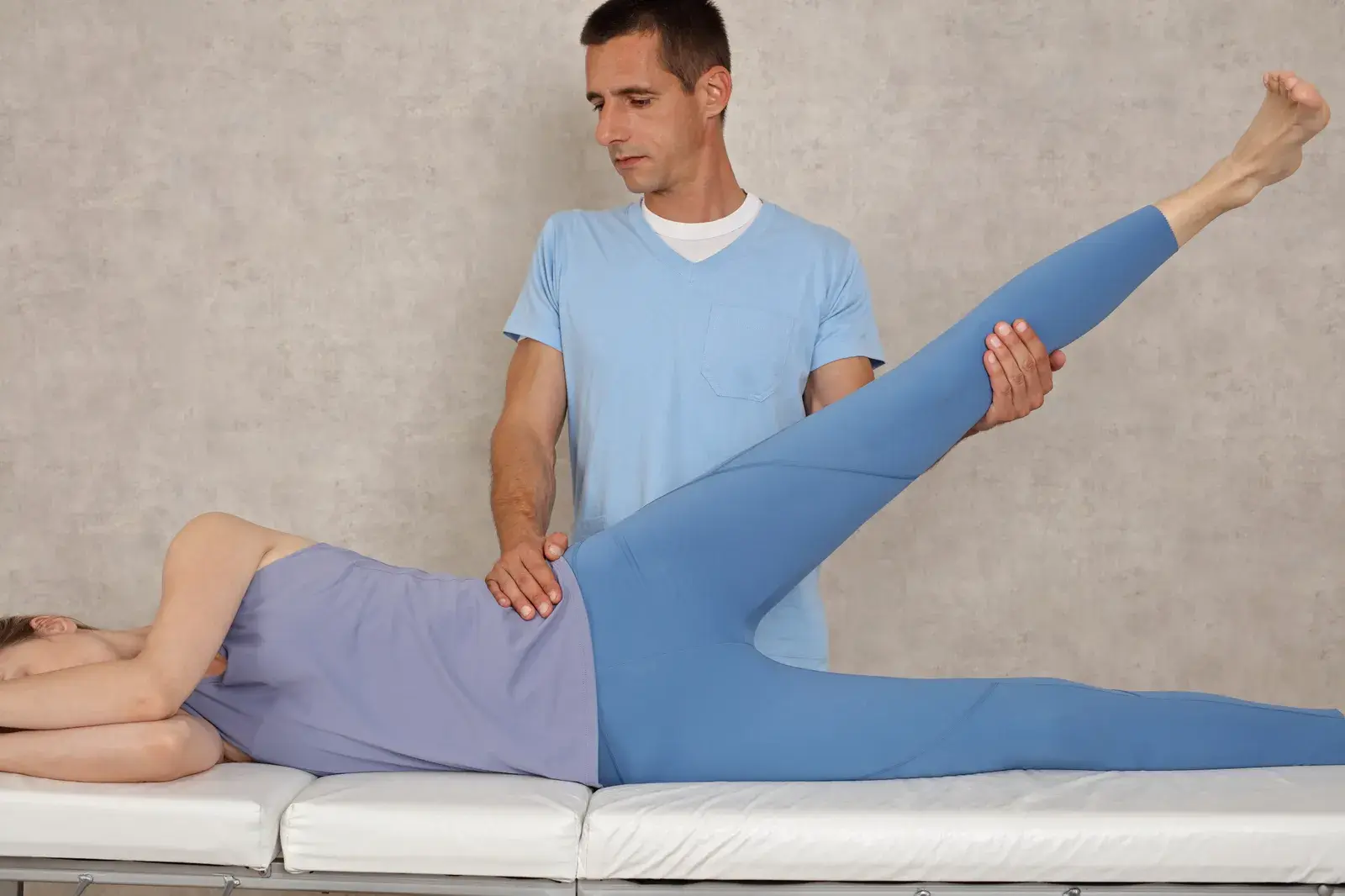 Hip bursitisOuter hip pain treated with tendon-friendly habits and progressive gluteal strengthening.
Page reviewed By the Monon Therapy Collective editorial team

Carmel City Center · Carmel, Indiana
Start with a conversation
Tell us what hurts and what you want to get back to. We will tell you honestly whether a therapist in the network is likely a good fit for what you describe, and match you with an independent, licensed therapist who is. Only that therapist can assess what will help.
885 Monon Green Blvd, Suite 120, Carmel, IN 46032 · Monday to Friday 5 AM to 9 PM · Saturday and Sunday 7 AM to 4 PM