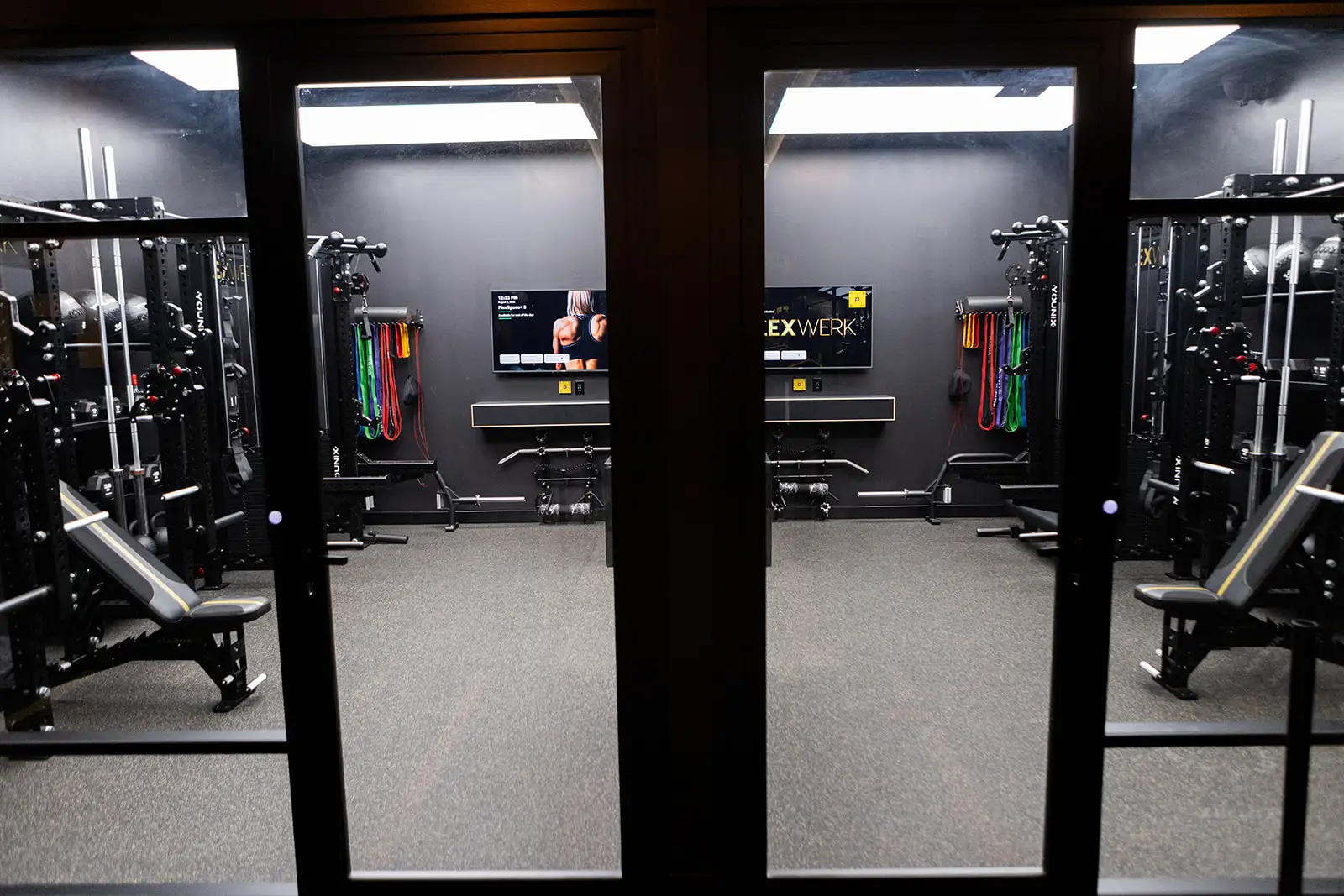
Repetitive strain injury physical therapy in Carmel, Indiana
Repetitive strain injury is an umbrella term for pain in the hands, wrists, forearms, elbows, neck or shoulders that builds from the same movement repeated for hours, such as typing, using a mouse, operating tools or playing an instrument. Physical therapy works out which tissue is involved, builds its tolerance with targeted strengthening, adds nerve or mobility work where needed and changes how the work itself is set up. In Carmel, a licensed physical therapist can start without a referral and help you stay at work while things settle.
At a glance
Common signs of repetitive strain injury
Also called: RSI, Cumulative trauma disorder, Overuse injury of the upper limb, Work-related musculoskeletal disorder.
What actually goes wrong in a repetitive strain injury?
In a repetitive strain injury, a tissue such as a tendon, nerve or muscle is loaded the same way, many times, without enough variety or recovery, and gradually becomes sensitive and painful. It is less a single injury than a mismatch between what the work asks for and what the tissue can tolerate.
Because RSI is an umbrella term, the specific problem varies. Common culprits include tendon pain on the outside of the elbow, irritated wrist tendons on the thumb side, compression of the median nerve at the wrist and tight, overworked neck and shoulder muscles. Each one behaves differently and needs a slightly different plan. The carpal tunnel syndrome and wrist tendinitis pages cover two of them in detail.
Risk rises with long periods of the same task, awkward or sustained wrist positions, forceful gripping, vibration from tools, cold environments and deadlines that squeeze out breaks. OSHA lists repetitive tasks, awkward postures, heavy lifting and forceful pushing and pulling among the workplace risk factors for musculoskeletal disorders.
How does a physical therapist work out which tissue is behind repetitive strain?
A physical therapist works out the tissue by asking detailed questions about your work and symptoms, then testing tendons, nerves, joints and muscles one by one. Pain that sits at a specific spot and worsens with gripping points toward a tendon; tingling in certain fingers points toward a nerve; widespread aching with stiffness often points toward sustained posture and muscle fatigue.
Expect questions about your hours at the keyboard, tools or instrument, how the workstation is arranged, recent changes in workload, breaks, sleep position and hobbies such as gaming, crafts or climbing that load the same tissues. The therapist may ask you to mimic your work posture or bring photos of your setup.
The exam includes grip strength, resisted wrist and finger movement, pressing on tendons, nerve tension tests, and neck and shoulder movement, because neck problems can send symptoms down the arm. If there is significant numbness, muscle wasting or weakness, you may be referred to a physician for nerve testing.
- Grip strength on both sides
- Resisted wrist, finger and thumb movement
- Pressure on tendons and over nerve tunnels
- Nerve tension tests for the arm
- Neck, shoulder and upper back movement
- A look at your workstation or tool setup
What does treatment for repetitive strain include besides a new keyboard?
Besides equipment changes, repetitive strain treatment usually includes progressive strengthening of the tissue that is overloaded, mobility or nerve-gliding exercises where helpful, and changes to how you organize your work, such as varying tasks and taking short, frequent breaks. Equipment alone rarely solves the problem.
Forearm strengthening, like the wrist extensor eccentric exercise, builds tendon capacity so typing or tool use costs less. Nerve-gliding drills, such as the median nerve glide, are used when a nerve is irritated. Neck, shoulder blade and upper back exercises reduce the load that long screen sessions place on the neck. A splint at night may be suggested for some wrist conditions.
Workstation changes are tailored to the findings: keyboard and mouse height, screen position, chair setup, voice dictation for heavy typing days, or different tool grips. Brief microbreaks taken often through the day, during which you change position, usually help more than one long break.
Hands-on techniques, such as soft tissue work on the forearm or mobilization of the neck and upper back, are sometimes used to ease symptoms early on. They can make exercise more comfortable, but on their own they do not change the balance between the work you do and what the tissue can handle.
- Progressive strengthening of the overloaded tissue
- Nerve gliding when a nerve is irritated
- Neck and upper back exercises for screen workers
- Workstation, tool or instrument setup changes
- Microbreaks and task variety through the day
How long does it take to recover from a repetitive strain injury?
Many people with a recent repetitive strain injury notice improvement within 4 to 8 weeks of adjusting their work and starting targeted exercise, while long-standing problems often take three months or more. Tendon problems in particular adapt slowly, and nerve symptoms can take several months to settle fully.
Recovery is faster when the work itself changes. If the same load continues unchanged, exercise has less room to help. That is why your therapist may suggest talking with your employer about breaks, task rotation or equipment, and may provide a note describing temporary work adjustments where that is appropriate.
If symptoms keep worsening, if numbness becomes constant, or if grip weakness develops, a physician may recommend further testing, injections or, in some cases, surgery. Your therapist should flag these signs early rather than waiting, and can share findings with your physician if you would like them to.
Once symptoms settle, keeping some of the strengthening going, perhaps twice a week, and holding on to the new work habits makes a relapse less likely. Busy periods, such as quarter-end deadlines, a big renovation job or concert season, are when old symptoms often return, so planning ahead for those stretches is worthwhile.
What can desk workers, tradespeople and musicians change at work this week?
This week, desk workers can raise the screen to eye level, keep the elbows close to the body with forearms supported, use keyboard shortcuts or dictation to cut mouse clicks, and set a timer for regular microbreaks. The desk ergonomics guide for hybrid workers walks through home and office setups common in Carmel’s office corridor along Meridian Street.
Tradespeople can rotate tasks, use tools with padded or larger handles, keep wrists closer to neutral and warm up hands before cold-weather work. Musicians can split practice into shorter blocks and check posture and instrument setup; the physical therapy for musicians page covers instrument-specific issues.
If symptoms began at work, your employer may have a workers’ compensation process, and the workers’ compensation physical therapy page explains how that system generally works in Indiana. To get started, complete the physical therapy questionnaire, and the matching team will get back to you about a therapist whose focus fits.
When to see a physician or go to the ER first
Physical therapy is the right start for most repetitive strain injury. These symptoms are different and need medical attention before, or instead of, a physical therapy visit:
- Constant numbness in the hand or fingers
- Visible wasting of the muscles at the base of the thumb
- Weakness that makes you drop things often
- Numbness or weakness in both hands with balance problems
- A hot, swollen wrist or hand with fever
If you think it is an emergency, call 911.
Two-minute assessment
Get your repetitive strain injury looked at
Tell us how your repetitive strain injury started, how long it has been going on and what it is stopping you from doing. The matching team proposes a therapist in the network who focuses on it, and you hear back, usually within one business day.
- No referral needed to start in Indiana (first 42 days)
- We check which therapists work with your plan before you book
- One-on-one care in a private suite at Carmel City Center
How therapists treat it
Kinds of care used for repetitive strain injury
- Orthopedic physical therapyExercise-led care for back, neck, shoulder, hip, knee and ankle problems, delivered one-on-one in a private suite.
- Work injury physical therapyJob-specific rehab after an on-the-job injury, planned around the real lifting, standing or desk demands you need to return to.
- Hand therapyRehab for the hand, wrist and elbow after fractures, tendon repairs and nerve problems, from a clinician with hand-specific training.
Questions
Repetitive strain injury: what people ask
Information on this website is general education, not medical advice, a diagnosis or a treatment plan. Only a licensed clinician who examines you can advise on your condition. If you may be having a medical emergency, call 911.
Something we did not cover? Ask the matching team or ring (888) 353-9975.
Is repetitive strain injury the same as carpal tunnel syndrome?
Carpal tunnel syndrome is one specific condition that can come from repetitive work. RSI is a broader term covering tendon, nerve and muscle problems from repeated tasks.
Should I wear a wrist brace for RSI?
A brace can help some wrist problems, especially at night. Wearing one all day may weaken muscles, so it tends to help most as part of a plan rather than on its own.
Will a new ergonomic keyboard fix my RSI?
It may help, but rarely on its own. Strengthening, varying tasks and taking regular microbreaks usually make a bigger difference than any single piece of equipment.
Can I keep working with a repetitive strain injury?
Most people can, with adjustments to workload, breaks and setup. Your therapist can suggest changes and, where appropriate, provide a note describing temporary restrictions; see can a physical therapist write a work note.
Do I need a hand therapist for RSI?
Many RSIs are managed by physical therapists, while some complex hand problems benefit from a certified hand therapist. The hand therapist or physical therapist answer explains the difference.
Google reviews
What guests say about FlexWerk
These are live Google reviews of FlexWerk at Carmel City Center, the private-suite facility where therapists in the network practise.
Related
Conditions that travel together
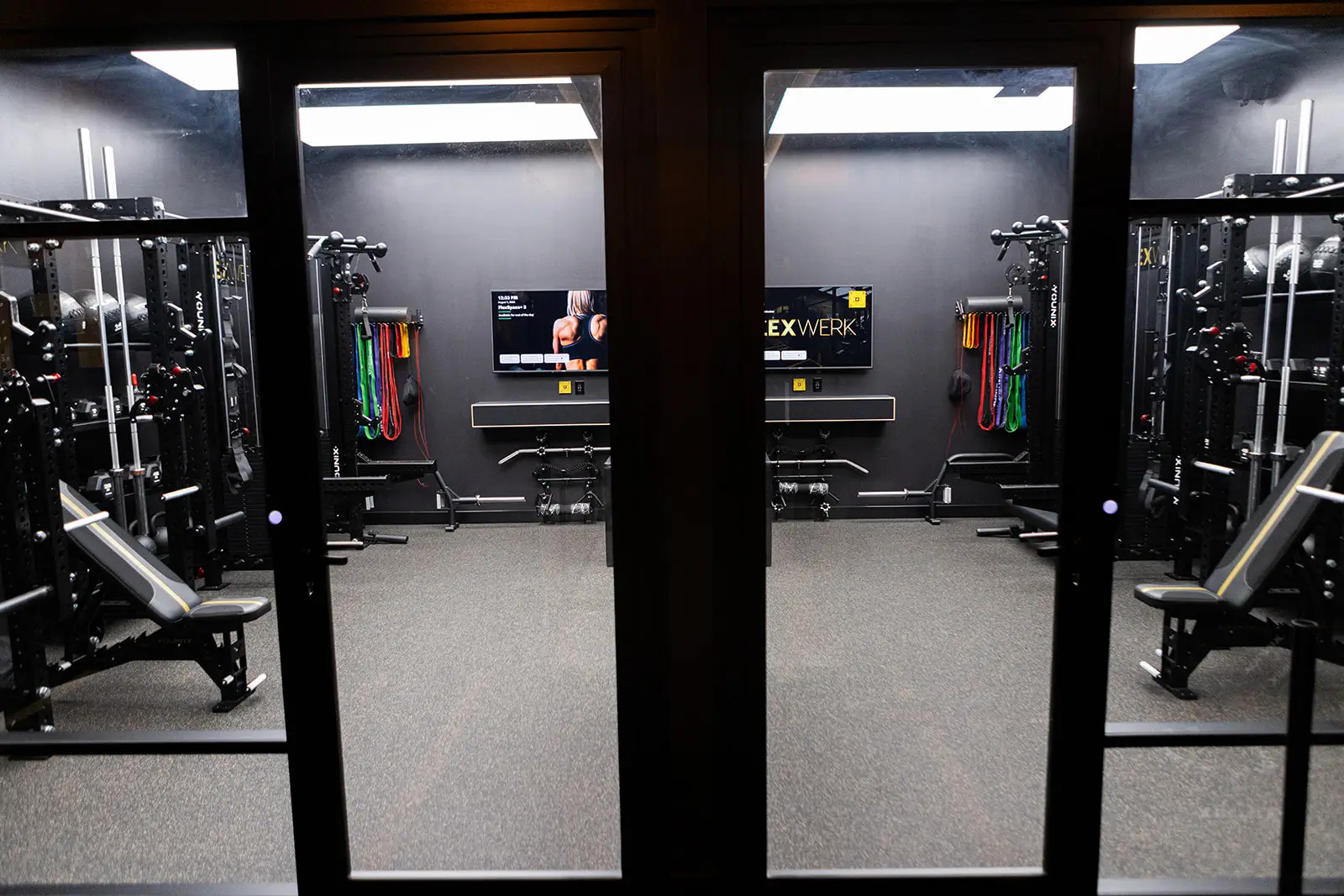 Carpal tunnel syndromeNight splinting, nerve glides and hand-use changes for numb, tingling fingers caused by pressure at the wrist.
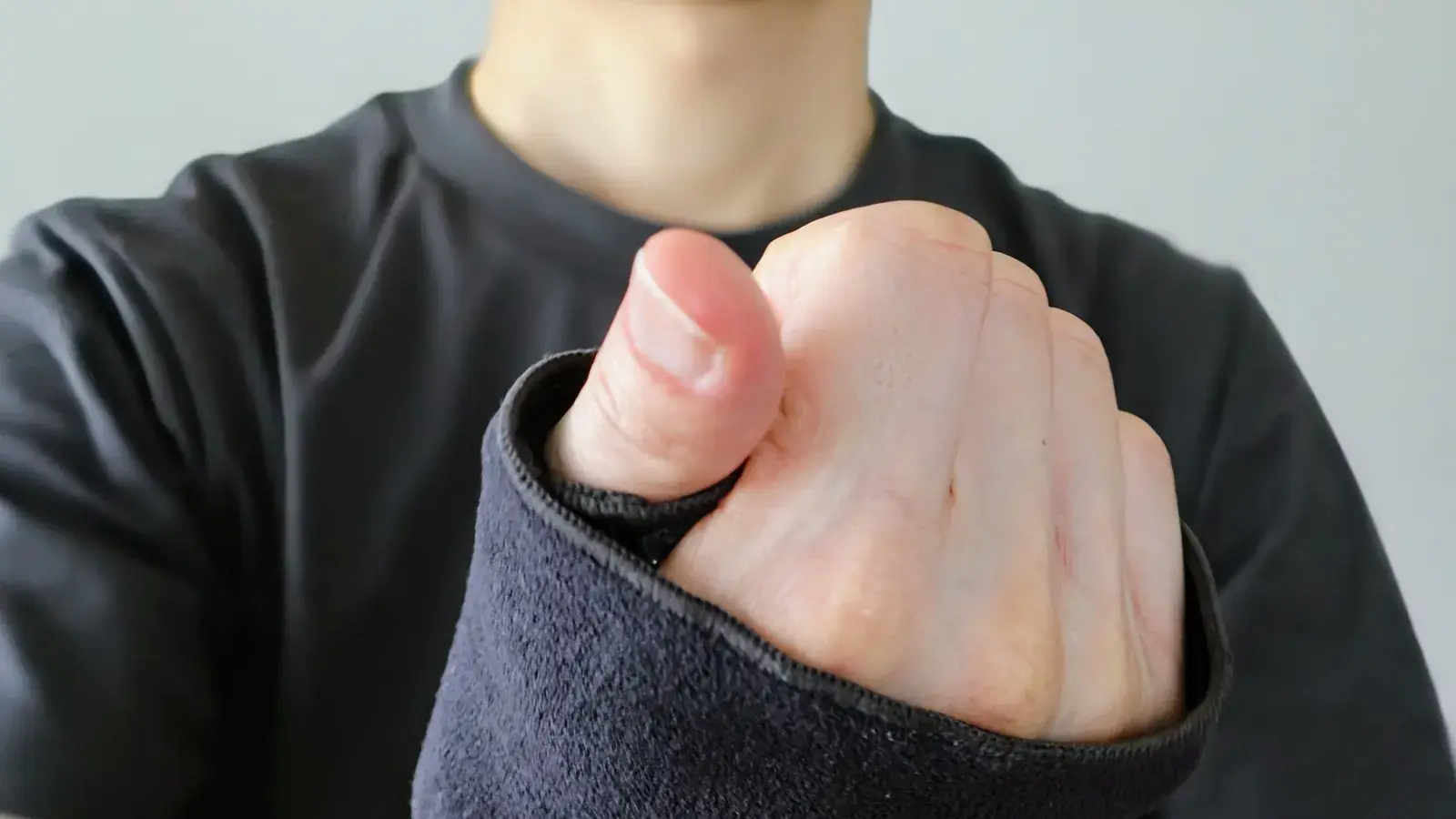 Wrist tendinitisRelief and rebuilding for tendon pain at the wrist, especially De Quervain’s on the thumb side, common in new parents.
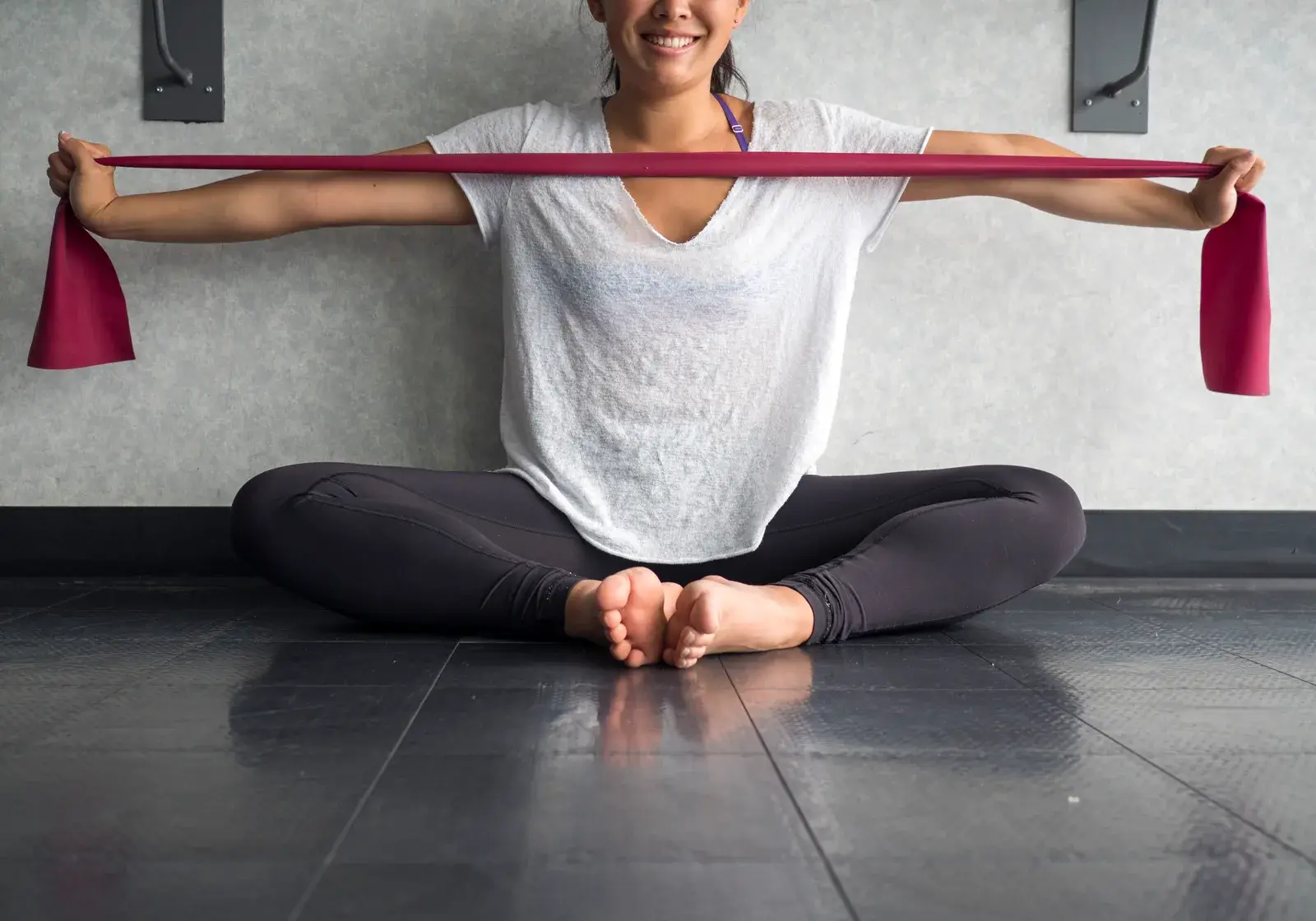 Tennis elbowTendon loading rehab for outer elbow pain from pickleball, tennis, golf, tools and desk work.
Page reviewed By the Monon Therapy Collective editorial team

Carmel City Center · Carmel, Indiana
Start with a conversation
Tell us what hurts and what you want to get back to. We will tell you honestly whether a therapist in the network is likely a good fit for what you describe, and match you with an independent, licensed therapist who is. Only that therapist can assess what will help.
885 Monon Green Blvd, Suite 120, Carmel, IN 46032 · Monday to Friday 5 AM to 9 PM · Saturday and Sunday 7 AM to 4 PM