Cubital tunnel syndrome physical therapy in Carmel, Indiana
Cubital tunnel syndrome is irritation of the ulnar nerve where it passes behind the inner elbow, the spot people call the funny bone, causing tingling and numbness in the ring and little fingers. Most cases improve with nonsurgical care: changing how long and how often the elbow stays bent, a soft night brace, gentle nerve gliding and strengthening. A licensed therapist in the network can examine the whole arm and build that plan with you in Carmel.
At a glance
Common signs of cubital tunnel syndrome
Also called: Ulnar neuropathy at the elbow, Ulnar nerve entrapment, Funny bone nerve compression.
Why does my little finger tingle when I bend my elbow?
Bending the elbow stretches the ulnar nerve and narrows the tunnel it runs through behind the inner elbow, which raises pressure on the nerve. Holding the elbow bent for long periods, or leaning on it, is the usual trigger. That is why phone calls, driving with an elbow on the window ledge, and sleeping with the arms tucked up are such common culprits.
The ulnar nerve supplies feeling to the little finger and the side of the ring finger next to it, and powers many of the small muscles in the hand used for pinching, spreading the fingers and fine control. When it is irritated, these are the areas that tingle or weaken.
Some people also have a nerve that slides over the bony bump as the elbow bends, sometimes felt as a snap. A past elbow fracture, arthritis in the elbow, throwing sports and resistance training with lots of elbow bending can all contribute. Baseball pitchers and softball players are a recognized group, because the throwing motion puts the inner elbow under repeated stretch at high speed, and nurses and tradespeople who spend long shifts with bent elbows describe the same tingling.
How do physical therapists test the ulnar nerve at the elbow?
A therapist checks which fingers are affected, then uses tests that load the nerve at the elbow. The elbow flexion test holds the elbow fully bent for up to a minute to see whether your tingling appears. Tapping over the nerve behind the bump, or applying steady pressure there, can reproduce symptoms too.
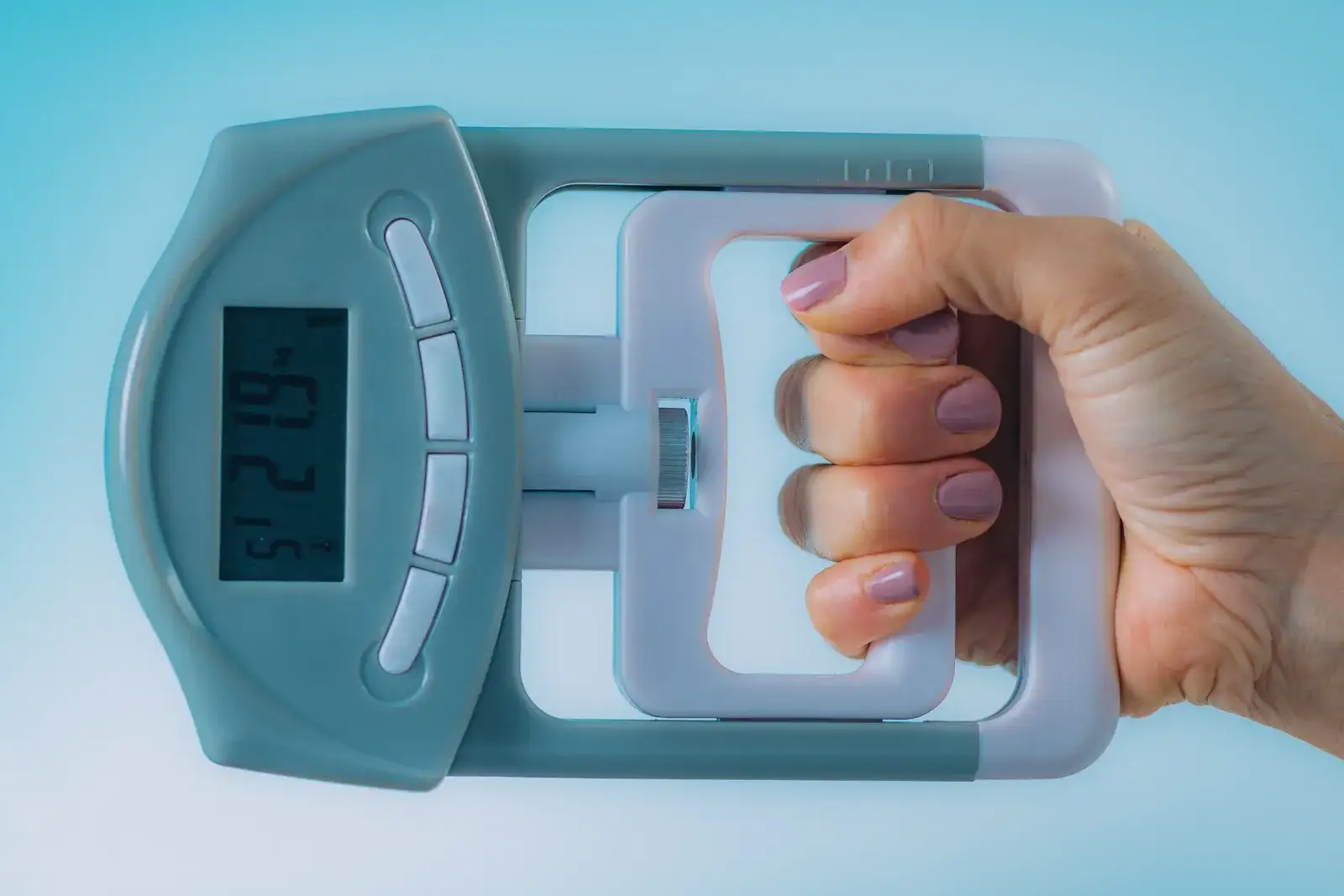
Strength testing of the small hand muscles matters a lot. Your therapist may ask you to spread your fingers against resistance, grip a piece of paper between thumb and index finger, and look for thinning of muscle between the thumb and index finger or along the side of the hand. Grip and pinch strength are measured and compared side to side.
The neck and the wrist are checked as well, because the same fingers can tingle from a nerve root in the neck or from compression of the ulnar nerve at the wrist. When weakness or muscle wasting is present, or symptoms are constant, nerve conduction studies ordered by a physician help gauge how affected the nerve is.
What does nonsurgical treatment for cubital tunnel involve?
The core of treatment is reducing how often and how long the nerve is under tension or pressure, so it can settle. For most people that means keeping the elbow straighter at night, not leaning on it during the day, and adjusting work and driving positions.
A soft elbow pad or night splint that stops the elbow bending sharply during sleep is a common first step; some people simply wrap a towel loosely around the straightened arm. During the day, a headset for calls, a keyboard that lets the elbows open past a right angle, and moving the elbow off the armrest or car door all help.
Your therapist may teach gentle ulnar nerve gliding movements, which should never cause strong or lasting tingling. Strengthening the forearm, shoulder and the small hand muscles comes in as symptoms allow. Lifters may need to modify heavy curls, skull crushers and long sets of push-ups for a while.
Hands-on work is used sparingly with an irritated nerve. Your therapist may treat a stiff neck, upper back or shoulder that is adding tension along the arm, and may check whether tight muscles around the inner elbow are part of the picture. The emphasis stays on positions and habits, because those are what the nerve responds to between visits.
- Night elbow pad or splint keeping the elbow relatively straight
- Headset or speakerphone for long calls
- Desk and car setup that keeps elbows open and unsupported
- Gentle ulnar nerve glides that stay symptom-free
- Hand intrinsic, grip and shoulder strengthening
How long does an irritated ulnar nerve take to calm down?
Mild, intermittent symptoms often settle over 6 to 12 weeks of consistent positioning and splinting. Nerves recover slowly, so numbness can fade gradually over several months even when you are on the right track. Measuring pinch and finger spreading strength every few weeks helps show progress.
If symptoms persist after a fair trial, or if the hand muscles are weak or wasting, a surgeon may recommend a procedure to release the nerve or move it to the front of the elbow. MedlinePlus notes that surgery to relieve pressure on the nerve may help when there is reason to believe the pressure is damaging the nerve. Recovery after that surgery is measured in weeks to months.
Sleep is often the slowest part to change and the most important. Many people wake with tingling for a while even after daytime habits improve, because the elbow drifts into a deep bend during the night. Sticking with the night pad or splint for several weeks, even on good days, gives the nerve the longest stretch of quiet time it gets.
- Weeks 1 to 4: night positioning, daytime habit changes, symptom diary.
- Weeks 4 to 12: fewer episodes; nerve glides and strengthening added.
- Beyond 12 weeks: physician review if symptoms are constant or the hand is weaker.
Which daily habits keep pressure off the ulnar nerve?
Notice how long your elbows stay bent across the day: phones, laptops on the lap, steering, cycling handlebars, and sleeping with hands under the pillow. Shorten those periods and straighten the arm often. Avoid resting the inner elbow on hard surfaces like a desk edge or armrest.
Cyclists on long rides along the Monon Trail can change hand positions often and keep a soft bend rather than locking or deeply bending the elbows. Desk workers can review their setup with the desk worker physical therapy page. If tingling is also on the inner elbow tendon, compare with golfer’s elbow.
When tingling keeps returning, the two-minute matching questionnaire is the first step; the matching team reads it and calls or texts you back about a suitable therapist.
When to see a physician or go to the ER first
Physical therapy is the right start for most cubital tunnel syndrome. These symptoms are different and need medical attention before, or instead of, a physical therapy visit:
- Visible thinning of the muscles between the thumb and index finger
- Rapidly worsening weakness or a hand that is becoming clawed
- Constant numbness that does not change with elbow position
- Symptoms after an elbow fracture or dislocation
- Weakness spreading into the arm, or symptoms in both hands with walking or bladder changes
If you think it is an emergency, call 911.
Two-minute assessment
Get your cubital tunnel syndrome looked at
Tell us how your cubital tunnel syndrome started, how long it has been going on and what it is stopping you from doing. The matching team proposes a therapist in the network who focuses on it, and you hear back, usually within one business day.
- No referral needed to start in Indiana (first 42 days)
- We check which therapists work with your plan before you book
- One-on-one care in a private suite at Carmel City Center
How therapists treat it
Kinds of care used for cubital tunnel syndrome
Questions
Cubital tunnel syndrome: what people ask
Information on this website is general education, not medical advice, a diagnosis or a treatment plan. Only a licensed clinician who examines you can advise on your condition. If you may be having a medical emergency, call 911.
Something we did not cover? Ask the matching team or ring (888) 353-9975.
Is cubital tunnel syndrome serious?
Most cases are mild and respond to simple changes. Persistent numbness or weakness should be checked by a physician, because a nerve under long pressure can lose function.
Does cycling or rowing aggravate cubital tunnel?
They can, through long periods with the elbows bent and pressure through the hands. Changing hand positions often, raising handlebars a little, and shorter sessions while symptoms settle are common adjustments.
Should I stretch my elbow nerve?
Strong stretching tends to aggravate an irritated nerve. Gentle gliding movements that never bring on lasting tingling are the safer choice.
Can I keep lifting weights?
Usually with changes: fewer exercises that hold the elbow deeply bent under load, lighter curls, and more neutral grips while the nerve settles.
Why does my hand feel clumsy with cubital tunnel?
The ulnar nerve powers many of the small muscles that control fine finger movement and pinching, so irritation can make buttons, typing or holding small objects harder.
Is a hand therapist better for ulnar nerve problems?
Hand therapists often treat nerve problems at the elbow and wrist, and so do physical therapists. The matching team will tell you honestly who in the network is a good fit; see hand therapist or physical therapist.
Google reviews
What guests say about FlexWerk
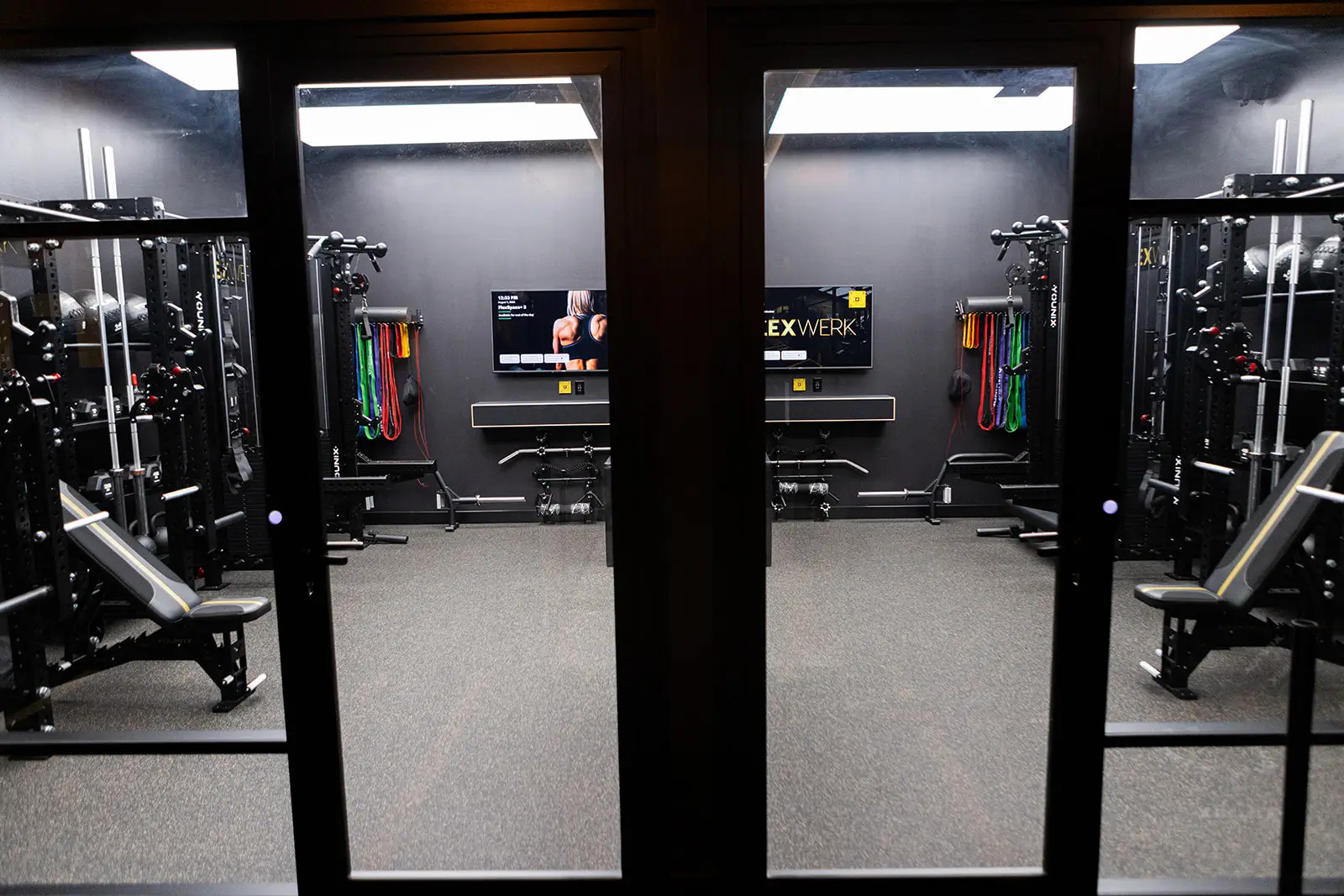
These are live Google reviews of FlexWerk at Carmel City Center, the private-suite facility where therapists in the network practise.
Related
Conditions that travel together
 Carpal tunnel syndromeNight splinting, nerve glides and hand-use changes for numb, tingling fingers caused by pressure at the wrist.
- Golfer’s elbowTendon loading and grip work for pain on the inner elbow, from the golf course, the gym or the job.
- Thoracic outlet syndromeConservative care for the neurogenic form of thoracic outlet syndrome: posture of the shoulder girdle, breathing, nerve glides and graded arm work.
Page reviewed By the Monon Therapy Collective editorial team

Carmel City Center · Carmel, Indiana
Start with a conversation
Tell us what hurts and what you want to get back to. We will tell you honestly whether a therapist in the network is likely a good fit for what you describe, and match you with an independent, licensed therapist who is. Only that therapist can assess what will help.
885 Monon Green Blvd, Suite 120, Carmel, IN 46032 · Monday to Friday 5 AM to 9 PM · Saturday and Sunday 7 AM to 4 PM