Thoracic outlet syndrome physical therapy in Carmel, Indiana
Physical therapy is the usual first treatment for neurogenic thoracic outlet syndrome, the form in which nerves to the arm are irritated in the space between the collarbone and the first rib. A licensed physical therapist matched through the network in Carmel works on breathing pattern, shoulder blade position, nerve mobility and graded overhead tolerance, usually over several months. The rarer venous and arterial forms are vascular problems that need a physician first.
At a glance
Common signs of thoracic outlet syndrome
Also called: TOS, Neurogenic thoracic outlet syndrome, Scalene syndrome, Brachial plexus compression.
What is squeezing the nerves in thoracic outlet syndrome?
In thoracic outlet syndrome, the bundle of nerves that runs from the neck to the arm (the brachial plexus), and sometimes the large artery or vein beside it, gets crowded on its way past the collarbone. There are three tight spots on that route: between two of the scalene muscles at the side of the neck, between the collarbone and the first rib, and underneath the pectoralis minor at the front of the shoulder.
The large majority of diagnosed cases are the neurogenic type, where the nerves are irritated rather than a blood vessel being blocked. MedlinePlus notes that it is more common in women and usually starts between 20 and 50 years of age. Common contributors include a past whiplash or fall, repetitive overhead work, sports such as swimming, volleyball and baseball pitching, a drooping shoulder girdle, heavy breathing through the upper chest, and occasionally an extra cervical rib that someone was born with.
Symptoms often build with the arms raised or loaded rather than from one moment of injury. Drying your hair, reaching to a high shelf, holding a phone to your ear or a long drive with your hands at the top of the wheel are classic triggers, and that position-dependent pattern is one of the clues a therapist listens for.
The venous and arterial types behave very differently. They tend to cause swelling, color change or a cold hand, and they are covered in the red flags on this page because they need a vascular evaluation, not a stretching routine.
Which tests help a therapist separate thoracic outlet syndrome from a pinched neck nerve or carpal tunnel?
No single test proves thoracic outlet syndrome, so a physical therapist builds the picture from several pieces and from ruling out its look-alikes. Arm tingling can also come from a pinched nerve in the neck, from carpal tunnel syndrome at the wrist, or from the ulnar nerve at the elbow, and two of these can coexist.
Expect a neck screen with reflexes, sensation and strength by nerve root, then provocation positions such as holding both arms up in a "hands up" position while opening and closing the fists for a few minutes. The therapist will press over the scalenes and under the collarbone, watch how your shoulder blades sit and move, look at whether you breathe mostly through the upper chest, and test how the nerves tolerate gentle tension down the arm.
If the pattern points to a vascular form, or if hand muscles look wasted, you will be advised to see a physician, who may order nerve conduction studies or vascular imaging. Under Indiana direct access, a physical therapist may start care without a referral for up to 42 days, but that is never a reason to skip a medical workup when one is needed.
What does conservative treatment for neurogenic thoracic outlet syndrome involve?
Conservative treatment aims to give the nerves more room and less irritation, then to build the arm’s tolerance back up gradually. It is patient work: the nerves calm down slowly, and pushing hard stretches into the side of the neck often flares symptoms rather than helping them.
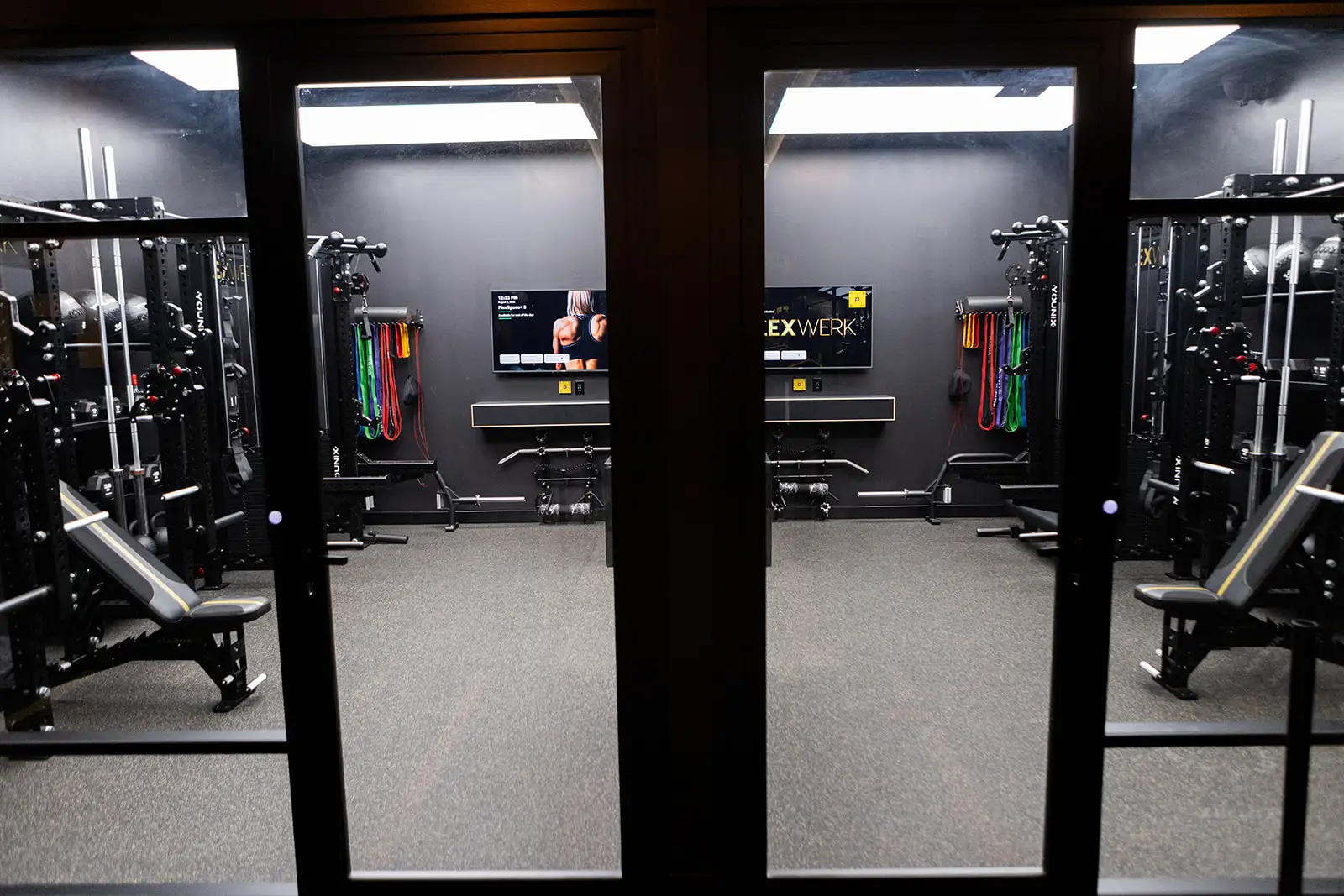
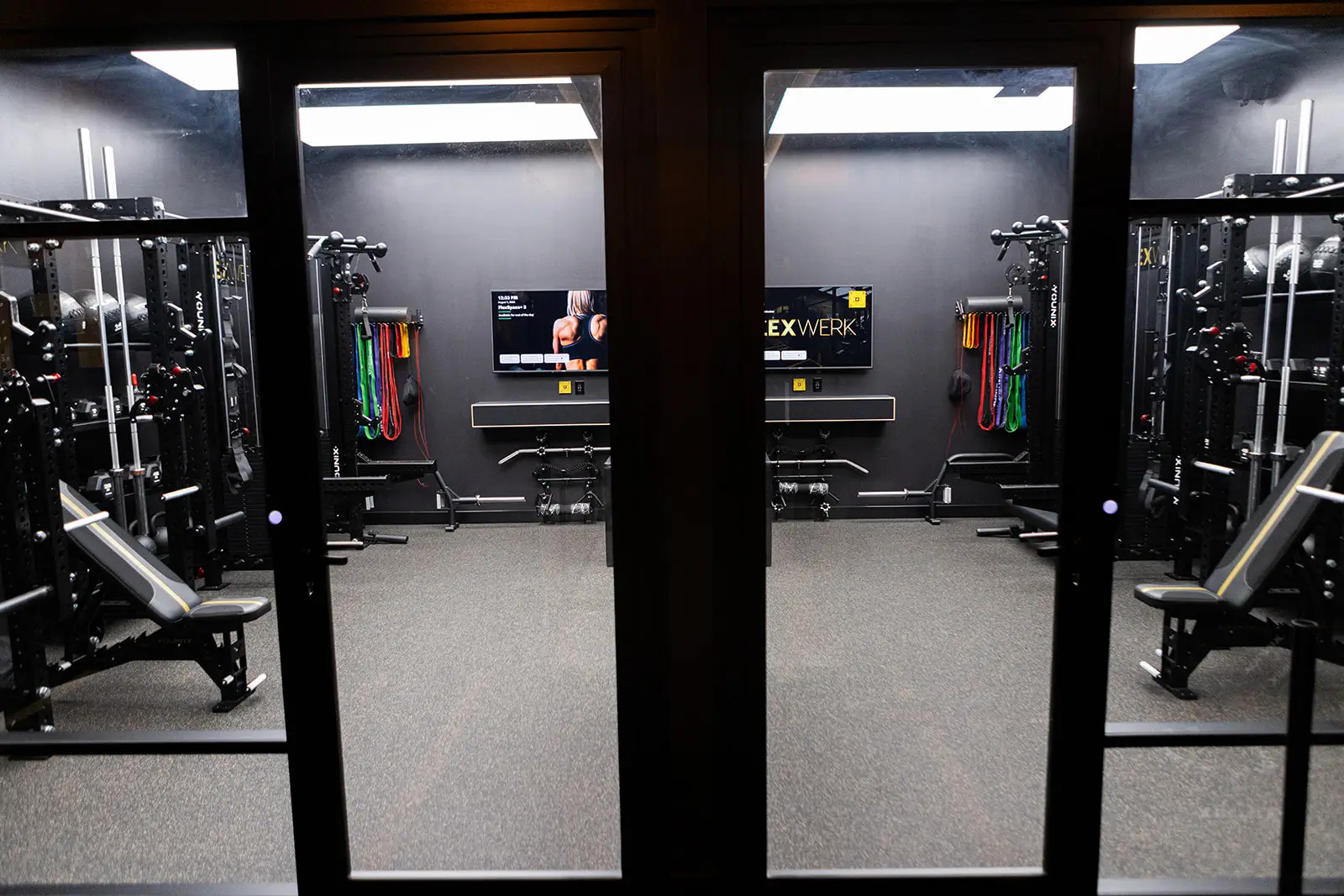
Sessions with a therapist in the network take place one-on-one in a private suite at FlexWerk, where the cable column and light dumbbells make it easy to load the shoulder blade muscles in small steps. Hands-on work described on the manual therapy page may be used for the first rib and the tissues under the collarbone, always paired with exercise. A plan commonly includes the items below.
- Diaphragmatic breathing practice so the scalenes stop working as main breathing muscles
- Shoulder blade elevation and upward rotation strength, often with cable shrugs and wall slides
- Gentle nerve glides dosed below the point where tingling builds
- Pec minor and front-of-chest mobility, without forcing end range
- Changes to bag carrying, sleeping position and overhead work habits
- A graded return to overhead lifting, swimming strokes or throwing
How many months does thoracic outlet syndrome rehab usually take?
Most people need a longer course than for a simple shoulder strain: a trial of conservative care commonly runs for several months before anyone judges whether it has worked. Some notice easier nights and fewer tingling episodes within the first several weeks, while overhead tolerance often lags well behind.
Visits are frequently weekly at first, then spaced out as the home program takes over. Surgery to remove part of the first rib or release the scalenes is considered by a surgeon when a well-run program has failed or when a vascular form is present. If you do have surgery, rehab continues afterwards, and the post-surgical rehabilitation page explains how that handover works.
Progress is rarely a straight line. A long day at a desk with your arms out on a keyboard, a weekend of painting a ceiling, or a cold Indiana morning spent hunched over a steering wheel can stir symptoms for a day or two without undoing the work.
What daily changes take pressure off the thoracic outlet before your first visit?
The quickest wins usually come from reducing the positions that narrow the outlet for long stretches, not from aggressive stretching. Try carrying bags in your hands or on a rolling case rather than on one shoulder strap, and bring your keyboard and mouse closer so your arms are not reaching forward all day.
At night, avoid sleeping with the affected arm overhead or tucked under the pillow. Practise a few minutes of slow belly breathing while lying down, letting the lower ribs widen instead of the collarbones rising. If you run or ride the Monon Trail, a backpack with a chest strap or a waist pack often helps.
When symptoms have lasted more than a few weeks or keep waking you, fill in the two-minute physical therapy questionnaire. The matching team reads it, proposes a therapist whose focus fits nerve-related arm symptoms, and calls or texts you back, usually within one business day.
When to see a physician or go to the ER first
Physical therapy is the right start for most thoracic outlet syndrome. These symptoms are different and need medical attention before, or instead of, a physical therapy visit:
- Arm or hand swelling with a bluish or dusky color, especially after heavy overhead effort (possible venous clot)
- A cold, pale hand, weak pulse at the wrist or finger color change (possible arterial compression)
- Visible wasting of the muscles at the base of the thumb or between the fingers
- Sudden weakness, facial droop or trouble speaking, which needs 911
- Chest pain or shortness of breath alongside arm symptoms
If you think it is an emergency, call 911.
Two-minute assessment
Get your thoracic outlet syndrome looked at
Tell us how your thoracic outlet syndrome started, how long it has been going on and what it is stopping you from doing. The matching team proposes a therapist in the network who focuses on it, and you hear back, usually within one business day.
- No referral needed to start in Indiana (first 42 days)
- We check which therapists work with your plan before you book
- One-on-one care in a private suite at Carmel City Center
How therapists treat it
Kinds of care used for thoracic outlet syndrome
- Orthopedic physical therapyExercise-led care for back, neck, shoulder, hip, knee and ankle problems, delivered one-on-one in a private suite.
- Manual therapyHands-on joint and soft-tissue treatment that eases stiffness so the exercise part of your plan can do its job.
- Post-surgical rehabilitationProtocol-led rehab after joint replacement, ligament, tendon and spine surgery, in a quiet private room instead of a crowded gym.
Questions
Thoracic outlet syndrome: what people ask
Information on this website is general education, not medical advice, a diagnosis or a treatment plan. Only a licensed clinician who examines you can advise on your condition. If you may be having a medical emergency, call 911.
Something we did not cover? Ask the matching team or ring (888) 353-9975.
Can a physical therapist diagnose thoracic outlet syndrome?
A physical therapist can recognize the clinical pattern and screen out neck, elbow and wrist causes, but confirming the vascular forms needs a physician and testing. Many people arrive with the label already given by a doctor; others start with a therapist who refers on if needed.
Should I stretch my neck hard to relieve thoracic outlet syndrome?
Usually not. Strong side-bending stretches can pull on the irritated nerves and make tingling worse, so therapists tend to favor breathing work, shoulder blade strength and gentle, well-dosed nerve glides.
Is thoracic outlet syndrome common in swimmers and pitchers?
Repeated overhead motion is a recognized contributor, so swimmers, volleyball players and baseball pitchers appear in this group. The physical therapy for swimmers page covers how pool training volume is managed during shoulder rehab.
Do I need a first rib removal?
Most people with the neurogenic form are managed without surgery. First rib resection is a surgeon’s decision, usually reserved for vascular cases or for symptoms that persist despite a thorough conservative program.
Will a posture brace fix thoracic outlet syndrome?
A brace may feel supportive for short periods, but it does not build the muscle endurance that holds the shoulder girdle up through a working day. Treat it as an occasional aid rather than the plan.
Google reviews
What guests say about FlexWerk
These are live Google reviews of FlexWerk at Carmel City Center, the private-suite facility where therapists in the network practise.
Related
Conditions that travel together
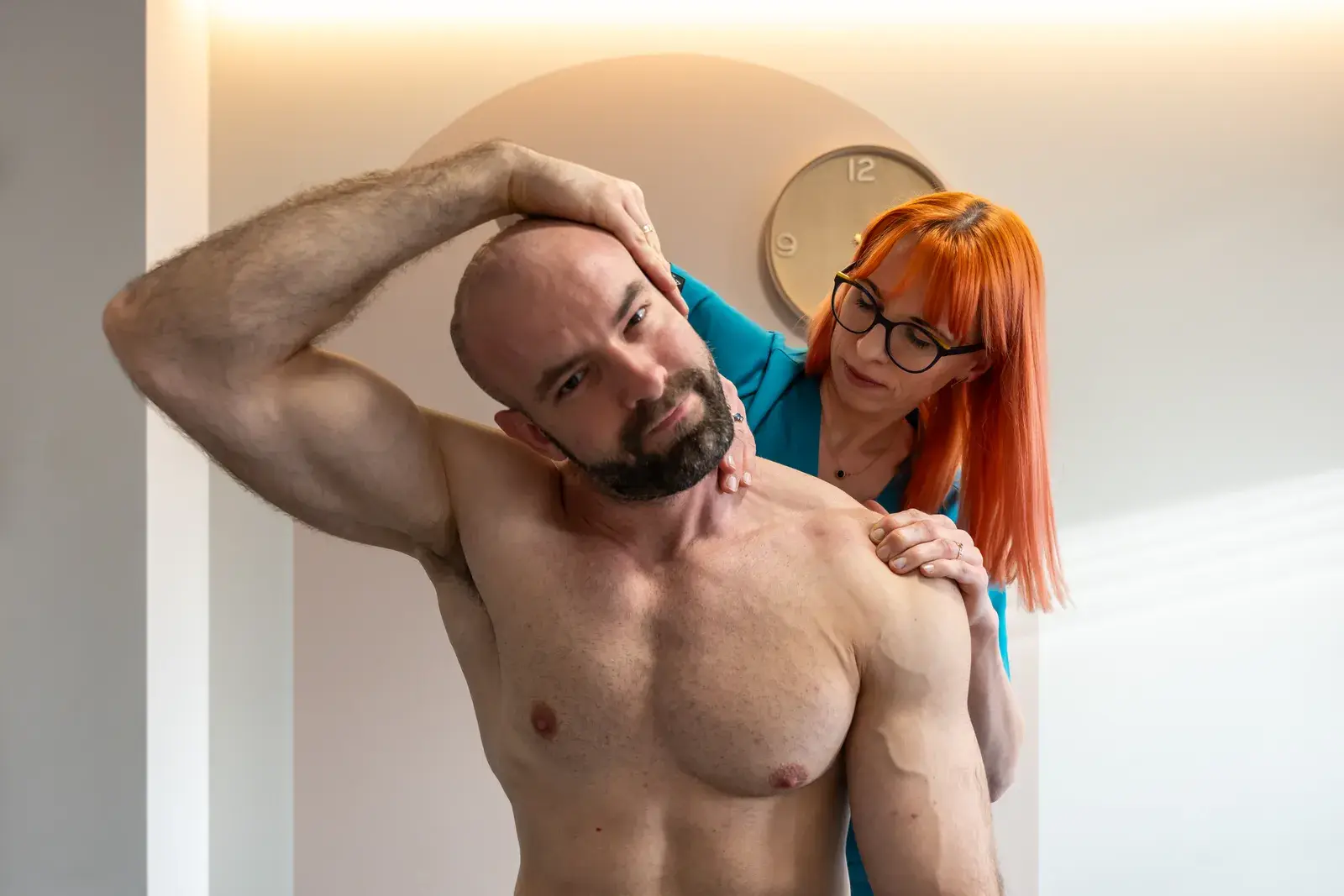 Pinched nerve in the neckTesting and treatment for cervical radiculopathy: arm pain, tingling fingers and weakness from an irritated neck nerve root.
 Neck painHelp for stiff, aching necks, neck-related headaches and arm symptoms that start at the neck.
 Carpal tunnel syndromeNight splinting, nerve glides and hand-use changes for numb, tingling fingers caused by pressure at the wrist.
Page reviewed By the Monon Therapy Collective editorial team

Carmel City Center · Carmel, Indiana
Start with a conversation
Tell us what hurts and what you want to get back to. We will tell you honestly whether a therapist in the network is likely a good fit for what you describe, and match you with an independent, licensed therapist who is. Only that therapist can assess what will help.
885 Monon Green Blvd, Suite 120, Carmel, IN 46032 · Monday to Friday 5 AM to 9 PM · Saturday and Sunday 7 AM to 4 PM