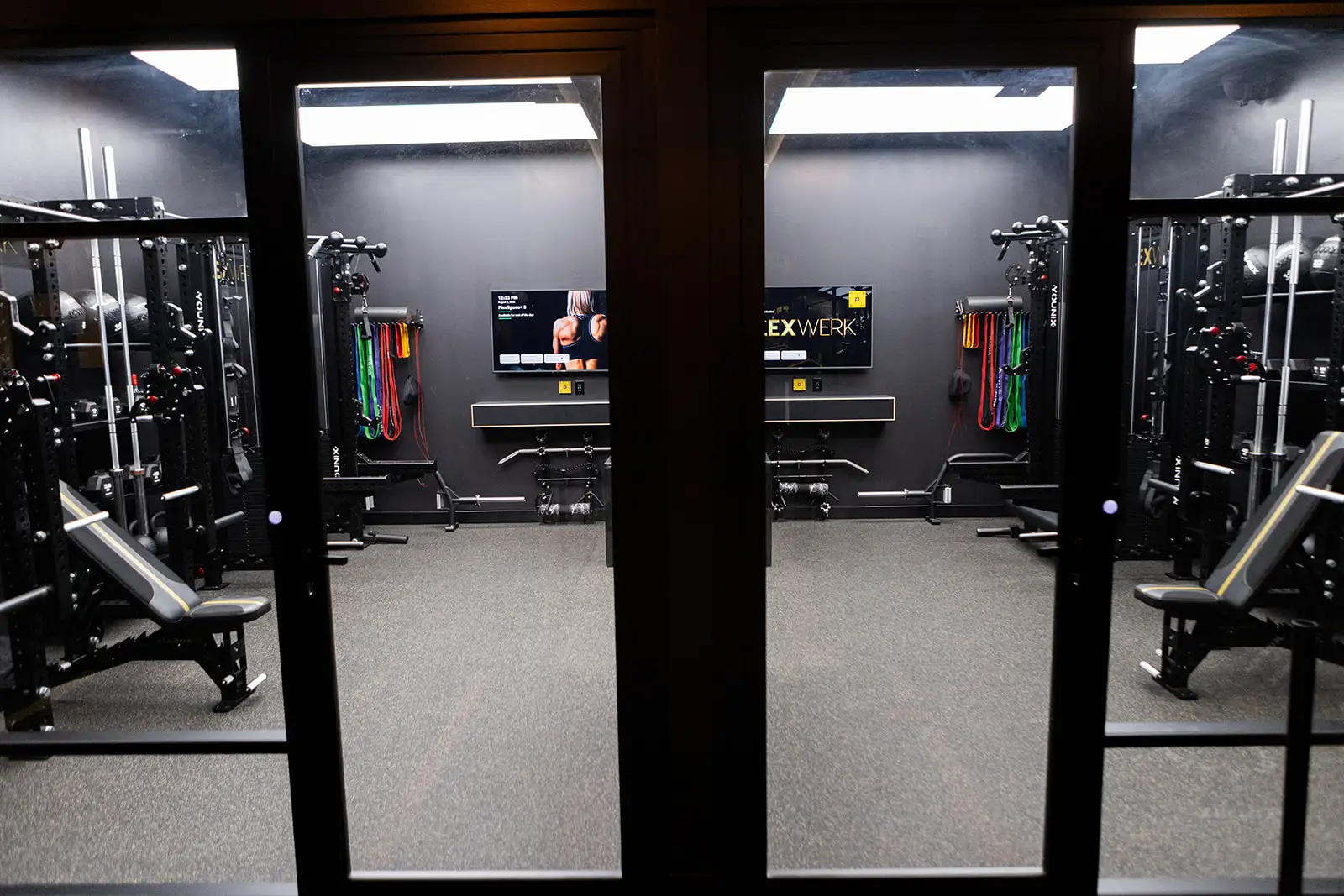
Golfer’s elbow physical therapy in Carmel, Indiana
Golfer’s elbow is pain on the inner side of the elbow where the tendons that bend the wrist and turn the palm down attach to the bone. It is an overload problem of the tendon, and physical therapy that gradually strengthens the wrist flexors, grip and shoulder is the main treatment. In Carmel, a licensed therapist in the network examines the elbow, rules out nerve and ligament problems, and builds a loading plan around your golf, racket sport, lifting or work.
At a glance
Common signs of golfer’s elbow
Also called: Medial epicondylalgia, Medial epicondylitis, Medial elbow tendinopathy, Thrower’s elbow.
Why does the inner elbow hurt when I grip or swing a club?
Gripping and swinging load the tendon that anchors the forearm’s wrist-bending and palm-turning muscles to the inner elbow. When that load rises faster than the tendon can adapt, the tendon becomes sensitive and painful, a condition clinicians call medial epicondylalgia. Despite the old name medial epicondylitis, there is usually little true inflammation.
In golfers the trail arm (the right arm for a right-handed player) is often the sore one, especially after hitting off firm practice mats, taking divots in heavy turf or a sudden increase in range sessions in spring. Golf is only one route in, though. Pickleball and tennis forehands, pull-ups and chin-ups, heavy rows, carpentry, raking, and hours on a hand tool all load the same tendon.
Golfer’s elbow is the mirror image of tennis elbow, which sits on the outer side. It is seen less often than tennis elbow, and it is more often mixed up with an irritated ulnar nerve, which runs just behind the same bony bump.
How does a therapist rule out the ulnar nerve and ligament with inner elbow pain?
By testing each structure separately. Tendon pain shows up when you bend the wrist or turn the palm down against resistance and when the bump is pressed. Nerve irritation produces tingling in the ring and little fingers and is provoked by holding the elbow bent or tapping just behind the bump. A ligament problem, more likely in throwing sports, hurts with a sideways stress test of the elbow.
Expect your therapist to measure grip strength with a dynamometer, often with the elbow straight and bent, to check neck and shoulder movement, and to ask about your swing, clubs, practice volume and other hand-heavy activities. If tingling into the small finger is part of the picture, the cubital tunnel syndrome page explains that overlap.
Imaging is rarely needed at the start. It may be considered by a physician if pain follows a fall, if the elbow will not straighten, or if months of good rehab have not helped.
What does a loading program for golfer’s elbow include?
A loading program strengthens the wrist flexors and forearm pronators gradually, starting with comfortable holds and building to slow, heavier work, while grip and shoulder strength are trained alongside. The aim is to make the tendon more tolerant, not just to quiet it for a few weeks.
Early sessions often use isometric holds, where you hold a weight still with the wrist level. Next comes slow wrist curls with a dumbbell, emphasizing the lowering phase, then pronation work with a hammer or weighted bar. Later stages add grip carries, cable work in positions that resemble your swing or job, and plyometric catches for players who need speed. Pain during exercise around 3 out of 10 that settles by the next day is often accepted.
Hands-on soft tissue work, a counterforce strap and activity changes can make you more comfortable in the meantime. Swing and equipment factors are worth discussing too: grip pressure, club fitting, practicing off grass rather than mats, and the number of balls hit. The physical therapy for golfers page covers the sport-specific side.
- Isometric wrist flexion and pronation holds
- Slow wrist curls and hammer pronation with a dumbbell
- Grip work: farmer carries, towel grips, putty
- Shoulder blade and rotator cuff strengthening
- Swing rehearsal with a club in the suite, then short game, then full swing
How long until I can play a full round with golfer’s elbow?
Many people improve over 6 to 12 weeks with consistent loading, while long-standing cases can take 3 to 6 months or more. Golfers often return in stages: putting and chipping first, then half swings, then a range session off grass, then nine holes.
Recovery is shaped by how long the elbow has hurt, your general health and how much load you can trim from the trouble activity in the meantime. Cortisone injections may give quick short-term relief, though tendon pain often returns. For a broader view of the choice, see cortisone shot or physical therapy.
A useful way to track progress is to watch a few simple markers rather than the pain alone. Your therapist may retest grip strength with the elbow straight, note the heaviest wrist curl you can lower slowly without symptoms, and ask how the elbow feels the morning after a round or range session. When grip on the sore side is close to the other side and the morning-after response stays quiet, it is usually time to add more swings.
Should I stop golfing with an elbow flare-up?
You often do not need to stop completely. A reasonable approach is to reduce range sessions, play fewer holes, tee the ball up on the range, and avoid hitting from firm mats, while keeping pain mild and settled by the next morning.
Avoid repeated testing by squeezing the elbow or stretching it hard, and avoid a heavy pull day in the gym until grip tolerance improves. A forearm strap below the elbow may help during play. Check your equipment too: worn, slick or undersized grips make you squeeze harder through impact, and regripping clubs is a cheap change worth asking about. Lighter graphite shafts and a softer golf ball are other options some players use while the tendon is sensitive.
Off the course, look at what else loads the forearm in your week. Long sessions with a mouse, carrying grocery bags with the palm down, hedge trimming, and pull-ups after work all add to the same tendon. Swapping a few of these for a few weeks, or doing them with the palm facing up or sideways, can give the tendon room to respond to rehab.
With the season in Hamilton County running roughly from spring through autumn, starting rehab in winter lets you build tendon capacity before courses open. The physical therapy questionnaire is a two-minute way to tell the matching team about your elbow and schedule; the suites open at 5 AM on weekdays for people who want a session before work.
When to see a physician or go to the ER first
Physical therapy is the right start for most golfer’s elbow. These symptoms are different and need medical attention before, or instead of, a physical therapy visit:
- A pop at the inner elbow during a throw or fall, followed by bruising
- Elbow deformity, or you cannot bend or straighten it after a fall
- Constant numbness in the ring and little fingers, or weakness in the small hand muscles
- A hot, swollen, red elbow with fever
- Pain that wakes you every night regardless of position
If you think it is an emergency, call 911.
Two-minute assessment
Get your golfer’s elbow looked at
Tell us how your golfer’s elbow started, how long it has been going on and what it is stopping you from doing. The matching team proposes a therapist in the network who focuses on it, and you hear back, usually within one business day.
- No referral needed to start in Indiana (first 42 days)
- We check which therapists work with your plan before you book
- One-on-one care in a private suite at Carmel City Center
How therapists treat it
Kinds of care used for golfer’s elbow
- Sports physical therapyRehab for active adults that goes past pain relief to the strength, power and movement your sport actually demands.
- Orthopedic physical therapyExercise-led care for back, neck, shoulder, hip, knee and ankle problems, delivered one-on-one in a private suite.
- Manual therapyHands-on joint and soft-tissue treatment that eases stiffness so the exercise part of your plan can do its job.
Questions
Golfer’s elbow: what people ask
Information on this website is general education, not medical advice, a diagnosis or a treatment plan. Only a licensed clinician who examines you can advise on your condition. If you may be having a medical emergency, call 911.
Something we did not cover? Ask the matching team or ring (888) 353-9975.
Is golfer’s elbow the same as tennis elbow?
They are similar tendon problems on opposite sides of the elbow. Golfer’s elbow is on the inner side and involves the wrist flexors; tennis elbow is on the outer side and involves the wrist extensors.
Do counterforce braces help golfer’s elbow?
Some people find a strap just below the elbow reduces pain during activity. It is a comfort aid, not a treatment on its own.
Can I lift weights with golfer’s elbow?
Usually, with changes. Neutral grips, straps for heavy pulls, and fewer chin-ups are common adjustments while the tendon is loaded progressively.
Will a different grip or club help my elbow?
Sometimes. Lighter grip pressure, thicker or new grips, and hitting off grass rather than mats reduce the jolt through the forearm, and a club fitter can check whether your equipment suits your swing.
How long does golfer’s elbow last without treatment?
It may settle over many months, but it often lingers or returns if the tendon is not strengthened. Starting loading sooner tends to shorten the course.
Does a referral matter for golfer’s elbow in Indiana?
Indiana law lets you see a physical therapist directly for up to 42 calendar days; your insurance plan might still require one. Our Indiana referral guide explains the details.
Google reviews
What guests say about FlexWerk
These are live Google reviews of FlexWerk at Carmel City Center, the private-suite facility where therapists in the network practise.
Related
Conditions that travel together
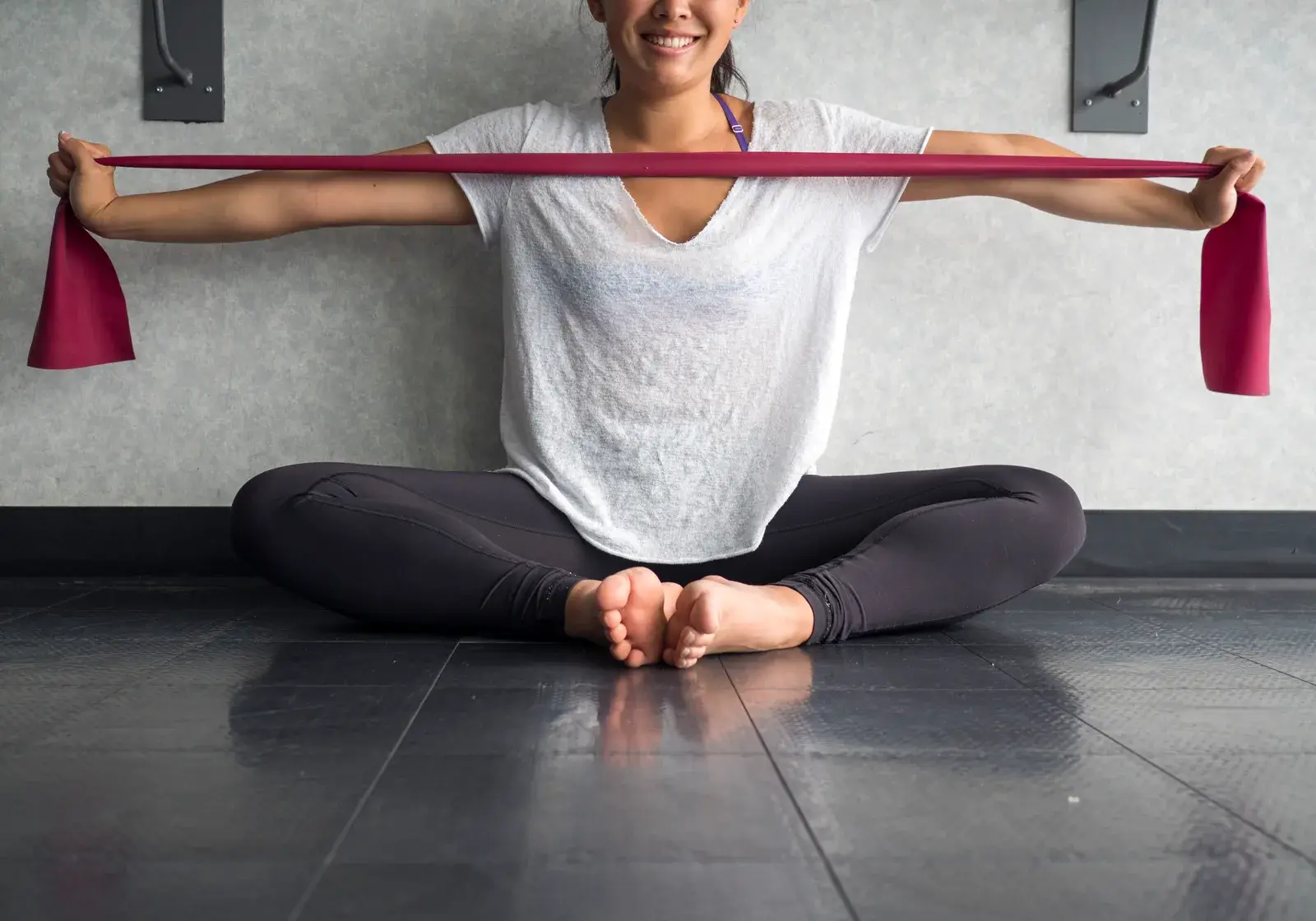 Tennis elbowTendon loading rehab for outer elbow pain from pickleball, tennis, golf, tools and desk work.
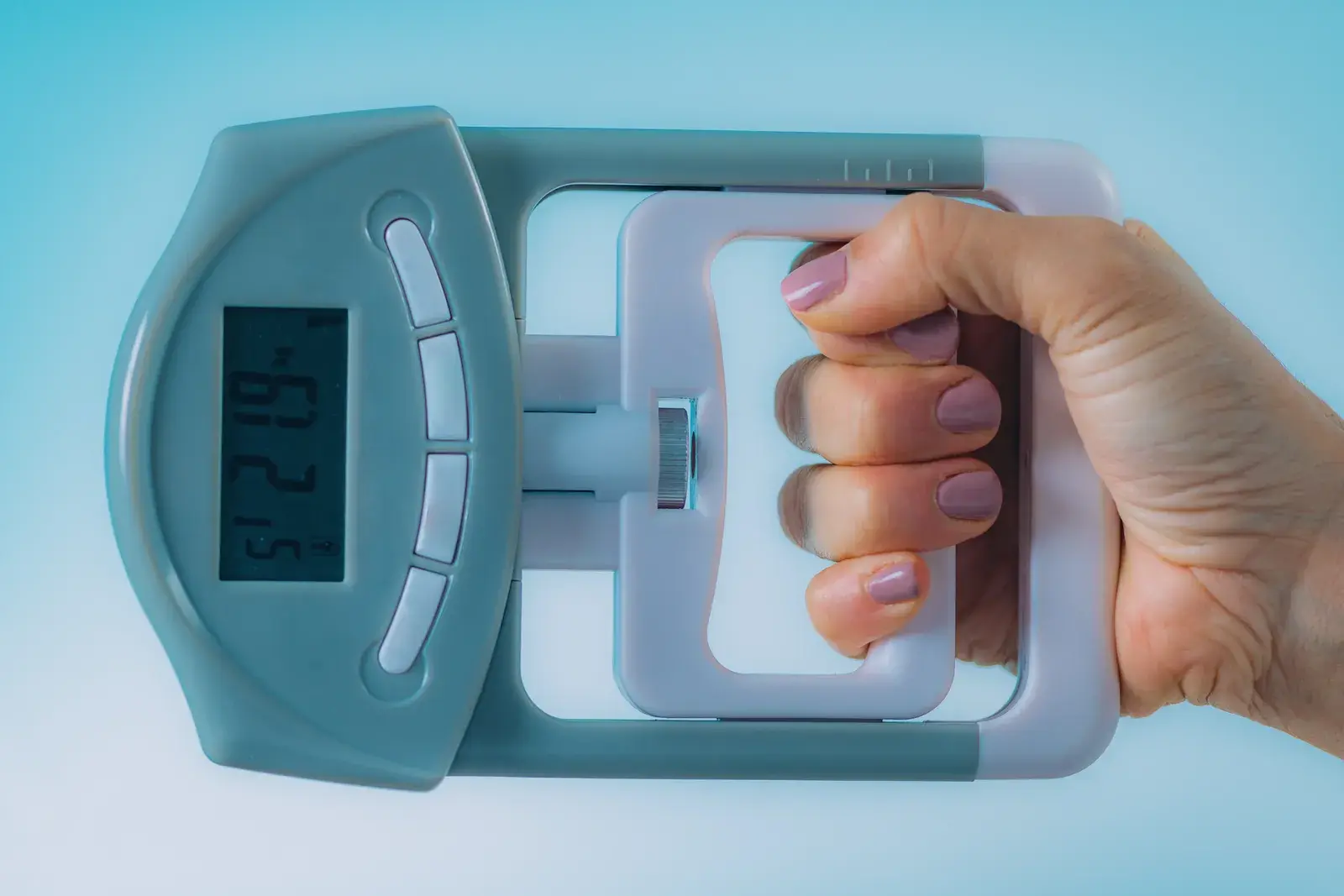 Cubital tunnel syndromePositioning, night bracing and nerve glides for tingling in the ring and little fingers from the ulnar nerve at the elbow.
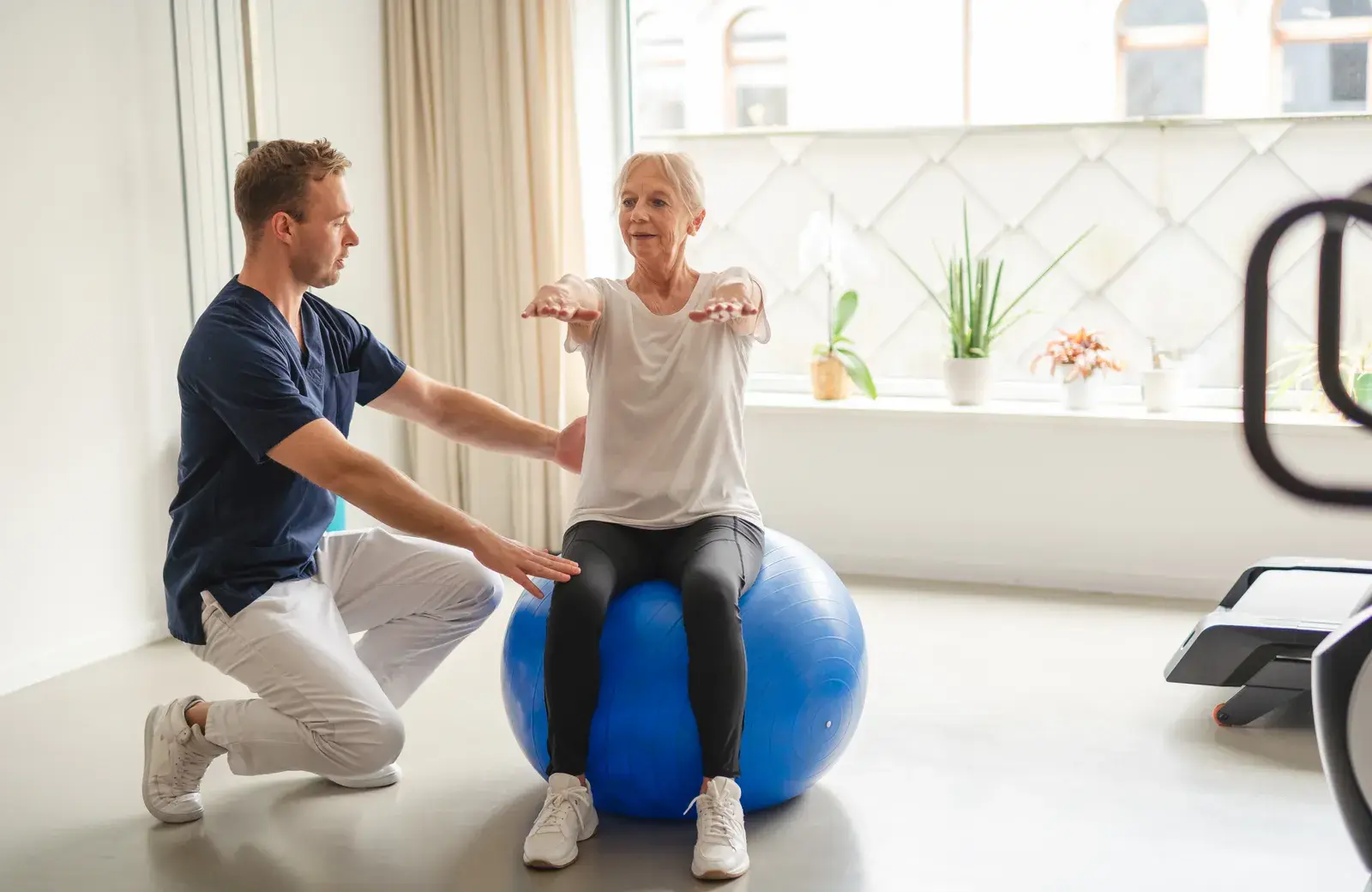 TendinitisProgressive tendon loading, from calming isometrics to heavy strength and sport-speed work.
Page reviewed By the Monon Therapy Collective editorial team

Carmel City Center · Carmel, Indiana
Start with a conversation
Tell us what hurts and what you want to get back to. We will tell you honestly whether a therapist in the network is likely a good fit for what you describe, and match you with an independent, licensed therapist who is. Only that therapist can assess what will help.
885 Monon Green Blvd, Suite 120, Carmel, IN 46032 · Monday to Friday 5 AM to 9 PM · Saturday and Sunday 7 AM to 4 PM