
Ball of foot pain physical therapy in Carmel, Indiana
Ball of foot pain, often called metatarsalgia, is an overload of the forefoot where the long foot bones meet the toes, and physical therapy helps by spreading that pressure more evenly. In Carmel, the Indiana-licensed physical therapist you are matched with looks at your calf flexibility, toe strength, gait and shoes, then combines exercise with practical changes such as metatarsal pads and footwear. Most cases improve over weeks with these changes, and the therapist screens for stress fractures and nerve or ligament problems that need different care.
At a glance
Common signs of ball of foot pain
Also called: Metatarsalgia, Forefoot pain, Pain under the toes, Stone bruise feeling in the foot.
What makes the ball of the foot take more pressure than it can handle?
Metatarsalgia happens when the forefoot carries more pressure for longer than its tissues tolerate, so the area under the metatarsal heads becomes sore and sensitive. It is a description of where the pain is rather than one single injury, so the work of physical therapy is finding what is driving the extra pressure.
Common drivers include a tight calf that makes the heel lift early, so you spend more time on the forefoot with each step; weak toe flexors that leave the metatarsal heads to take the load alone; thinning of the fat pad under the forefoot with age; a high arch or a bunion that shifts load to the middle metatarsals; and shoes with a high heel, a stiff narrow toe box or very little cushioning.
Activities matter too. Pickleball and tennis players spend long stretches up on their toes, runners increasing hill or speed work push off harder, and people who switch to standing desks or concrete-floored jobs may suddenly spend hours on hard surfaces. Recognizing your own pattern is half of the fix.
How does a therapist sort metatarsalgia from a neuroma or a plantar plate tear?
A therapist sorts these by exactly where it hurts, what the pain feels like and which tests reproduce it. Metatarsalgia usually hurts directly under the metatarsal heads when pressed. A Morton’s neuroma tends to cause burning, tingling or numbness between two toes, usually the third and fourth. A plantar plate tear hurts under the second toe joint and often comes with the toe drifting or lifting.
The examination includes pressing on each metatarsal head and the spaces between them, squeezing the forefoot, moving each toe joint, checking for a positive drawer test at the second toe, measuring calf length and big toe motion, and watching you walk and rise onto your toes. Callus patterns on the sole are a useful clue to where pressure has been concentrated.
Focused bone pain on the top of a metatarsal, especially after a training increase, raises concern for a stress fracture and needs imaging. The pages on Morton’s neuroma and plantar plate tears explain those conditions in more depth.
Which exercises and shoe changes take pressure off the forefoot?
Treatment combines reducing peak pressure on the forefoot now with exercise that changes how load is shared over time. The fastest relief usually comes from footwear: a roomier toe box, more cushioning under the forefoot, a lower heel, and often a rocker sole that lets you roll through without bending the toes as much.
A metatarsal pad, a small dome placed just behind the painful metatarsal heads, can lift and spread the bones and reduce pressure where it hurts. Placement matters, and a therapist can help position one in your shoe or insole so it sits behind, not under, the sore spot.
The exercise side typically includes calf stretching and strengthening to restore ankle motion, toe flexor strengthening such as towel curls or toe presses, the short foot exercise for the arch, and hip and calf work for runners. Gait retraining, for example shortening stride or adjusting cadence, can help runners and walkers who push off very hard.
- Footwear with a wider toe box, more forefoot cushion and a lower heel
- Metatarsal pad placed just behind the sore area
- Calf flexibility and strength work
- Toe flexor and intrinsic foot strengthening
- Gait and running form changes where relevant
- Adjusted volume on courts, hills and hard floors
How quickly does ball of foot pain settle with physical therapy?
Many people feel a meaningful drop in forefoot pain within a few weeks once shoes and pressure are addressed, and fuller recovery over a couple of months as strength improves. Health-service guidance suggests getting it looked at if home measures have not helped after about two weeks. Problems driven by fat pad thinning or foot structure may need ongoing footwear management rather than a single course of care.
How fast it settles depends on how long you have had it, how much standing or running your week involves, whether a bunion or toe deformity is part of the picture, and conditions such as diabetes or inflammatory arthritis that affect the foot. A therapist cannot promise a timeline but will tell you early if the response suggests another cause.
Runners have a specific angle here. Forefoot pain often appears when a runner adds speed sessions, races in a lighter, thinner shoe, or switches to landing further forward on the foot. Training for the Indy Mini in May or the Carmel Marathon in April often brings exactly those changes, so a therapist will ask what shoes and sessions changed in the weeks before the pain started.
If symptoms continue despite good footwear and exercise, a podiatrist or orthopedic foot specialist may consider custom orthotics or other options. That is not a failure of rehab; it is the next sensible step.
What should I try first for a sore ball of the foot?
Start by changing what is under your foot. Wear your most cushioned shoes with the widest toe box, avoid high heels and thin flats for a few weeks, and do not go barefoot on hard floors, which is common in Indiana homes with tile and hardwood. Swapping some walking or running for cycling or swimming can give the forefoot a break without losing fitness.
Gentle calf stretching twice a day and simple toe curls are low-risk starting exercises. Ice or a cool water soak may ease pain after a long day. If the pain is focused on one bone, worsens quickly or came with swelling on top of the foot, stop running and see a physician to rule out a stress fracture.
If the pain has lasted more than a few weeks or keeps returning, fill in the ankle and foot assessment. The matching team reads it and proposes an independent therapist in the network, and the first visit guide explains what that appointment involves.
When to see a physician or go to the ER first
Physical therapy is the right start for most ball of foot pain. These symptoms are different and need medical attention before, or instead of, a physical therapy visit:
- Focused bone pain with swelling on the top of the foot after increased activity
- Numbness, burning or loss of feeling in the foot, especially with diabetes
- A sore or blister under a callus that does not heal
- A hot, red, swollen joint, which can signal gout or infection
- Toes that suddenly change color or feel cold
If you think it is an emergency, call 911.
Two-minute assessment
Get your ball of foot pain looked at
Tell us how your ball of foot pain started, how long it has been going on and what it is stopping you from doing. The matching team proposes a therapist in the network who focuses on it, and you hear back, usually within one business day.
- No referral needed to start in Indiana (first 42 days)
- We check which therapists work with your plan before you book
- One-on-one care in a private suite at Carmel City Center
How therapists treat it
Kinds of care used for ball of foot pain
- Orthopedic physical therapyExercise-led care for back, neck, shoulder, hip, knee and ankle problems, delivered one-on-one in a private suite.
- Running gait analysisSlow-motion video of your stride, read alongside a physical exam, to explain a running pain that keeps coming back.
- Gait trainingWalking-focused rehab that measures speed and balance, then practises the steps, turns, stairs and surfaces you need for daily life.
Questions
Ball of foot pain: what people ask
Information on this website is general education, not medical advice, a diagnosis or a treatment plan. Only a licensed clinician who examines you can advise on your condition. If you may be having a medical emergency, call 911.
Something we did not cover? Ask the matching team or ring (888) 353-9975.
Is metatarsalgia the same as a stone bruise?
People often use the phrase stone bruise to describe metatarsalgia, because it feels like walking on a pebble. The cause is overload, not a single bruise.
Where exactly should a metatarsal pad go?
Just behind the painful metatarsal heads, toward the heel, so it lifts and spreads the bones. A pad placed directly under the sore spot often makes the pain worse.
Can tight calves really cause forefoot pain?
Yes. A tight calf limits how far the ankle bends, which makes the heel lift earlier and keeps you on the forefoot longer with every step.
Is it safe to keep playing pickleball with ball of foot pain?
Often at a reduced volume with cushioned court shoes, if the pain stays mild and settles by the next day. The pickleball injury prevention guide has practical tips.
Do I need an X-ray for forefoot pain?
Not always. Imaging is more likely if a stress fracture, arthritis or a deformity is suspected, or if the pain does not improve with simple changes.
Why does the pain get worse at the end of a work day?
Forefoot pain tends to build with cumulative time on your feet, so it often peaks late in the day. Supportive shoes and short sitting breaks during the day usually reduce that build-up.
Google reviews
What guests say about FlexWerk
These are live Google reviews of FlexWerk at Carmel City Center, the private-suite facility where therapists in the network practise.
Related
Conditions that travel together
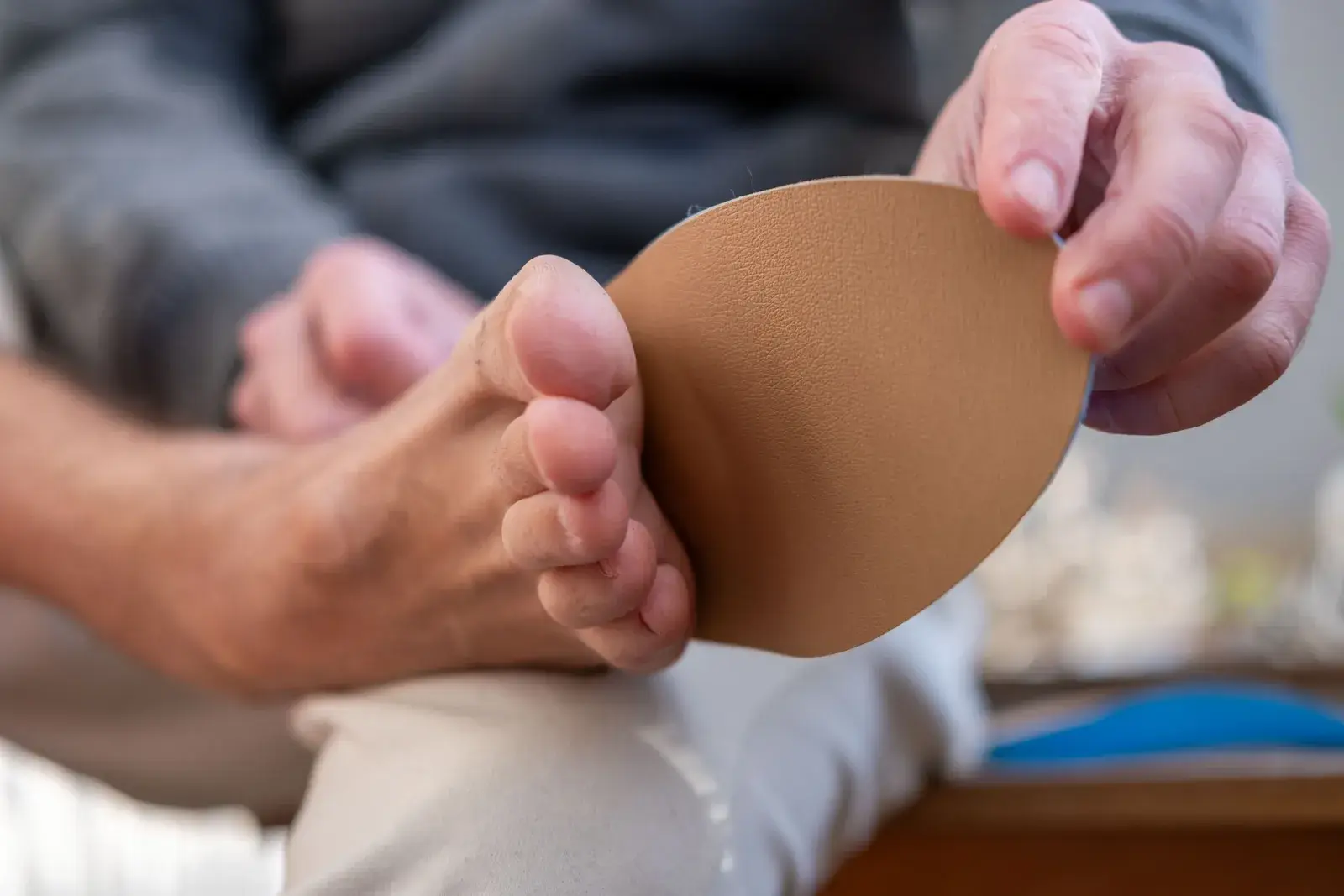 Morton’s neuromaConservative care for burning or numb pain between the toes: roomier shoes, pad placement and forefoot load changes.
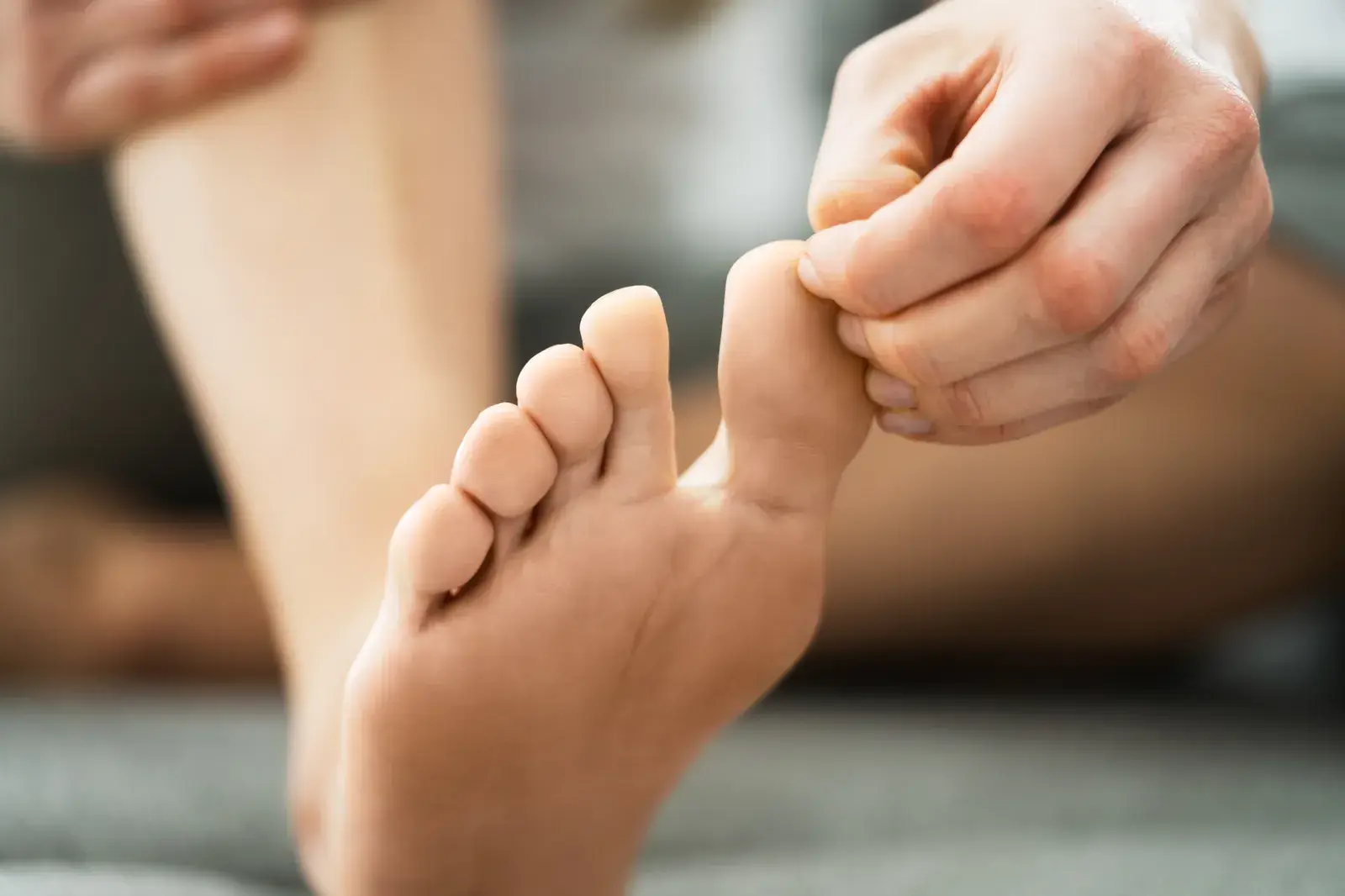 Plantar plate tearCare for pain under the second toe joint: taping, offloading, footwear and toe strength, with referral if the toe is drifting.
 SesamoiditisCare for pain under the ball of the big toe, using offloading first and graded return to running or dance after.
Page reviewed By the Monon Therapy Collective editorial team

Carmel City Center · Carmel, Indiana
Start with a conversation
Tell us what hurts and what you want to get back to. We will tell you honestly whether a therapist in the network is likely a good fit for what you describe, and match you with an independent, licensed therapist who is. Only that therapist can assess what will help.
885 Monon Green Blvd, Suite 120, Carmel, IN 46032 · Monday to Friday 5 AM to 9 PM · Saturday and Sunday 7 AM to 4 PM