
Plantar plate tear physical therapy in Carmel, Indiana
A plantar plate tear is damage to the thick ligament under a toe joint, most often the second toe, and early, mild tears are commonly managed without surgery using taping, forefoot offloading and footwear changes. In Carmel, the Indiana-licensed physical therapist you are matched with checks joint stability with a drawer test, helps protect the joint while it settles, and strengthens the small toe and foot muscles. If the toe is drifting or the tear is larger, a foot and ankle specialist may discuss surgical repair.
At a glance
Common signs of plantar plate tear
Also called: Plantar plate injury, Second MTP joint instability, Lesser toe plantar plate tear, Crossover toe, Predislocation syndrome.
What is the plantar plate, and how does it tear?
The plantar plate is a thick, fibrous ligament on the underside of each toe joint where the toe meets the foot. It stops the toe from bending too far upward and keeps it aligned. A tear usually develops gradually from repeated stress, though it can also happen with a sudden hyperextension injury.
The second toe is affected most often, particularly in people whose second metatarsal is longer than the first, those with bunions that push the second toe aside, and those who wear high heels or spend long hours on the forefoot. Runners, dancers and court players can also develop it.
Over time, a weakened plantar plate can allow the toe to drift sideways, lift up or even cross over the big toe. That progression is why catching it early matters. Related forefoot pain is discussed on the ball of foot pain page.
What does a drawer test of the toe show?
The drawer test, sometimes called the toe Lachman test, checks how much the toe can be shifted upward on the metatarsal head compared with the neighboring toes. Pain and excess movement suggest the plantar plate is torn or stretched. A therapist or physician stabilizes the foot with one hand and gently moves the toe with the other.
The examination also includes pressing under the joint, looking at toe alignment while standing, checking for swelling and the “paper pull-out test”, in which a strip of paper under the toe slides out easily when the toe cannot grip properly. Neighboring structures are checked to separate a plantar plate problem from a Morton’s neuroma, arthritis or a stress fracture.
Imaging, often ultrasound or MRI, may be ordered by a physician to confirm and grade the tear. Grading helps decide whether conservative care is likely to be enough or whether a specialist should discuss surgery.
Tears are often described on a scale from early attenuation to a complete tear with a dislocated toe. Lower grades with a straight toe are the ones most likely to settle with conservative care, which is another reason not to wait if your second toe has started to ache.
How do taping and offloading protect a torn plantar plate?
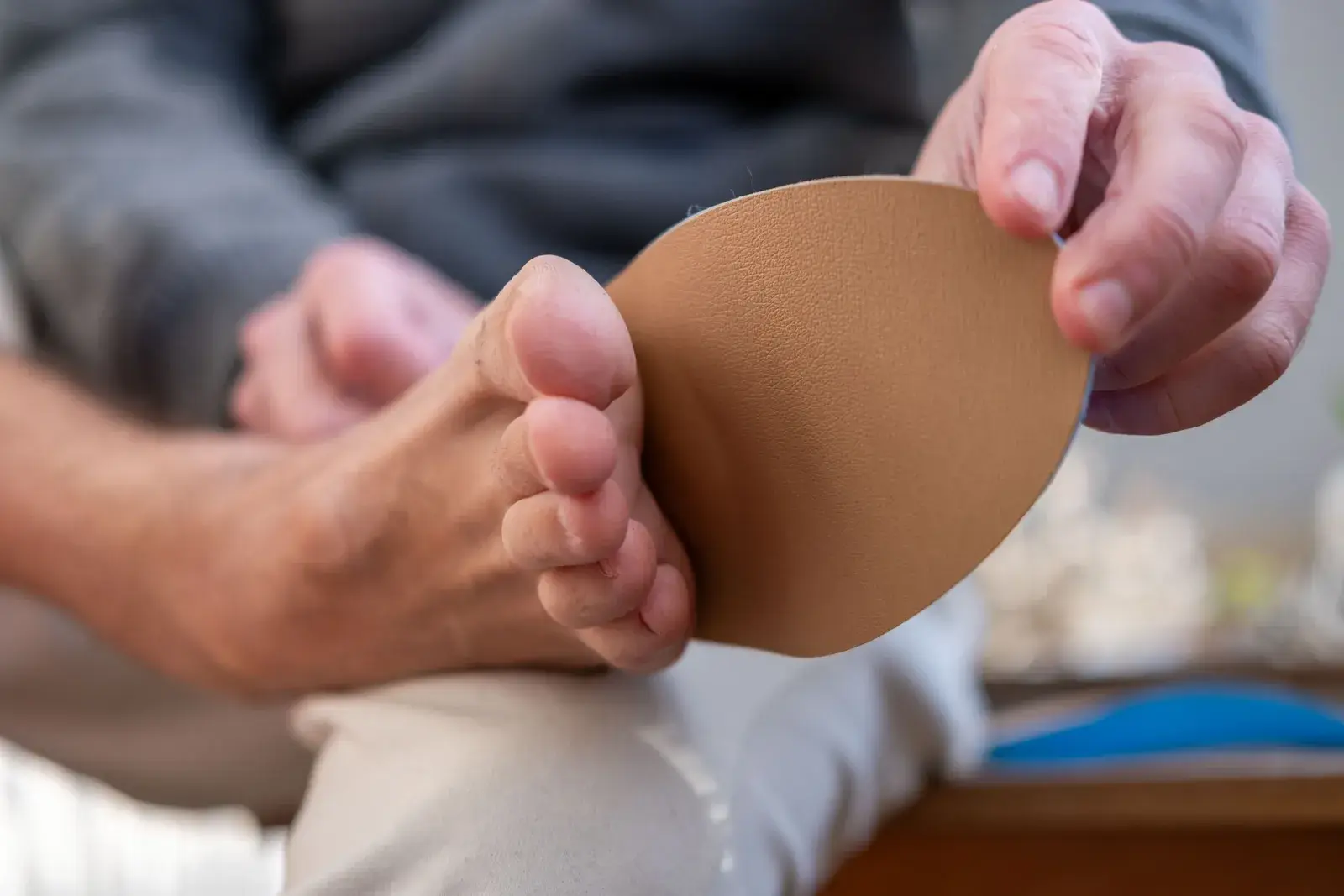
Taping and offloading reduce the upward bend and pressure on the injured joint so the ligament can settle. A common method is plantarflexion taping, which holds the toe slightly pointed down toward the floor. Buddy taping to the neighboring toe can also help keep it aligned. A therapist can show you how to apply tape safely at home.
Footwear matters: a stiff or rocker-soled shoe limits toe bending during walking, and avoiding high heels and barefoot walking on hard floors reduces load. A metatarsal pad positioned just behind the joint can shift pressure away. Some people use a short period in a walking boot if a physician recommends it.
Exercise focuses on strengthening the small intrinsic foot muscles and the toe flexors, calf flexibility and strength, and balance. The short foot exercise is a common starting point for the arch muscles that support toe alignment.
- Plantarflexion and buddy taping
- Stiff-soled or rocker-soled footwear
- Metatarsal pad placement
- Intrinsic foot and toe flexor strengthening
- Calf flexibility and strength
- Reduced barefoot walking and high-impact forefoot loading
How long does a plantar plate tear take to settle without surgery?
Early-grade plantar plate injuries treated with taping and offloading often improve over a couple of months, though some need longer. Tears with toe deformity, crossover or significant instability are less likely to respond fully to conservative care and may need surgical repair.
Progress depends on the grade of the tear, how consistently the taping and footwear changes are used, and whether a bunion or long second metatarsal is adding stress. A therapist can help track whether pain, swelling and alignment are improving and when to suggest a specialist review.
If surgery is needed, rehab afterward follows the surgeon’s protocol and can include protected walking, gradual toe motion and strengthening. Starting with good habits around footwear and foot strength before surgery can help.
Indiana winters bring their own challenge. Many people switch to rigid winter boots or go barefoot more indoors from December to March, and both can change how the forefoot is loaded. A therapist can help you choose shoes and slippers that keep the joint protected through the season.
If you see a podiatrist as well, the two roles fit together. The podiatrist may handle orthotics, imaging or injections, while the therapist works on strength, gait and taping technique. Sharing notes between the two offices keeps the advice consistent.
The other half of the timeline is what happens after symptoms settle. Many people keep wearing supportive shoes, use tape for long walks or sport for a while, and continue foot strengthening a few times a week, because the joint can flare again if the original pressures return.
Should I keep walking on a sore second toe?
You can usually keep walking in supportive, stiff-soled shoes, but cut back on long walks, hills, running and court sports for now, and avoid going barefoot. If the toe is swollen, red, very painful or has started to drift or lift, see a physician or podiatrist, because protecting the joint early gives you a far better chance of avoiding a worse deformity.
Simple taping, a metatarsal pad and calf stretching are low-risk steps. Ice may reduce swelling after a long day. Golfers walking courses in Carmel and Westfield and pickleball players on the city’s courts may need to adjust volume or shoes for a while.
If pain under the toe has lasted more than a couple of weeks, fill in the two-minute physical therapy questionnaire. The matching team proposes a therapist in the network with an orthopedic focus, and the first visit guide explains what happens next.
When to see a physician or go to the ER first
Physical therapy is the right start for most plantar plate tear. These symptoms are different and need medical attention before, or instead of, a physical therapy visit:
- A toe that suddenly dislocates or crosses over
- Severe swelling, redness or warmth, with or without fever
- Numbness or color change in the toe
- A wound or ulcer under the forefoot, especially with diabetes
- Pain after a fall or crush injury with difficulty walking
If you think it is an emergency, call 911.
Two-minute assessment
Get your plantar plate tear looked at
Tell us how your plantar plate tear started, how long it has been going on and what it is stopping you from doing. The matching team proposes a therapist in the network who focuses on it, and you hear back, usually within one business day.
- No referral needed to start in Indiana (first 42 days)
- We check which therapists work with your plan before you book
- One-on-one care in a private suite at Carmel City Center
How therapists treat it
Kinds of care used for plantar plate tear
- Orthopedic physical therapyExercise-led care for back, neck, shoulder, hip, knee and ankle problems, delivered one-on-one in a private suite.
- Gait trainingWalking-focused rehab that measures speed and balance, then practises the steps, turns, stairs and surfaces you need for daily life.
- Manual therapyHands-on joint and soft-tissue treatment that eases stiffness so the exercise part of your plan can do its job.
Questions
Plantar plate tear: what people ask
Information on this website is general education, not medical advice, a diagnosis or a treatment plan. Only a licensed clinician who examines you can advise on your condition. If you may be having a medical emergency, call 911.
Something we did not cover? Ask the matching team or ring (888) 353-9975.
Can a plantar plate tear heal on its own?
Mild injuries often settle with taping, offloading and footwear changes. Larger tears or a toe that is drifting may not heal fully without a specialist’s input.
Is a plantar plate tear the same as metatarsalgia?
No. Metatarsalgia describes pain under the ball of the foot from overload, while a plantar plate tear is damage to the ligament under a specific toe joint.
Why is my second toe drifting toward my big toe?
A weakened plantar plate and collateral ligaments can let the toe drift sideways or lift. It is a sign the joint is unstable and worth having assessed.
How long should I tape my toe?
Taping is often used for several weeks while the joint settles. A therapist can show you how and check that the tape is not too tight or irritating the skin.
Do I need surgery for a plantar plate tear?
Not always. Many people improve with conservative care, especially early. Surgery is considered for larger tears, deformity or persistent symptoms.
Can I keep running with a plantar plate injury?
Running usually pauses or drops sharply while the joint is painful and swollen, because push-off bends the toe upward hard. Cycling and swimming often keep fitness going, and running returns gradually once walking barefoot is comfortable.
Google reviews
What guests say about FlexWerk
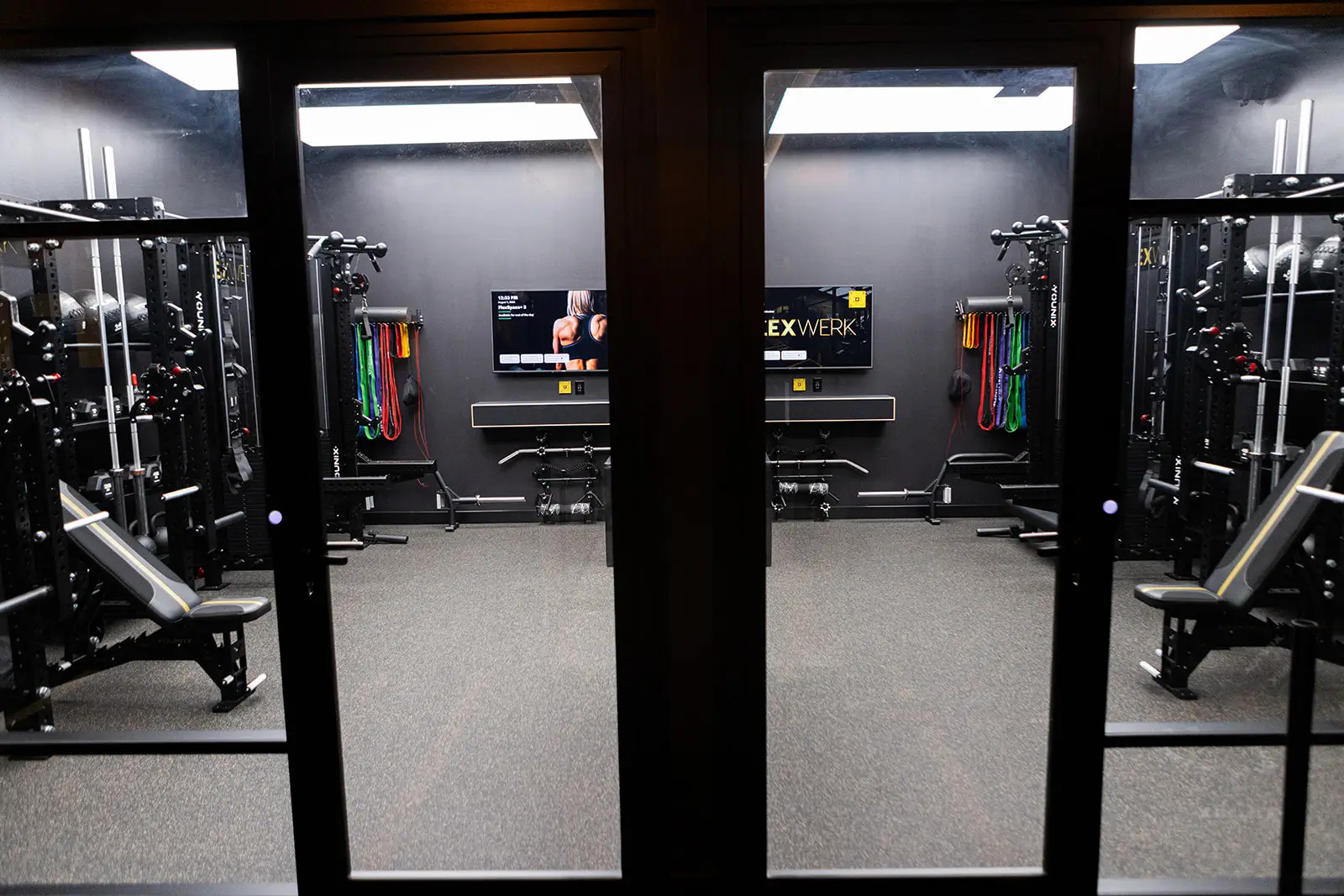
These are live Google reviews of FlexWerk at Carmel City Center, the private-suite facility where therapists in the network practise.
Related
Conditions that travel together
 Ball of foot painHelp for burning or bruised-feeling forefoot pain: calf and toe strength, gait changes, and smarter shoes and pads.
 Morton’s neuromaConservative care for burning or numb pain between the toes: roomier shoes, pad placement and forefoot load changes.
 Turf toeRehab for big toe joint sprains in field and court athletes: protection, restored toe motion and push-off strength, staged return to play.
Page reviewed By the Monon Therapy Collective editorial team

Carmel City Center · Carmel, Indiana
Start with a conversation
Tell us what hurts and what you want to get back to. We will tell you honestly whether a therapist in the network is likely a good fit for what you describe, and match you with an independent, licensed therapist who is. Only that therapist can assess what will help.
885 Monon Green Blvd, Suite 120, Carmel, IN 46032 · Monday to Friday 5 AM to 9 PM · Saturday and Sunday 7 AM to 4 PM