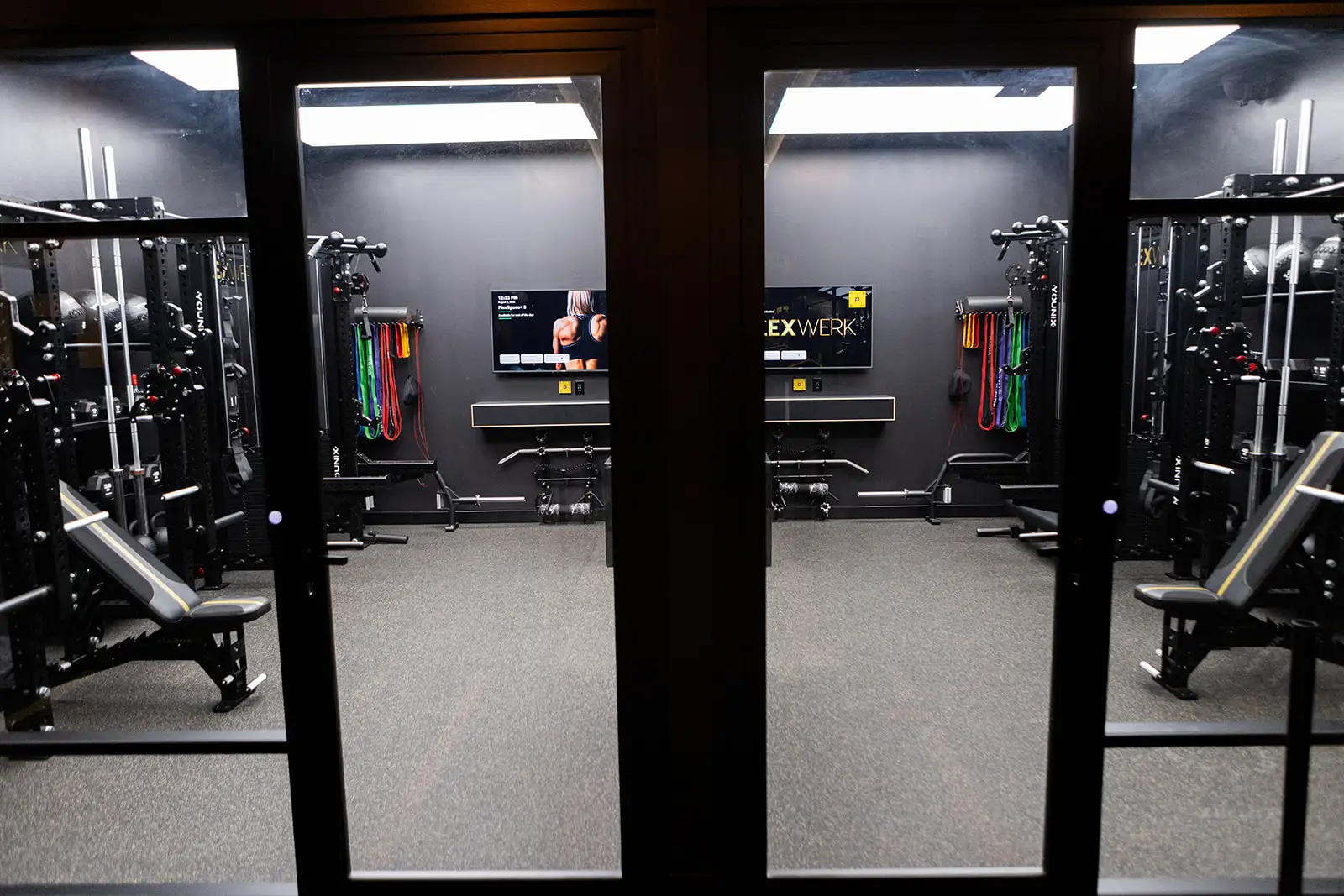
Turf toe physical therapy in Carmel, Indiana
Turf toe is a sprain of the ligaments under the big toe joint, usually from the toe being forced upward while the heel is off the ground, and physical therapy restores the joint’s motion and push-off strength after an initial period of protection. In Carmel, the Indiana-licensed physical therapist you are matched with grades how much the joint tolerates, keeps you fit while it heals, and stages your return to cutting, sprinting and jumping. Mild sprains often allow continued play with protective footwear; moderate sprains usually need a short rest; complete tears can take months and sometimes need surgery.
At a glance
Common signs of turf toe
Also called: First metatarsophalangeal joint sprain, Plantar plate injury of the big toe, Big toe sprain, Hallux MTP sprain.
How does a big toe get forced into turf toe?
Turf toe happens when the big toe is bent sharply upward while the forefoot is planted and the heel is raised, stretching or tearing the plantar plate and ligaments under the joint. The plantar plate is a thick, fibrous pad on the underside of the joint that stops the toe from bending too far upward. A classic example is a football or soccer player whose toe is jammed into the ground as another player lands on the back of their leg.
The name comes from artificial turf, which grips cleats and does not give, and flexible, lightweight shoes add to the risk. It also happens on basketball and volleyball courts, in dance and in martial arts. Youth and adult athletes at Grand Park in Westfield and on local turf fields across Hamilton County are familiar with the pattern.
Because it is an acute injury, most people can name the moment it happened. That distinguishes it from big toe arthritis, called hallux rigidus, which stiffens the same joint gradually, and from inflammation of the small sesamoid bones under the joint.
What separates a grade 1 turf toe from a grade 3?
The grade depends on how much of the plantar complex under the joint is damaged. A grade 1 sprain is a stretch with pinpoint tenderness and mild swelling. A grade 2 is a partial tear with wider tenderness, swelling, bruising and clearly limited motion. A grade 3 is a complete tear with severe pain, swelling and difficulty moving the toe at all.
A therapist assesses this by pressing around the joint, gently testing how far the toe bends up and down, checking the stability of the joint, and asking you to walk and rise onto your toes if that is tolerated. Comparison with the other foot is key.
The therapist will also look at the sesamoids, the two pea-sized bones under the joint, and at whether the big toe drifts sideways or sits higher than its neighbor. Those signs can mean the plantar complex has been badly torn or that a sesamoid has fractured or moved, both of which change the plan and the timeline.
Grade 2 and 3 injuries, or any sign of instability, a fracture or a sesamoid injury, call for X-rays and often MRI ordered by a physician. Some complete tears need surgical repair, and an orthopedic foot surgeon makes that decision.
What does rehab after turf toe involve from protection to push-off?
Rehab moves from protecting the joint while it heals, to restoring its motion, to rebuilding the strength and push-off needed for sport. Early on, that may mean a stiff-soled shoe, a carbon fiber insert or a walking boot, along with taping that limits the upward bend of the toe.
As pain allows, gentle range of motion work begins, often including joint mobilization by the therapist, because the big toe needs a good upward bend for normal walking and sprinting. Strength work targets the toe flexors, the calf and the arch, then progresses to heel raises, skipping, hopping and finally sprinting and cutting.
Conditioning continues throughout with cycling, swimming or upper-body work. In later stages, the indoor turf corridor outside the suites gives a realistic surface to rehearse acceleration, deceleration and cutting under supervision before you go back to the field.
Most athletes are surprised by how much of the work is about the big toe’s bend. Walking needs a moderate upward bend at push-off, and sprinting needs considerably more, so a toe that heals stiff will change how you run. That is why gentle motion is started as early as the injury allows, rather than waiting for all pain to go.
- Protection with a stiff shoe, insert, taping or boot as advised
- Gentle big toe mobility and joint mobilization
- Toe flexor, arch and calf strengthening
- Balance and single-leg control
- Progressive hopping, skipping and sprint drills
- Sport-specific cutting and return-to-play testing
How soon can I play again after turf toe?
Return to play depends on grade. Orthopedic guidance says a grade 1 sprain can often continue in sport with protective footwear and taping, a grade 2 sprain usually needs about 3 to 14 days of rest first, and a grade 3 tear needs several weeks of immobilization in a boot or cast before rehab, so a return is measured in months, longer still if surgery is needed.
Rather than counting days, a therapist looks for criteria: pain-free walking and jogging, enough upward bend of the toe for push-off, near-equal single-leg heel raises, and sprinting and cutting without limping. Return to sport testing makes those decisions more objective.
Returning too early can leave lasting stiffness and weak push-off, and the recognized long-term problems after turf toe include a bunion and a big toe that sits cocked up. A careful return is worth a little patience.
Footwear is often part of the return. Many athletes play the rest of the season with a stiffer cleat or court shoe, a carbon fiber insert or taping, and then wean off it once the toe has full strength and motion. Your therapist can help you test what you will actually wear on game day.
What should I do in the first days after jamming my big toe?
In the first days, protect the toe, limit walking to what is comfortable, and wear a stiff-soled shoe rather than flexible sneakers or cleats. Ice and elevation can ease swelling. Avoid testing the toe by pushing off hard, sprinting or jumping until you know how serious it is.
Seek medical care quickly if you cannot bear weight, the toe looks deformed, there is heavy bruising under the joint, or the toe feels loose. Those signs suggest a higher-grade injury or a fracture that needs imaging.
Once a serious injury is ruled out, start the foot and ankle assessment and mention your sport and season dates. The matching team proposes a therapist in the network with a sports physical therapy focus where possible.
When to see a physician or go to the ER first
Physical therapy is the right start for most turf toe. These symptoms are different and need medical attention before, or instead of, a physical therapy visit:
- Inability to bear weight or walk more than a few steps
- An obviously deformed or displaced big toe
- Heavy bruising under the joint or a toe that feels loose
- Numbness, color change or a cold toe
- Severe pain that is getting worse instead of better
If you think it is an emergency, call 911.
Two-minute assessment
Get your turf toe looked at
Tell us how your turf toe started, how long it has been going on and what it is stopping you from doing. The matching team proposes a therapist in the network who focuses on it, and you hear back, usually within one business day.
- No referral needed to start in Indiana (first 42 days)
- We check which therapists work with your plan before you book
- One-on-one care in a private suite at Carmel City Center
How therapists treat it
Kinds of care used for turf toe
- Sports physical therapyRehab for active adults that goes past pain relief to the strength, power and movement your sport actually demands.
- Return-to-sport testingCriteria-based testing of strength, hopping, movement and confidence, so your return to sport rests on evidence, not the calendar.
- Manual therapyHands-on joint and soft-tissue treatment that eases stiffness so the exercise part of your plan can do its job.
Questions
Turf toe: what people ask
Information on this website is general education, not medical advice, a diagnosis or a treatment plan. Only a licensed clinician who examines you can advise on your condition. If you may be having a medical emergency, call 911.
Something we did not cover? Ask the matching team or ring (888) 353-9975.
Can I play through turf toe?
Some athletes with mild sprains continue with a stiff insert and taping, but playing through a moderate or severe sprain can worsen the tear and prolong recovery. Have it graded first.
Does turf toe only happen on artificial turf?
No. It is more common on turf, but it also happens on grass, courts, dance floors and mats whenever the big toe is forced upward with the heel raised.
What is a carbon fiber plate for turf toe?
It is a stiff insert that slides into a shoe and limits how far the big toe bends, protecting the healing ligaments during walking and sport.
Will turf toe cause arthritis later?
The long-term problems recognized after turf toe are stiffness, weaker push-off, a bunion and a big toe that cocks upward, more often after severe injuries. Good rehab focuses on restoring motion and push-off to reduce that risk.
Do I need an X-ray for turf toe?
A physician often orders X-rays if pain or swelling is significant, to check for fractures or displaced sesamoid bones. Mild sprains may not need imaging.
How do I tape a big toe for turf toe?
Taping usually anchors around the toe and the forefoot to limit the upward bend. A therapist or athletic trainer can show you the method that suits your injury and sport, since too-tight taping can cause problems.
Google reviews
What guests say about FlexWerk
These are live Google reviews of FlexWerk at Carmel City Center, the private-suite facility where therapists in the network practise.
Related
Conditions that travel together
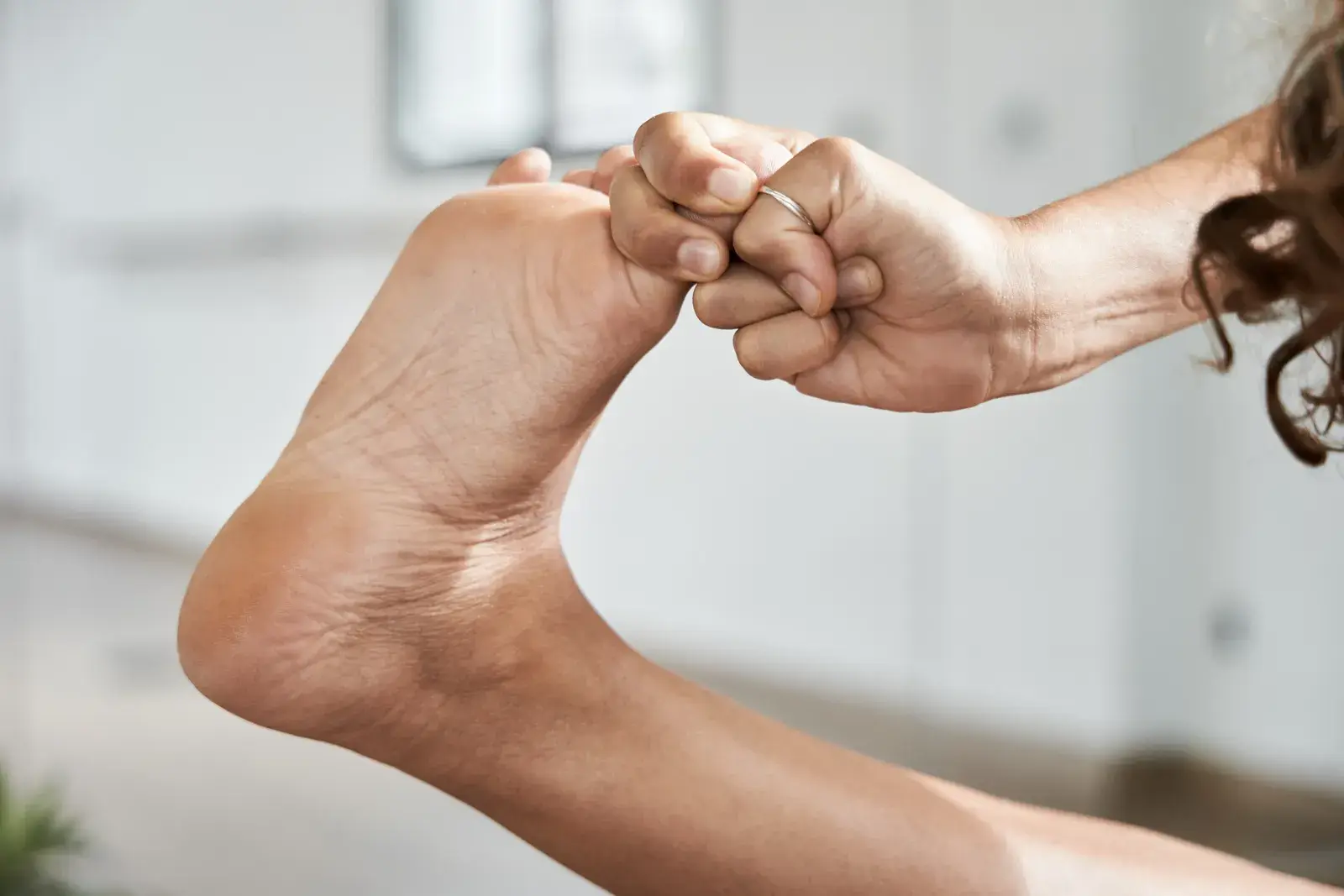 Hallux rigidusBig toe arthritis care built on stiffer shoes, joint mobility, calf and hip strength and a smoother push-off.
 SesamoiditisCare for pain under the ball of the big toe, using offloading first and graded return to running or dance after.
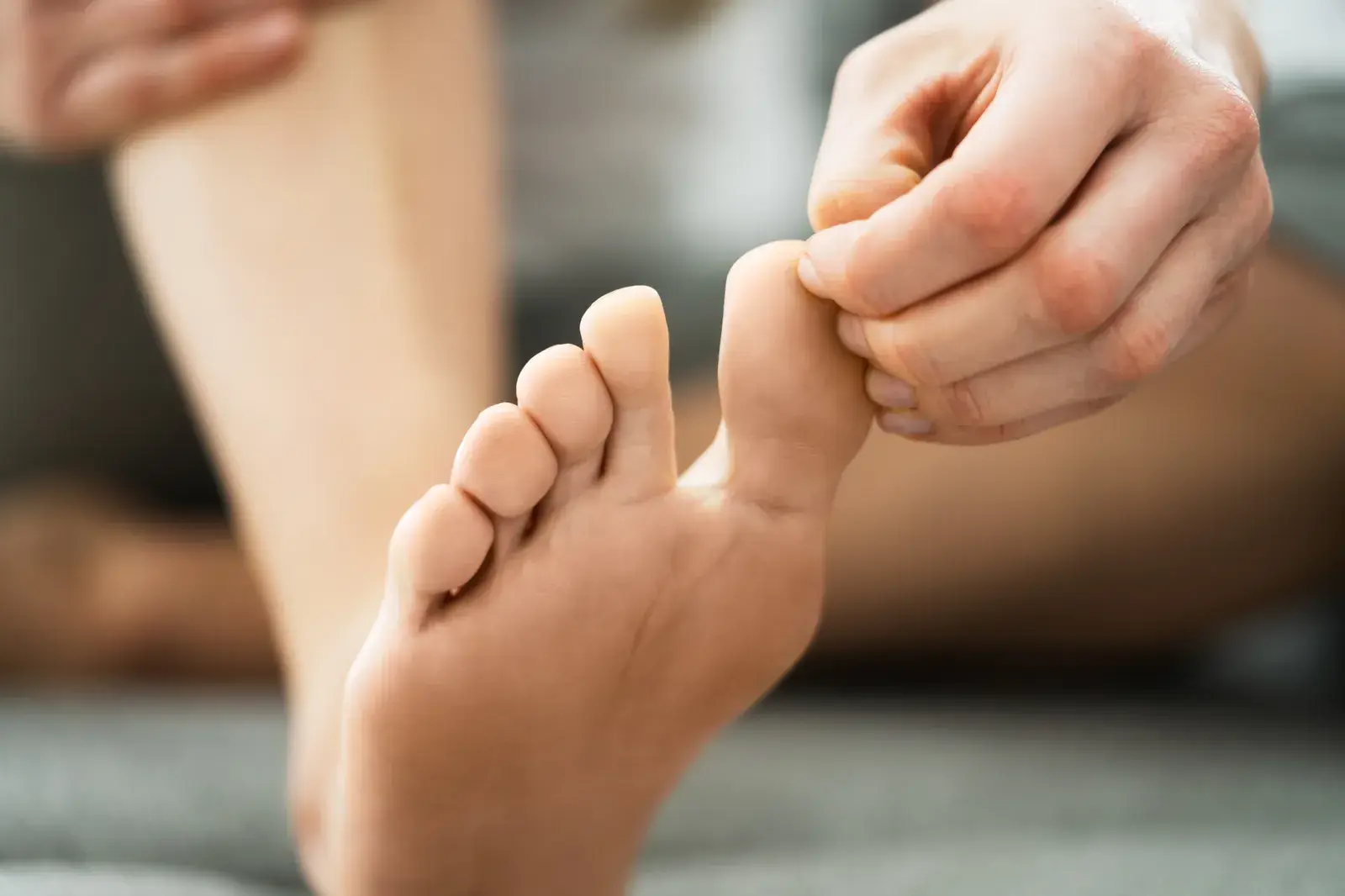 Plantar plate tearCare for pain under the second toe joint: taping, offloading, footwear and toe strength, with referral if the toe is drifting.
Page reviewed By the Monon Therapy Collective editorial team

Carmel City Center · Carmel, Indiana
Start with a conversation
Tell us what hurts and what you want to get back to. We will tell you honestly whether a therapist in the network is likely a good fit for what you describe, and match you with an independent, licensed therapist who is. Only that therapist can assess what will help.
885 Monon Green Blvd, Suite 120, Carmel, IN 46032 · Monday to Friday 5 AM to 9 PM · Saturday and Sunday 7 AM to 4 PM