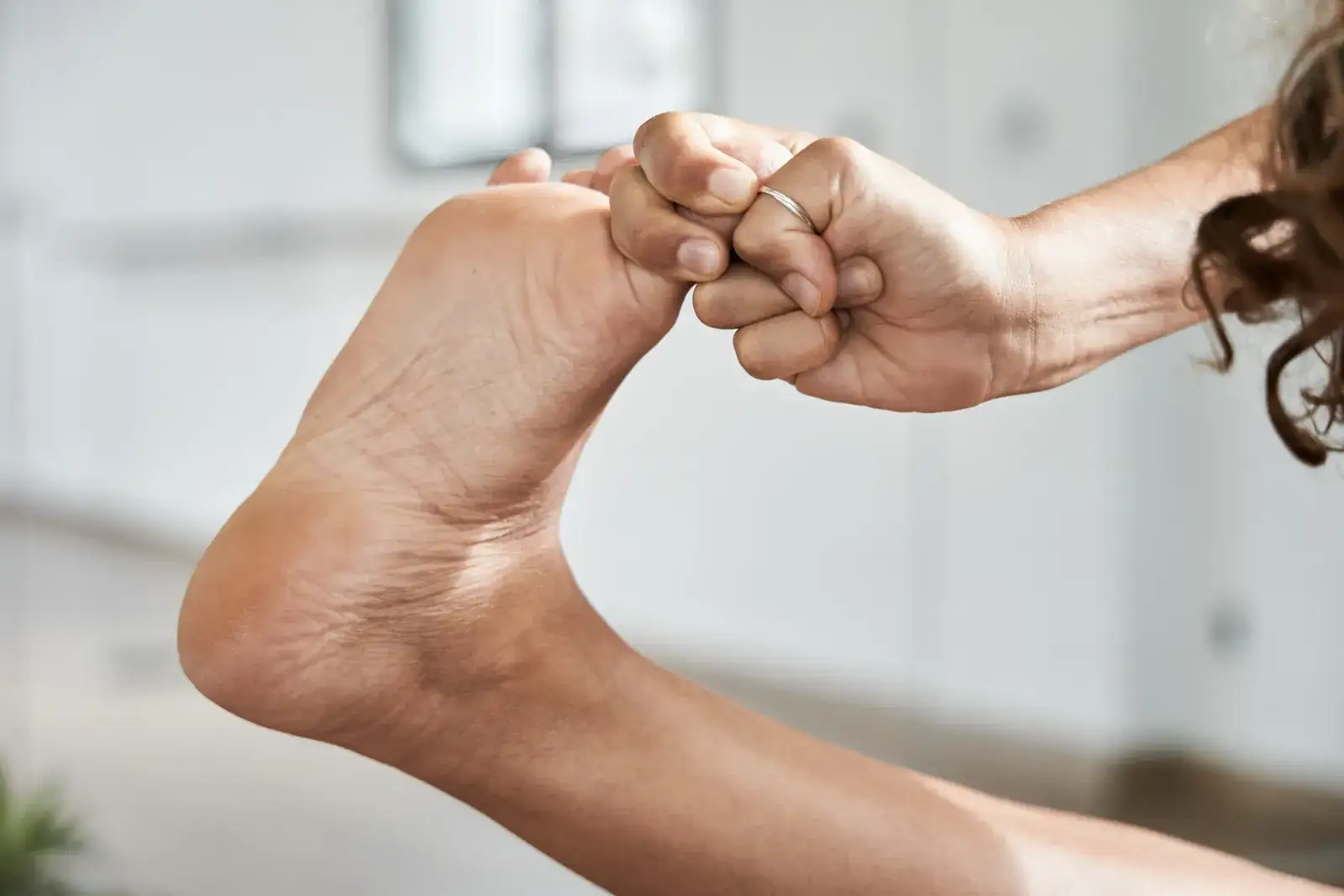
Hallux rigidus physical therapy in Carmel, Indiana
Hallux rigidus is arthritis of the joint at the base of the big toe, and physical therapy helps by easing the load on that joint at push-off rather than by reversing the wear. A licensed physical therapist in Carmel can combine footwear and insert advice, gentle joint mobilization, calf and hip strengthening and small changes to how you walk. Many people with mild to moderate big toe arthritis manage well this way, and surgery stays an option for those who do not.
At a glance
Common signs of hallux rigidus
Also called: Big toe arthritis, Hallux limitus, Stiff big toe, First MTP joint osteoarthritis.
Why does the base of my big toe hurt every time I push off?
The base of the big toe hurts at push-off because that is the moment the joint has to bend upward the most, and in hallux rigidus the worn cartilage and a bone spur on top of the joint block that motion. Each step jams the joint at the end of its shrinking range, which irritates the lining and the spur.
The joint involved is the first metatarsophalangeal joint, where the long bone of the foot meets the big toe. Early on, when the toe is only somewhat stiff, clinicians often call it hallux limitus. As the cartilage thins further, the range can shrink to very little, and the bump on top grows. A previous injury such as a turf toe sprain or a badly stubbed toe, a flat or rolling-in foot, a family history of foot problems and inflammatory arthritis can all make it more likely.
Because the toe will not bend, people unconsciously change how they walk. They roll off the outer edge of the foot, shorten the stride on the painful side or turn the foot outward. Those workarounds explain why hallux rigidus can bring along pain on the outside of the foot, in the calf or even the hip. The turf toe physical therapy page covers the acute sprain that sometimes starts this process.
What does a physical therapist measure in a stiff big toe?
A physical therapist measures how far the big toe bends up and down, how that compares with the other foot, and what happens to the toe when you actually walk, rise onto your toes and lunge. Pressing around the joint shows whether the sore spot is the spur on top or the sesamoid bones underneath, which changes the plan.
The rest of the examination looks above the toe. Calf length and strength, ankle bend, hip extension and single-leg balance all influence how hard the push-off phase loads the big toe. A stiff calf, for example, makes you lift the heel early and load the toe joint sooner in each step.
X-rays ordered by a physician or podiatrist grade how much joint space remains and show the size of the spur. Indiana lets you start with a physical therapist without a referral for up to 42 calendar days, and if the exam suggests something other than arthritis, such as gout, a fracture or an infection, the therapist will send you to a physician first.
- Upward and downward bend of the big toe, both feet
- Where the joint is tender: top, sides or underneath
- Walking, heel raises and a forward lunge on video or by eye
- Calf flexibility and strength, ankle bend and hip extension
- Your shoes, including how much the sole bends under the toes
Which treatments ease hallux rigidus without surgery?
The treatments that ease hallux rigidus without surgery reduce how much the joint has to bend, calm the irritated tissue and strengthen everything that shares the work. Footwear is usually the first lever: a shoe with a stiff sole or a rocker bottom lets the foot roll forward without forcing the toe upward.
An insert with a stiff extension under the big toe, sometimes called a Morton’s extension or a carbon plate, does a similar job inside shoes you already own. A therapist may also use gentle joint mobilization, gliding the toe and the sesamoid bones to free up whatever range is left, as part of the hands-on work described on the manual therapy page. These techniques ease symptoms for a while; they do not regrow cartilage.
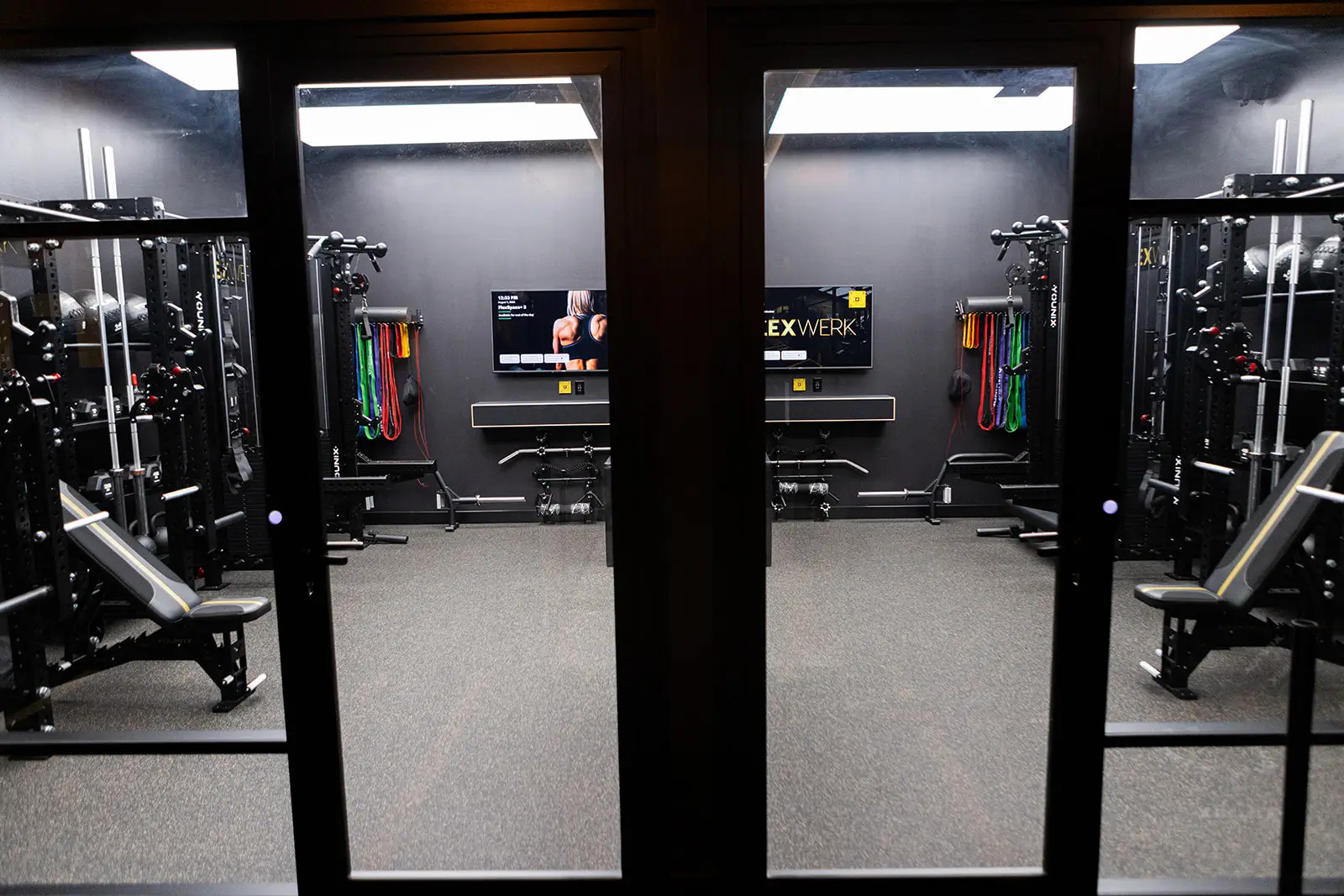
Strength work matters more than many people expect. A stronger calf and stronger hip extensors let you push off with less force concentrated through the toe, and foot muscle drills improve control. In a private suite with dumbbells and a cable system, that work can be loaded properly rather than kept to towel scrunches.
- Stiff-soled or rocker-bottom shoes, with room over the bump
- A carbon plate or stiff extension insert under the big toe
- Joint mobilization of the big toe and sesamoids
- Calf, hip and foot strengthening with progressive load
- Walking with a slightly shorter stride on hills and stairs
How long until big toe arthritis settles, and when is surgery discussed?
Many people notice a calmer joint within a few weeks of changing shoes and cutting back on the movements that jam the toe, and strength gains build over 6 to 12 weeks. The arthritis itself does not reverse, so the realistic goal is a joint that tolerates daily life, walking and sport with occasional, manageable flares.
Surgery is usually discussed when pain stays high despite shoes, inserts and exercise, or when the spur is large enough to block motion and rub on every shoe. A foot and ankle surgeon may suggest removing the spur (cheilectomy) for milder joints or fusing the joint for advanced wear. That decision belongs to the surgeon and you, and the recovery is outlined on the bunion surgery rehab page, which covers the same joint.
Your therapist cannot promise a timeline, but should tell you plainly at each review whether the joint is responding. If the toe is getting steadily worse despite good effort, that is useful information to take to a surgeon, not a failure.
What can I change this week if golf, pickleball or long walks hurt my big toe?
This week, the quickest win is limiting the specific moments that bend the toe hard. In golf, that is the follow-through, when the trail foot rolls up onto the big toe; a slightly shorter finish or a stiffer golf shoe reduces it. In pickleball and tennis, deep lunges toward the kitchen line load the toe heavily, so playing fewer games for a while helps.
For walkers, the flat paved surface of the Monon Trail is kinder than hills, and a stiff-soled shoe makes a longer walk possible. Yoga poses with the toes tucked under, sprint starts and wearing heels all bend the joint to its limit. Cycling in a stiff-soled shoe is usually comfortable and keeps your fitness going.
If the toe has been sore for more than a few weeks, start the foot and ankle physical therapy questionnaire and the matching team will call or text back to talk through a fit with a therapist in the network. Golfers can read more on physical therapy for golfers.
When to see a physician or go to the ER first
Physical therapy is the right start for most hallux rigidus. These symptoms are different and need medical attention before, or instead of, a physical therapy visit:
- A suddenly red, hot, very swollen big toe joint, which can be gout or infection
- Fever or feeling unwell with a painful, swollen joint
- A big toe injury with deformity or inability to bear weight
- Numbness, color change or a wound on the foot, especially with diabetes
- Severe pain at night that does not ease with rest or position
If you think it is an emergency, call 911.
Two-minute assessment
Get your hallux rigidus looked at
Tell us how your hallux rigidus started, how long it has been going on and what it is stopping you from doing. The matching team proposes a therapist in the network who focuses on it, and you hear back, usually within one business day.
- No referral needed to start in Indiana (first 42 days)
- We check which therapists work with your plan before you book
- One-on-one care in a private suite at Carmel City Center
How therapists treat it
Kinds of care used for hallux rigidus
- Orthopedic physical therapyExercise-led care for back, neck, shoulder, hip, knee and ankle problems, delivered one-on-one in a private suite.
- Manual therapyHands-on joint and soft-tissue treatment that eases stiffness so the exercise part of your plan can do its job.
- Running injury physical therapyFor Monon Trail regulars and race trainees: load management, strength and gait observation that keep you running while you heal.
Questions
Hallux rigidus: what people ask
Information on this website is general education, not medical advice, a diagnosis or a treatment plan. Only a licensed clinician who examines you can advise on your condition. If you may be having a medical emergency, call 911.
Something we did not cover? Ask the matching team or ring (888) 353-9975.
Is hallux rigidus the same as a bunion?
No. Both involve the big toe joint, but a bunion is a sideways drift of the toe with a bump on the inner side, while hallux rigidus is arthritis with a bump on top and loss of upward bend.
Can stretching the big toe make hallux rigidus worse?
Forcing a stiff, arthritic toe into a hard stretch often irritates it. Gentle, comfortable mobility work is usually fine, and a therapist will judge how far to go based on how the joint responds the next day.
Do I need orthotics for big toe arthritis?
Not always. A stiff-soled or rocker shoe may be enough, and an off-the-shelf carbon plate is a reasonable next step before anything custom. Learn more about how ball of foot pain is handled with inserts.
Can I keep running with hallux rigidus?
Many runners keep running with a stiffer shoe, a slightly shorter stride and a softer approach to hills. A painful, swelling toe after every run is a sign to scale back and get the joint assessed.
Will a cortisone injection help?
A physician may offer an injection to calm a flare, and some people get temporary relief. It does not change the joint mechanics, so footwear and strength work still matter afterward.
Google reviews
What guests say about FlexWerk
These are live Google reviews of FlexWerk at Carmel City Center, the private-suite facility where therapists in the network practise.
Related
Conditions that travel together
 Turf toeRehab for big toe joint sprains in field and court athletes: protection, restored toe motion and push-off strength, staged return to play.
 SesamoiditisCare for pain under the ball of the big toe, using offloading first and graded return to running or dance after.
 Ball of foot painHelp for burning or bruised-feeling forefoot pain: calf and toe strength, gait changes, and smarter shoes and pads.
Page reviewed By the Monon Therapy Collective editorial team

Carmel City Center · Carmel, Indiana
Start with a conversation
Tell us what hurts and what you want to get back to. We will tell you honestly whether a therapist in the network is likely a good fit for what you describe, and match you with an independent, licensed therapist who is. Only that therapist can assess what will help.
885 Monon Green Blvd, Suite 120, Carmel, IN 46032 · Monday to Friday 5 AM to 9 PM · Saturday and Sunday 7 AM to 4 PM