
Sesamoiditis physical therapy in Carmel, Indiana
Sesamoiditis is irritation of the two pea-sized bones under the ball of the big toe and the tendons around them, usually from repeated pressure in running, dance or court sports. Physical therapy works in two stages: first offloading the area with pads, footwear and activity changes, then gradually rebuilding load tolerance in the foot, calf and big toe. In Carmel, a licensed physical therapist can start without a referral and will send you to a physician for imaging if a sesamoid fracture is possible.
At a glance
Common signs of sesamoiditis
Also called: Sesamoid pain, Inflamed sesamoid bones, Sesamoid irritation.
What are the sesamoid bones, and why do they get irritated?
The sesamoid bones are two small bones embedded in a tendon under the head of the first metatarsal, at the ball of the big toe. They act like pulleys for the tendon that bends the toe down and they absorb weight every time you push off, so repeated pressure on the ball of the foot can irritate them and the tissue around them.
Sesamoiditis tends to show up in runners, dancers who spend long hours on demi-pointe, baseball catchers, and court athletes who push off hard. High arches, a stiff big toe and thin-soled or high-heeled shoes all increase pressure on the area. A rapid jump in training, like ramping mileage for the Carmel Marathon in April, is a common trigger.
The pain sits under the big toe joint, unlike a Morton’s neuroma, which usually burns between the third and fourth toes, or a plantar plate injury under the second toe. Your therapist will press carefully to tell these apart.
How can a clinician tell sesamoiditis from a sesamoid fracture or turf toe?
A clinician tells these apart from the history, the exact tender spot and, when needed, imaging. Sesamoiditis usually builds slowly over days or weeks of overuse. A fracture may follow a single hard landing or appear as a stress fracture after weeks of pounding, and turf toe follows a forced bend of the toe upward, usually during a sudden push-off.
During the examination, a physical therapist presses on each sesamoid, bends the toe up and down, checks for swelling and bruising, and watches you walk and rise onto your toes. Pain with very little pressure, marked swelling or an inability to bear weight raises the concern for a fracture.
In that case, the therapist will refer you to a physician or podiatrist for X-rays, and sometimes an MRI or bone scan, because a sesamoid fracture needs a period of protection that is different from simple irritation. Some people naturally have a sesamoid in two pieces, which can confuse X-ray readings, so comparing both feet is common.
The therapist will also look for anything that keeps loading the area: a stiff big toe, a high, rigid arch, a calf that limits ankle bend, or a running style that lands heavily on the forefoot. Those findings shape the loading phase later and help keep the sesamoids from flaring again once you are back to full training.
How do pads, shoes and loading work together in sesamoiditis rehab?
Pads and shoes take pressure off the sesamoids so they can calm down, and loading exercises then restore the foot’s tolerance so the problem does not return the moment you go back to running. Both halves matter: offloading without rebuilding leaves a fragile foot, and loading without offloading keeps the area irritated.
A felt pad shaped like a donut or a J cut out under the big toe joint redistributes weight around the sesamoids. A shoe with a stiff sole or a rocker bottom limits how far the toe bends. AAOS OrthoInfo notes that if symptoms persist, a physician may recommend a removable walking brace for 4 to 6 weeks.
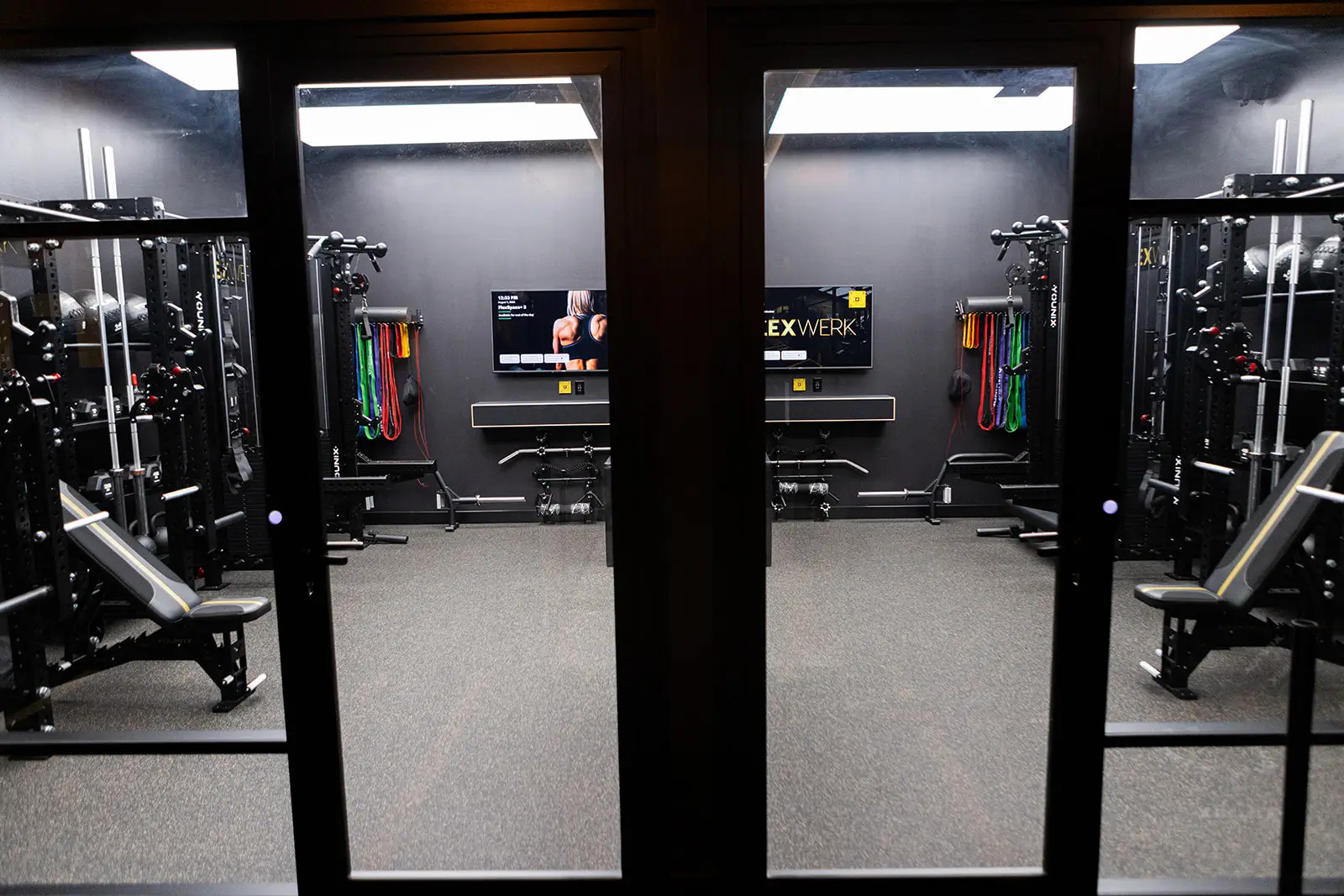
As pain settles, the therapist adds calf raises with the toe in a comfortable position, foot muscle work, big toe mobility and hip strength, then hopping and running drills. The suites have racks and dumbbells, so calf strength can be loaded meaningfully rather than only with bodyweight.
Gait changes can help too. Some runners do well with a slightly shorter stride and a slightly higher cadence, which softens the landing, while dancers may adjust how long they hold relevé in class for a few weeks. These are small, temporary tweaks rather than a complete overhaul of how you move.
- Felt donut or J-shaped pad cut out under the sesamoids
- Stiffer or rocker-sole shoes; lower heels for now
- Temporarily swapping running for cycling or swimming
- Calf and foot strength, then hopping and running drills
- Gradual return to dance, court sports or races
How long does sesamoiditis take to settle before running or dancing again?
Sesamoiditis often settles over several weeks to a few months, and AAOS OrthoInfo notes that recovery can be slow. Mild irritation caught early may ease within a few weeks of offloading. Longer-standing pain, or a case that turns out to involve a fracture, can take several months before full running or dance returns.
Return is usually staged: comfortable walking in normal shoes, then calf raises without pain, then hopping on the affected foot, then short run-walk sessions on flat ground. Dancers progress from flat-foot work to relevé and then to jumps. Each stage is judged by how the foot feels the next morning, not just during the session.
A return to running walk-run plan is a useful template, and your therapist adjusts it to the foot. If you are aiming at a spring race like the Indy Mini in May, building in time for setbacks is wise.
Flare-ups during the return are common and usually mean the last step came too quickly. Dropping back one stage for a few days, rather than stopping everything, tends to work better than resting completely and starting again from zero.
What should I stop doing today if the ball of my big toe hurts?
Today, stop the activities that press hardest on the ball of the foot: running, jumping, high heels, thin flats and barefoot work on hard floors. Swap in cycling with the pedal under the arch, swimming or upper-body training to stay fit while the area calms.
Wear a cushioned shoe with a stiff sole, and check the choosing running shoes after an injury guide before buying new pairs. Ice may ease soreness. Avoid stretching the big toe forcefully, and do not test it repeatedly by rising onto the toes.
If pain under the big toe has lasted more than a week or two, start the physical therapy questionnaire for foot pain. The matching team reads your answers and contacts you about a therapist in the network who works with runners and dancers. Dancers can also read physical therapy for dancers.
When to see a physician or go to the ER first
Physical therapy is the right start for most sesamoiditis. These symptoms are different and need medical attention before, or instead of, a physical therapy visit:
- Pain under the big toe after a hard landing with marked swelling
- Inability to bear weight on the front of the foot
- A red, hot, swollen big toe joint, which may be gout or infection
- Numbness or color change in the toes
- A foot wound or blister that does not heal, especially with diabetes
If you think it is an emergency, call 911.
Two-minute assessment
Get your sesamoiditis looked at
Tell us how your sesamoiditis started, how long it has been going on and what it is stopping you from doing. The matching team proposes a therapist in the network who focuses on it, and you hear back, usually within one business day.
- No referral needed to start in Indiana (first 42 days)
- We check which therapists work with your plan before you book
- One-on-one care in a private suite at Carmel City Center
How therapists treat it
Kinds of care used for sesamoiditis
- Running injury physical therapyFor Monon Trail regulars and race trainees: load management, strength and gait observation that keep you running while you heal.
- Sports physical therapyRehab for active adults that goes past pain relief to the strength, power and movement your sport actually demands.
- Orthopedic physical therapyExercise-led care for back, neck, shoulder, hip, knee and ankle problems, delivered one-on-one in a private suite.
Questions
Sesamoiditis: what people ask
Information on this website is general education, not medical advice, a diagnosis or a treatment plan. Only a licensed clinician who examines you can advise on your condition. If you may be having a medical emergency, call 911.
Something we did not cover? Ask the matching team or ring (888) 353-9975.
Can I run with sesamoiditis?
Usually not at first. Running loads the area heavily, so most people pause it and return through a graded plan once walking and calf raises are comfortable.
Do I need an X-ray for sesamoid pain?
Not always. A therapist will recommend imaging through a physician if a fracture is possible, such as after a hard landing or with marked swelling or pain on light pressure.
Is sesamoiditis the same as ball of foot pain?
It is one cause. Ball of foot pain can also come from the other metatarsals, a neuroma or a plantar plate injury.
Can high arches cause sesamoiditis?
High arches can concentrate pressure on the ball of the foot and are one recognized contributor. Shoes, training load and toe stiffness also play a part.
When is surgery used for sesamoid pain?
Surgery is uncommon and is usually reserved for fractures that do not heal or pain that persists after a long trial of conservative care. A foot and ankle surgeon makes that decision.
Google reviews
What guests say about FlexWerk
These are live Google reviews of FlexWerk at Carmel City Center, the private-suite facility where therapists in the network practise.
Related
Conditions that travel together
 Turf toeRehab for big toe joint sprains in field and court athletes: protection, restored toe motion and push-off strength, staged return to play.
 Hallux rigidusBig toe arthritis care built on stiffer shoes, joint mobility, calf and hip strength and a smoother push-off.
- Stress fractureRehab for bone stress injuries of the foot, shin and hip: protected loading, strength work and a staged walk-run return.
Page reviewed By the Monon Therapy Collective editorial team

Carmel City Center · Carmel, Indiana
Start with a conversation
Tell us what hurts and what you want to get back to. We will tell you honestly whether a therapist in the network is likely a good fit for what you describe, and match you with an independent, licensed therapist who is. Only that therapist can assess what will help.
885 Monon Green Blvd, Suite 120, Carmel, IN 46032 · Monday to Friday 5 AM to 9 PM · Saturday and Sunday 7 AM to 4 PM