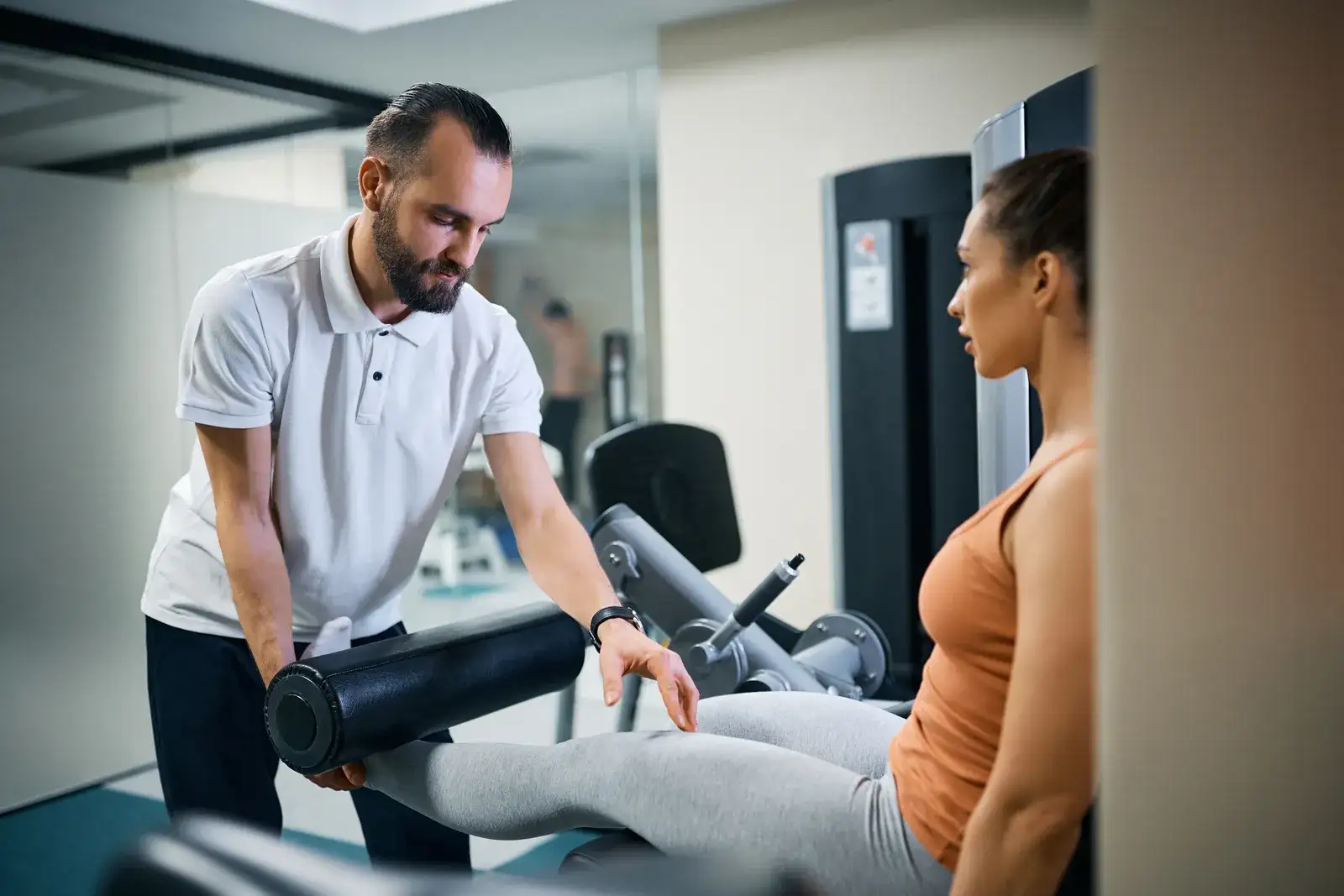
Blood flow restriction training in Carmel, Indiana
Blood flow restriction (BFR) training uses an inflatable cuff around the top of the arm or thigh to partly limit blood flow while you lift light loads, which lets muscles gain size and strength at weights far below what normal training needs. In rehabilitation it is used when an injury or operation means you cannot yet lift heavy, for example after knee surgery. It needs specific equipment, a medical screen and training in setting cuff pressure, so near Carmel, Indiana, the matching team checks whether a therapist in the network currently offers it before you book.
How does blood flow restriction training build strength with light weights?
BFR training works by limiting blood flow out of a working muscle and partly into it, so the muscle fatigues quickly at a light load and recruits more of its fibers. The result is a strength and size stimulus from loads that a recovering knee, shoulder or tendon can tolerate, which matters when muscle has been wasting during weeks of limited use.
The most cited methods guide, a 2019 position stand by Patterson and colleagues in Frontiers in Physiology, describes cuff pressures set at 40 to 80 percent of the pressure needed to stop arterial flow completely in that limb, loads of 20 to 40 percent of your one-repetition maximum, and a common scheme of 75 repetitions in four sets (30, 15, 15 and 15) with 30 to 60 seconds of rest between sets.
- Pressure: set from your own limb occlusion pressure, not a fixed number for everyone
- Load: roughly 20 to 40 percent of the most you could lift once
- Volume: often 30, 15, 15 and 15 repetitions, with short rests
- Frequency: commonly two to three sessions a week when used for training
Where BFR fits in rehab after knee surgery and other injuries
BFR is most often used in the early and middle phases of rehab, when the tissue is protected but the muscle around it needs to be rebuilt. The most familiar example is the quadriceps after ACL reconstruction, which weakens quickly and is slow to come back with light exercise alone. It is also used around knee osteoarthritis, after meniscus surgery, and for calf or shoulder weakness where heavy loading still hurts.
It is a bridge, not a replacement. As healing allows, plans move toward conventional heavier strength training, because heavy loading still builds tendon and bone capacity that light BFR work does not fully replace. When BFR is used after an operation, your surgeon’s protocol sets the timing and any limits, and many surgeons have their own view on whether to use it at all.
Who should not use a blood flow restriction cuff?
BFR is not for everyone, and screening before the first session is essential. The 2019 position stand says established clinical prediction rules for clot risk can be used before BFR, and it lists major orthopedic surgery, hip and long bone fractures and cancer among the known risk factors for a venous clot, which is exactly the group BFR is often proposed for, so screening is not a formality.
Screening questions typically ask about a past deep vein thrombosis or pulmonary embolism, a known clotting disorder, poorly controlled high blood pressure, significant heart or vascular disease, pregnancy, active cancer, an open wound or infection under the cuff, lymphedema in the limb, or poor circulation in the legs. Any of these can mean BFR is not appropriate, and your therapist checks with your surgeon or physician when the picture is unclear.
- A history of blood clots, or a family clotting disorder
- Uncontrolled blood pressure, or heart or peripheral vascular disease
- Pregnancy
- Active cancer or current treatment for it
- Lymphedema, a fistula or a wound where the cuff would sit
- Recent surgery, unless your surgeon has agreed to BFR use
What a BFR session feels like, and the warning signs to stop
A BFR session feels like ordinary light exercise that becomes very hard very quickly. The cuff tightens noticeably, the muscle burns and fatigues within the first set, and the limb may look flushed. Once the cuff comes off, those feelings fade within a minute or two, and next-day muscle soreness is common at first.
Stop and tell your therapist straight away if you feel sharp pain, numbness or tingling that spreads past the cuff, dizziness, or if the skin below the cuff turns pale or bluish. After a session, calf pain with swelling, warmth or redness, or sudden shortness of breath or chest pain, needs urgent medical care because it can signal a clot.
- Your limb occlusion pressure is measured, usually lying or seated, with the cuff on the limb
- The therapist sets a working pressure as a share of that reading
- You complete the sets with a light load and short rests, cuff inflated
- The cuff is released, and the therapist checks skin color, sensation and how you feel
- Heavier exercise without the cuff often follows in the same session
Equipment, training and how to ask for BFR through the network
Safe BFR depends on the right cuff and the right training, plus the patience to start gently. First sessions usually use lower pressures and fewer sets while the therapist sees how you respond. Systems designed for rehab measure limb occlusion pressure and set cuff pressure from it, and cuff width affects how much pressure is needed, so elastic bands or improvised straps from a gym are not a safe substitute. Therapists who use BFR typically complete a dedicated course covering the physiology, screening and pressure setting.
If you are interested, mention it on the questionnaire for after surgery or for the area you are rehabbing. The matching team checks whether a therapist in the network currently has BFR equipment and training, and tells you plainly if not. Either way, a strong post-surgical rehabilitation plan with progressive loading can be built in the suites, which have a rack, cable system and dumbbells for the heavier phase that follows.
Who it helps
Blood flow restriction training may be worth asking about if
- Your thigh or calf muscle has wasted after surgery or a long period on crutches
- Heavy lifting still hurts the joint or tendon, but you need to build strength
- You are in the middle phase of ACL, meniscus or other knee rehab and progress has stalled
- You have been screened and have no history of clots or circulation problems
- Your surgeon is comfortable with BFR in your rehab
Conditions
Problems this kind of care treats
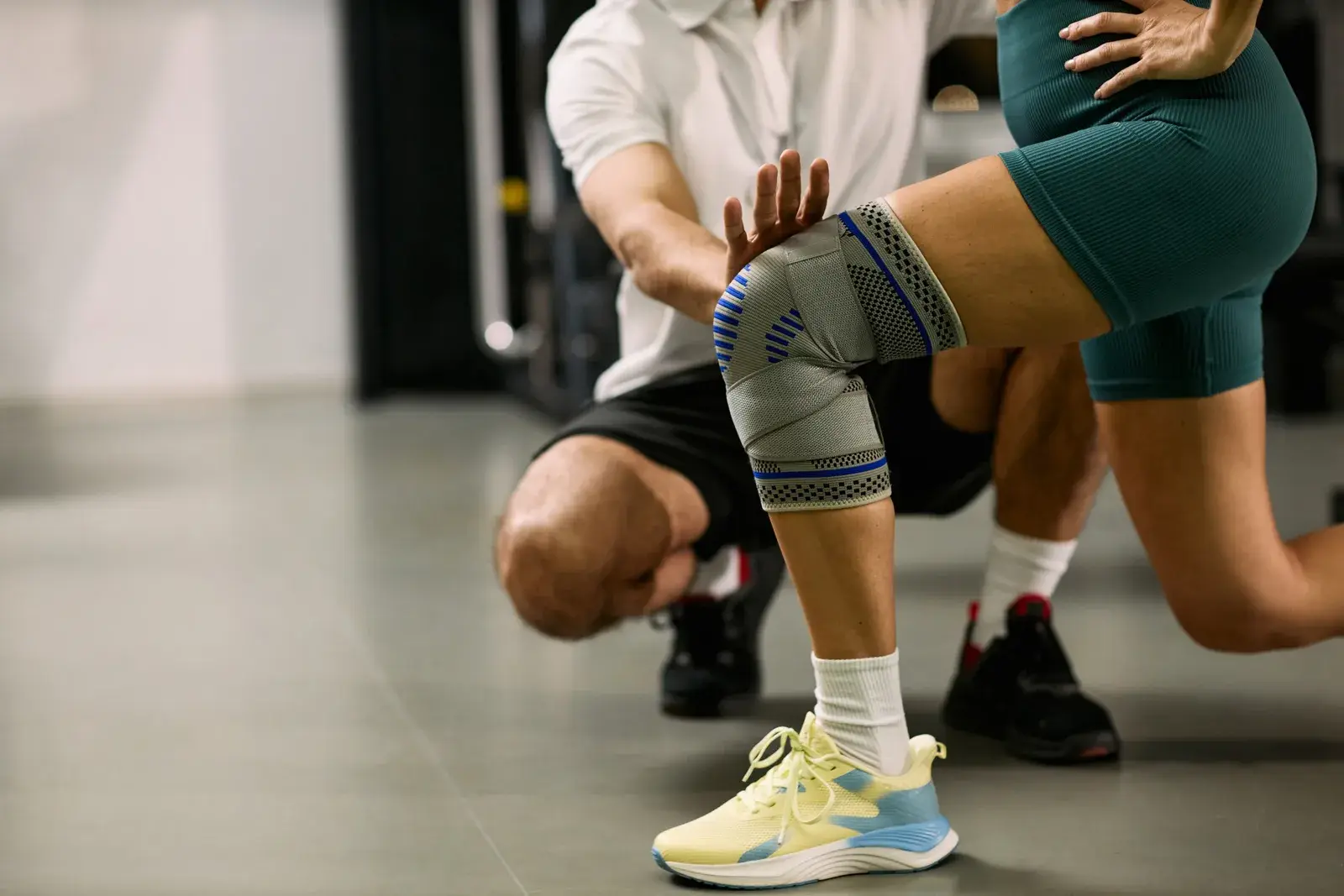 ACL injuryPrehab, post-reconstruction rehab and criteria-based return to sport for ACL injuries, one-on-one in a private suite.
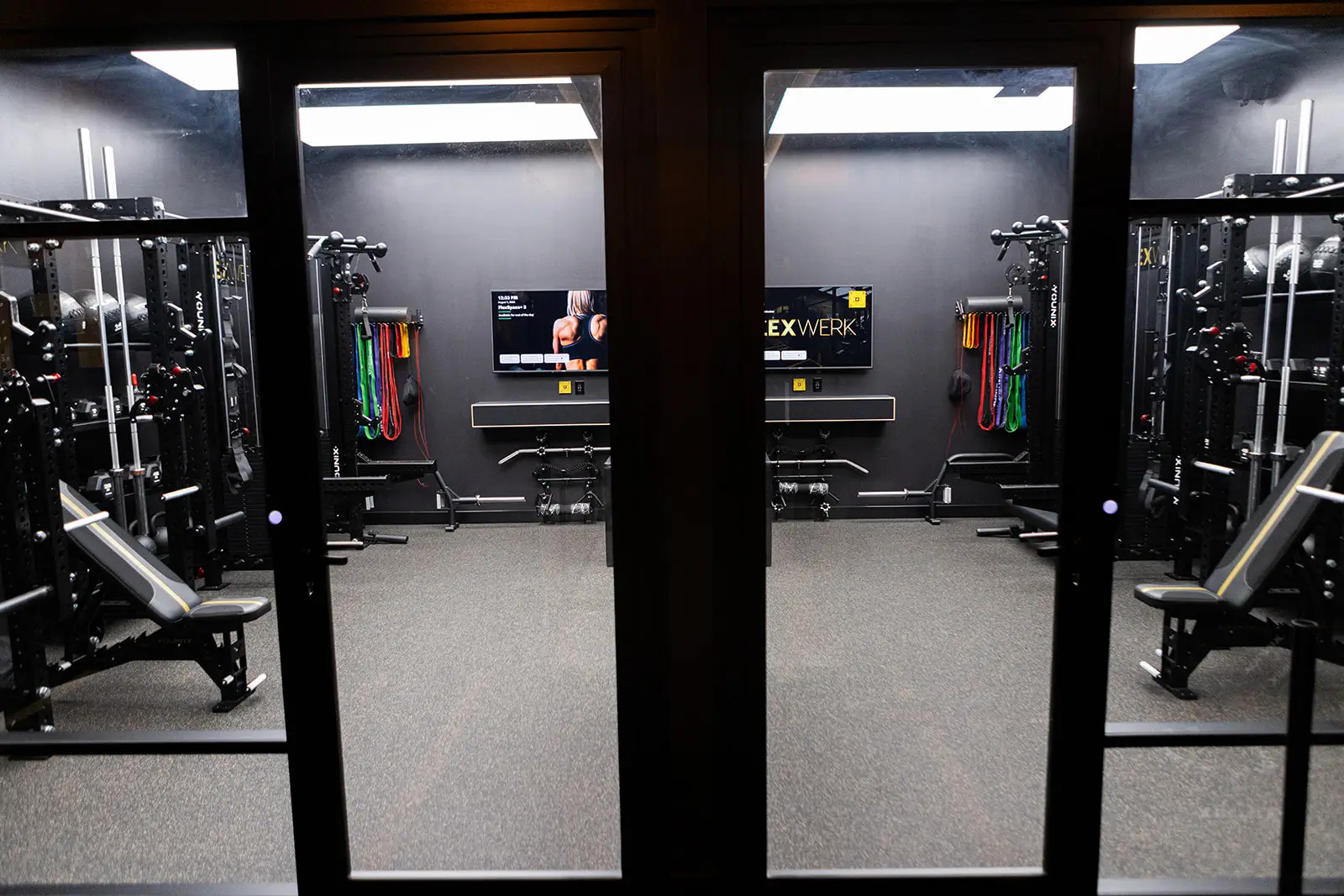 Knee osteoarthritisQuadriceps and hip strengthening, motion work and a walking plan for an arthritic knee, with guidance on braces, flares and surgery questions.
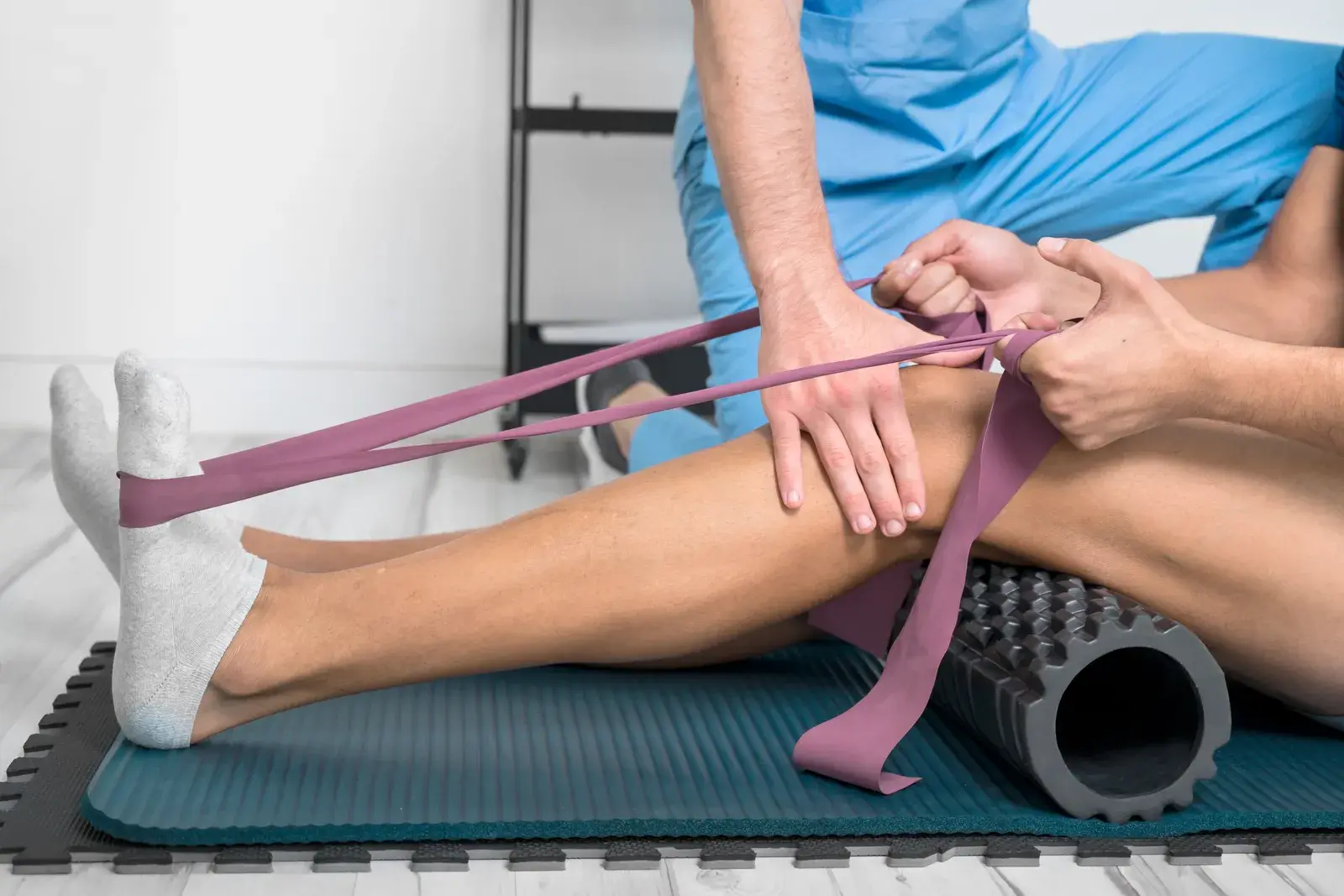 Meniscus tearExercise-based care for a torn meniscus, with clear signs for when locking or instability means a surgeon should look first.
Two-minute assessment
Not sure which therapist is right for you?
Answer a few questions about what hurts, how long it has been going on and what you want to get back to. Our matching team reads every answer and proposes a licensed physical therapist in the network whose focus, schedule and coverage fit. Two minutes, no obligation.
- No referral needed to start in Indiana (first 42 days)
- We check which therapists work with your plan before you book
- One-on-one care in a private suite at Carmel City Center
Questions
About blood flow restriction training
Information on this website is general education, not medical advice, a diagnosis or a treatment plan. Only a licensed clinician who examines you can advise on your condition. If you may be having a medical emergency, call 911.
Something we did not cover? Ask the matching team or ring (888) 353-9975.
Is blood flow restriction training safe?
For screened people using a proper cuff and individualized pressure, it is generally considered safe in rehab. The risks rise with poor screening, improvised equipment or pressures that are too high.
Can I do BFR training at the gym on my own?
It is not wise during rehab. Without measured limb occlusion pressure and a medical screen, there is no reliable way to know the pressure is safe for you.
How soon after ACL surgery can BFR be used?
That is your surgeon’s decision. Some protocols allow it within the first weeks, others later or not at all, and your therapist follows the protocol you were given.
Can BFR be used on the arms as well as the legs?
Yes. The cuff can go around the top of the arm for shoulder, elbow or arm weakness, and the methods guide gives pressure ranges for both upper and lower limbs. Pressure is still set from your own measured reading.
Does BFR hurt?
It is uncomfortable rather than painful: a tight cuff and a strong muscle burn that ease within a minute or two of release. Sharp pain or spreading numbness means stop.
How many weeks of BFR does a rehab plan usually include?
It varies with the injury and the surgeon’s protocol. The 2019 methods guide describes training two to three times a week for more than three weeks, and in rehab BFR is usually phased out once heavier loading is tolerated.
Will BFR replace heavy strength training?
No. It is a bridge for when heavy loading is not yet possible. Most plans move to conventional strength training as healing allows, often continued with post-rehab strength training.
Google reviews
What guests say about FlexWerk
These are live Google reviews of FlexWerk at Carmel City Center, the private-suite facility where therapists in the network practise.
Continue
Related services
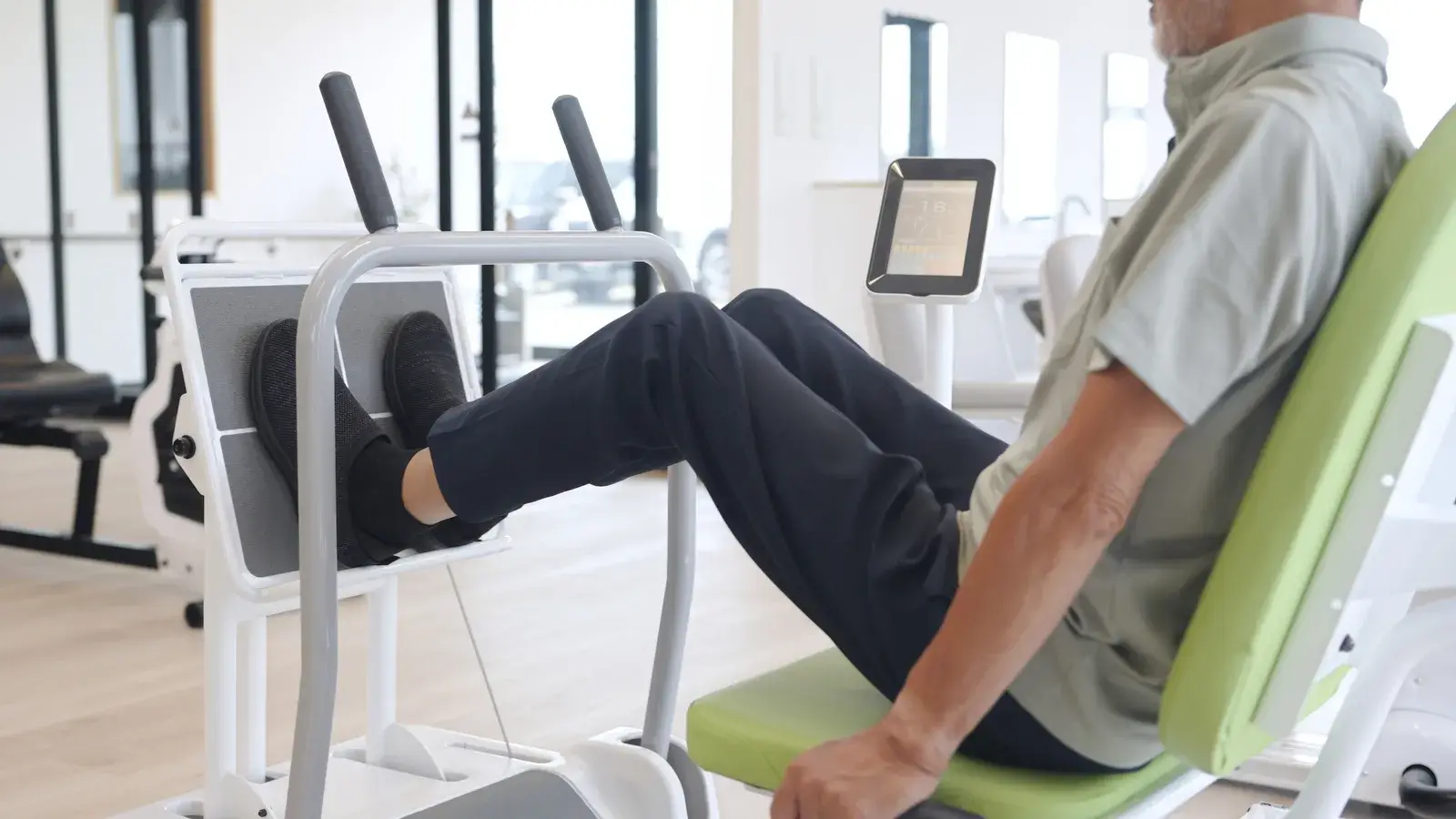 Post-surgical rehabilitationProtocol-led rehab after joint replacement, ligament, tendon and spine surgery, in a quiet private room instead of a crowded gym.
- Sports physical therapyRehab for active adults that goes past pain relief to the strength, power and movement your sport actually demands.
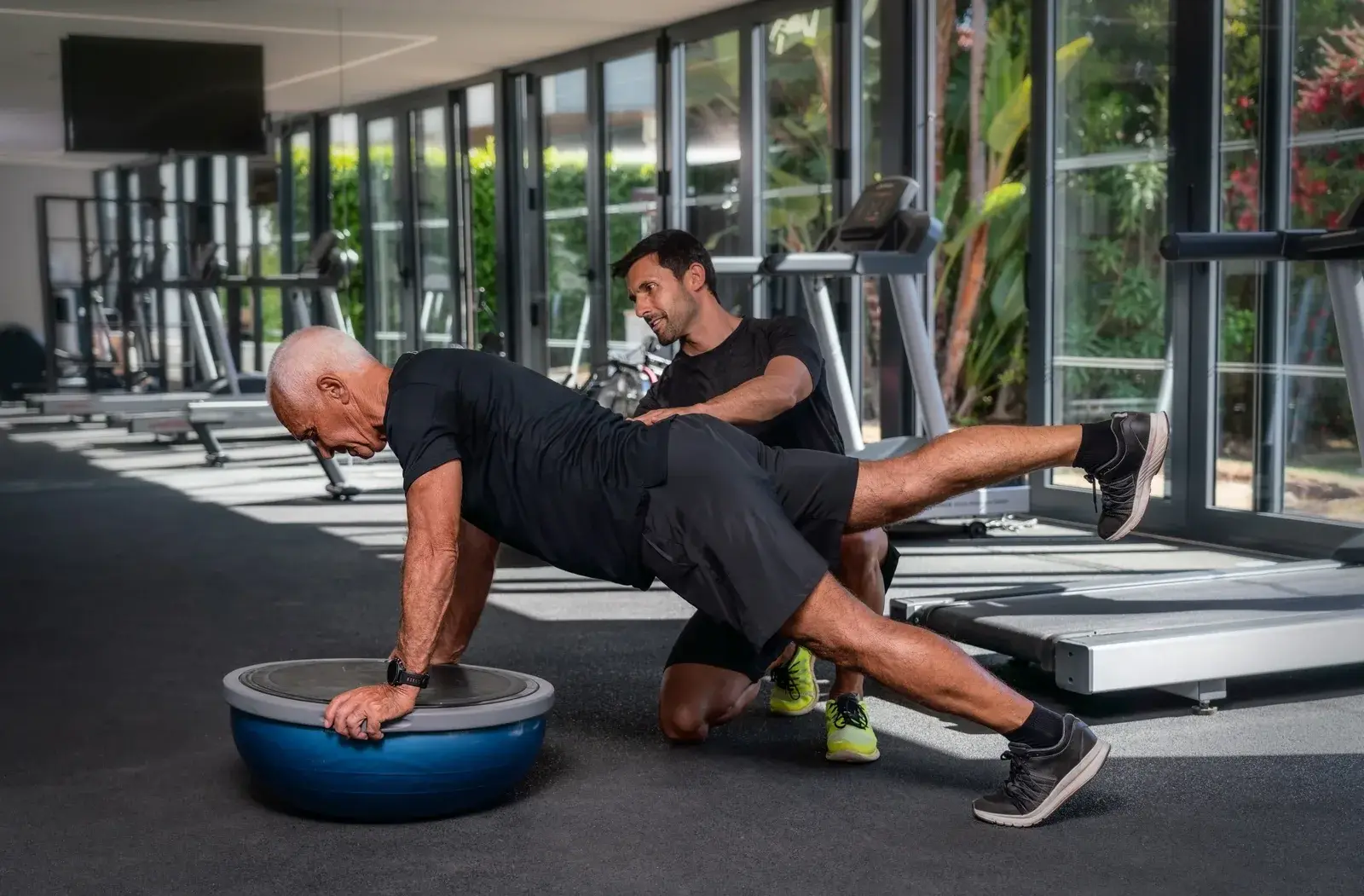 Return-to-sport testingCriteria-based testing of strength, hopping, movement and confidence, so your return to sport rests on evidence, not the calendar.
Page reviewed By the Monon Therapy Collective editorial team

Carmel City Center · Carmel, Indiana
Start with a conversation
Tell us what hurts and what you want to get back to. We will tell you honestly whether a therapist in the network is likely a good fit for what you describe, and match you with an independent, licensed therapist who is. Only that therapist can assess what will help.
885 Monon Green Blvd, Suite 120, Carmel, IN 46032 · Monday to Friday 5 AM to 9 PM · Saturday and Sunday 7 AM to 4 PM