
Functional capacity evaluation in Carmel, Indiana
A functional capacity evaluation (FCE) is a structured set of physical tests, such as lifting, carrying, pushing, sitting and standing, that measures what work you can safely do after an injury or illness. The results are written up as a report, often against the Department of Labor’s five strength levels from sedentary to very heavy, and are used in return-to-work, workers’ compensation and disability decisions. For people near Carmel, Indiana, whether a therapist in the network performs FCEs depends on who is practising at the time, and the matching team will confirm that before any booking.
Who asks for a functional capacity evaluation, and why?
An FCE is usually requested by someone who needs an objective answer about your physical work ability: a treating physician, a workers’ compensation case manager, an employer, a disability insurer or an attorney. The typical question is whether you can return to your old job, return with restrictions, or need a different kind of work.
FCEs are common near the end of a work injury claim, once treatment has gone as far as it reasonably can, and the report helps set permanent restrictions. They are also used before a return to physically demanding work after a long absence, such as a warehouse or trades job. If you are still early in recovery, regular work injury physical therapy usually comes first, and the FCE happens later.
Which physical tests make up a typical FCE?
A typical FCE begins with an interview and a physical examination, then moves through standardized tests of material handling, positional tolerance and hand function. The evaluator watches how you move, measures your heart rate response, and repeats certain tests to see whether results are consistent.
Protocols differ between evaluators, and some include job simulations built from your actual job description, such as stacking boxes onto a shelf, climbing a ladder or working with arms overhead. Length also varies: some protocols fit into one long session, while others split across two consecutive days to see how your body responds the following morning.
- Lifting from floor to waist, waist to shoulder and shoulder to overhead
- Carrying a weighted crate over a set distance, with one and two hands
- Pushing and pulling a sled or cart
- Sitting, standing and walking tolerance over time
- Kneeling, crouching, stair climbing and reaching
- Grip strength, pinch strength and fine dexterity tests
How are FCE results matched to Department of Labor strength levels?
Many FCE reports classify your lifting ability using the five strength levels defined by the US Department of Labor in the Dictionary of Occupational Titles. Each level combines how much you can lift and how often: occasionally means up to one third of the workday, frequently means one third to two thirds, and constantly means two thirds or more.
Your report compares the level you demonstrated with the level your job requires. A job rated medium with a tested light capacity, for example, points toward restrictions or further conditioning, which some people address through a structured strengthening program afterward.
- Sedentary: up to 10 pounds occasionally, mostly sitting
- Light: up to 20 pounds occasionally and up to 10 pounds frequently
- Medium: 20 to 50 pounds occasionally and 10 to 25 pounds frequently
- Heavy: 50 to 100 pounds occasionally and 25 to 50 pounds frequently
- Very heavy: over 100 pounds occasionally and over 50 pounds frequently
How should you prepare for a functional capacity evaluation?
Prepare for an FCE the way you would for a long, physical workday: sleep well, eat normally, take your usual medicines unless your doctor says otherwise, and wear comfortable clothes with the footwear your job requires. Bring your job description, a list of medicines and any restrictions you have been given.
During testing, give honest effort and report pain as it happens. Evaluators are trained to stop a test when your movement becomes unsafe, and consistency checks compare repeated efforts, so pushing past safe limits or holding back both tend to show up in the data. You are allowed to ask what each test is for and to say when something hurts.
- Bring a written job description, including weights and how often you handle them
- Wear work boots if your job requires them, plus loose comfortable clothing
- List your current medicines and any devices such as braces
- Plan transport home, because many people feel tired or sore afterward
What happens after the FCE report is written?
Once testing is complete, the evaluator writes a report that summarizes the strength level you demonstrated, how long you tolerated sitting, standing and walking, which positions were limited, and how consistent your effort was across repeated tests. It usually ends with recommendations, such as returning to full duty, returning with specific restrictions, or further conditioning first.
The report goes to whoever requested it, and decisions are then made by your physician, employer, case manager or insurer rather than by the evaluator. If the recommendation is more conditioning, some people move into a structured, job-focused strengthening program that rebuilds lifting and endurance step by step.
If you disagree with the findings, talk first with your treating physician, and in a claim with your case manager or attorney. Keep your own copy of the report and a note of anything on the day, such as a flare of pain, that you think affected the results.
Can you arrange an FCE through the matching team?
Functional capacity evaluations are not something the network can promise, because they need a therapist trained in a specific FCE protocol, and whether one is practising in the suites varies. If you need one, say so in the questionnaire, and the matching team will tell you before anything is booked whether a therapist in the network performs FCEs, or point you elsewhere if not.
In a workers’ compensation claim, check with your case manager or adjuster before arranging any evaluation, since the claim usually controls who performs it and who pays. How those claims generally work in Indiana is explained on workers’ compensation physical therapy in Indiana. For any other request, begin with the online questionnaire.
Who it helps
An FCE may be on your list if
- Your doctor or case manager has asked for an objective measure of your work ability
- You are near the end of treatment for a work injury and restrictions need to be set
- You are returning to a physically demanding job after a long absence
- A disability or insurance claim needs documented physical limits
Conditions
Problems this kind of care treats
 Low back painActive, one-on-one care for new or long-running low back pain, from first flare-up to confident lifting.
 Herniated discCalming a bulging or herniated lumbar disc with directional exercise, graded loading and a plan for sitting and lifting again.
 Rotator cuff injuryProgressive loading for cuff tendinopathy and tears, plus protocol-led rehab after surgical repair.
- Repetitive strain injuryCare for forearm, wrist, hand and neck pain from repeated work, combining strengthening with workstation changes.
Two-minute assessment
Not sure which therapist is right for you?
Answer a few questions about what hurts, how long it has been going on and what you want to get back to. Our matching team reads every answer and proposes a licensed physical therapist in the network whose focus, schedule and coverage fit. Two minutes, no obligation.
- No referral needed to start in Indiana (first 42 days)
- We check which therapists work with your plan before you book
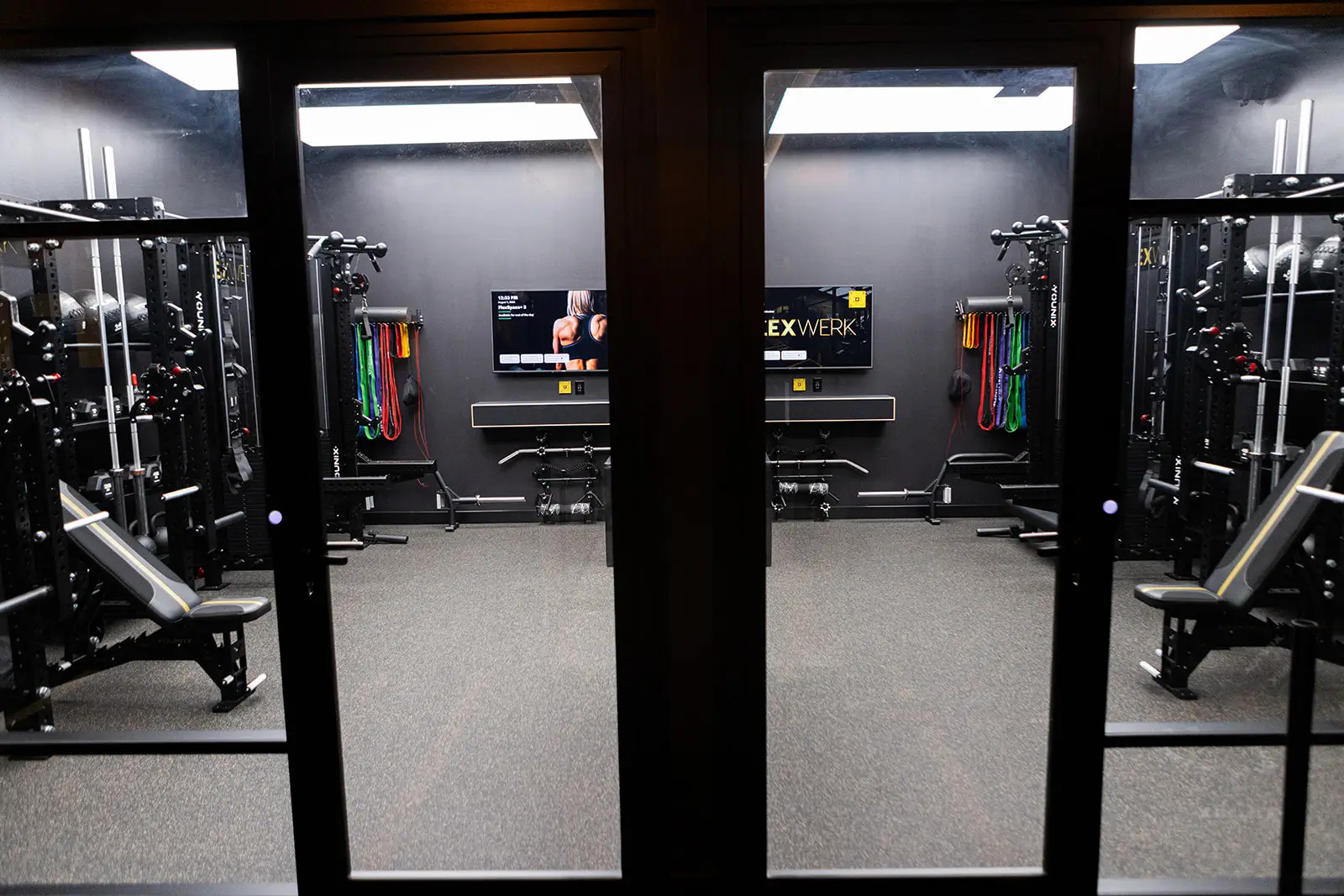
- One-on-one care in a private suite at Carmel City Center
Questions
About functional capacity evaluation
Information on this website is general education, not medical advice, a diagnosis or a treatment plan. Only a licensed clinician who examines you can advise on your condition. If you may be having a medical emergency, call 911.
Something we did not cover? Ask the matching team or ring (888) 353-9975.
Is a functional capacity evaluation the same as physical therapy?
No. An FCE is a test that measures and documents your abilities, while physical therapy is treatment designed to change them. Some people have therapy first and an FCE afterward.
Can I fail a functional capacity evaluation?
There is no pass or fail. The report describes what you could safely do on the day, and how consistent your effort appeared, which others then use to make decisions.
Will an FCE make my pain worse?
Some soreness the next day is common after hours of testing. The evaluator should stop any test that looks unsafe, and you can report pain at any point.
Who receives the FCE report?
Usually the person or organization that requested it, such as your physician, case manager or insurer. Ask at the start who will get a copy and whether you can have one too.
Can a physical therapist give me a note for work instead?
Sometimes a simpler work note is enough for short-term restrictions. What therapists can provide is covered in can a physical therapist write a work note.
Can I bring someone with me to a functional capacity evaluation?
Policies differ between evaluators, so ask when the appointment is arranged. Most people attend alone for the testing itself, but you should always arrange a ride home in case you feel tired afterward.
Google reviews
What guests say about FlexWerk
These are live Google reviews of FlexWerk at Carmel City Center, the private-suite facility where therapists in the network practise.
Continue
Related services
 Work injury physical therapyJob-specific rehab after an on-the-job injury, planned around the real lifting, standing or desk demands you need to return to.
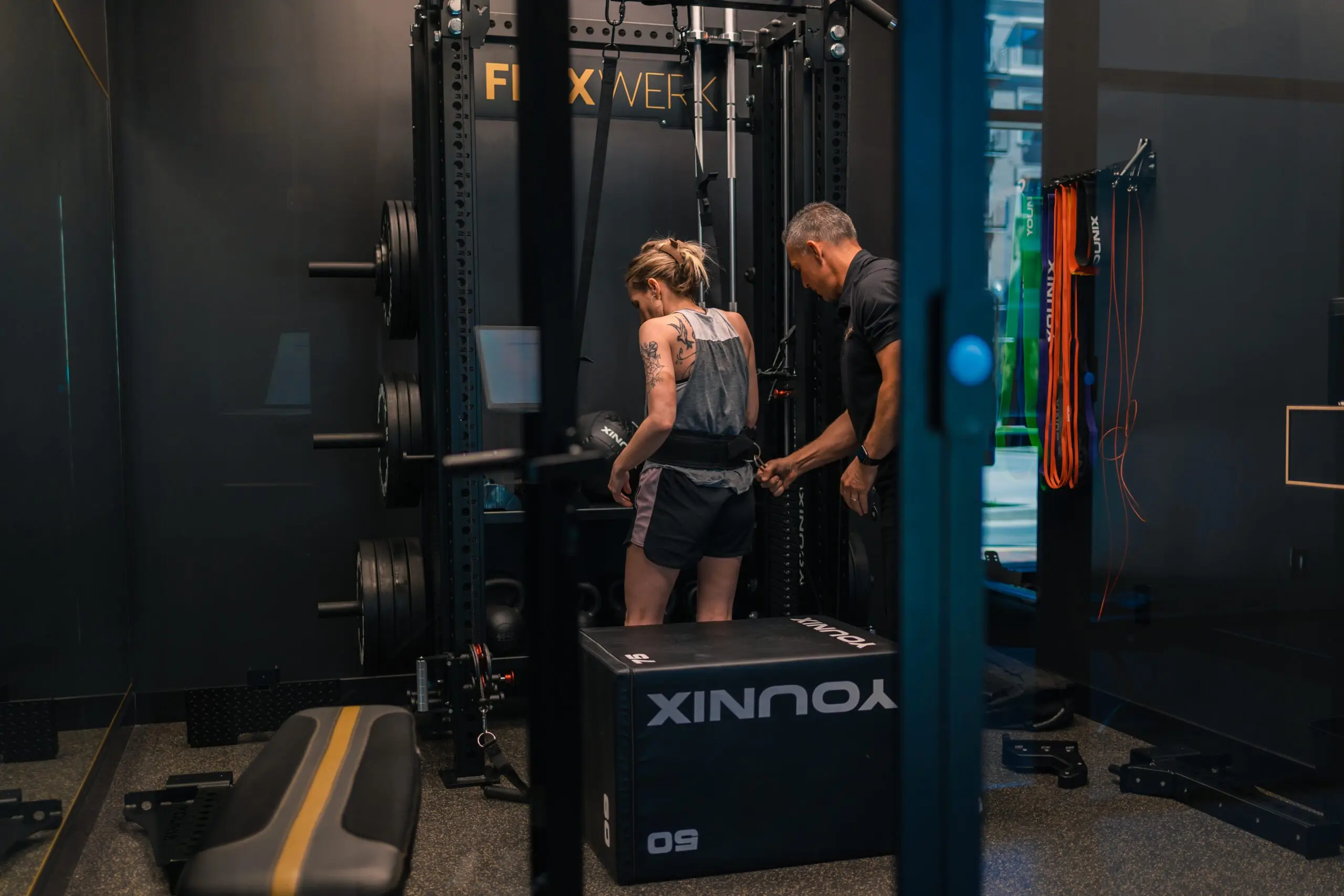 Post-rehab strength trainingThe bridge from discharge to lasting strength: a written handoff from your therapist to a FlexWerk coach in the same building.
 Orthopedic physical therapyExercise-led care for back, neck, shoulder, hip, knee and ankle problems, delivered one-on-one in a private suite.
Page reviewed By the Monon Therapy Collective editorial team

Carmel City Center · Carmel, Indiana
Start with a conversation
Tell us what hurts and what you want to get back to. We will tell you honestly whether a therapist in the network is likely a good fit for what you describe, and match you with an independent, licensed therapist who is. Only that therapist can assess what will help.
885 Monon Green Blvd, Suite 120, Carmel, IN 46032 · Monday to Friday 5 AM to 9 PM · Saturday and Sunday 7 AM to 4 PM