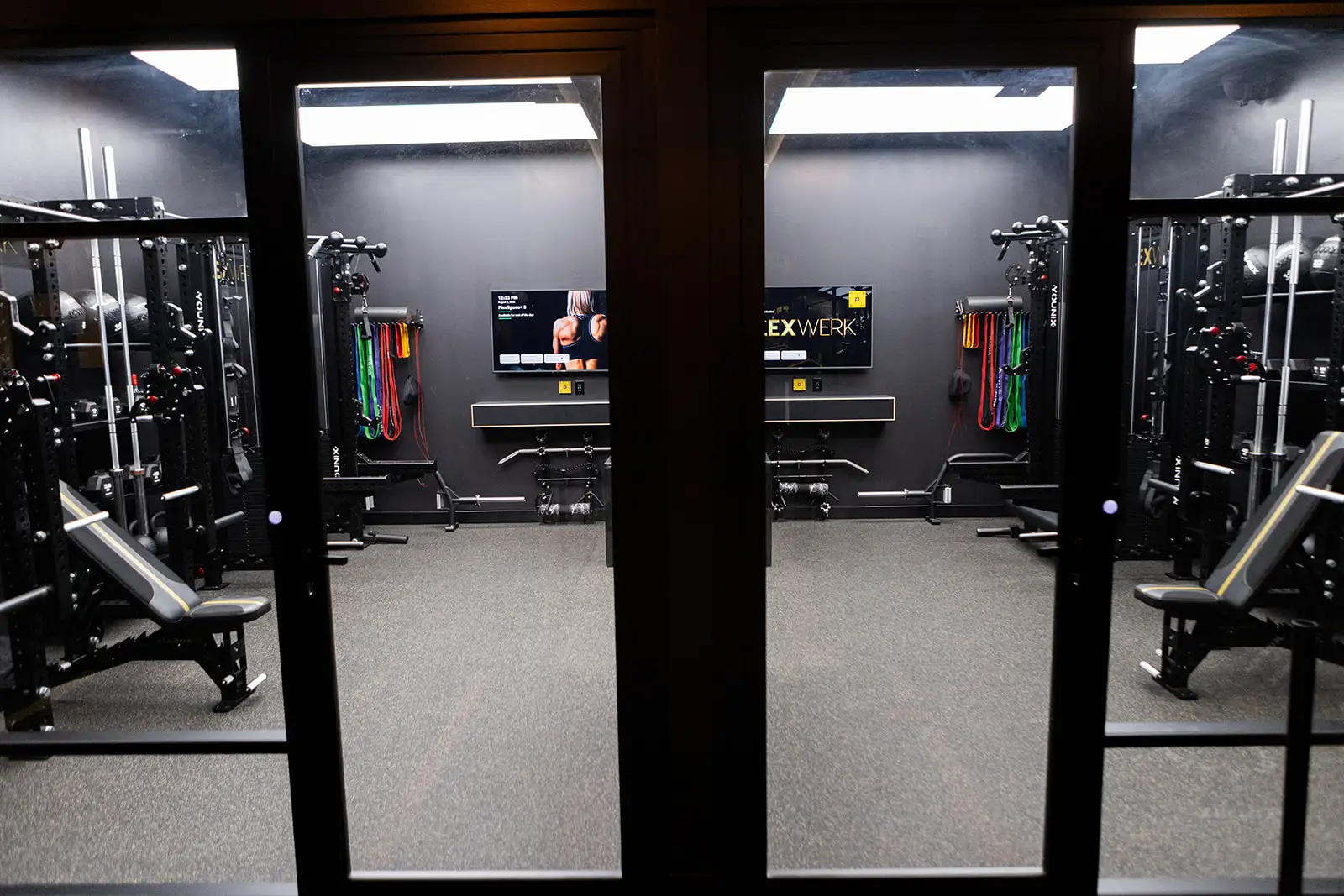
Herniated disc physical therapy in Carmel, Indiana
Most lumbar disc herniations settle without surgery, and physical therapy is a standard first treatment while the body does that work. In Carmel, the independent physical therapist you are matched with looks for the positions and movements that ease your leg or back pain, then builds tolerance for sitting, bending and lifting step by step. Sessions are one-on-one in a private suite at Carmel City Center, and Indiana lets you start without a referral.
At a glance
Common signs of herniated disc
Also called: Lumbar disc herniation, Slipped disc, Bulging disc, Ruptured disc, Disc prolapse.
What actually happens inside the spine when a disc herniates?
A disc herniates when some of the soft gel at its center (the nucleus) pushes through a weakened spot in the tough outer ring (the annulus). The bulging material can press on a nearby nerve root and, just as importantly, release chemicals that make the nerve inflamed and sensitive. That is why the pain can be sharp, electric or burning and can run well down the leg.
Herniations happen most often in the lower back, usually at the lowest lumbar levels, which carry the most load. The American Academy of Orthopaedic Surgeons notes that men between 20 and 50 are the most likely to have one, often after weeks of long sitting followed by a bend and twist: lifting a toddler out of a car seat, hauling a bag of mulch, or the first heavy deadlift after a break.
One reassuring fact matters more than the anatomy. The body tends to reabsorb herniated disc material over time, and larger, fresher herniations are often the ones that shrink the most. The question on our page asking whether a herniated disc can heal on its own explains that process in more depth.
How does a therapist tell a disc problem from other causes of back and leg pain?
A physical therapist builds the picture from your history and from how your symptoms respond to repeated movements, not from a scan alone. Disc pain classically worsens with sitting, bending and morning stiffness, flares with coughing, and may travel below the knee. A nerve examination then checks whether the nerve root is irritated or actually losing function.
Expect reflex testing at the knee and ankle, sensation checks along the leg, and strength tests such as rising onto your toes or lifting your foot toward your shin. A straight leg raise, done lying down, shows how sensitive the nerve is to stretch. The therapist will also screen the hip and the sacroiliac joint, since both can mimic disc pain.
The most useful test is often a set of repeated movements: ten press-ups lying face down, or ten gentle bends forward. If leg pain retreats toward the spine (called centralization), that direction usually becomes the starting point of treatment. Leg pain that spreads further out is a signal to change course. For leg-dominant cases the sciatica physical therapy page covers the nerve side in more detail.
Which exercises help a herniated disc, and which ones should wait?
The exercises that help are the ones that reduce or centralize your symptoms, and for many people with a recent herniation that means extension: lying on your stomach, then progressing to the prone press-up. A smaller group feels better bending forward or shifting the hips sideways first. The therapist matches the direction to your response rather than to a handout.
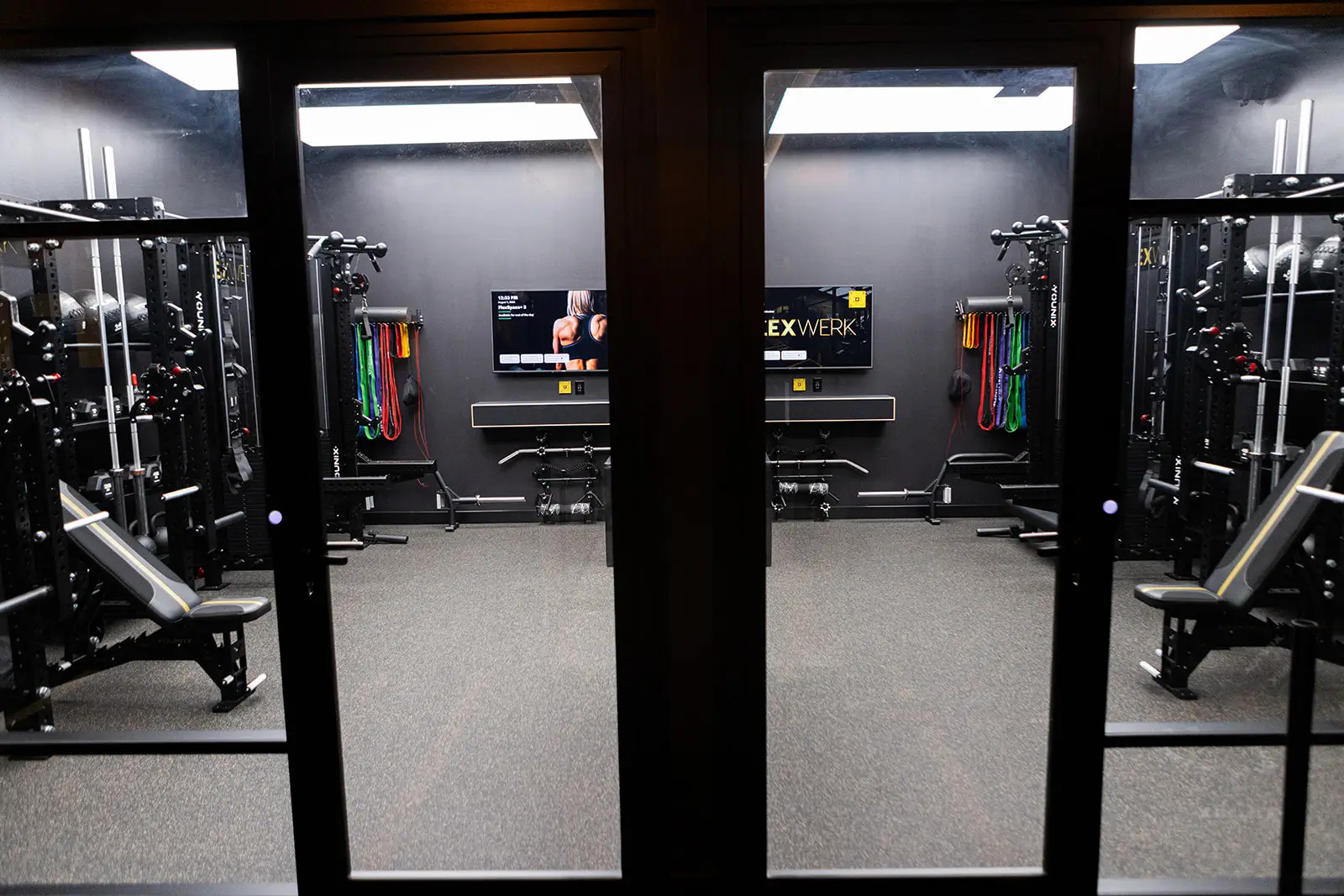
Once the leg settles, the plan widens into graded loading: hip hinges with light weight, step-ups, carries and glute work, using the rack, cables and dumbbells in the private suite. The aim is to teach the back to tolerate the bends and lifts your week actually contains, including a long commute up US-31 or a day at a desk.
For now, it is usually wise to postpone heavy loaded spinal flexion, sit-ups, long hamstring stretches that pull on the nerve, and high-impact running. Walking is usually welcome, often in short, frequent bouts. Hands-on techniques from the manual therapy page may ease guarding, but exercise does the lasting work.
- Early: positions and repeated movements that ease the leg
- Settling: walking volume, nerve-friendly hip and core work
- Rebuilding: hinges, squats, carries and rotation under load
- Returning: the lifts, sports or jobs you need back, rehearsed
How many weeks does a herniated disc take to settle with physical therapy?
Many people feel a clear improvement over several days to a few weeks, and the American Academy of Orthopaedic Surgeons notes that most patients are free of symptoms by about three to four months. Back pain often eases before leg numbness does, and tingling can linger for some weeks after the pain has gone.
A typical outpatient course runs about 6 to 12 weeks, with visits more frequent early on and spacing out as you take over the home program. Progress is rarely a straight line: a long drive to a weekend tournament at Grand Park in Westfield can bring a short flare without meaning the disc has worsened.
Surgery, usually a microdiscectomy, is generally considered when leg pain stays severe despite a fair trial of conservative care, or when weakness is significant or getting worse. That decision belongs to a spine surgeon. If you do have surgery, the microdiscectomy rehab page explains what the weeks afterward involve.
Can I still sit at work, drive and lift with a bulging disc?
Yes, in most cases, with adjustments: shorter sitting spells, a small towel roll behind the lower back, and lifts that start light and close to the body. A day or two of rest may help at the start, but staying off your feet longer than that tends to slow recovery, so the goal is to keep moving in the directions your back tolerates while the irritated nerve calms down.
Break up desk time every 20 to 30 minutes, even with a quick walk to the kitchen. In the car, slide the seat close enough that your knees sit near hip height, and plan a stop on longer trips. Lifting is not forbidden; it simply needs to be dosed, and the answer on lifting weights with a herniated disc walks through how lifters usually return.
If pain has lasted more than a week or two, or keeps coming back, the two-minute back pain questionnaire tells the matching team what you are dealing with. A person reads it and proposes a licensed therapist in the network whose schedule fits, including early weekday slots inside the suites’ 5 AM opening.
- Change position before the leg starts to complain, not after
- Walk in short bouts several times a day
- Keep heavy lifts off the floor until the leg is quiet
- Note which positions ease the pain and tell your therapist
When to see a physician or go to the ER first
Physical therapy is the right start for most herniated disc. These symptoms are different and need medical attention before, or instead of, a physical therapy visit:
- New loss of bladder or bowel control, or difficulty passing urine
- Numbness in the groin, genitals or inner thighs (saddle area)
- Weakness that is getting worse, such as a foot that slaps or drags
- Leg symptoms on both sides at once that are spreading
- Back pain with fever, unexplained weight loss or a history of cancer
- Severe pain after a significant fall or car crash
If you think it is an emergency, call 911.
Two-minute assessment
Get your herniated disc looked at
Tell us how your herniated disc started, how long it has been going on and what it is stopping you from doing. The matching team proposes a therapist in the network who focuses on it, and you hear back, usually within one business day.
- No referral needed to start in Indiana (first 42 days)
- We check which therapists work with your plan before you book
- One-on-one care in a private suite at Carmel City Center
How therapists treat it
Kinds of care used for herniated disc
- Orthopedic physical therapyExercise-led care for back, neck, shoulder, hip, knee and ankle problems, delivered one-on-one in a private suite.
- Manual therapyHands-on joint and soft-tissue treatment that eases stiffness so the exercise part of your plan can do its job.
- Post-rehab strength trainingThe bridge from discharge to lasting strength: a written handoff from your therapist to a FlexWerk coach in the same building.
Questions
Herniated disc: what people ask
Information on this website is general education, not medical advice, a diagnosis or a treatment plan. Only a licensed clinician who examines you can advise on your condition. If you may be having a medical emergency, call 911.
Something we did not cover? Ask the matching team or ring (888) 353-9975.
Do I need an MRI before starting therapy for a suspected herniated disc?
Usually not. Imaging rarely changes early conservative care and is generally reserved for red flags, worsening weakness or planning surgery. A physician orders it when it is needed.
Is a bulging disc the same thing as a herniated disc?
Not quite. A bulge is a broad, shallow extension of the disc beyond its usual margin and is common in people with no pain, while a herniation is a more focal push of disc material through the outer ring.
Will a herniated disc come back after it heals?
It can recur, which is why the later phase of rehab focuses on strength, lifting technique and keeping active. Many people never have a second episode, but nobody can promise that.
Should I use an inversion table or traction at home?
Some people report brief relief, but the effect tends to be short-lived, and hanging upside down is not suitable for everyone: ask a physician first if you have high blood pressure, heart disease or an eye condition such as glaucoma. Ask the therapist you are matched with before buying equipment.
Does Indiana let me see a physical therapist for a disc problem without a doctor’s note?
Yes. A licensed physical therapist may evaluate and treat you without a referral for up to 42 calendar days, although some insurance plans still require one for payment.
Why does my back hurt more in the morning with a disc problem?
Discs absorb fluid overnight and are slightly fuller on waking, which can make bending more sensitive for the first hour. Many people find a short walk or a few press-ups helps before tying shoes or lifting.
Google reviews
What guests say about FlexWerk
These are live Google reviews of FlexWerk at Carmel City Center, the private-suite facility where therapists in the network practise.
Related
Conditions that travel together
 SciaticaCare for nerve-related leg pain: find what calms it, restore movement, then rebuild strength.
 Low back painActive, one-on-one care for new or long-running low back pain, from first flare-up to confident lifting.
 Degenerative disc diseaseMaking sense of a degenerative disc diagnosis and rebuilding back capacity with progressive loading.
Page reviewed By the Monon Therapy Collective editorial team

Carmel City Center · Carmel, Indiana
Start with a conversation
Tell us what hurts and what you want to get back to. We will tell you honestly whether a therapist in the network is likely a good fit for what you describe, and match you with an independent, licensed therapist who is. Only that therapist can assess what will help.
885 Monon Green Blvd, Suite 120, Carmel, IN 46032 · Monday to Friday 5 AM to 9 PM · Saturday and Sunday 7 AM to 4 PM