Degenerative disc disease physical therapy in Carmel, Indiana
Degenerative disc disease is a label for age-related disc changes, not a disease that steadily destroys the spine, and physical therapy is a sensible way to treat the pain that sometimes comes with it. A licensed therapist in the network assesses how your back tolerates sitting, bending and lifting, then builds that tolerance with progressive strength work. Sessions are one-on-one in private suites at Carmel City Center.
At a glance
Common signs of degenerative disc disease
Also called: DDD, Disc degeneration, Disc desiccation, Lumbar spondylosis, Dark disc on MRI.
Is degenerative disc disease actually a disease?
No. It describes normal aging changes in the spinal discs: they lose water, look darker on MRI, lose a little height and may develop small bony spurs nearby. These changes are common in adults by middle age, including in many people who have never had back pain, so the finding alone does not explain or predict pain.
The word disease can make people afraid to move, which is understandable but unhelpful. Discs have a limited blood supply and change slowly, yet the muscles, joints and nervous system around them adapt well to training. Pain from a degenerative disc usually reflects sensitivity and reduced load tolerance more than ongoing damage.
If you have a report in hand, our guide on how to read your MRI report translates terms like desiccation, endplate changes and annular fissure into plain language, so you can bring better questions to your appointment.
How does a physical therapist assess back pain when the MRI says degeneration?
A therapist assesses function rather than the picture: how long you can sit, how you bend and lift, how you rise from the floor, and what eases or provokes the ache. The scan provides context, and the examination decides what to train first.
Expect a movement screen, a nerve check if any pain travels into the leg, hip mobility tests and trunk endurance tests such as timed holds. Questions about sleep, stress, work demands and past episodes matter too, because each one shapes how sensitive a back becomes. Some therapists also use a short questionnaire about how worried you are about movement.
That worry is worth naming because it changes how people move. Someone who has been told their spine is crumbling often stiffens up, holds their breath and avoids bending, which itself can sustain pain. Part of the first visit is replacing that frightening picture with an accurate one.
The answer to whether you need an MRI before physical therapy is usually no, and if you already have one, the therapist will not treat the image. They will treat the person in front of them and explain how the findings relate to what you feel.
What does strength training for degenerative discs look like week by week?
It starts with movements your back tolerates today and adds load gradually, because discs, joints and muscles all respond to progressive, well-dosed stress. A common first skill is the hip hinge, often practised with a dowel along the spine, which teaches the hips to share the work of bending.
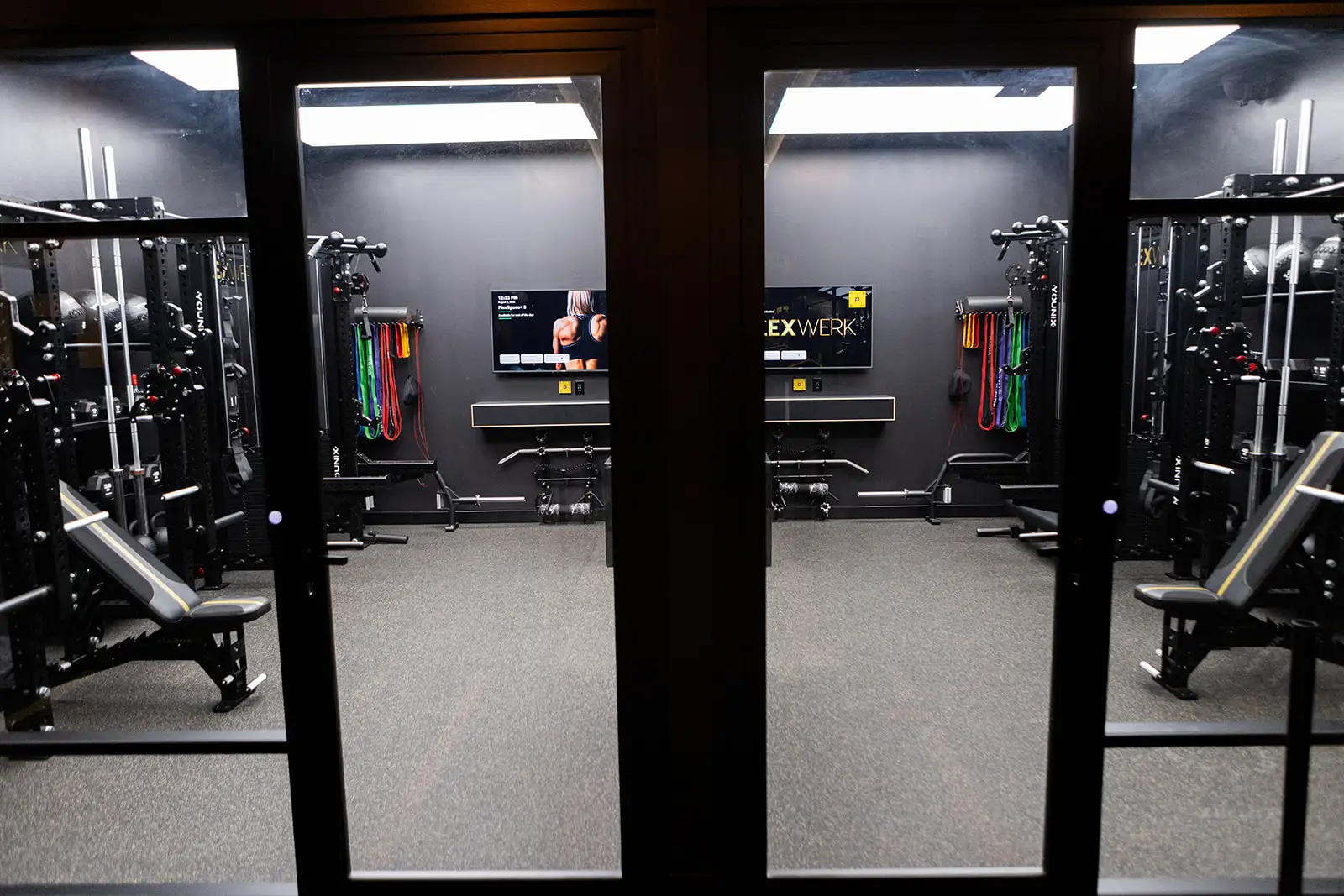
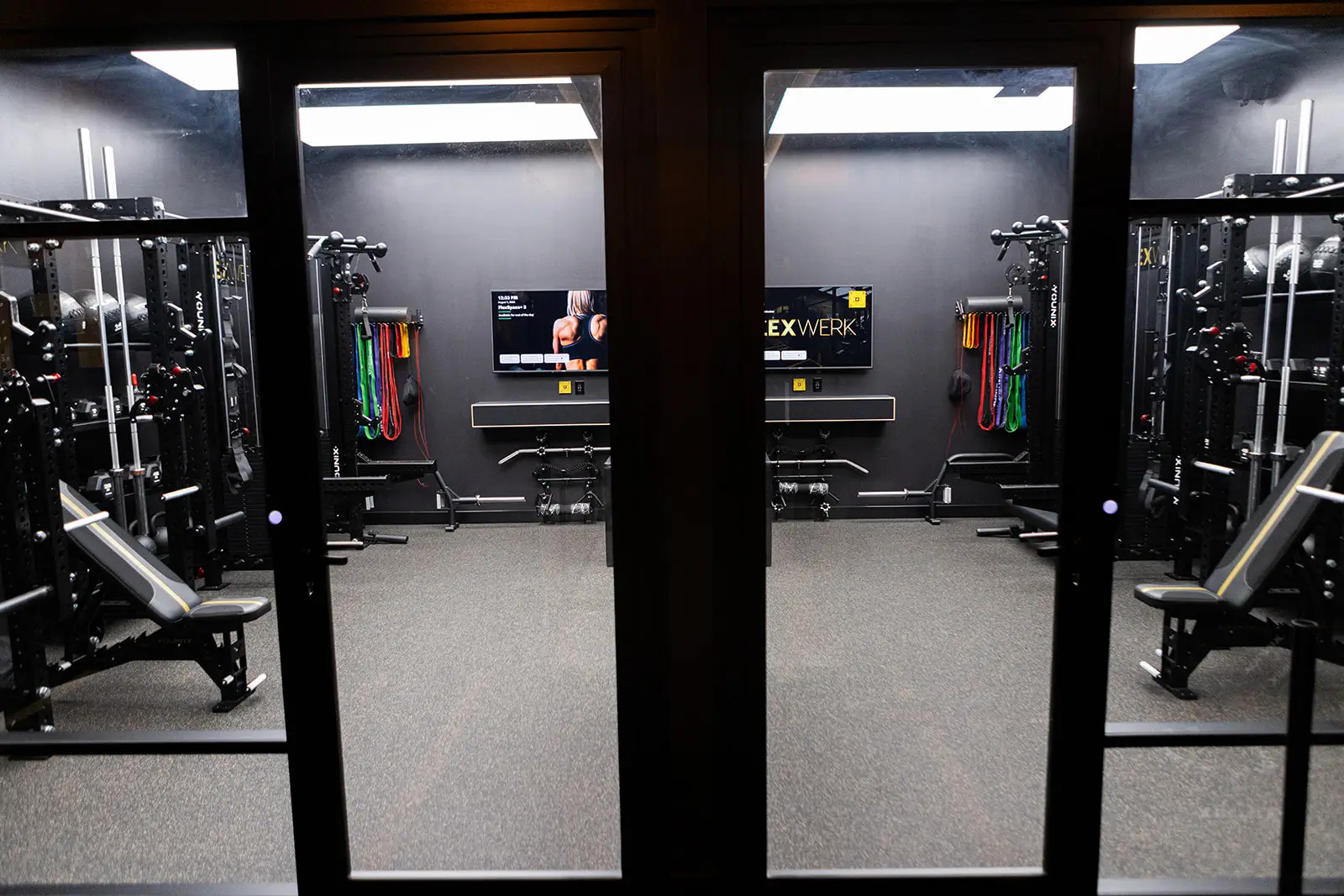
In the private suites, that progression has room to go somewhere: from hinge drills to kettlebell deadlifts, from bodyweight squats to goblet squats, from bird dogs to loaded carries along the turf corridor. The point is not perfect posture but a back that copes with variety, including the awkward lifts of daily life.
Lifters who want the barbell back can follow a planned return; the guide on lifting after back pain outlines how. A therapist adjusts the dose based on your 24-hour response: a bit of soreness that fades by the next day is fine, while a lasting flare means scaling back.
- Weeks 1 to 2: comfortable movement, walking, hinge pattern practice
- Weeks 3 to 6: trunk endurance, light deadlift and squat variations
- Weeks 6 to 12: heavier lifts, carries, rotation and sport tasks
- Beyond 12 weeks: an independent routine at the gym or at home
Does degenerative disc pain get worse with age, or can it improve?
It often improves. The image may stay the same or change slowly, but pain from degenerative discs commonly fluctuates and many people find their back becomes less troublesome as they get stronger and more active. Flare-ups tend to be episodes, not milestones in a steady decline.
With consistent training, many people notice easier sitting and bending within 4 to 8 weeks and more robust capacity by about three months. Episodes may still happen after a long flight, a weekend of moving furniture or a stressful stretch at work, but they tend to settle faster when you know what to do.
Surgery for disc degeneration alone, without nerve compression or instability, is uncommon and generally reserved for severe, persistent cases after thorough conservative care. A spine surgeon weighs that. Most people do better building capacity, and the low back pain page covers related approaches.
If a flare does arrive, the plan does not reset to zero. Most people drop the heaviest lifts for a few days, keep walking and the easier exercises, and then climb back to where they were over a week or two. Knowing that sequence in advance takes much of the fear out of the next episode.
What should I stop worrying about with a degenerative disc diagnosis?
Stop worrying that bending, lifting or exercising will wear the disc out faster. Graded activity is protective for most people, and the back is designed to bend. What usually helps is varied movement, regular strength work and avoiding long static positions, rather than guarding every motion.
Practical changes go a long way: a sit-stand rhythm through the workday, a walk at lunch along the Monon Trail, and two or three strength sessions a week. Heat before activity and short movement breaks during long drives on Keystone Parkway or I-465 help many people with morning or sitting stiffness.
It also helps to judge your back by what it lets you do rather than by how it feels in the first ten minutes after waking. Morning stiffness that loosens with a shower and a short walk is common and rarely a sign that something is wrong.
To get matched with a therapist who works with recurring back pain, the two-minute questionnaire is the place to start. The matching team reads every answer, proposes a fit, and will tell you plainly if something you describe needs a physician first.
When to see a physician or go to the ER first
Physical therapy is the right start for most degenerative disc disease. These symptoms are different and need medical attention before, or instead of, a physical therapy visit:
- Bladder or bowel changes or numbness in the saddle area
- Progressive leg weakness or a foot that drags
- Constant night pain unrelieved by any position
- Back pain with fever, chills or a recent infection
- Unexplained weight loss or a past history of cancer
- New back pain after a fall in someone with osteoporosis
- Pain that began after a high-speed crash or a fall from height
If you think it is an emergency, call 911.
Two-minute assessment
Get your degenerative disc disease looked at
Tell us how your degenerative disc disease started, how long it has been going on and what it is stopping you from doing. The matching team proposes a therapist in the network who focuses on it, and you hear back, usually within one business day.
- No referral needed to start in Indiana (first 42 days)
- We check which therapists work with your plan before you book
- One-on-one care in a private suite at Carmel City Center
How therapists treat it
Kinds of care used for degenerative disc disease
Questions
Degenerative disc disease: what people ask
Information on this website is general education, not medical advice, a diagnosis or a treatment plan. Only a licensed clinician who examines you can advise on your condition. If you may be having a medical emergency, call 911.
Something we did not cover? Ask the matching team or ring (888) 353-9975.
Can I still run or play pickleball with degenerative discs?
Many people do. A therapist can help you build up volume gradually and add strength work so the back tolerates the impact and rotation.
Is disc degeneration the same as arthritis of the spine?
They overlap. Disc degeneration often comes with facet joint changes and bone spurs, and together these are sometimes called spondylosis.
Are supplements or injections needed before therapy?
No supplement has strong evidence for rebuilding discs. Injections are a physician’s decision and are sometimes used to calm a flare so exercise can continue.
Is sitting bad for degenerative discs?
Sitting is not harmful, but staying in one position for hours often makes a sensitive back stiff and sore. Shifting position, standing for calls and short walks usually keep it comfortable.
Will a back brace protect my discs?
A brace may help briefly during a bad flare, but long-term use tends to weaken trunk muscles. Most people do better building their own support.
How often should I train my back each week?
Two to three strength sessions plus daily walking is a common target, adjusted by your therapist to your history and how you respond.
My scan says degeneration at several levels. Does that make my case worse?
Not necessarily. Changes at multiple levels are common with age and do not reliably predict how much pain you will have or how you will respond to training.
Google reviews
What guests say about FlexWerk
These are live Google reviews of FlexWerk at Carmel City Center, the private-suite facility where therapists in the network practise.
Related
Conditions that travel together
 Herniated discCalming a bulging or herniated lumbar disc with directional exercise, graded loading and a plan for sitting and lifting again.
 Low back painActive, one-on-one care for new or long-running low back pain, from first flare-up to confident lifting.
 Facet joint painEasing back pain that flares with arching, twisting and long standing by unloading irritated facet joints and rebuilding strength.
Page reviewed By the Monon Therapy Collective editorial team

Carmel City Center · Carmel, Indiana
Start with a conversation
Tell us what hurts and what you want to get back to. We will tell you honestly whether a therapist in the network is likely a good fit for what you describe, and match you with an independent, licensed therapist who is. Only that therapist can assess what will help.
885 Monon Green Blvd, Suite 120, Carmel, IN 46032 · Monday to Friday 5 AM to 9 PM · Saturday and Sunday 7 AM to 4 PM