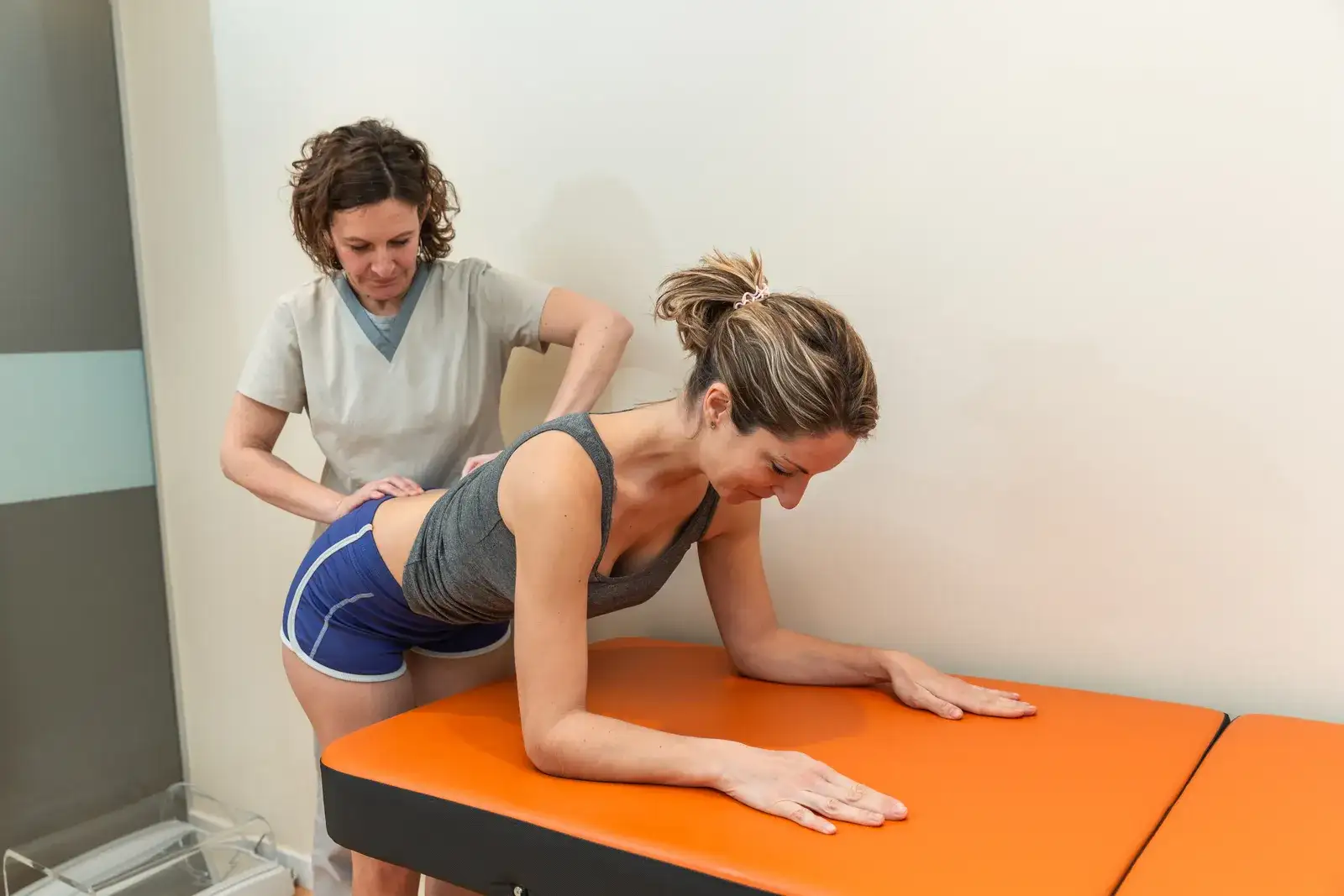
Facet joint pain physical therapy in Carmel, Indiana
Facet joint pain comes from the small paired joints at the back of each vertebra and typically flares with arching backward, twisting or standing still. Physical therapy is a first-line treatment: a licensed therapist in the network reduces compression on irritated joints with flexion-friendly movement, then builds hip mobility and trunk strength in one-on-one sessions at Carmel City Center.
At a glance
Common signs of facet joint pain
Also called: Lumbar facet joint syndrome, Facet arthropathy, Facet joint arthritis, Zygapophyseal joint pain.
What are the facet joints, and why do they hurt when I lean back?
The facet joints are small paired joints at the back of each vertebra that guide and limit movement. When you lean backward or twist, they slide together and take more load, so an irritated or arthritic facet joint tends to hurt in exactly those positions. Bending forward opens them and often brings relief.
Facet pain is more common from middle age onward, as joint cartilage thins and the discs lose height, shifting more load onto the facets. Younger people can irritate them too, especially in sports that combine arching and rotation: a golfer’s finish, a tennis serve, a gymnast’s back walkover or overhead lifting with a big arch.
Facet pain also tends to cluster with other back problems. Disc degeneration, stiff hips and weak trunk muscles all increase the load the facets carry, so the joints are often one part of a broader picture rather than a stand-alone diagnosis. That is why treatment addresses the hips and trunk, not just the painful level.
Some people notice it after a long day standing at a festival like Carmel’s Christkindlmarkt or a summer concert, where hours of upright standing keep the joints compressed. Sitting down or leaning on a railing usually eases it within minutes.
Can a physical therapist confirm the facet joints are the source without injections?
A physical therapist can identify a facet-type pattern with reasonable confidence, but no physical exam test confirms facet pain on its own. The therapist looks for pain that worsens with extension and rotation, eases with flexion, sits to one side of the spine and does not travel below the knee, with a normal nerve exam.
The exam typically includes standing extension and extension-rotation, pressure over individual levels while you lie face down, hip mobility testing, and a screen for disc and nerve involvement. Morning stiffness lasting under half an hour fits facet pain; stiffness lasting much longer may point toward an inflammatory condition, which needs a physician.
Imaging adds limited information on its own. Facet joint arthritis shows up on many X-rays and MRIs of adults without back pain, so a scan that mentions facet hypertrophy or arthropathy needs to be read alongside how your back actually behaves. The therapist will explain how your symptoms line up with any report you bring.
Physicians sometimes use medial branch blocks, small anesthetic injections near the nerves that supply a facet joint, to confirm the source before considering radiofrequency ablation. That is a physician’s decision. The answer on cortisone shots or physical therapy explains how injections and exercise can fit together.
Which movements unload irritated facet joints?
Movements that gently round the lower back, such as knees-to-chest, child’s pose and the flexion half of the cat-cow, unload the facet joints and usually ease pain quickly. Early plans often lean on these, plus walking and cycling, before building strength.
Hip mobility makes a big difference. When the hips do not extend or rotate well, the lower back makes up the difference with extra arching and twisting at the facet joints. Hip flexor stretches, hip rotation drills and glute strength reduce that demand. A golfer may also learn to turn more through the hips and mid back.
Strength work follows: deep trunk endurance, hip hinges, split squats, and anti-rotation presses on the cable stack. Extension is then reintroduced in measured doses, because avoiding it forever is neither necessary nor realistic. Hands-on joint mobilization, described on the manual therapy page, may ease stiffness along the way.
- Knees-to-chest and child’s pose for relief
- Hip flexor and hip rotation mobility
- Glute and deep trunk strengthening
- Anti-rotation presses and carries
- Graded reintroduction of arching and twisting
How long does facet joint pain take to calm down?
An acute flare of facet pain often settles within a few days to a couple of weeks, and a course of physical therapy for recurring facet pain usually runs 4 to 8 weeks. Because facet changes are often age-related, the long-term aim is fewer and milder flares, not a joint that never complains again.
Many plans start with more frequent visits for a short period while symptoms are high, then spread out as you take over the exercises. Toward the end, sessions tend to focus on heavier lifts, longer standing practice and the rotation demands of your sport or job, so you leave with a routine that keeps the joints comfortable.
Progress shows up as easier standing, less morning stiffness and more comfortable rotation in sport. Your therapist may use simple measures, such as minutes of standing before pain or a backswing that stays comfortable, to track change.
When pain persists despite a good trial of exercise, physicians may consider medial branch blocks and radiofrequency ablation, which can reduce pain for months in carefully selected patients. Exercise remains useful alongside those procedures, since the joints still need strong, mobile support.
How can I stand, sleep and train with less facet pain?
Reduce the time your lower back spends in sustained arching. When standing, put one foot up on a low step or rail, shift your weight often, and sit for a few minutes when you can. The page on back pain when standing for long periods offers more strategies.
Sleeping on your side with knees bent, or on your back with a pillow under your knees, tends to keep the facet joints open overnight. Lying flat on the stomach often makes morning stiffness worse. If mornings are rough, a few gentle knee rocks before getting up can help, as covered on the page about lower back pain in the morning.
Pickleball and tennis players often feel facet pain on overhead shots and serves, which combine arching and rotation. Shortening the follow-through, bending the knees more on high balls and strengthening the hips usually let you keep playing while the joints settle, rather than giving up the season.
In the gym, swap heavy overhead presses for landmine presses for a while, keep deadlifts and squats in a neutral position, and build rotation gradually. When you want a structured plan, the back pain questionnaire connects you with the matching team, who propose a licensed therapist in the network.
When to see a physician or go to the ER first
Physical therapy is the right start for most facet joint pain. These symptoms are different and need medical attention before, or instead of, a physical therapy visit:
- Back pain with fever, chills or recent infection
- Unexplained weight loss or a history of cancer
- Bladder or bowel changes or numbness in the saddle area
- Progressive leg weakness
- Morning stiffness lasting more than an hour with pain that improves with exercise, which may be inflammatory
- Severe pain after a fall or crash
If you think it is an emergency, call 911.
Two-minute assessment
Get your facet joint pain looked at
Tell us how your facet joint pain started, how long it has been going on and what it is stopping you from doing. The matching team proposes a therapist in the network who focuses on it, and you hear back, usually within one business day.
- No referral needed to start in Indiana (first 42 days)
- We check which therapists work with your plan before you book
- One-on-one care in a private suite at Carmel City Center
How therapists treat it
Kinds of care used for facet joint pain
Questions
Facet joint pain: what people ask
Information on this website is general education, not medical advice, a diagnosis or a treatment plan. Only a licensed clinician who examines you can advise on your condition. If you may be having a medical emergency, call 911.
Something we did not cover? Ask the matching team or ring (888) 353-9975.
Is facet joint pain the same as arthritis in the back?
Often it is related. Facet arthritis is a common source of facet pain in older adults, though younger people can irritate the joints without arthritis.
Should I stop doing back extensions?
You may need to pause them during a flare. Most people can reintroduce extension gradually once pain settles.
Is walking good for facet joint pain?
Usually yes, especially at a comfortable pace. If upright walking provokes it, shorter strides or a slight forward lean can help.
Can I golf with facet joint pain?
Many golfers keep playing with a shortened finish and more hip turn. A therapist can help you adjust while strength improves.
Why does my back hurt after standing at a concert but not after a long walk?
Standing still keeps the facet joints compressed in one position, while walking moves them through a small range and changes load with every step. Shifting weight, bending a knee and sitting briefly all reduce that sustained pressure.
Do I need a referral to see a physical therapist for facet pain?
Not in Indiana for the first 42 calendar days of treatment, though some insurance plans require a referral for coverage.
Google reviews
What guests say about FlexWerk
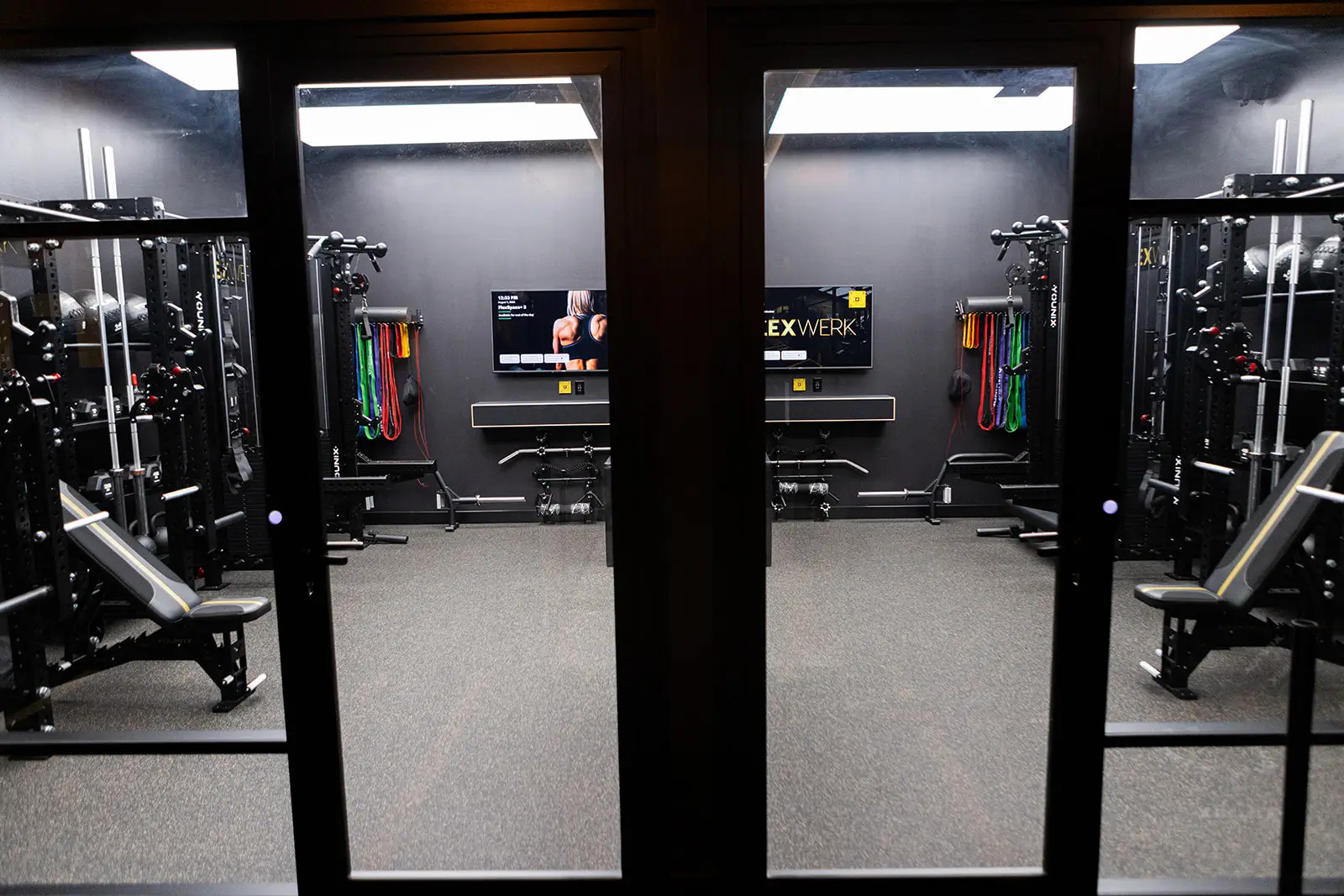
These are live Google reviews of FlexWerk at Carmel City Center, the private-suite facility where therapists in the network practise.
Related
Conditions that travel together
 Low back painActive, one-on-one care for new or long-running low back pain, from first flare-up to confident lifting.
 Degenerative disc diseaseMaking sense of a degenerative disc diagnosis and rebuilding back capacity with progressive loading.
 OsteoarthritisStrength, pacing and joint-friendly exercise for knee and hip osteoarthritis, including preparation for joint replacement.
Page reviewed By the Monon Therapy Collective editorial team

Carmel City Center · Carmel, Indiana
Start with a conversation
Tell us what hurts and what you want to get back to. We will tell you honestly whether a therapist in the network is likely a good fit for what you describe, and match you with an independent, licensed therapist who is. Only that therapist can assess what will help.
885 Monon Green Blvd, Suite 120, Carmel, IN 46032 · Monday to Friday 5 AM to 9 PM · Saturday and Sunday 7 AM to 4 PM