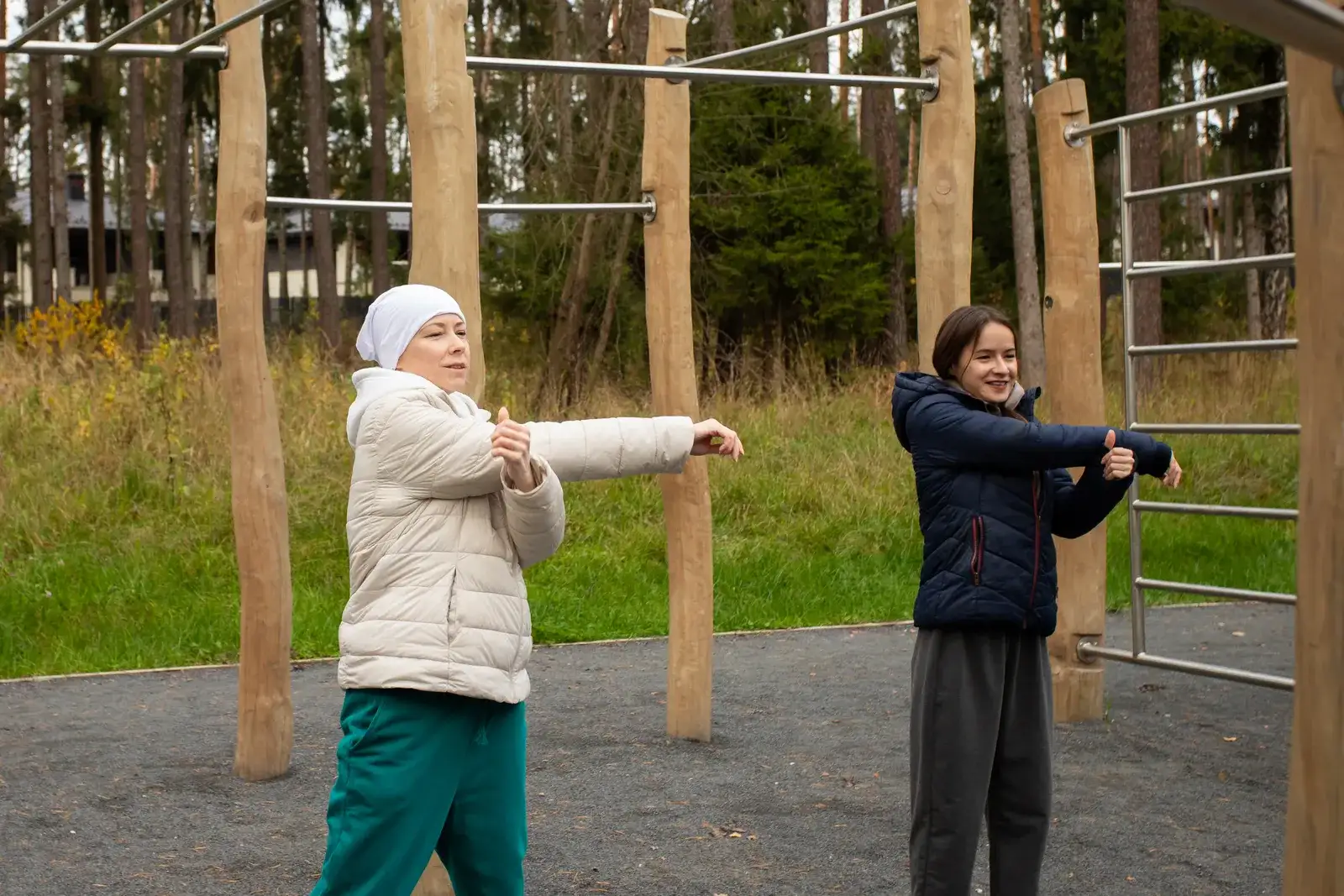
Cancer rehabilitation in Carmel, Indiana
Cancer rehabilitation is physical therapy that helps people before, during and after cancer treatment manage fatigue, weakness, stiffness, swelling and balance problems caused by the disease or its treatment. An international exercise roundtable led by the American College of Sports Medicine concluded that exercise is generally safe for survivors and can improve fatigue, anxiety, depressive symptoms, physical function and quality of life. For people near Carmel, Indiana, whether an oncology-trained therapist is in the network depends on who is practising at the time, and the matching team says so before any booking.
When during cancer care can rehabilitation begin?
Rehabilitation can begin at almost any point: before surgery or chemotherapy, during treatment, in the months after it ends, or years later when a long-term side effect appears. Starting before treatment, sometimes called prehabilitation, gives a baseline of strength and fitness to measure against and a habit of movement to carry through.
During active treatment, the work is usually lighter and fits around infusion days, surgery dates and blood counts, with your oncology team kept informed. After treatment, the focus often shifts to rebuilding strength and stamina so you can return to work, family routines or a walk along the Monon Trail without needing a long rest afterward.
Which treatment side effects can a physical therapist help with?
Physical therapists in oncology rehab mainly help with the physical side effects that make ordinary days harder. Cancer-related fatigue, loss of strength after weeks of reduced activity, and shoulder stiffness after breast surgery or radiation are among the most common reasons people come in.
Some problems need specific training. Arm or leg swelling from lymphedema is usually managed by a certified lymphedema therapist using compression, skin care and specialized massage. Numb feet from chemotherapy can affect balance, which overlaps with care for peripheral neuropathy. The ACSM roundtable found the evidence for exercise was still uncertain for neuropathy and cognitive changes, so plans there focus on safety and function.
- Cancer-related fatigue and reduced stamina
- Muscle loss and weakness after surgery or long treatment
- Shoulder and chest wall stiffness after breast surgery or radiation
- Swelling of an arm or leg after lymph nodes are removed or treated
- Balance problems from chemotherapy-related nerve changes
How much exercise do cancer survivor guidelines recommend?
The 2019 ACSM roundtable consensus recommends moderate-intensity aerobic exercise at least three times a week for at least 30 minutes, over at least 8 to 12 weeks, to help with common side effects such as fatigue. Where resistance training is added, it suggests at least two sessions a week of two or more sets of 8 to 15 repetitions at a meaningful load.
Those are targets to work toward, not a starting point. The same consensus emphasizes that every survivor should avoid inactivity, so a plan might begin with a few minutes of walking and light band work and build from there. For people with or at risk of lymphedema after breast cancer, the roundtable found supervised, progressive resistance training to be safe, with the principle of starting low and progressing slowly.
What safety checks come before exercise during cancer treatment?
Before exercise during or after cancer treatment, a therapist checks what your oncology team knows about your current blood counts, surgical restrictions, any ports or drains, and whether cancer has spread to bone. These details shape which exercises are safe and how hard you work on a given day.
Where cancer has reached the bones, the ACSM consensus advises avoiding high-impact loads, extreme bending or arching of the trunk, loaded trunk flexion or extension, and twisting movements, so plans change accordingly. Some symptoms during treatment need your oncology team or emergency care rather than an exercise session.
- Fever or signs of infection, especially during chemotherapy
- New, constant bone pain or pain at night
- Sudden swelling, warmth or pain in one arm or leg
- Chest pain, new shortness of breath or feeling faint
- New weakness or numbness that is spreading
Returning to work and daily routines after cancer treatment
Getting back to work and normal routines after treatment usually goes better as a gradual climb than a single jump. A therapist helps you find a starting level you can repeat on a bad day, then raises it in small steps, so energy is not spent in one good morning and paid back over the next two days.
Practical tools include an activity and energy diary, planned rest before demanding tasks, and splitting chores such as yard work or grocery runs into shorter pieces. Desk workers may start with partial days and short walking breaks, while people with physical jobs often need specific lifting and carrying practice before returning.
Building regular movement into the week tends to make the climb steadier. A short walk on most days, a couple of strength sessions and a consistent sleep schedule are common foundations, with the details set around your treatment history and how you feel.
Which credentials to look for, and how the network handles oncology requests
Useful credentials include board certification as an Oncologic Clinical Specialist through the American Board of Physical Therapy Specialties, which adds a case report in oncology to the standard experience requirements, and lymphedema therapist certification for swelling problems. Experience with your type of cancer and treatment matters as much as letters after a name.
Cancer rehabilitation is not something the network can promise, because it depends on whether an oncology-trained therapist is practising in the suites at the time. Mention your diagnosis stage, treatment and goals in the questionnaire, and the matching team will say honestly before booking whether a therapist in the network fits, or suggest other options, often including your cancer center’s own rehab program. Later, post-rehab strength training can help you keep building.
In the questionnaire, it helps to share the type of cancer, treatments you have had or are having, any surgery dates, and the main thing you want to be able to do again. You do not need to send medical records, and only the therapist you are matched with decides what is safe for you.
Who it helps
Cancer rehabilitation may help if
- Fatigue during or after treatment is limiting work, family life or sleep
- Your shoulder or chest feels tight after breast surgery or radiation
- You have lost strength or stamina after weeks of treatment
- You would like a supervised start to exercise and are unsure what is safe
- You are about to start treatment and want a baseline of fitness first
Conditions
Problems this kind of care treats
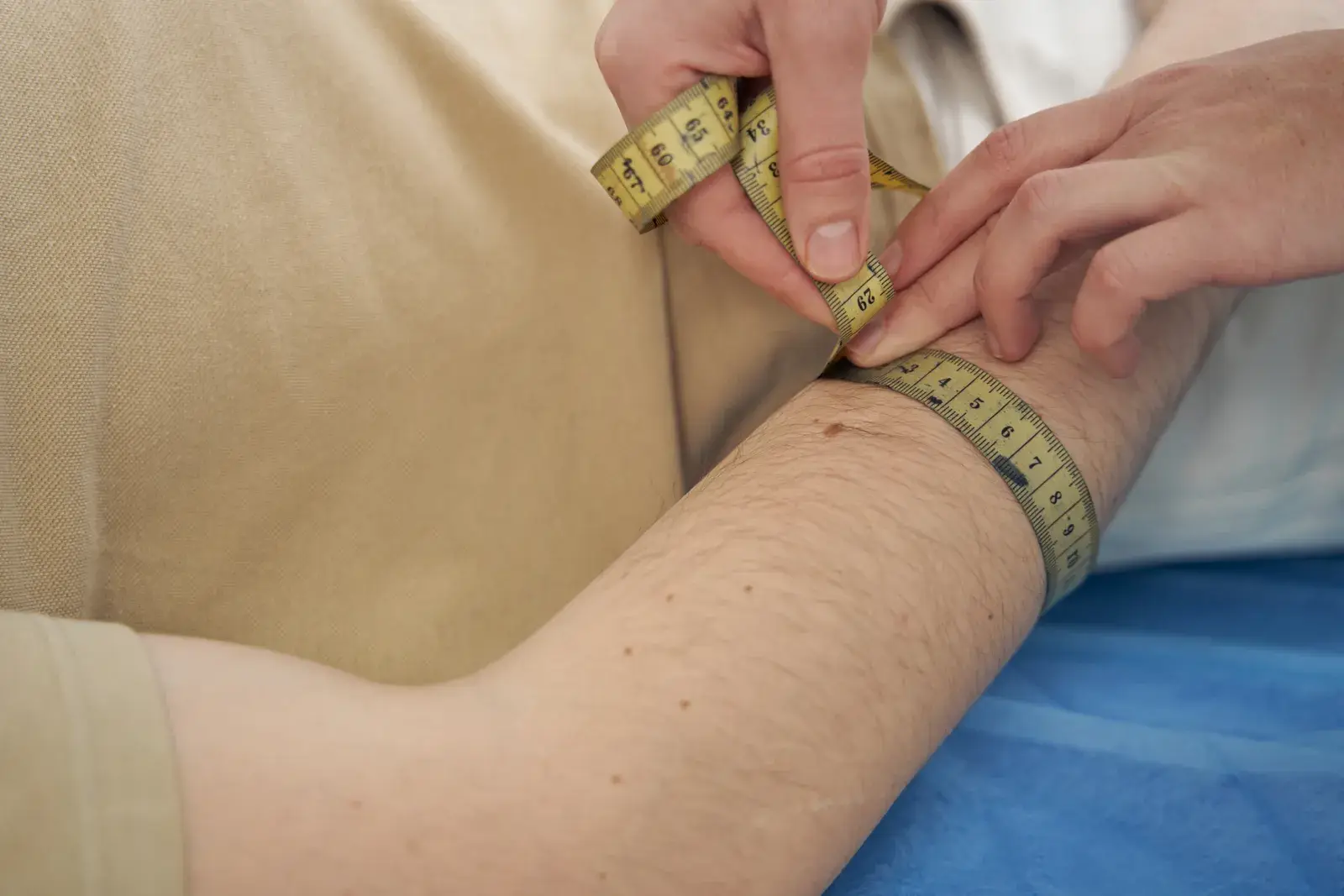 LymphedemaComplete decongestive therapy for arm or leg swelling after cancer treatment or with primary lymphedema, delivered by a certified lymphedema therapist.
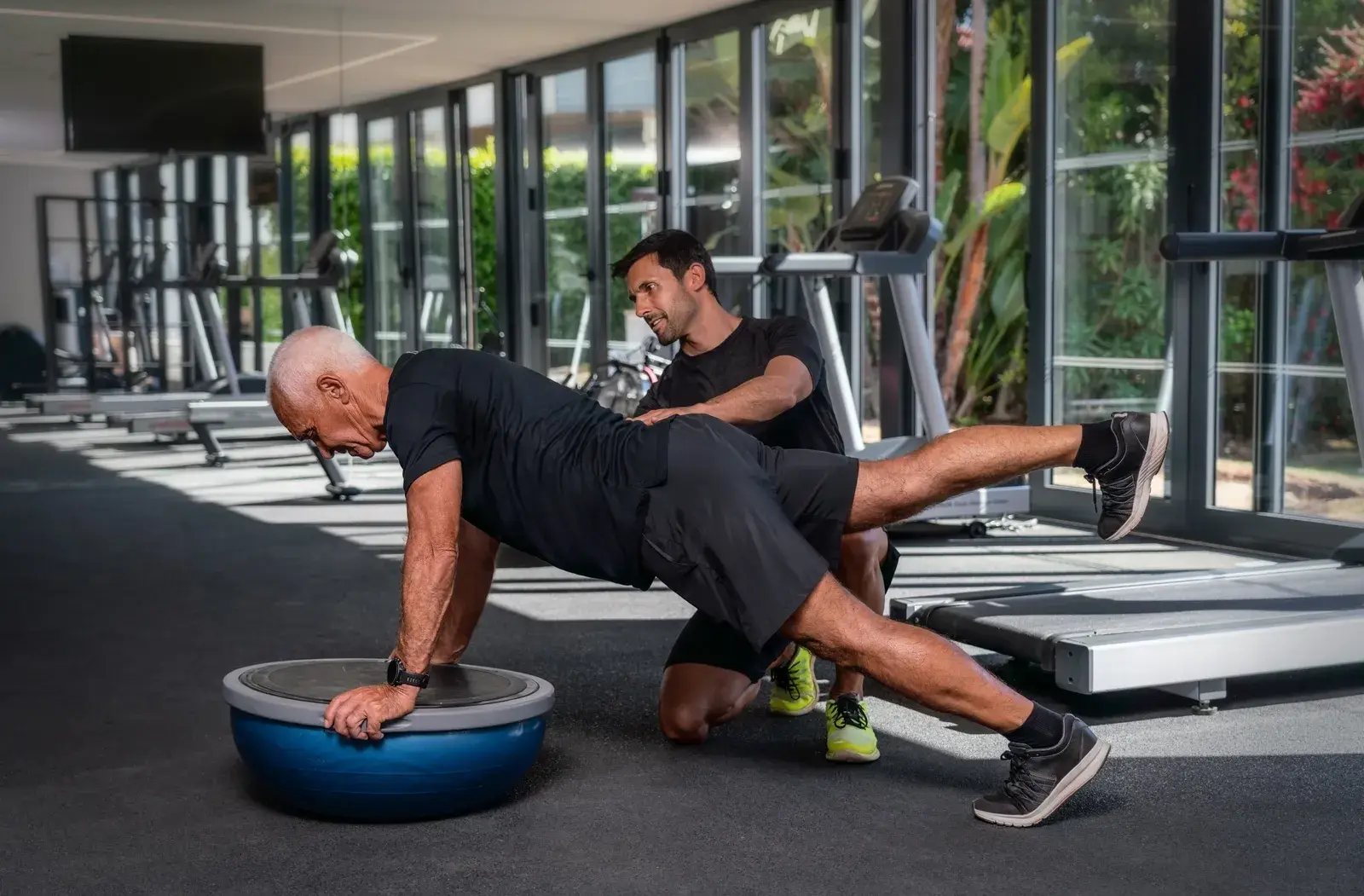 DeconditioningRebuilding strength, walking stamina and balance after a hospital stay, illness or long period of inactivity.
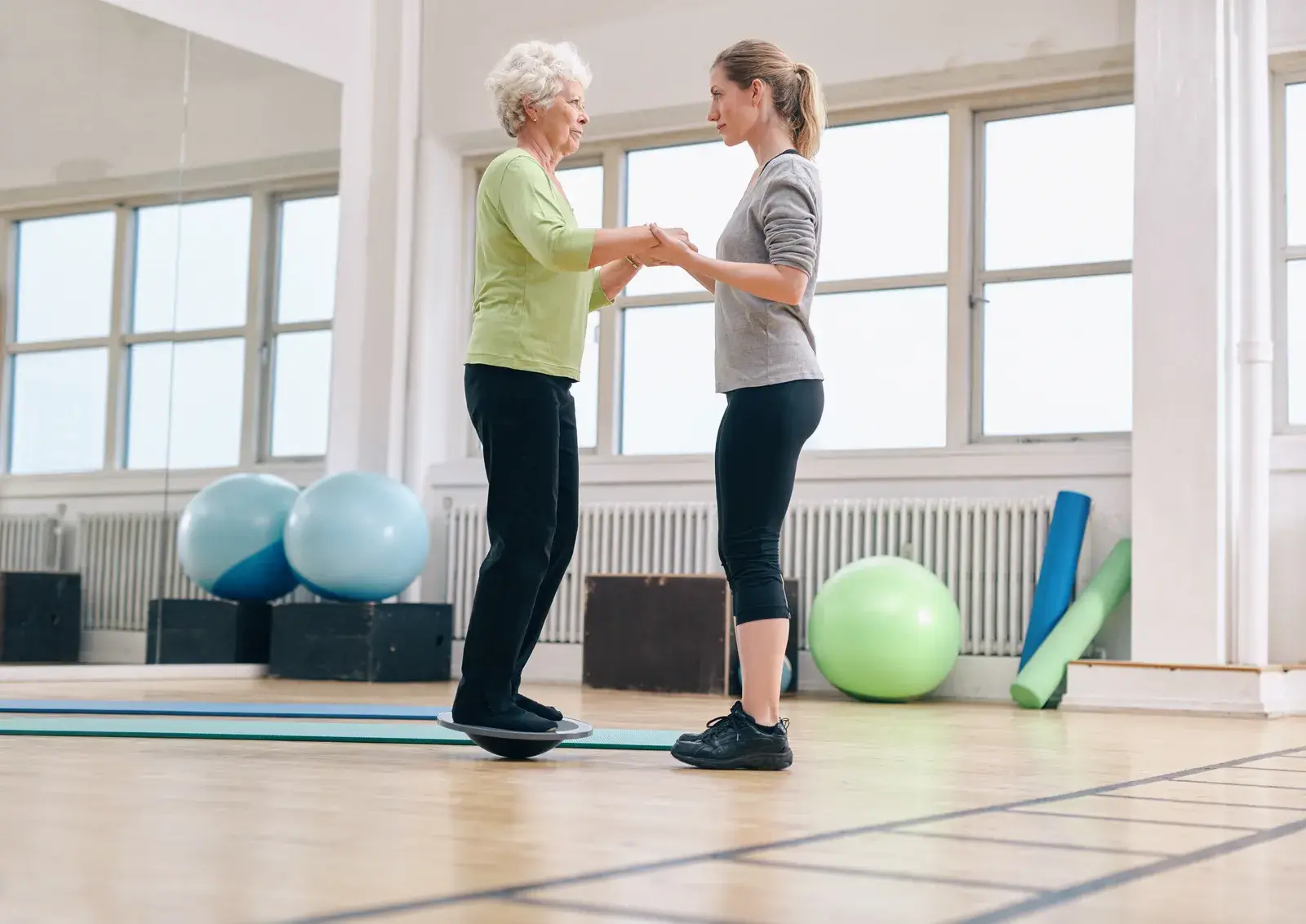 Peripheral neuropathyBalance, strength and foot-safety training for numb, tingling or weak feet from nerve damage.
 OsteoporosisSupervised strength, balance and safe-movement training for people with low bone density or osteoporosis.
Two-minute assessment
Not sure which therapist is right for you?
Answer a few questions about what hurts, how long it has been going on and what you want to get back to. Our matching team reads every answer and proposes a licensed physical therapist in the network whose focus, schedule and coverage fit. Two minutes, no obligation.
- No referral needed to start in Indiana (first 42 days)
- We check which therapists work with your plan before you book
- One-on-one care in a private suite at Carmel City Center
Questions
About cancer rehabilitation
Information on this website is general education, not medical advice, a diagnosis or a treatment plan. Only a licensed clinician who examines you can advise on your condition. If you may be having a medical emergency, call 911.
Something we did not cover? Ask the matching team or ring (888) 353-9975.
Do I need my oncologist’s approval before cancer rehab?
It is wise to involve your oncology team, who know your blood counts, restrictions and treatment schedule. Many oncologists welcome a referral to rehab.
Is it safe to lift weights after breast cancer surgery?
For many people, yes, once the surgeon clears it and the program starts light and progresses gradually. Supervised resistance training has been found safe for women with or at risk of lymphedema after breast cancer.
Can exercise help with chemotherapy fatigue?
Regular aerobic exercise is one of the better-supported ways to ease cancer-related fatigue, according to the ACSM roundtable. Start gently and build over weeks.
How is cancer rehabilitation different from general strength training?
A therapist accounts for treatment side effects, surgical restrictions, bone health and swelling risk, and adjusts each session to how you are on the day. General training rarely has that clinical screen behind it.
Will insurance cover cancer rehabilitation?
Many plans cover physical therapy when it is medically necessary, but benefits vary. The matching team checks which therapists work with your plan, as described on the cost and insurance page.
Can I do cancer rehab while I am still having chemotherapy?
Many people do, with sessions adjusted around infusion days and blood counts. Your oncology team should know you are exercising, and sessions are moved or shortened when you feel unwell.
Google reviews
What guests say about FlexWerk
These are live Google reviews of FlexWerk at Carmel City Center, the private-suite facility where therapists in the network practise.
Continue
Related services
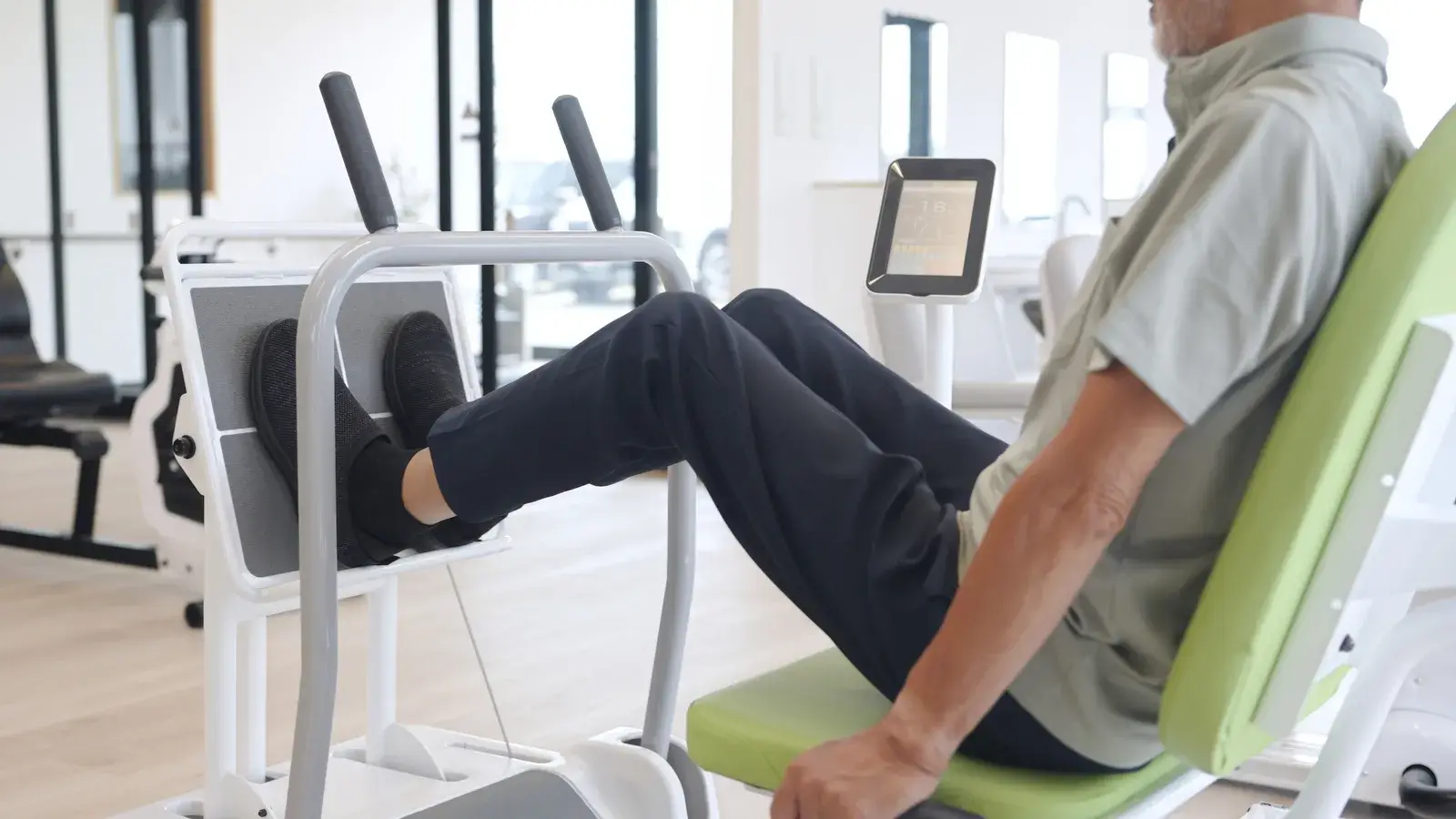 Post-surgical rehabilitationProtocol-led rehab after joint replacement, ligament, tendon and spine surgery, in a quiet private room instead of a crowded gym.
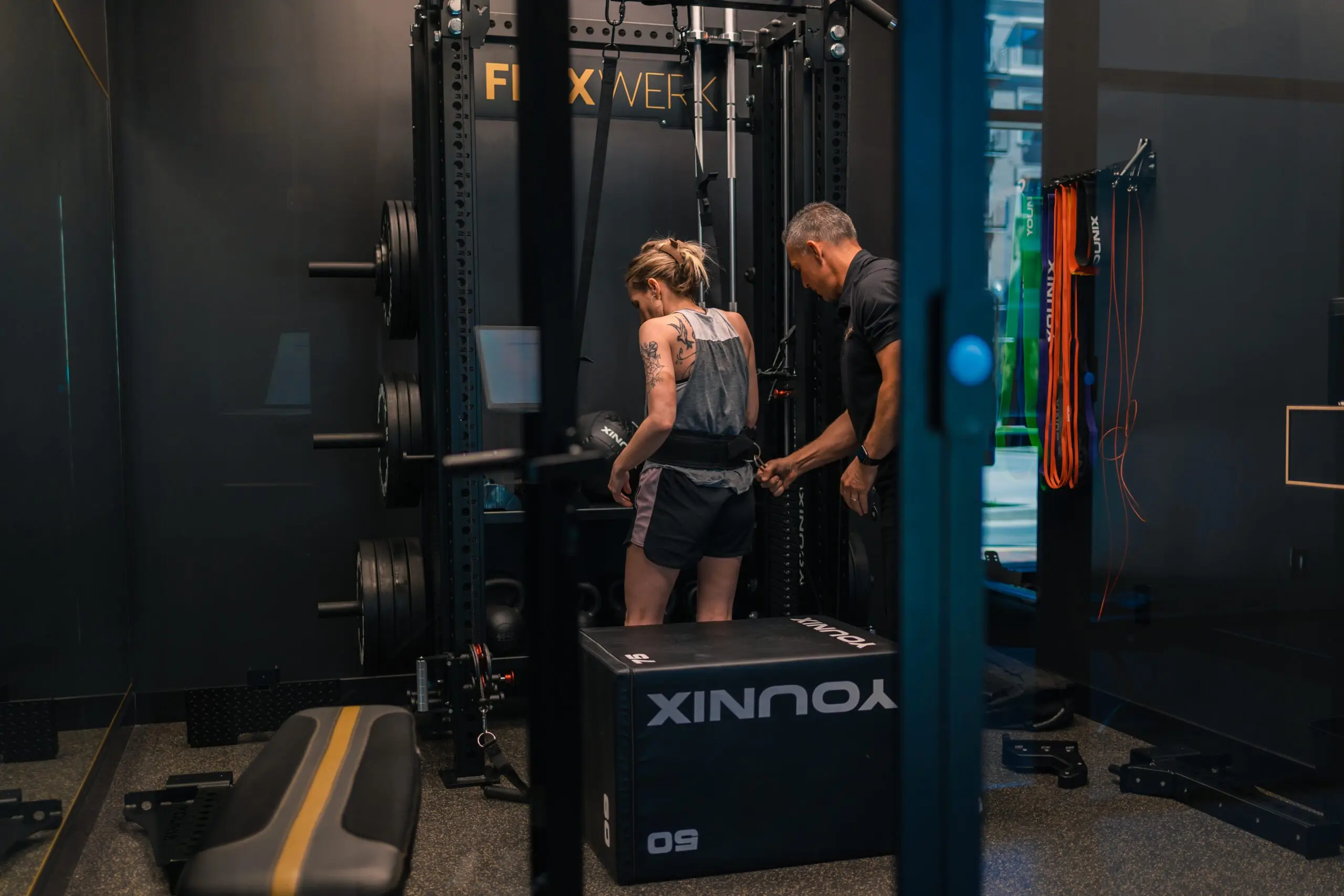 Post-rehab strength trainingThe bridge from discharge to lasting strength: a written handoff from your therapist to a FlexWerk coach in the same building.
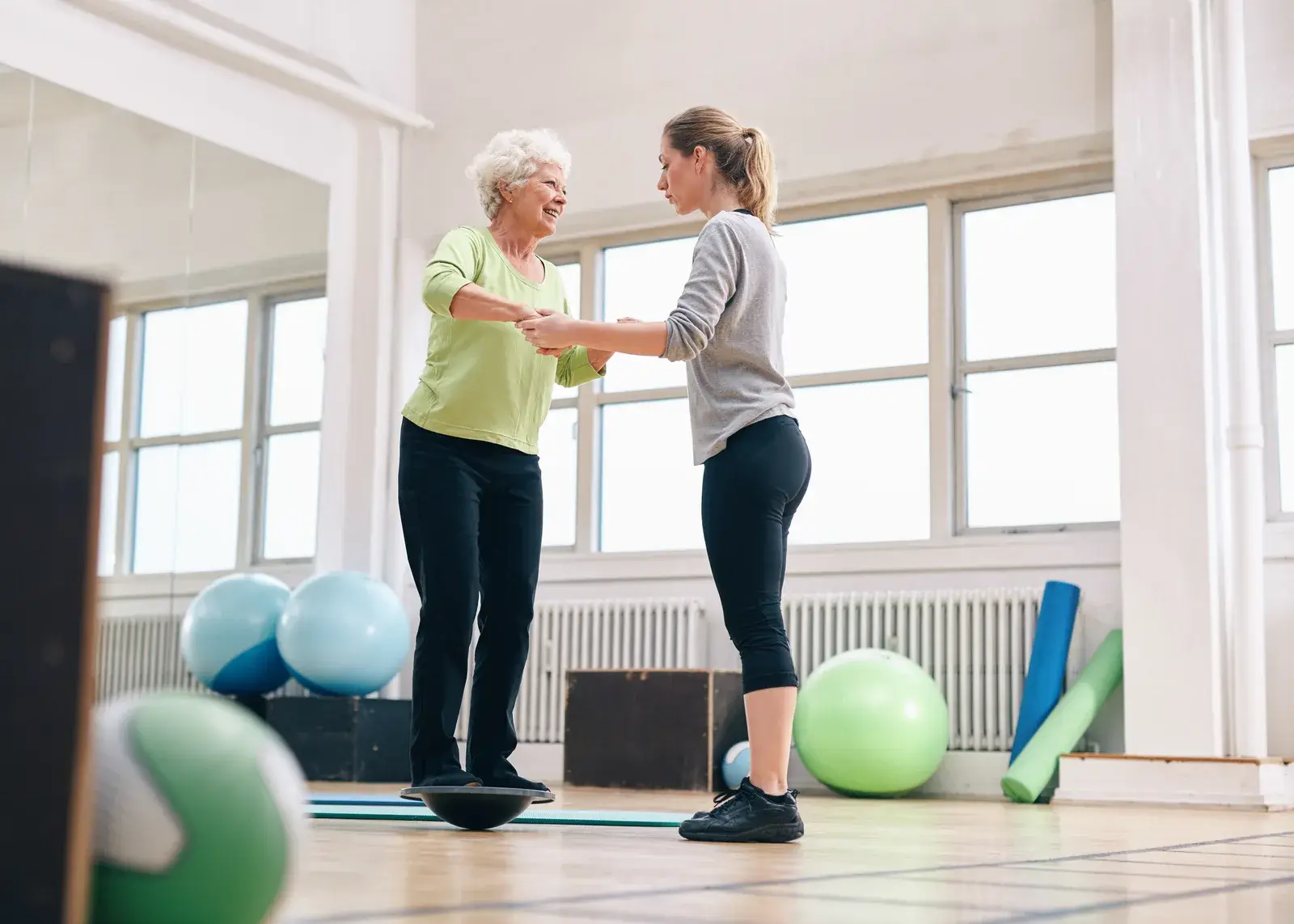 Balance and fall preventionStrength, walking and balance training for older adults who feel unsteady, have fallen, or want to stay confident on their feet.
Page reviewed By the Monon Therapy Collective editorial team

Carmel City Center · Carmel, Indiana
Start with a conversation
Tell us what hurts and what you want to get back to. We will tell you honestly whether a therapist in the network is likely a good fit for what you describe, and match you with an independent, licensed therapist who is. Only that therapist can assess what will help.
885 Monon Green Blvd, Suite 120, Carmel, IN 46032 · Monday to Friday 5 AM to 9 PM · Saturday and Sunday 7 AM to 4 PM