Lymphedema physical therapy in Carmel, Indiana
Lymphedema is long-term swelling from a lymphatic system that cannot drain fluid well, often after cancer surgery or radiation. The standard treatment, complete decongestive therapy, combines manual lymphatic drainage, compression bandaging and garments, skin care and exercise, and it should come from a certified lymphedema therapist (CLT). Near Carmel, the matching team tells you before booking whether a CLT is in the network at the time, and points you elsewhere if not.
At a glance
Common signs of lymphedema
Also called: Lymphoedema, Secondary lymphedema, Breast cancer-related lymphedema, Primary lymphedema, Chronic limb swelling.
Why does lymphedema develop months or years after cancer treatment?
Lymphedema develops when lymph fluid is produced faster than damaged or missing lymphatic channels can clear it. Removing lymph nodes or treating them with radiation, as in many breast, gynecologic, prostate and melanoma cancers, reduces drainage capacity. The remaining vessels can often cope for a while, which is why swelling may appear months or even years later, sometimes after an infection, a long flight or a sudden jump in activity.
That is secondary lymphedema. Primary lymphedema comes from lymphatic vessels that developed differently from birth and can appear in childhood, adolescence or adulthood. Both tend to progress if untreated: soft, pitting swelling can gradually turn firm as tissue thickens.
Not all swelling is lymphedema. Heart, kidney and vein problems and blood clots also cause swelling, so a physician should confirm the cause. People going through treatment may also be interested in broader cancer rehabilitation.
Leg lymphedema brings its own practical issues: shoes and socks that no longer fit, heavier legs on long standing days, and a higher risk of skin infection through cracks between the toes. Arm lymphedema more often shows up as tight rings, a sleeve that pinches, or a hand that feels clumsy with fine tasks.
How does a certified lymphedema therapist measure limb swelling?
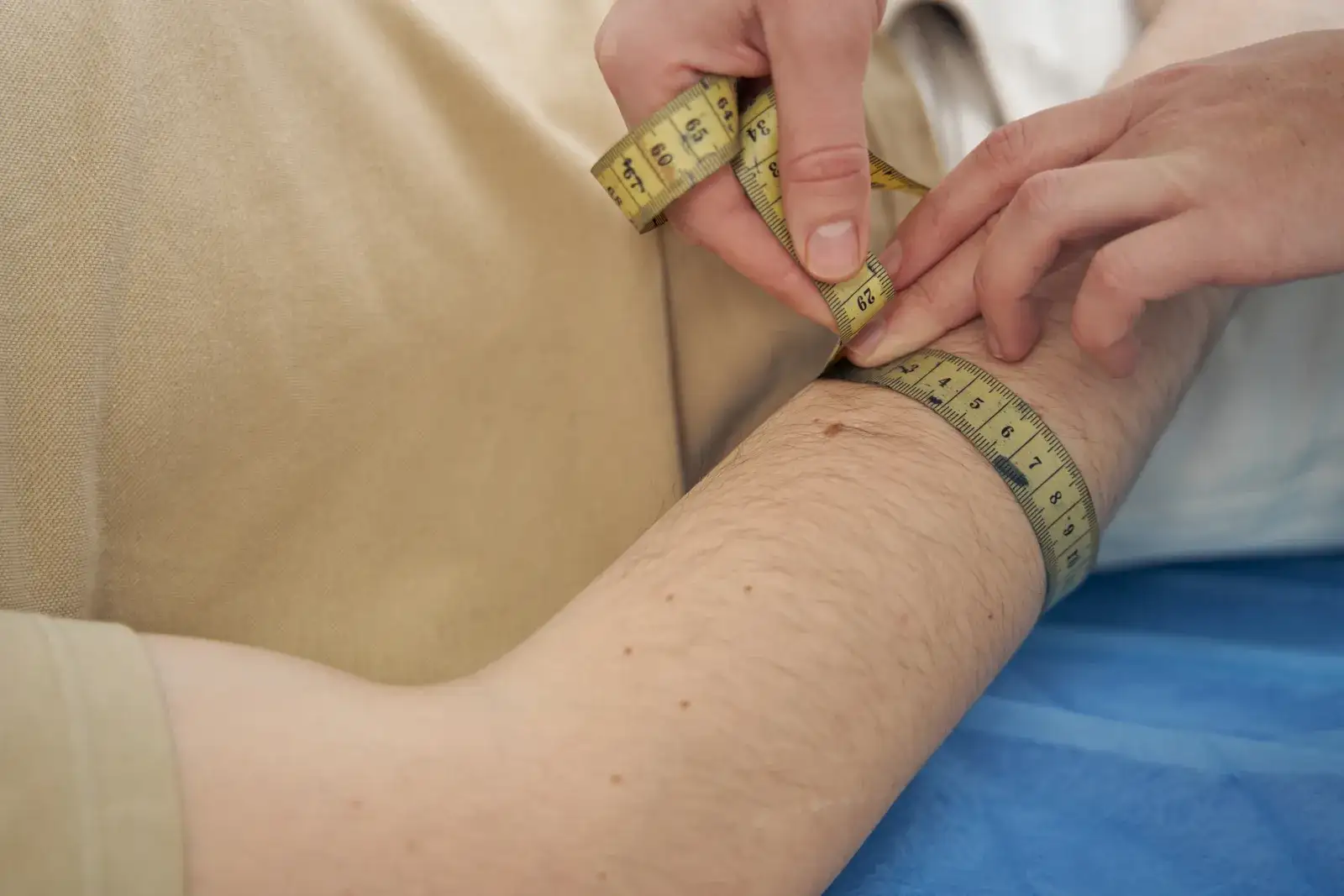
A CLT measures the limb objectively so progress is visible. The most common method is a series of tape measurements at fixed points along both arms or legs, from which limb volume is calculated and compared side to side. Some practices use an infrared or water displacement device, or bioimpedance, which can pick up early fluid changes before they are visible.
The therapist also checks the skin for thickening, folds, wounds or signs of infection, tests whether pressing leaves a pit, looks at joint range and strength, and stages the lymphedema using the International Society of Lymphology scale from 0 (at risk, no visible swelling) to 3 (severe, with marked skin changes).
Your cancer history, surgeries, radiation fields and current medications shape the plan, as do practical details such as whether you can put on a compression garment yourself.
Expect the first visit to take time and to end with a clear plan: how often you will come in during the intensive phase, what to wear to visits so bandages fit under clothes, and how to protect your skin between sessions. Loose sleeves and wide-legged trousers are practical choices.
People who are at risk but have no swelling yet also benefit from a visit. A baseline measurement before or soon after surgery makes later changes easier to spot, and early, subtle swelling generally responds better than long-established swelling. Ask your oncology team whether a baseline measurement is part of their follow-up after node removal.
What happens in each phase of complete decongestive therapy?
Complete decongestive therapy runs in two phases. The intensive phase aims to reduce the swelling and usually involves frequent visits, often several a week, with manual lymphatic drainage (a gentle, rhythmic skin technique that redirects fluid toward working lymph nodes), multilayer compression bandaging worn most of the day, meticulous skin care and exercise performed while bandaged.
Once volume plateaus, the maintenance phase hands control to you: a fitted compression garment for daytime, sometimes a night garment, self-drainage techniques, skin care and regular exercise. Re-checks track volume and garment fit. Some people also use a pneumatic compression pump prescribed by a physician.
Exercise is no longer something to fear. The National Cancer Institute notes that a supervised, progressive resistance exercise program is safe for people with or at risk of lymphedema after breast cancer, and many therapists have you wear compression while you train. Supervised strength work like that described on the post-rehab strength training page can follow a stable maintenance phase.
- Manual lymphatic drainage by the therapist, then taught for self-use
- Multilayer short-stretch bandaging in the intensive phase
- Measurement and fitting for compression garments
- Daily skin and nail care to prevent infection
- Decongestive and progressive strengthening exercise
- Travel, heat and activity planning for flare-ups
How long does the intensive phase of lymphedema treatment last?
The intensive phase usually means a few weeks of daily or near-daily visits (the National Cancer Institute cites an average of about 15 daily sessions), though length varies with stage and how the limb responds. Maintenance is lifelong, because lymphedema is a chronic condition that is managed rather than eliminated. The goal is a stable, comfortable limb and a routine you can keep.
Compression costs add up, so check coverage. Since January 1, 2024, Medicare Part B has covered prescribed compression garments, wraps and bandaging supplies for people diagnosed with lymphedema, a benefit created by the Lymphedema Treatment Act through the Consolidated Appropriations Act, 2023; you pay 20 percent after the Part B deductible. The Medicare physical therapy coverage page explains how therapy visits themselves are covered.
A typical course moves through these stages, with timing set by your stage and response.
- Evaluation: limb measurements, skin check, staging and a plan agreed with you and your physician.
- Intensive phase (often around three weeks): daily or near-daily visits for drainage, bandaging, skin care and exercise until volume plateaus.
- Transition: measurement for daytime and sometimes night garments, and practice of self-drainage and self-bandaging.
- Maintenance (ongoing): daily garment wear, exercise and skin care at home, with re-checks every few months or when swelling changes.
How do I find a certified lymphedema therapist near Carmel?
Look for the CLT designation, which means the therapist completed a 135-hour training program in complete decongestive therapy, and ideally CLT-LANA, which means they also passed the national certification exam of the Lymphology Association of North America. Ask how often they treat lymphedema and whether they fit garments or work with a fitter.
Lymphedema care depends on whether a CLT is in the network at the time. Complete the online questionnaire and the matching team will tell you plainly whether a certified lymphedema therapist in the network is available. If not, they say so before anything is booked and help you know what to look for. The intensive phase needs frequent visits, so ask about schedule fit; the suites at Carmel City Center are open from 5 AM on weekdays.
When to see a physician or go to the ER first
Physical therapy is the right start for most lymphedema. These symptoms are different and need medical attention before, or instead of, a physical therapy visit:
- A red, hot, swollen limb with fever or chills (possible cellulitis, seek care the same day)
- Sudden swelling in one leg or arm with pain or warmth (possible blood clot)
- Shortness of breath or chest pain with new swelling (call 911)
- Swelling in both legs with breathlessness lying flat
- A new lump, wound that will not heal, or skin color change in the affected limb
- Rapid new swelling during or after cancer treatment
If you think it is an emergency, call 911.
Two-minute assessment
Get your lymphedema looked at
Tell us how your lymphedema started, how long it has been going on and what it is stopping you from doing. The matching team proposes a therapist in the network who focuses on it, and you hear back, usually within one business day.
- No referral needed to start in Indiana (first 42 days)
- We check which therapists work with your plan before you book
- One-on-one care in a private suite at Carmel City Center
How therapists treat it
Kinds of care used for lymphedema
Questions
Lymphedema: what people ask
Information on this website is general education, not medical advice, a diagnosis or a treatment plan. Only a licensed clinician who examines you can advise on your condition. If you may be having a medical emergency, call 911.
Something we did not cover? Ask the matching team or ring (888) 353-9975.
Can lymphedema go away completely?
Early, mild swelling can sometimes settle, but established lymphedema is usually a long-term condition. Treatment reduces and controls it so the limb stays comfortable and functional.
Can I lift weights if I have lymphedema?
Many people can, with a gradual progression and compression on, under guidance. Start light and watch for increased swelling or heaviness over the following day.
Do I need a prescription for lymphedema therapy?
Indiana direct access allows evaluation without a referral, but many insurers and Medicare need a physician to certify the plan of care, and compression garments need a prescription for coverage.
Is massage the same as manual lymphatic drainage?
No. Manual lymphatic drainage is very light and follows the direction of lymph flow, whereas ordinary massage is deeper and can increase fluid in the area.
What should I do before a long flight with lymphedema?
Many therapists suggest wearing your compression garment, moving and doing pumping exercises regularly, staying hydrated, and checking with your CLT about your specific limb before travel.
Can I have blood pressure taken or blood drawn on my affected arm?
The American Cancer Society still advises avoiding blood draws and blood pressure readings on the affected arm when possible. Ask your CLT and oncology team for guidance specific to you.
Google reviews
What guests say about FlexWerk
These are live Google reviews of FlexWerk at Carmel City Center, the private-suite facility where therapists in the network practise.
Related
Conditions that travel together
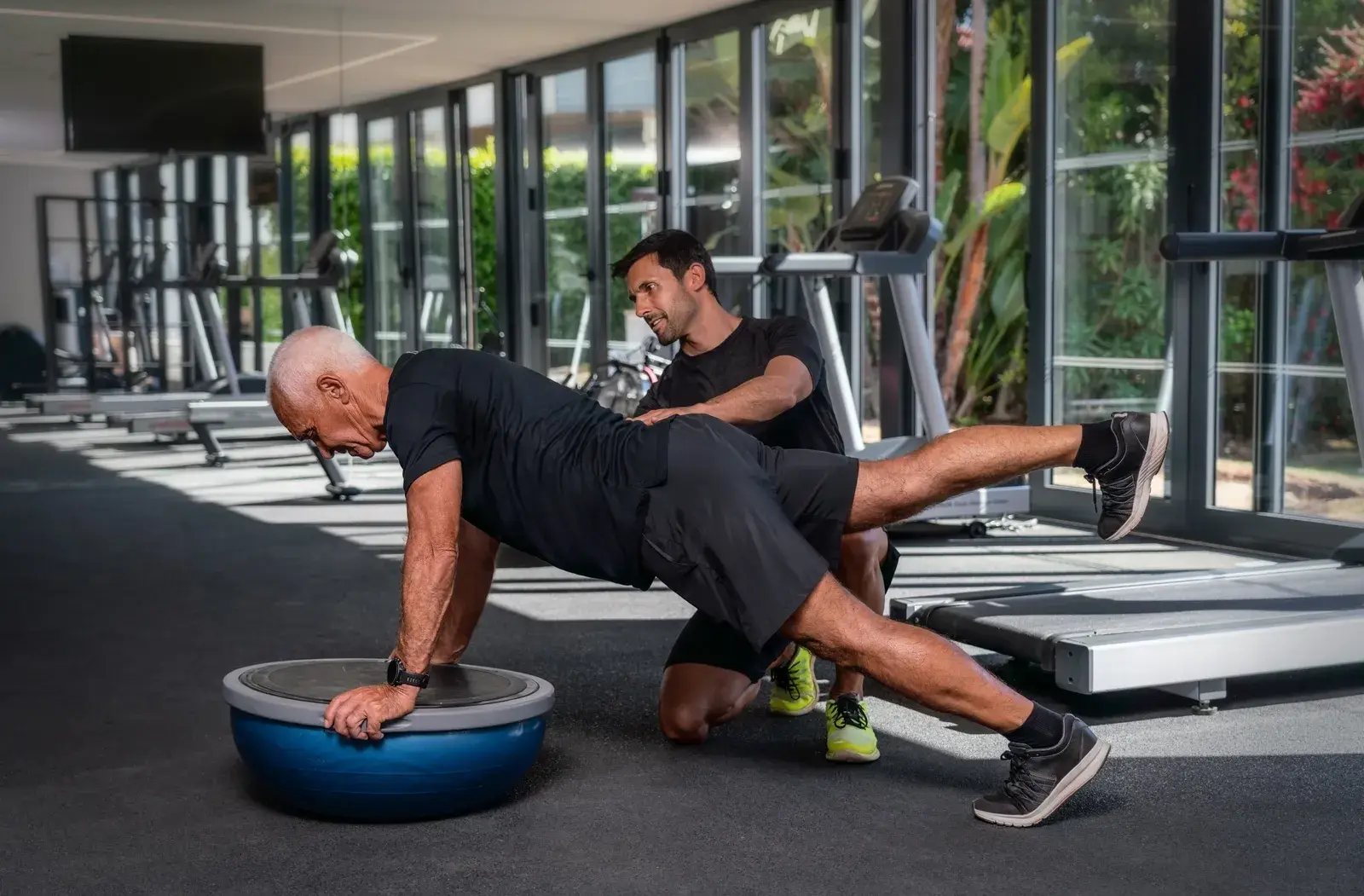 DeconditioningRebuilding strength, walking stamina and balance after a hospital stay, illness or long period of inactivity.
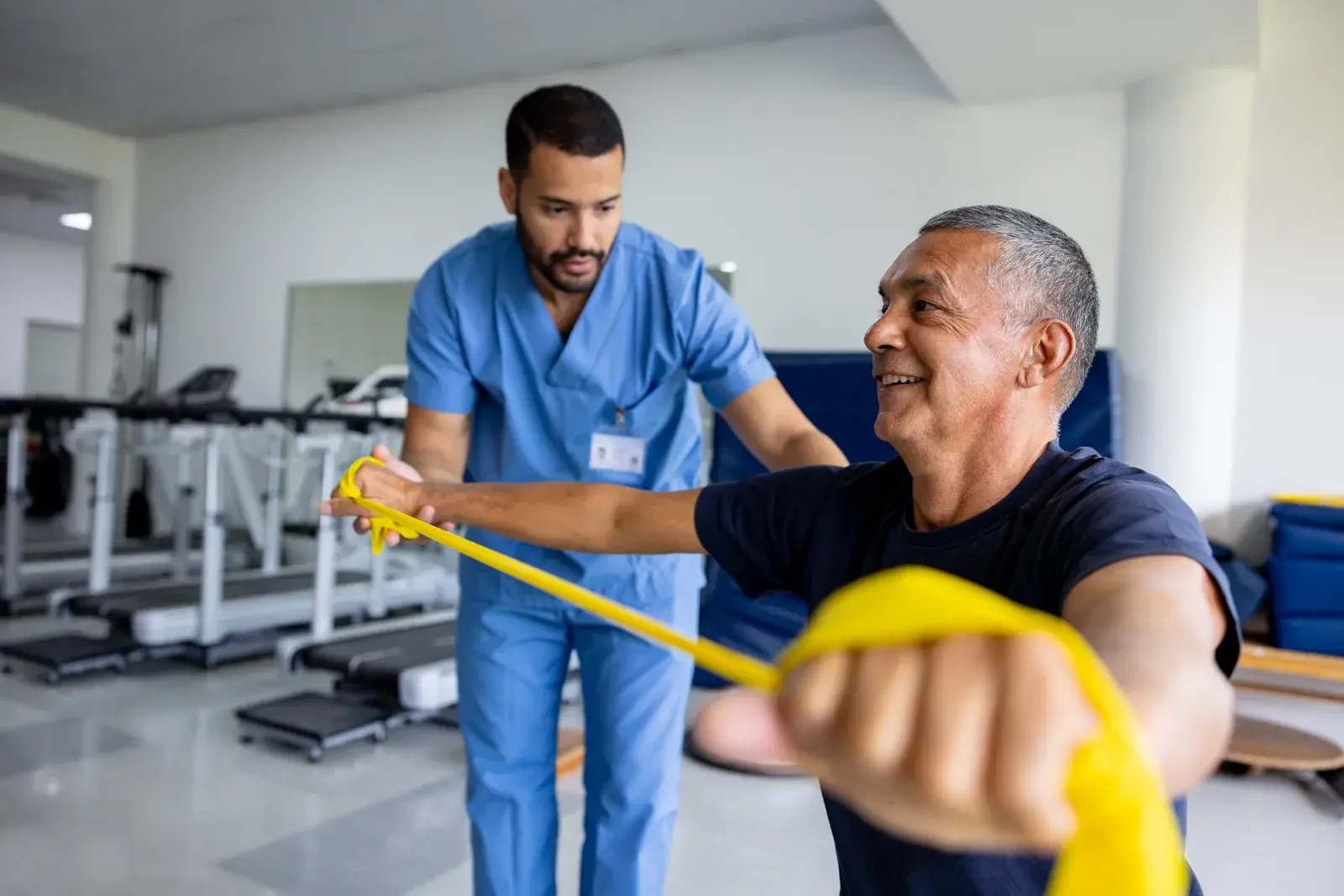 Shoulder painOne-on-one care for impingement-type pain, frozen shoulder, instability and overhead sport shoulders.
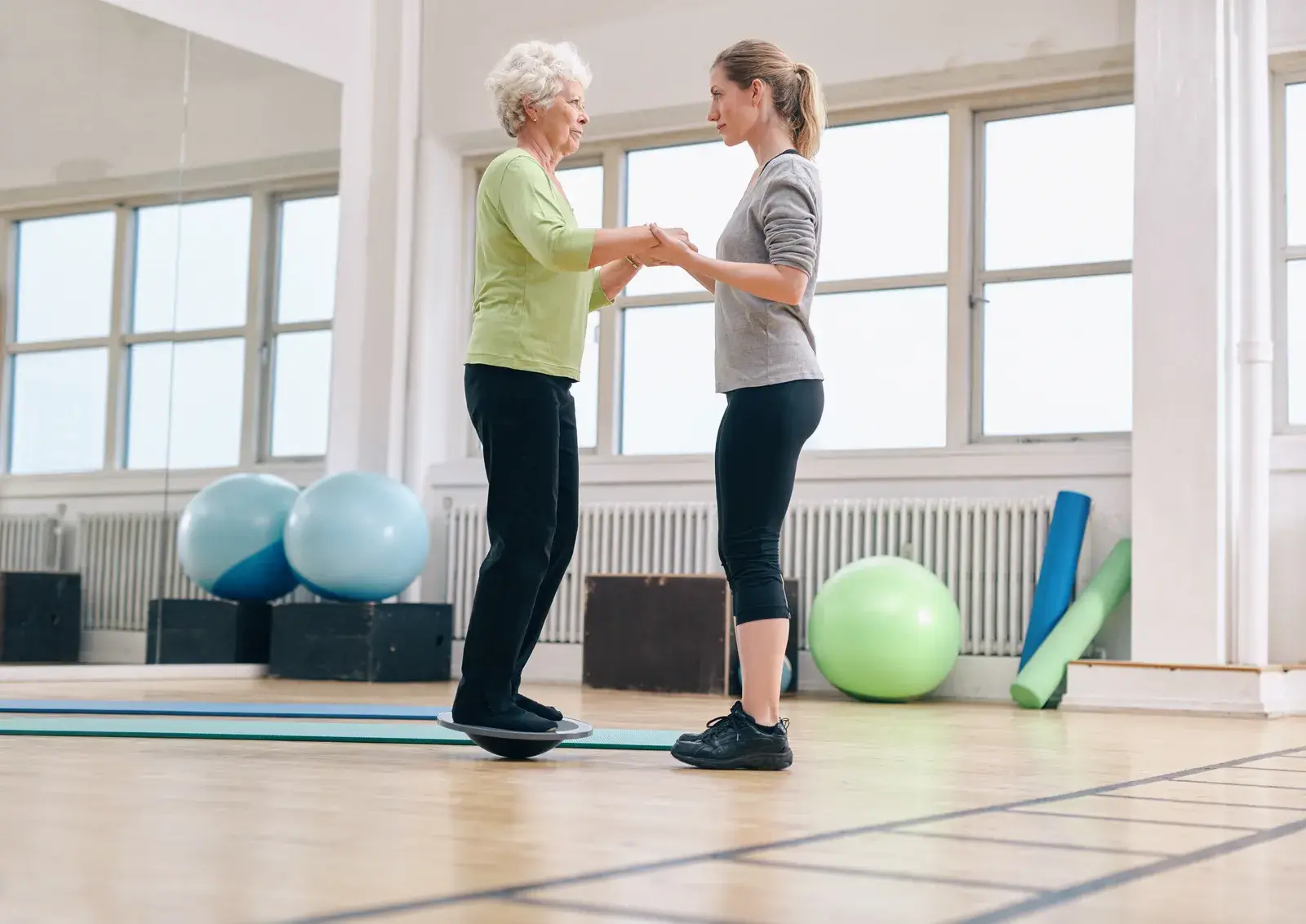 Peripheral neuropathyBalance, strength and foot-safety training for numb, tingling or weak feet from nerve damage.
Page reviewed By the Monon Therapy Collective editorial team

Carmel City Center · Carmel, Indiana
Start with a conversation
Tell us what hurts and what you want to get back to. We will tell you honestly whether a therapist in the network is likely a good fit for what you describe, and match you with an independent, licensed therapist who is. Only that therapist can assess what will help.
885 Monon Green Blvd, Suite 120, Carmel, IN 46032 · Monday to Friday 5 AM to 9 PM · Saturday and Sunday 7 AM to 4 PM