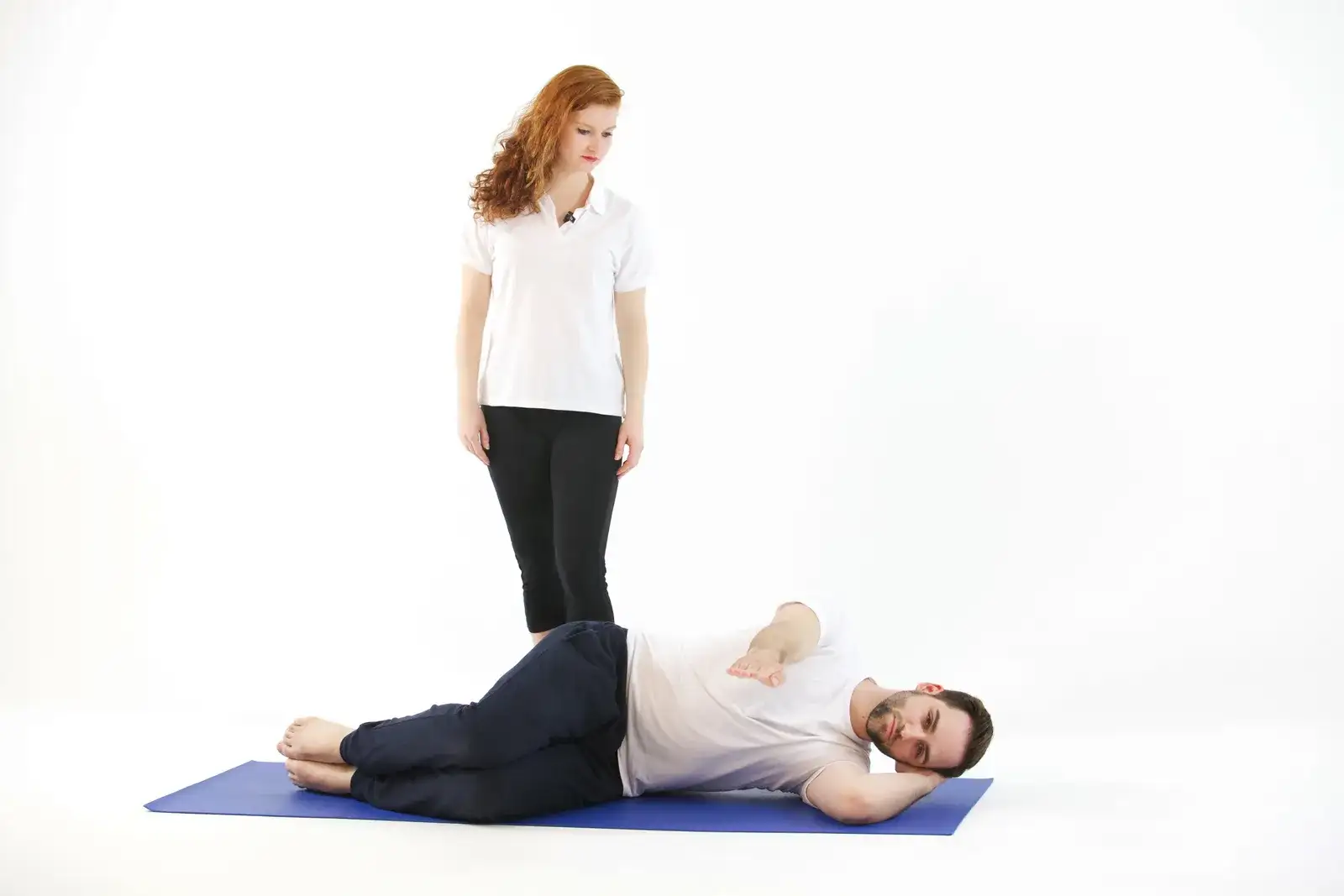
Scoliosis physical therapy in Carmel, Indiana
Physical therapy for adult scoliosis aims to reduce pain, build trunk endurance and keep you active, rather than straighten the curve. A licensed therapist in the network assesses how your curve affects movement and fatigue, then designs strength and mobility work suited to its shape in one-on-one sessions at Carmel City Center. Teenagers with scoliosis are monitored by a physician, and a parent or guardian completes the questionnaire.
At a glance
Common signs of scoliosis
Also called: Adult scoliosis, Degenerative scoliosis, De novo scoliosis, Adolescent idiopathic scoliosis, Curvature of the spine.
What is the difference between teenage scoliosis and scoliosis that starts in adulthood?
Scoliosis is a sideways curve of the spine, measured on an X-ray as the Cobb angle, usually with some rotation of the vertebrae. Adolescent idiopathic scoliosis appears during the growth spurt without a known cause, while adult degenerative (de novo) scoliosis develops later in life as discs and joints wear unevenly, most often in the lower back.
Many adults with scoliosis had a curve as a teenager that was monitored or braced and then stabilized. Some curves progress slowly in adulthood. Degenerative curves frequently come with narrowing around the nerves, so walking-related leg symptoms like those on the spinal stenosis page are common.
The size of the curve guides a physician’s decisions about monitoring, bracing in growing children, or surgery. The American Academy of Orthopaedic Surgeons notes that people with curves under 30 degrees have the same risk of back pain as people without scoliosis, while large untreated curves, over 50 to 60 degrees, are more likely to cause low back pain. Physical therapy works alongside the physician’s plan and does not replace follow-up X-rays when they are due.
What does a physical therapist look for in a body with scoliosis?
A therapist looks at how the curve changes the way your body moves and tolerates load: which side tires first, which areas are stiff or overused, how your pelvis and shoulders sit, and how you breathe. The goal is a picture of your functional limits, not a new measurement of the curve.
The exam often includes a forward bend to see rotation, checks of hip and shoulder mobility, single-leg balance, trunk endurance holds on each side, and breathing into each side of the rib cage. If you have leg symptoms, a nerve exam is added. Bring your latest X-ray report and any surgical notes.
Leg length is often checked too. Many people with scoliosis have been told one leg is shorter, but an apparent difference is frequently caused by the pelvis tilting with the curve rather than by bone length. A therapist can usually tell the two apart with simple measurements, which matters before anyone recommends a heel lift.
Your goals shape everything that follows. A pickleball player wants rotation and quick steps; someone else wants to stand through a grandchild’s graduation at the Palladium without back fatigue. The plan is built around those targets.
What are scoliosis-specific exercises, and does a therapist need special training for them?
Scoliosis-specific exercise programs, such as the Schroth method and SEAS, teach you to elongate the spine, breathe into the concave side of the rib cage and hold corrected postures during daily activities. Clinicians usually take dedicated training and certification courses to use these methods, beyond general physical therapy education.
Whether a therapist in the network currently offers a scoliosis-specific method depends on who is in the network at the time. The matching team will tell you honestly before anything is booked, and point you elsewhere if no one does. A general orthopedic therapist can still provide strength, endurance and mobility work suited to your curve.
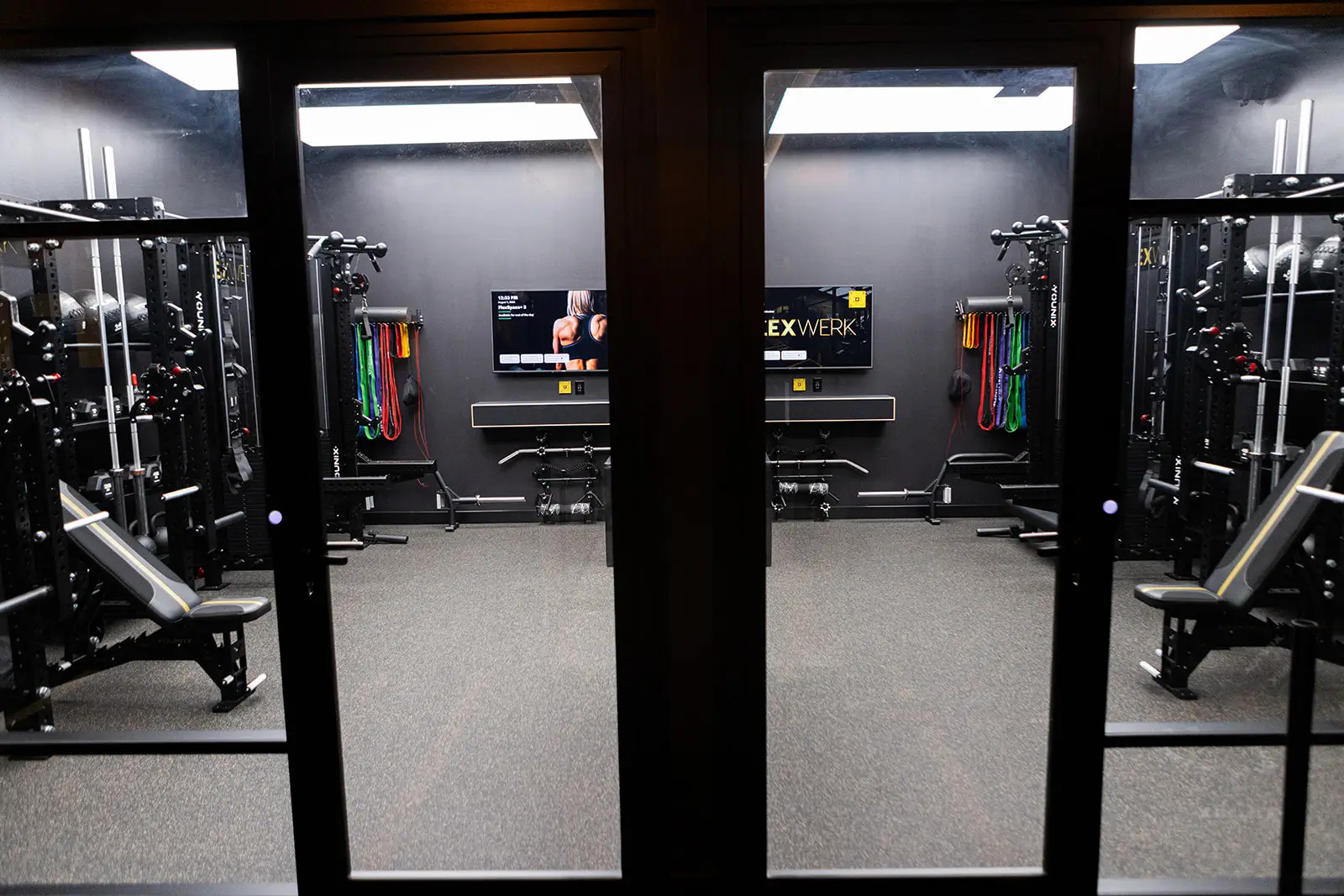
Most adult programs blend curve-aware strengthening, such as side planks favoring the weaker side, split-stance carries and cable rows, with breathing drills and hip mobility. The cable system and dumbbells in the private suites make this kind of precise, asymmetric training practical.
- Elongation and breathing drills into the concave side
- Side planks and anti-lateral flexion holds
- Asymmetric rows and carries chosen for your curve
- Hip and thoracic mobility
- Walking and general fitness for endurance
Can adults with scoliosis expect less pain, even if the curve stays the same?
Yes. Many adults find that pain and fatigue ease as trunk endurance, hip mobility and general fitness improve, even though the curve on an X-ray changes little or not at all. Most notice a difference in how long they can stand and walk within 8 to 12 weeks of regular work.
Endurance is the quality that changes most. Many adults with a curve find one side of the back tires quickly because the muscles there work constantly to hold the spine upright. Building endurance on that side, and learning to change position before fatigue sets in, is often what lets someone stand through a long event or finish a round of golf in comfort.
Scoliosis is usually a long-term condition, so the aim is a sustainable routine rather than a fixed end date. Many people finish a course of care with a home and gym program and check in with a therapist when something changes, such as a new sport or a flare.
Surgery for adult scoliosis is a major decision, typically considered for significant progression, severe pain or nerve problems not helped by conservative care. A spine surgeon guides that choice, and if fusion happens, the spinal fusion rehab page explains what follows.
What should parents of a teen with scoliosis know before looking for physical therapy?
Parents should know that a growing teen’s curve is managed by a physician, usually a pediatric orthopedic specialist, who decides on monitoring, bracing or surgery. Physical therapy, when used, supports that plan, and exercise programs are generally added to bracing rather than used in place of it for larger curves.
Sport is usually encouraged. Teens with scoliosis can generally keep playing soccer at Grand Park, swimming or dancing, unless their physician advises otherwise. The guide on youth sports overuse injuries covers related questions for parents.
Watch for signs worth raising with the physician between visits: a shoulder or hip that looks more uneven than before, clothes fitting differently, or back pain that wakes your teen at night. Most teenage curves are not painful, so pain that is significant or persistent deserves a closer look rather than an assumption that the curve is the cause.
For anyone under 18, a parent or legal guardian completes the scoliosis questionnaire and attends visits. The matching team will tell you honestly whether a therapist in the network currently works with adolescents and with scoliosis-specific methods before anything is booked.
When to see a physician or go to the ER first
Physical therapy is the right start for most scoliosis. These symptoms are different and need medical attention before, or instead of, a physical therapy visit:
- A curve that seems to be changing quickly or a new visible change in shape
- Leg numbness, weakness or changes in bladder or bowel control
- Shortness of breath that is getting worse
- Back pain with fever, unexplained weight loss or night pain
- Scoliosis in a young child or with other neurological symptoms
- New severe pain after a fall
If you think it is an emergency, call 911.
Two-minute assessment
Get your scoliosis looked at
Tell us how your scoliosis started, how long it has been going on and what it is stopping you from doing. The matching team proposes a therapist in the network who focuses on it, and you hear back, usually within one business day.
- No referral needed to start in Indiana (first 42 days)
- We check which therapists work with your plan before you book
- One-on-one care in a private suite at Carmel City Center
How therapists treat it
Kinds of care used for scoliosis
Questions
Scoliosis: what people ask
Information on this website is general education, not medical advice, a diagnosis or a treatment plan. Only a licensed clinician who examines you can advise on your condition. If you may be having a medical emergency, call 911.
Something we did not cover? Ask the matching team or ring (888) 353-9975.
Can exercise straighten an adult scoliosis curve?
Exercise is not expected to straighten a mature curve. Its value is in reducing pain, improving endurance and keeping you active.
Is it safe to lift weights with scoliosis?
For most adults, yes. Load is introduced gradually and some exercises may be adapted to your curve, with a therapist or experienced coach guiding progressions.
Should I avoid running or golf?
Most adults with scoliosis can run and golf. Building trunk endurance and rotation on both sides helps the body tolerate them.
Do I need a new X-ray before physical therapy?
Not usually, but recent imaging from your physician helps the therapist understand your curve. Follow your physician’s schedule for monitoring.
Will a brace help adult scoliosis pain?
Bracing is mainly used in growing children to slow progression. Some adults use a brace briefly for pain, but long-term strength work is usually more helpful.
Is yoga or Pilates good for scoliosis?
Both can help with strength, mobility and body awareness. Some poses that force deep twisting or backbending may need adapting to your curve, so tell the instructor about your scoliosis.
Can scoliosis cause leg pain?
Degenerative curves in the lower back can narrow the spaces for nerves and cause leg pain or heaviness with walking. That pattern needs a nerve exam and sometimes a physician review.
Does scoliosis affect breathing?
Most mild and moderate curves do not noticeably affect breathing. Breathing drills are often part of a program because the rib cage tends to move less on one side.
Google reviews
What guests say about FlexWerk
These are live Google reviews of FlexWerk at Carmel City Center, the private-suite facility where therapists in the network practise.
Related
Conditions that travel together
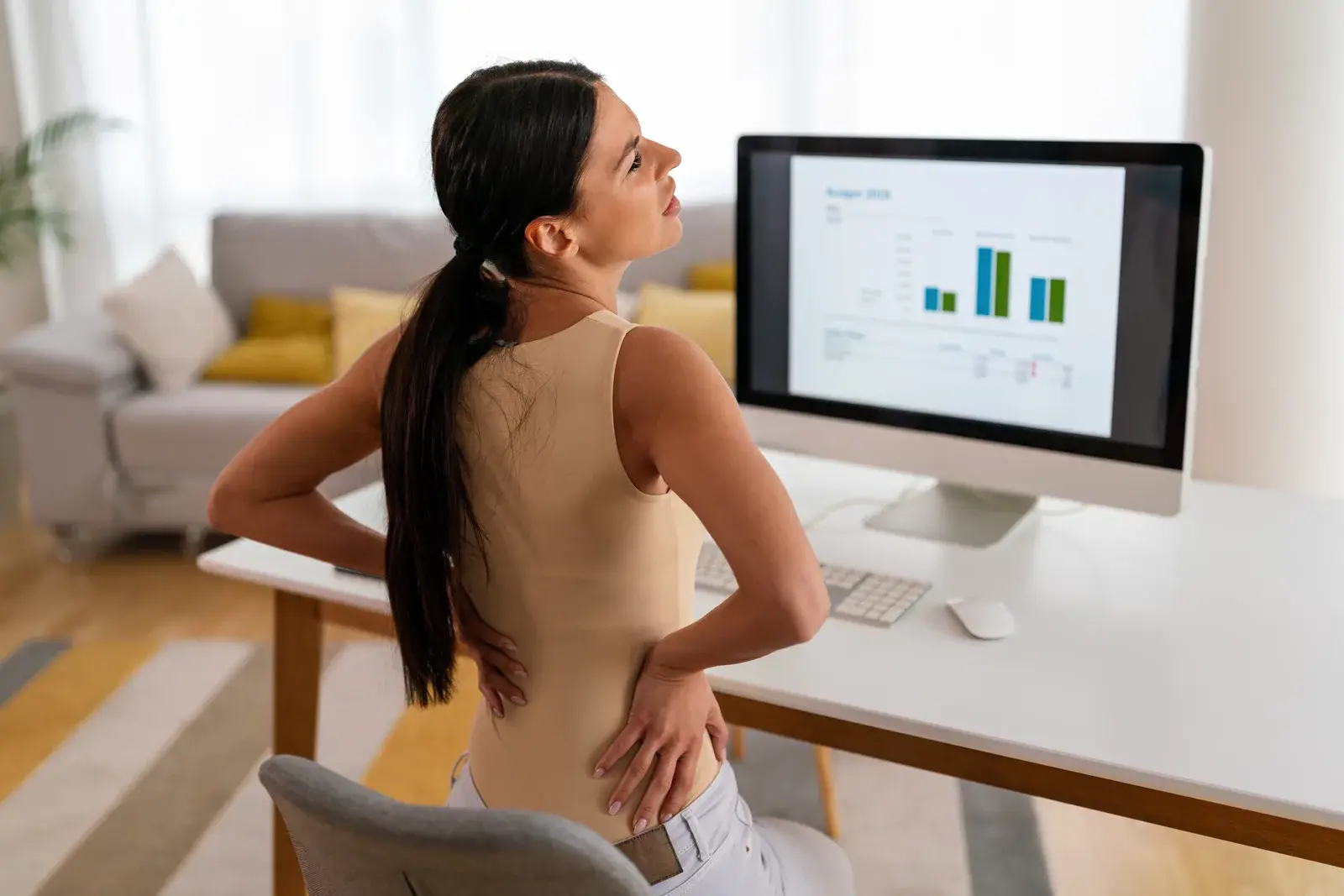 Low back painActive, one-on-one care for new or long-running low back pain, from first flare-up to confident lifting.
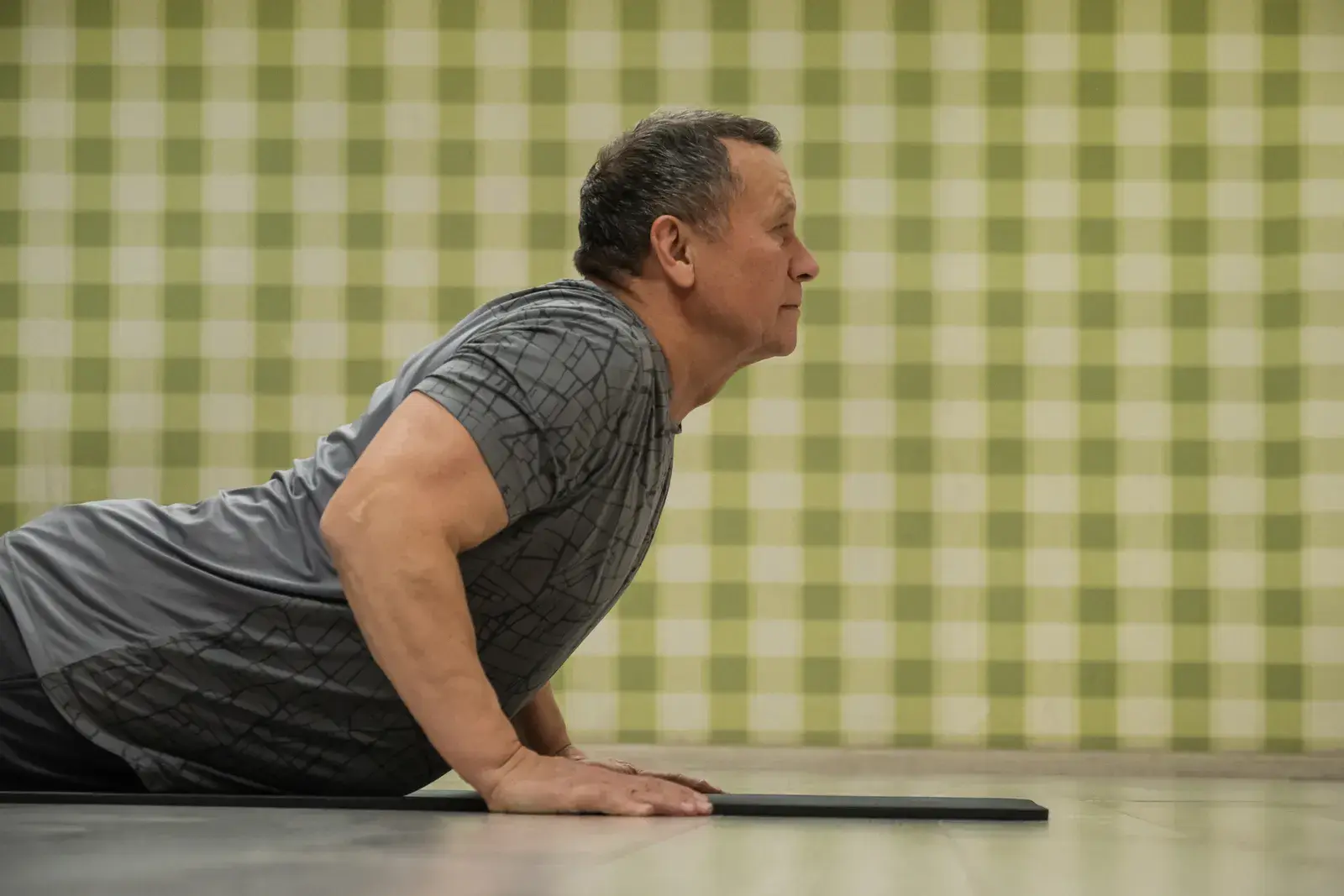 KyphosisBack extensor strength, mobility and balance training for a rounded upper back in teens and adults.
 Mid back painRotation mobility, rib joint care and upper back strength for pain between the neck and the bottom of the ribs.
Page reviewed By the Monon Therapy Collective editorial team

Carmel City Center · Carmel, Indiana
Start with a conversation
Tell us what hurts and what you want to get back to. We will tell you honestly whether a therapist in the network is likely a good fit for what you describe, and match you with an independent, licensed therapist who is. Only that therapist can assess what will help.
885 Monon Green Blvd, Suite 120, Carmel, IN 46032 · Monday to Friday 5 AM to 9 PM · Saturday and Sunday 7 AM to 4 PM