Spinal stenosis physical therapy in Carmel, Indiana
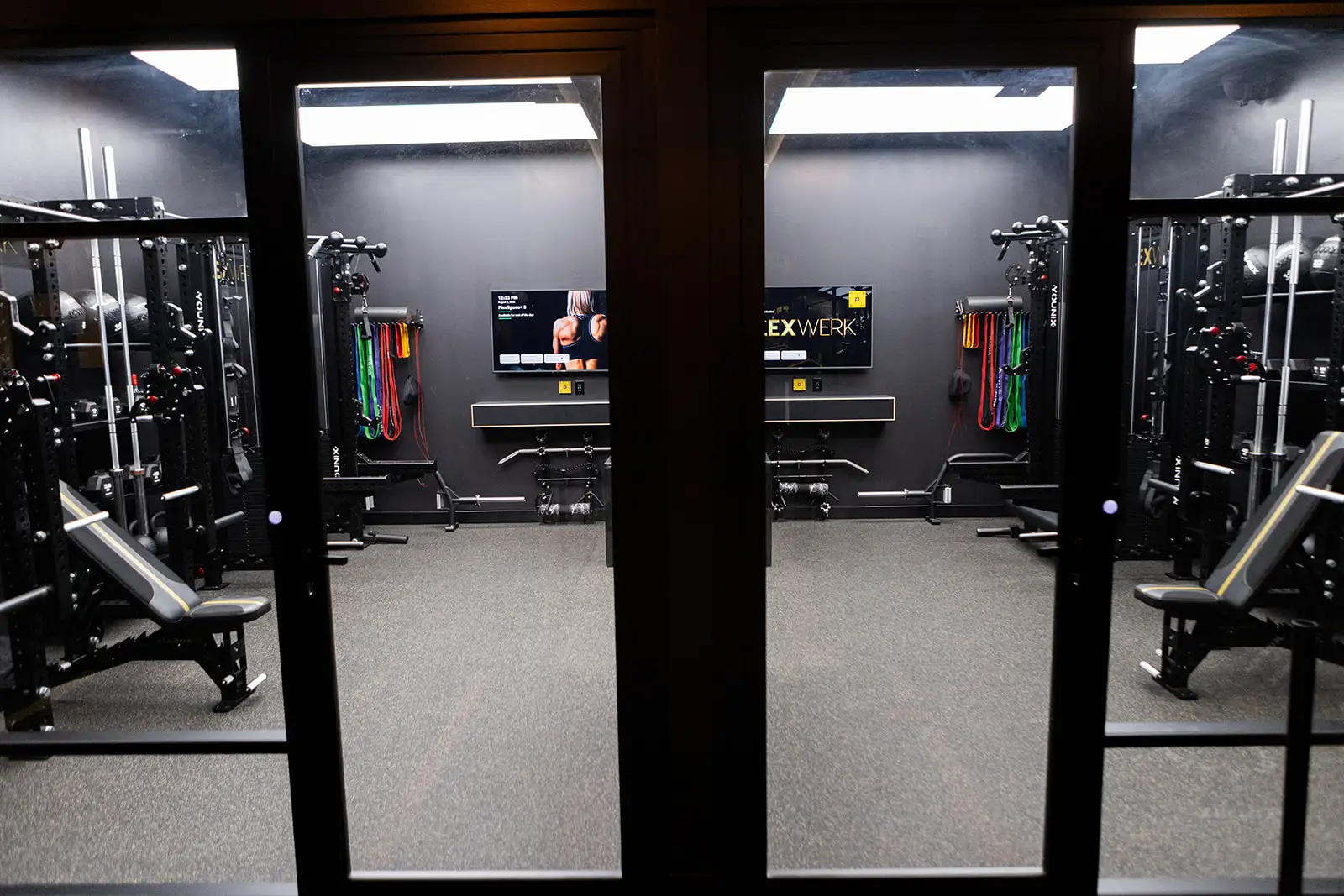
Physical therapy is a recommended first approach for lumbar spinal stenosis, the narrowing that makes legs ache or tire when you stand and walk. A licensed therapist in the network teaches positions that open space for the nerves, then builds walking distance, hip strength and balance so errands and outings get easier. Visits are one-on-one in private suites at Carmel City Center, a short walk from garage parking.
At a glance
Common signs of spinal stenosis
Also called: Lumbar spinal stenosis, Neurogenic claudication, Narrowing of the spinal canal, Foraminal stenosis.
Why do my legs give out when I walk but feel fine when I sit down?
That pattern, called neurogenic claudication, is the hallmark of lumbar spinal stenosis. Standing upright and walking narrow the spinal canal slightly, which squeezes the nerves and their blood supply. Sitting or bending forward opens the space again, so the heaviness or cramping fades within a few minutes of resting.
Stenosis usually builds slowly from age-related changes: thickened ligaments, enlarged facet joints and bulging discs gradually crowd the canal. It is most common after age 60. Many people first notice it as a shrinking walk, such as turning back early on a loop of the Monon Trail or needing a bench halfway through a store.
A useful clue is the shopping cart sign. If you can walk much farther while leaning on a cart, the forward lean is probably giving your nerves more room. Vascular claudication, caused by narrowed leg arteries, can look similar, so a physician should check circulation when the picture is unclear. One difference: vascular leg pain usually eases when you simply stand still, while stenosis usually needs you to sit or bend.
What does a physical therapist check to confirm walking-related leg pain is from stenosis?
A therapist confirms the pattern by comparing walking upright with walking or cycling bent forward, then examining nerves, strength and balance. Many will time how long or how far you walk before symptoms start, which also becomes a baseline for measuring progress over the following weeks.
Expect questions about how far you can walk, what makes you stop, and whether sitting brings relief. The physical exam usually includes leg reflexes and sensation, hip and ankle mobility, standing back extension to see whether it reproduces leg symptoms, and pulses at the feet. Weak hip muscles and stiff hips are common partners of stenosis and worth fixing.
Balance gets checked too, since numb feet and fatigue raise fall risk. A single-leg stance, a timed sit-to-stand and a walking test give a snapshot. The balance and fall prevention therapy page explains why that part of the exam matters at this stage of life.
- A timed walk or treadmill test to the first sign of leg symptoms
- Standing back extension held for 30 seconds or so
- Reflexes, sensation and strength in both legs
- Hip flexor length and hip rotation
- Foot pulses, to flag possible circulation problems for a physician
Why is cycling often easier than walking with spinal stenosis?
Cycling keeps the lower back gently bent forward, which keeps the canal more open, so most people with stenosis can ride an upright or recumbent bike much longer than they can walk. That makes the bike a practical way to build fitness and leg strength without provoking symptoms.
A plan in the private suite often pairs bike intervals with flexion-friendly exercises: knees-to-chest stretches, seated forward bends, and pelvic tilts. Strength work follows for the hips, thighs and trunk, using cables, dumbbells and a bench, so that standing and walking feel less draining.
Walking still matters because it is the activity most people want back. A therapist usually sets an interval plan: walk until symptoms first appear, rest by sitting or leaning, then repeat, nudging the total up each week. The answer on whether walking is good for lower back pain explains how to dose it sensibly.
- Flexion-biased mobility for the lower back and hips
- Upright or recumbent bike intervals for endurance
- Hip and thigh strengthening for easier standing
- Interval walking with planned sitting breaks
- Balance practice if the feet are numb
Will physical therapy reverse spinal stenosis, or just help me manage it?
Physical therapy does not widen the spinal canal, but it often improves how far you can walk and how well you function. Many people with mild to moderate stenosis report steady gains over 6 to 12 weeks of regular exercise, and some stay stable for years with an ongoing routine.
Symptoms tend to fluctuate. A busy weekend of yard work or a long stand at a grandchild’s game can bring a flare, followed by a return to baseline. The useful measures are practical: minutes walked before needing to sit, how many errands fit in a morning, and whether stairs feel steadier.
People who keep exercising after discharge tend to hold their gains, so the last few visits usually focus on a routine you can run alone, whether that is a stationary bike at home, a community fitness class, or strength sessions with an independent coach. Stopping all exercise once you feel better is the most common reason symptoms creep back.
Surgery, such as a laminectomy, is usually discussed when walking stays severely limited, when weakness progresses, or when quality of life keeps slipping despite a fair trial of conservative care. A spine surgeon makes that call. If surgery happens, the laminectomy rehab page covers recovery afterward.
What daily habits make stenosis easier to live with right now?
The most helpful habit is planning short sitting or leaning breaks into any long walk or stand before your legs force you to stop. Pacing like this keeps you active, which matters for heart health, bone strength and mood, instead of letting the distance you walk shrink month by month.
Sleep position can help too. Many people with stenosis are more comfortable on their side with knees bent, or on their back with a pillow under the knees, both of which keep the lower back slightly rounded. Lying flat on the stomach usually does the opposite.
At home, use a stool to lean forward with one foot raised while washing dishes or cooking. On outings, choose routes with benches or shops where you can sit for a minute, whether that is a stretch of the Monon Trail or a lap of Carmel City Center. Indoors in an Indiana winter, a stationary bike or a mall walk with seating keeps the routine going when sidewalks are icy.
When you are ready for a plan built around your walking goals, the spine questionnaire takes about two minutes. The matching team reads it, proposes a licensed therapist in the network whose schedule and coverage fit, and the therapist’s office confirms benefits before your first visit.
When to see a physician or go to the ER first
Physical therapy is the right start for most spinal stenosis. These symptoms are different and need medical attention before, or instead of, a physical therapy visit:
- Loss of bladder or bowel control, or numbness in the saddle area
- Rapidly worsening weakness in one or both legs
- Falls that are becoming more frequent
- Leg pain with cold, pale feet or pain at rest, which may be circulatory
- Back pain with fever, unexplained weight loss or night sweats
- Clumsy hands or a changing walk, which can signal neck cord compression
If you think it is an emergency, call 911.
Two-minute assessment
Get your spinal stenosis looked at
Tell us how your spinal stenosis started, how long it has been going on and what it is stopping you from doing. The matching team proposes a therapist in the network who focuses on it, and you hear back, usually within one business day.
- No referral needed to start in Indiana (first 42 days)
- We check which therapists work with your plan before you book
- One-on-one care in a private suite at Carmel City Center
How therapists treat it
Kinds of care used for spinal stenosis
- Orthopedic physical therapyExercise-led care for back, neck, shoulder, hip, knee and ankle problems, delivered one-on-one in a private suite.
- Balance and fall preventionStrength, walking and balance training for older adults who feel unsteady, have fallen, or want to stay confident on their feet.
- Gait trainingWalking-focused rehab that measures speed and balance, then practises the steps, turns, stairs and surfaces you need for daily life.
Questions
Spinal stenosis: what people ask
Information on this website is general education, not medical advice, a diagnosis or a treatment plan. Only a licensed clinician who examines you can advise on your condition. If you may be having a medical emergency, call 911.
Something we did not cover? Ask the matching team or ring (888) 353-9975.
Should I avoid bending backward with spinal stenosis?
Prolonged or repeated arching backward often provokes stenosis symptoms, so many plans limit it early on. Your therapist will test how your back responds before deciding.
Is a walker or cane a bad sign?
Not at all. A rolling walker lets you lean slightly forward, often doubling as a seat, and can extend how far you walk while you build strength.
Can I do water exercise with stenosis?
Many people do well with water walking or swimming because buoyancy reduces load. Strokes that arch the back hard may need adjusting.
Does Medicare cover physical therapy for spinal stenosis?
Medicare Part B covers medically necessary outpatient physical therapy when a qualified provider certifies the plan of care. The matching team asks about your coverage, and the therapist’s office verifies benefits; see the cost and insurance page.
Can stenosis and a herniated disc happen together?
Yes. A disc bulge can be one of the structures narrowing the canal, so the two often overlap in older adults.
Is it safe to golf with lumbar stenosis?
Often yes, with a shorter, more upright follow-through and a cart for longer rounds. Because standing tall can bring on leg symptoms, sitting between shots helps many golfers finish all eighteen holes.
Google reviews
What guests say about FlexWerk
These are live Google reviews of FlexWerk at Carmel City Center, the private-suite facility where therapists in the network practise.
Related
Conditions that travel together
 Degenerative disc diseaseMaking sense of a degenerative disc diagnosis and rebuilding back capacity with progressive loading.
 SciaticaCare for nerve-related leg pain: find what calms it, restore movement, then rebuild strength.
 OsteoarthritisStrength, pacing and joint-friendly exercise for knee and hip osteoarthritis, including preparation for joint replacement.
Page reviewed By the Monon Therapy Collective editorial team

Carmel City Center · Carmel, Indiana
Start with a conversation
Tell us what hurts and what you want to get back to. We will tell you honestly whether a therapist in the network is likely a good fit for what you describe, and match you with an independent, licensed therapist who is. Only that therapist can assess what will help.
885 Monon Green Blvd, Suite 120, Carmel, IN 46032 · Monday to Friday 5 AM to 9 PM · Saturday and Sunday 7 AM to 4 PM