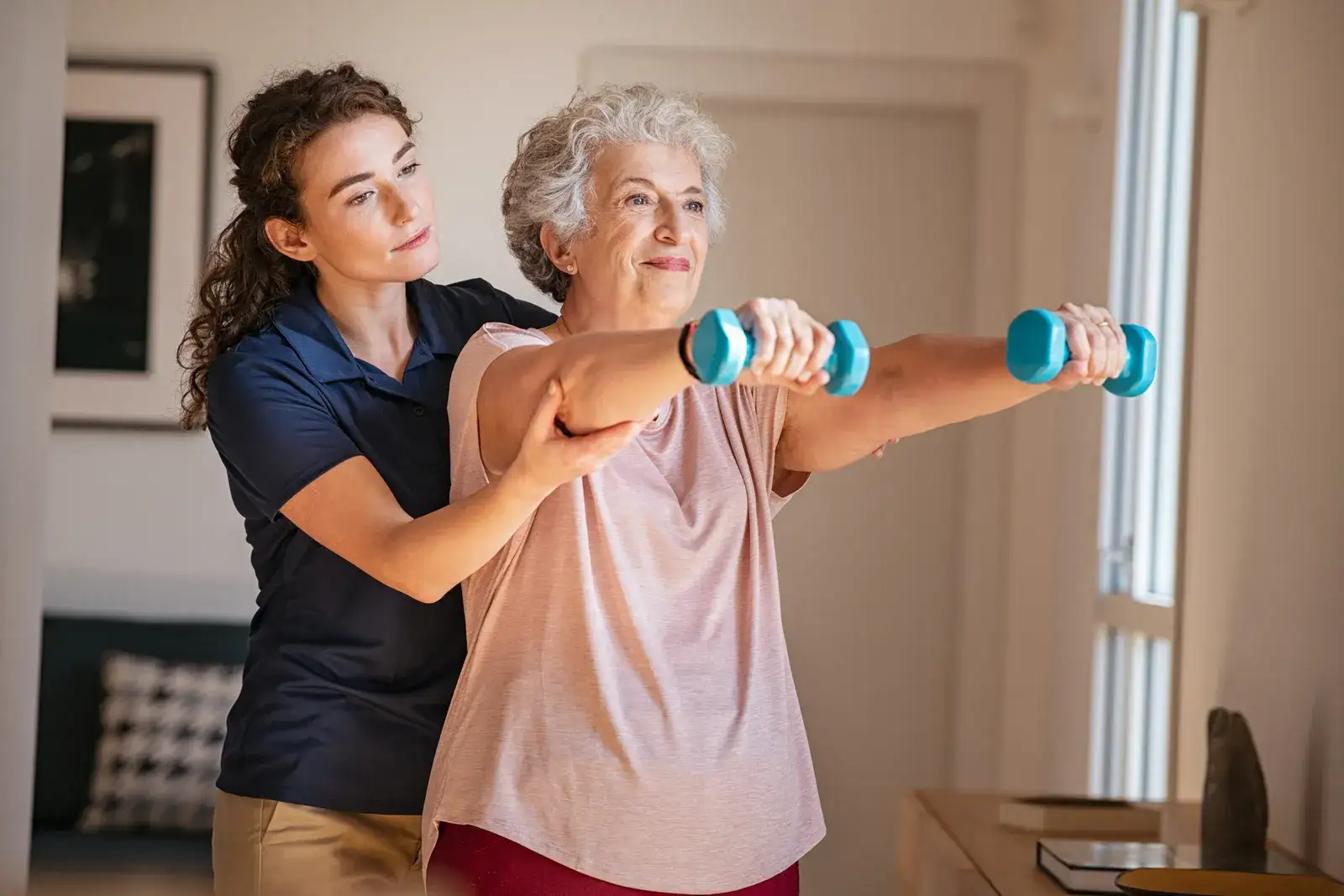
AC joint sprain physical therapy in Carmel, Indiana
An AC joint sprain, often called a separated shoulder, is an injury to the ligaments where the collarbone meets the top of the shoulder blade, usually from a fall directly onto the shoulder. Most grades heal without surgery, and a licensed physical therapist matched through the network in Carmel guides you from the sling phase back to full motion, strength, pressing and contact sport. A visible bump may remain, but AAOS OrthoInfo notes that most people return to normal function with nonsurgical treatment.
At a glance
Common signs of ac joint sprain
Also called: Separated shoulder, Shoulder separation, Acromioclavicular joint sprain, AC separation, AC joint injury.
What actually gets sprained in a separated shoulder?
In a separated shoulder, the ligaments that hold the outer end of the collarbone to the acromion, the bony tip of the shoulder blade, are stretched or torn. In more severe grades, the stronger coracoclavicular ligaments beneath them tear too, letting the collarbone ride up and create a visible step.
According to AAOS OrthoInfo, the most common cause is a fall directly onto the point of the shoulder. Locally, that might be a cyclist going over the handlebars on the Monon Trail, a hockey player hitting the boards, a mountain biker, a football or rugby tackle, or a slip on ice while carrying something in both hands.
It is a different injury from a shoulder dislocation, which involves the ball-and-socket joint below. People often use the two names interchangeably, so the first job of the examination is to confirm which joint is involved.
At a physical therapy evaluation, expect the therapist to press gently along the collarbone and over the joint, compare the height of both collarbone ends, test the cross-body reach that compresses the joint, and check rotator cuff strength and neck movement. If the story or examination suggests a fracture, a dislocation or a nerve injury, you will be sent to a physician before any loading begins.
What do AC joint injury grades mean for my recovery?
The grade describes how much ligament damage there is and how far the collarbone has shifted, and it strongly shapes the rehab timeline. Grades are set by a physician using the examination and X-rays, usually comparing both shoulders.
Grade I and II injuries are almost always treated without surgery. Grade III injuries, where both ligament groups are torn and a clear bump appears, are also managed without surgery for most people, though surgeons may discuss repair with some overhead athletes or manual workers. Grades IV to VI involve larger displacement and are usually treated surgically.
Even when the bump is permanent, many people regain full strength and motion. A collarbone fracture can look similar after the same kind of fall, which is why X-rays matter.
- Grade I: ligaments stretched, X-ray normal, tender joint, little or no bump
- Grade II: AC ligaments torn, coracoclavicular ligaments strained, small bump
- Grade III: both ligament groups torn, obvious bump, collarbone elevated
- Grades IV to VI: collarbone displaced backward, far upward or downward; usually surgical
How do therapists rebuild a shoulder after an AC sprain?
Rehab protects the healing ligaments early, restores full motion, then rebuilds shoulder and shoulder blade strength until the joint tolerates pressing, carrying and impact. The sling is usually used only for comfort and for a short period, according to your physician’s advice.
Early sessions focus on pain control, gentle range of motion and keeping the neck, elbow and hand moving. As pain allows, a therapist in the network adds rotator cuff and shoulder blade work, then gradually heavier rows, carries and presses in a private suite at FlexWerk, using the cable column and dumbbells to load precisely.
Cross-body and overhead positions compress the AC joint, so they come back later and carefully. Push-ups, dips and bench press are reintroduced in a planned sequence, often starting with a shorter range or a floor press.
For contact sports, the last phase includes falling and tackling drills, upper body plyometrics and padding discussions. Testing before return is described on the return-to-sport testing page.
- Pain relief and gentle motion in the first days
- Shoulder blade setting and rotator cuff activation
- Progressive rows, carries and pressing
- Gradual return of cross-body and overhead loading
- Plyometrics and fall practice for contact athletes
How long does a separated shoulder take to heal by grade?
Timelines vary with the grade, your sport and how the shoulder responds. A grade I sprain often settles within a few weeks, a grade II usually takes somewhat longer, and a grade III treated without surgery commonly needs a few months before heavy pressing and contact. AAOS OrthoInfo does not put a fixed number of weeks on recovery, and your therapist will judge progress by motion, strength and pain rather than by the calendar.
Surgical repair, when needed, typically involves a longer protected period and several months of rehab, set by the surgeon. Discomfort with heavy bench press or dips can linger longer than everyday symptoms, and many lifters notice the joint for a few months after they are otherwise back to full training.
A small proportion of people develop lingering AC joint pain or arthritis months or years later. Your therapist will tell you if progress is slower than expected and suggest a physician recheck.
What can I do in the first two weeks after landing on my shoulder?
Get it checked if the pain is significant, there is a bump, or you cannot move the arm comfortably, since X-rays help confirm the grade and rule out a fracture. Then use ice, the sling for comfort if your physician has advised one, and keep the elbow, wrist and fingers moving.
Avoid sleeping on the injured side, carrying heavy bags on that shoulder and reaching across your body. Light walking and lower body training are usually fine. Many cyclists switch to a stationary bike for a while to avoid another fall. If you work at a desk, keep the mouse close to your body and the arm supported on the desk, since holding the arm out in front for hours tends to keep the top of the shoulder aching.
Once the first sore days have passed, the questionnaire for shoulder injuries lets the matching team know about your fall and goals. They propose a therapist in the network, and for players under 18, a parent or legal guardian completes the form. For cyclists, the physical therapy for cyclists page covers the full picture of crash injuries.
When to see a physician or go to the ER first
Physical therapy is the right start for most ac joint sprain. These symptoms are different and need medical attention before, or instead of, a physical therapy visit:
- A collarbone that tents the skin or an open wound over the bone
- Numbness, tingling or a cold hand after the fall
- Severe pain with the arm unable to move at all
- Shortness of breath or chest pain after the injury
- Head injury symptoms alongside the shoulder injury, such as confusion or vomiting
If you think it is an emergency, call 911.
Two-minute assessment
Get your ac joint sprain looked at
Tell us how your ac joint sprain started, how long it has been going on and what it is stopping you from doing. The matching team proposes a therapist in the network who focuses on it, and you hear back, usually within one business day.
- No referral needed to start in Indiana (first 42 days)
- We check which therapists work with your plan before you book
- One-on-one care in a private suite at Carmel City Center
How therapists treat it
Kinds of care used for ac joint sprain
- Sports physical therapyRehab for active adults that goes past pain relief to the strength, power and movement your sport actually demands.
- Orthopedic physical therapyExercise-led care for back, neck, shoulder, hip, knee and ankle problems, delivered one-on-one in a private suite.
- Return-to-sport testingCriteria-based testing of strength, hopping, movement and confidence, so your return to sport rests on evidence, not the calendar.
Questions
AC joint sprain: what people ask
Information on this website is general education, not medical advice, a diagnosis or a treatment plan. Only a licensed clinician who examines you can advise on your condition. If you may be having a medical emergency, call 911.
Something we did not cover? Ask the matching team or ring (888) 353-9975.
Will the bump on my shoulder go away?
In higher grades the bump often remains, because the ligaments heal in a lengthened position. It is usually a cosmetic issue and does not prevent a full return to activity for most people.
Do I need surgery for a grade III AC separation?
Most grade III injuries are managed without surgery. Surgeons sometimes discuss repair for heavy overhead workers or athletes, or for people who still have pain after rehab.
When can I bench press after an AC sprain?
Bench press is usually one of the last lifts to return, after full painless motion and good strength in rows and lighter pressing. Starting with a floor press or reduced range is common.
Is a separated shoulder the same as a broken collarbone?
No. A separation is a ligament injury at the joint, while a broken collarbone is a fracture of the bone. Both can follow the same kind of fall, so X-rays are often taken.
Should I wear a pad or brace when I go back to hockey or football?
Many contact athletes use extra padding over the joint for the first season back, and a sports physician or athletic trainer can advise on options. Padding protects against direct blows but does not replace the strength work.
Can AC joint pain come back years later?
Some people develop AC joint arthritis after an old separation, causing pain on the top of the shoulder with pressing or reaching across. It often responds to load management and strengthening, covered on the shoulder arthritis page.
Google reviews
What guests say about FlexWerk
These are live Google reviews of FlexWerk at Carmel City Center, the private-suite facility where therapists in the network practise.
Related
Conditions that travel together
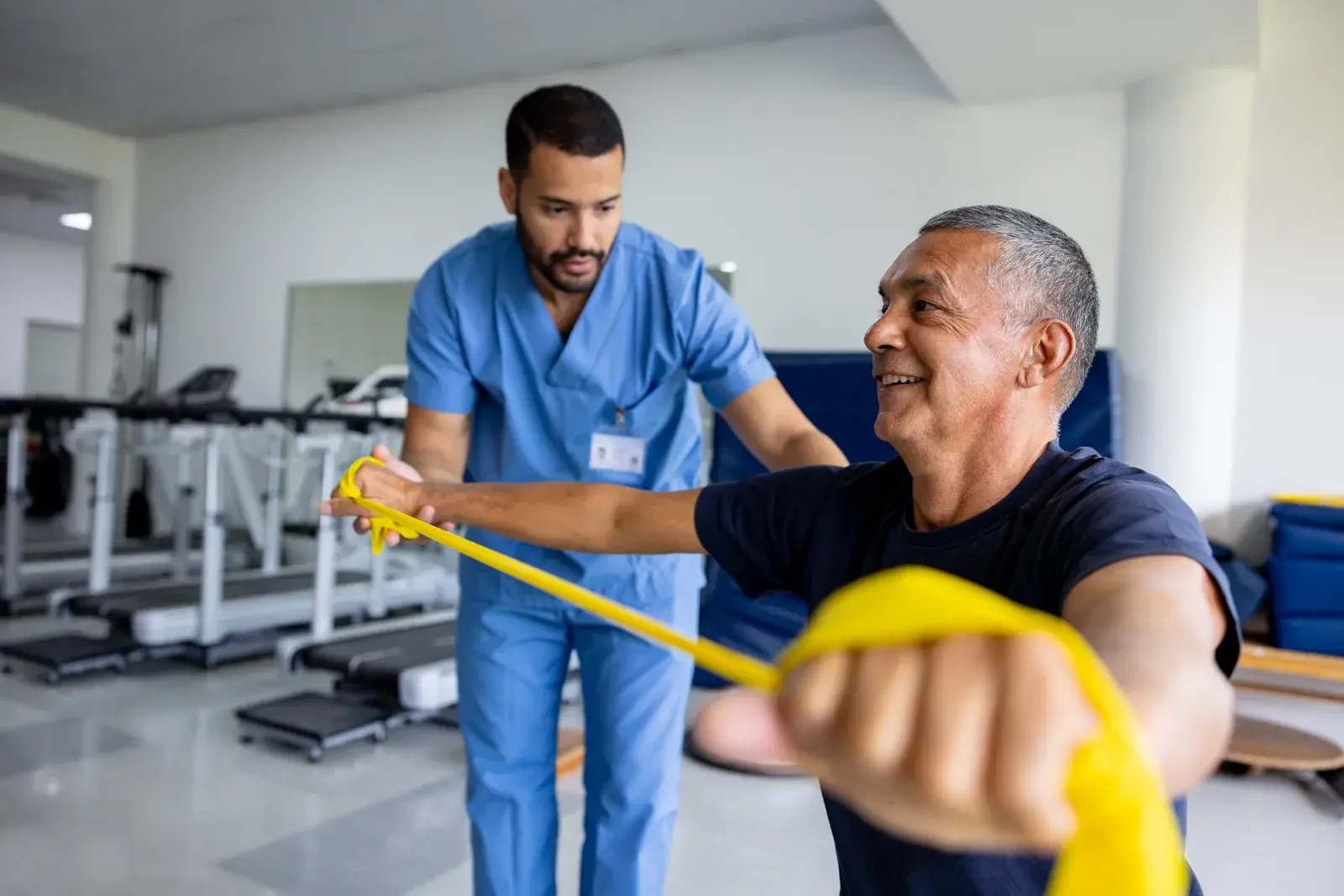 Shoulder painOne-on-one care for impingement-type pain, frozen shoulder, instability and overhead sport shoulders.
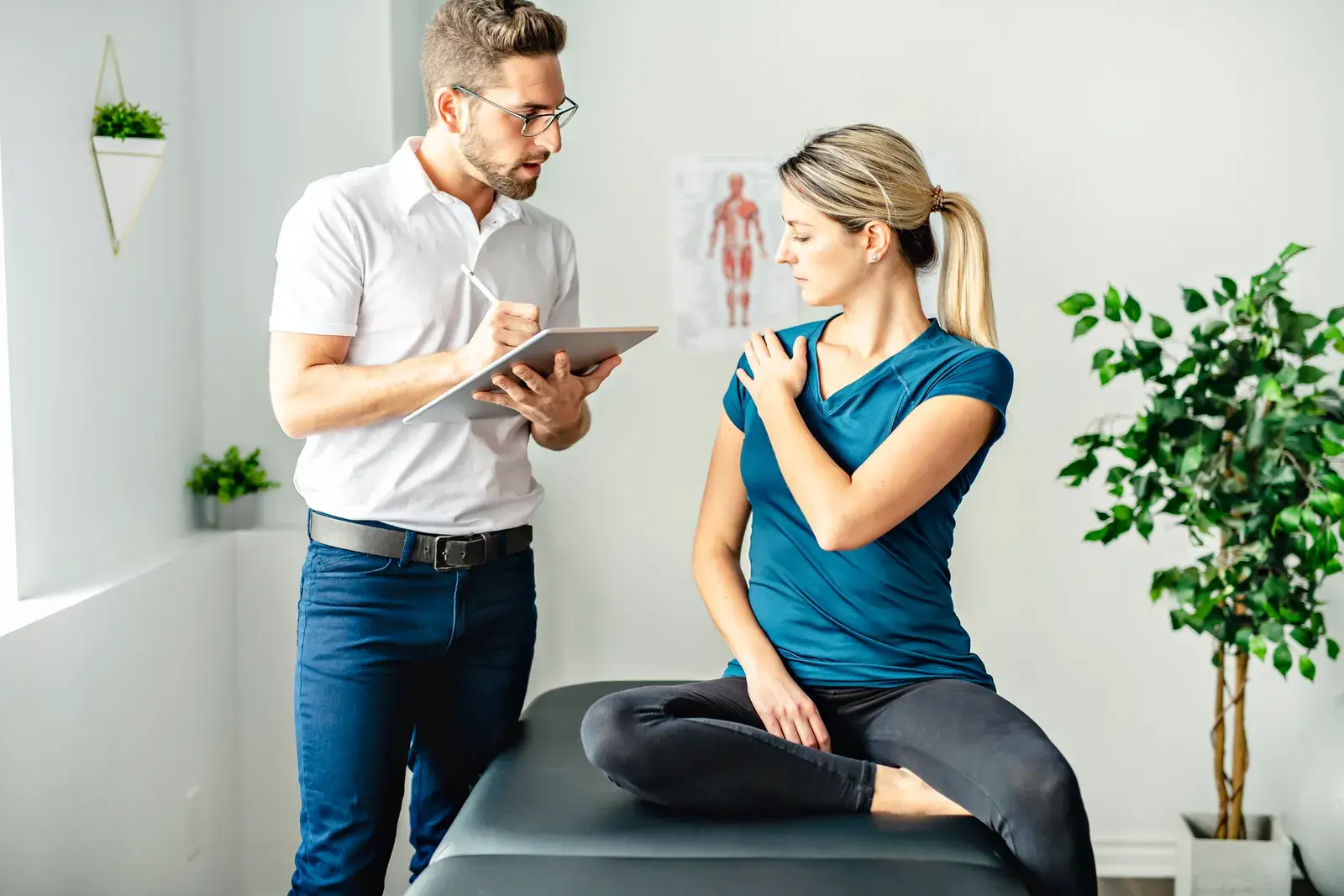 Shoulder instabilityRehab after a shoulder dislocation or for a loose shoulder, from protected motion to sport-ready strength.
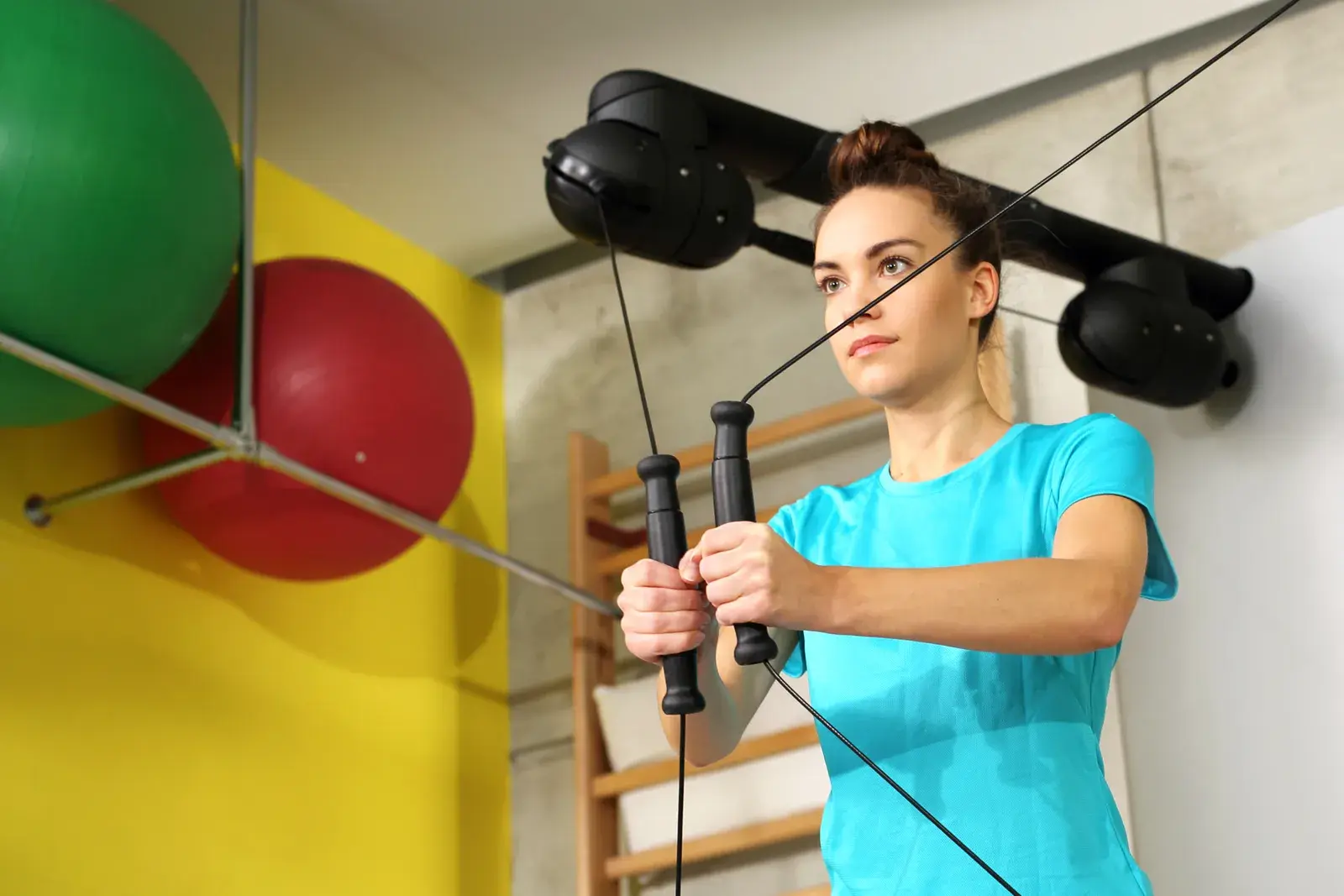 Shoulder arthritisMotion and strength work for glenohumeral osteoarthritis, to manage pain, delay surgery or prepare for a replacement.
Page reviewed By the Monon Therapy Collective editorial team

Carmel City Center · Carmel, Indiana
Start with a conversation
Tell us what hurts and what you want to get back to. We will tell you honestly whether a therapist in the network is likely a good fit for what you describe, and match you with an independent, licensed therapist who is. Only that therapist can assess what will help.
885 Monon Green Blvd, Suite 120, Carmel, IN 46032 · Monday to Friday 5 AM to 9 PM · Saturday and Sunday 7 AM to 4 PM