Most people spend at least six weeks in a boot after an Achilles tendon repair, walk normally within a few months, and take about a year to recover fully. AAOS OrthoInfo notes that some people need closer to two years to reach every goal, and that getting back to your previous level of activity can take up to 18 to 24 months. Calf strength is usually the last thing to come back, so the length of rehab is set by strength tests rather than by the calendar.
Last reviewed By the Monon Therapy Collective editorial team
What happens in the boot phase after Achilles surgery?
For roughly the first six weeks, the repaired tendon is protected in a boot, usually with heel wedges that keep the foot pointed slightly down so the tendon is not stretched. OrthoInfo advises planning on at least six weeks of immobilization. Some surgeons allow weight through the boot earlier than others, so follow your own instructions about crutches rather than a friend’s.
The wedges come out one at a time over several weeks, bringing the ankle gradually toward a neutral position. Gentle ankle motion within limits, toe and knee exercises, hip strengthening and upper-body work keep the rest of you in shape. A careful therapist checks that the tendon is not drifting long, because an over-stretched Achilles leaves a weaker push-off later.
When does walking in normal shoes come back after an Achilles repair?
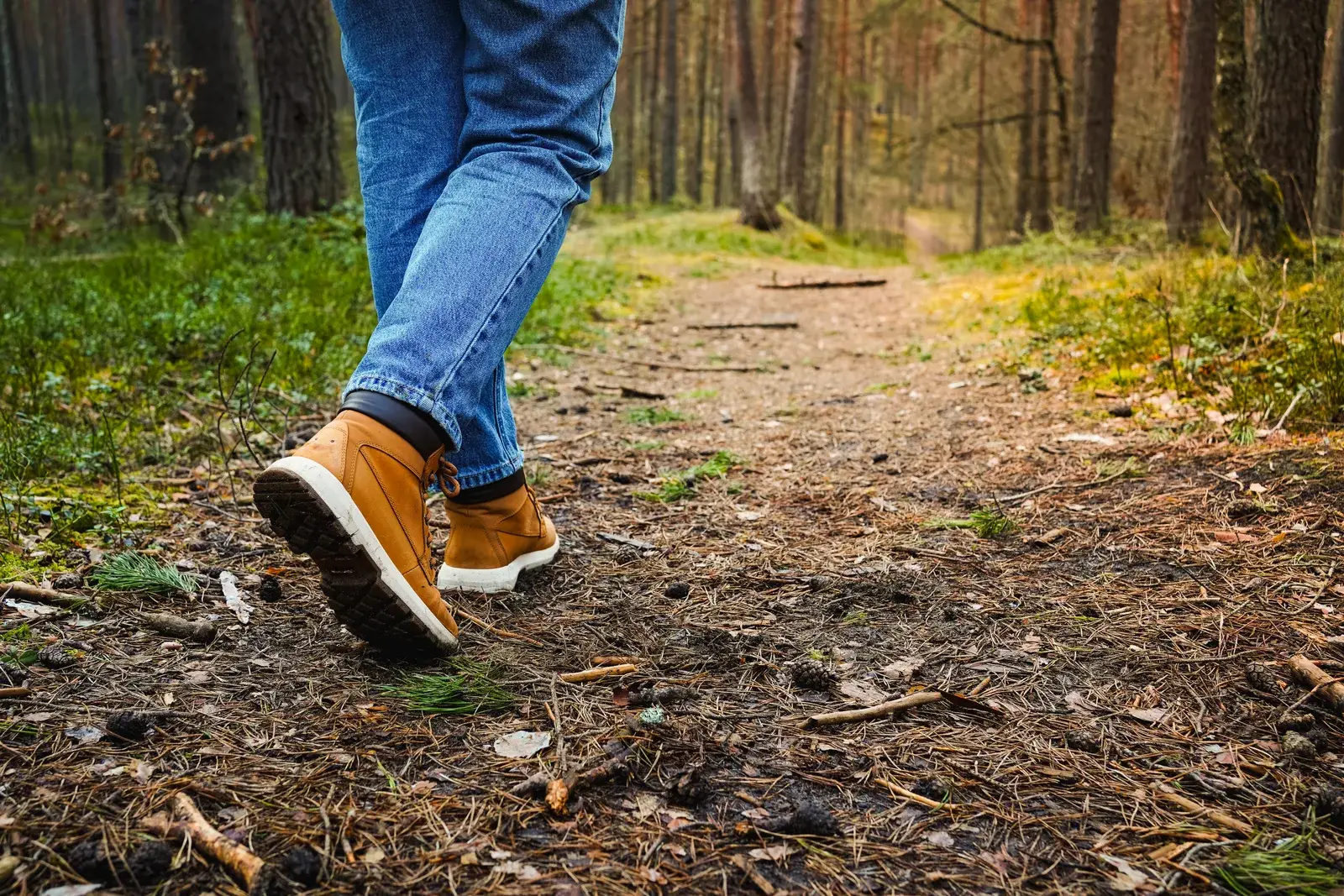
Usually a few weeks after the boot phase ends, once the surgeon is happy and you can walk in the boot without a limp. Many people use a small heel lift in their shoe for a while when they first come out of the boot. The first weeks in shoes feel strange: the calf is weak, and the ankle may feel stiff going downhill.
This is the phase where most of the visible rehab happens. Seated and then standing calf raises, balance work, a stationary bike and walking practice build toward the single-leg heel raise, which is the key strength test after this injury. Being able to rise up onto the toes of the repaired leg alone, repeatedly and as high as the other side, can take many months.
Why does calf strength take so long to return after an Achilles rupture?
Because the calf muscle shrinks during the weeks of protection, and the healed tendon needs months of gradually heavier loading to stiffen and strengthen. OrthoInfo notes that some permanent strength loss is common after an Achilles rupture, whether it is treated with surgery or without, but that most people return to their previous level of activity with focused strengthening.
Progress is measured, not guessed. A therapist counts single-leg heel raises, checks how high the heel rises compared with the other side, and adds load with a weighted vest, a leg press or a rack in a private suite as the tendon tolerates it. Soreness that settles by the next morning is generally acceptable; pain that builds day after day means the load needs adjusting.
When can you run, jump or play court sports after Achilles surgery?
Running commonly enters the plan once you can walk briskly without a limp and perform a solid set of single-leg heel raises, which for many people is several months in. Jumping, sprinting and court sports come later. OrthoInfo describes return to sport for athletes as a set of tests and notes that returning to your previous level of activity can take up to 18 to 24 months after the injury.
Recreational athletes in Hamilton County often ask about pickleball and basketball, both of which involve exactly the sudden push-off that ruptures the tendon in the first place. A staged return, with hop tests, agility drills and practice sessions before matches, lowers the risk of setbacks. The return-to-sport testing page describes what those tests look like.
Is recovery shorter if the Achilles is treated without surgery?
Not by much. Nonsurgical treatment also uses a boot with heel wedges for at least six weeks and a long strengthening phase afterward. OrthoInfo reports that some research has found better push-off strength and a lower risk of re-tearing after surgical repair, but that the question is still debated.
The choice belongs to you and your surgeon, and it often turns on your age, health, sport and how soon you were seen. Either way, the rehab that follows matters a great deal. Read the Achilles rupture page for the injury itself and the Achilles tendon repair rehab page for the phase-by-phase detail.
Which warning signs after Achilles surgery need a call to the surgeon?
Call your surgeon promptly about a wound that is red, hot or draining, a fever, or a sudden snap or new gap at the back of the heel. Calf pain with swelling, warmth or tenderness that is out of step with the surgery can point to a blood clot, which is a real risk while the leg is immobilized. Chest pain or sudden shortness of breath means calling 911.
Less urgent, but still worth raising at your next visit: numbness on the outer edge of the foot, which can come from irritation of a small nerve near the incision, and a tendon that feels as though it has lengthened, with the ankle bending up much further than the other side. Your therapist sees you more often than the surgeon in the middle months and can help you decide which changes need a call. When you are ready to start, the matching questionnaire takes about two minutes.
Related questions
When can I drive after Achilles tendon surgery?
If the left leg was repaired and your car is an automatic, some surgeons allow driving earlier. A right-leg repair usually means no driving until you are out of the boot and can brake hard safely; your surgeon decides.
Can I re-rupture my Achilles after surgery?
Yes, it can happen, most often when loading jumps ahead of the tendon’s healing. Following the protocol and progressing by strength tests rather than by how good the ankle feels lowers that risk.
How often will I see a physical therapist after an Achilles repair?
Many people start with one or two visits a week once the surgeon refers them, then taper as they take over more of the loading work at home or in the gym.
Will my calf ever look the same after an Achilles rupture?
Many people keep a slightly smaller calf on the injured side even after a good recovery. Function, measured by heel raises and hop tests, matters more than appearance.
Keep reading
- How soon after surgery should I start physical therapy?
- Is it okay to skip physical therapy after surgery?
- How long does it take to recover from ACL surgery?
- Achilles tendon repair rehab in Carmel
- Achilles rupture physical therapy
- Return-to-sport testing
This page is general education, not medical advice. A physical therapist can only advise on your situation after an examination.
