It depends on the operation, and your surgeon sets the date. After a knee replacement, OrthoInfo says most people begin exercising the knee within hours; after ACL reconstruction, exercises start right away; after a rotator cuff repair, gentle therapist-guided motion usually starts while you are still in a sling; and after a spinal fusion, formal therapy typically starts 6 weeks to 3 months later. The common thread is to book outpatient therapy before surgery so there is no gap.
Last reviewed By the Monon Therapy Collective editorial team
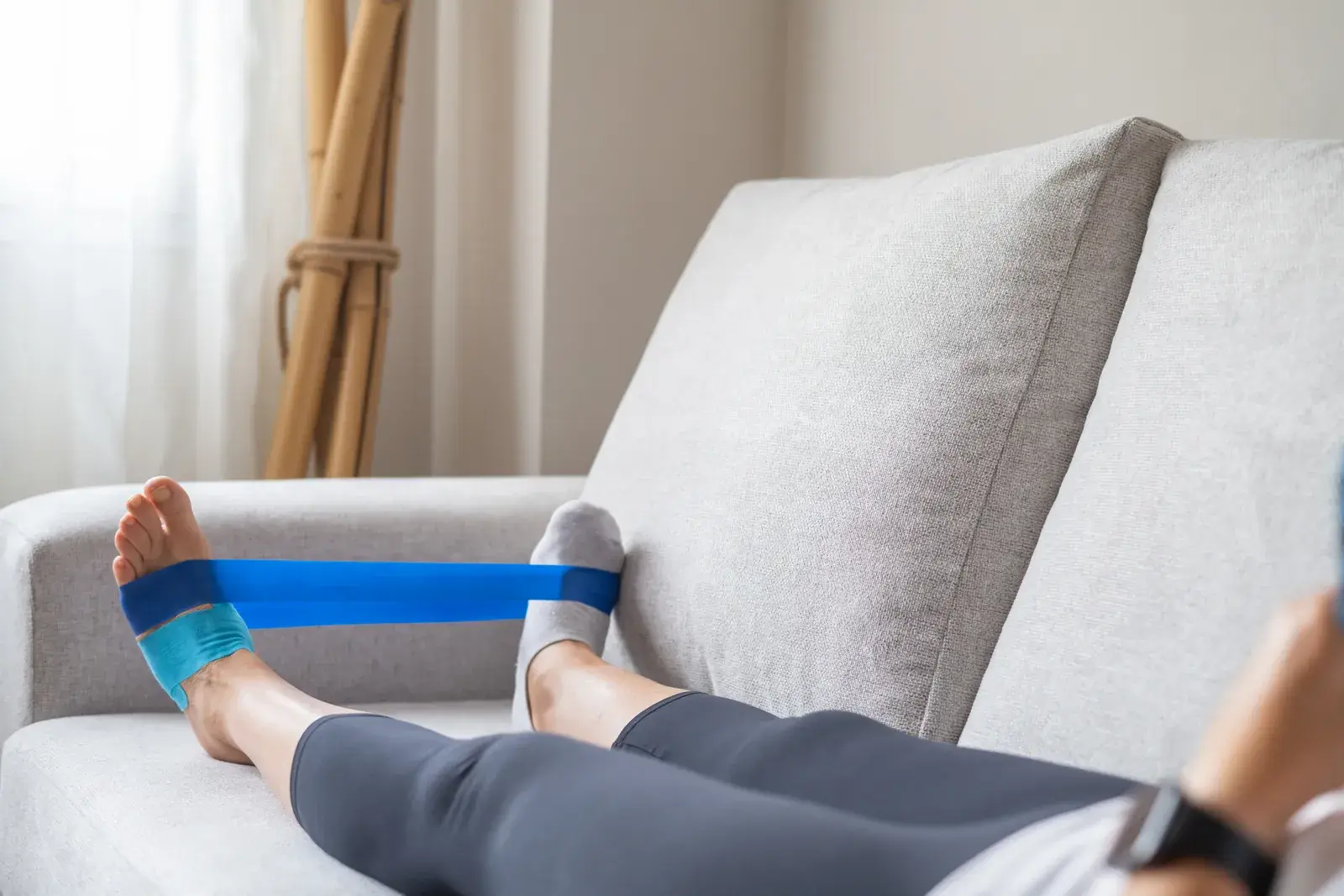
Why does the right start date vary so much between operations?
Because each surgery protects a different kind of healing. A joint replacement uses implants that are stable from day one, so the priority is moving the joint before it stiffens. A tendon or ligament repair needs time for tissue to attach to bone, so early motion is gentle and loading is delayed. A spinal fusion needs bone to grow across a gap, so formal exercise usually waits weeks.
Starting too late risks stiffness and weakness that are hard to win back; starting too hard risks damaging a repair. Your surgeon’s protocol balances those two risks for your specific procedure, and a good therapist follows it, communicating with the surgeon’s office when your progress does not fit the expected pattern.
When does physical therapy usually start after common orthopedic surgeries?
Here are the usual starting points described by OrthoInfo, the patient site of the American Academy of Orthopaedic Surgeons. They are typical patterns, not instructions, and your surgeon may set a different schedule.
- Total knee replacement: most people begin exercising the knee hours after surgery, then continue with outpatient or home therapy. See total knee replacement rehab.
- Total hip replacement: a graduated walking program and exercises start shortly after surgery, often with movement precautions for about the first six weeks.
- ACL reconstruction: exercises begin immediately, with an early focus on fully straightening the knee and restoring quadriceps control in the first 7 to 10 days.
- Rotator cuff repair: a sling for about 4 to 6 weeks, with a therapist moving the arm passively during that time, then active exercise, then strengthening.
- Spinal fusion: light walking right away, with formal physical therapy typically starting 6 weeks to 3 months after surgery.
What happens between leaving the hospital and the first outpatient visit?
Usually a home exercise sheet and a walking plan. Many people see a physical therapist in the hospital or surgery center before going home, who teaches safe transfers, walking with a walker or crutches, and the first exercises. For some operations, a home health therapist visits for the first week or two before outpatient care begins.
This early stretch matters more than people think. The exercises are simple, such as tightening the thigh muscle, ankle pumps and gentle bending, but done several times a day they prevent the stiffness and weakness that make outpatient therapy slower. If the instructions are unclear, call the surgeon’s office rather than guessing.
Practical setup at home helps you keep those exercises going. A firm chair with arms, a clear path to the bathroom and a place to rest the leg or arm make it easier to move several times a day. If stairs are a problem, plan where you will sleep for the first week before the operation, not after. Our guide to preparing your home for a hip replacement has a checklist that suits most lower-limb surgeries.
How do I avoid a gap before outpatient physical therapy begins?
Book it before surgery. Ask your surgeon’s office when they want outpatient therapy to start and whether they will send the order directly to the practice. Then arrange the first visits around that date, including transport, since many people cannot drive in the early weeks.
Doing some work beforehand helps too. Prehab before a joint replacement or prehab before ACL surgery lets you meet the therapist, learn the first exercises and build strength while it is easier. The two-minute questionnaire has an after-surgery option, so the matching team can propose a therapist in the network whose schedule lines up with your date. The Carmel City Center suites open at 5 AM on weekdays, but appointment times depend on the therapist you are matched with.
Do I need a referral for physical therapy after surgery in Indiana?
In practice, your surgeon nearly always provides one. Indiana’s direct access law lets a physical therapist treat you without a referral for up to 42 days, but after an operation the therapist needs your surgeon’s protocol and restrictions anyway, and most insurance plans expect a surgical referral on file.
Bring the operative details and protocol to your first visit if the surgeon’s office gives them to you. Our page on post-surgical rehabilitation in Carmel explains how therapists in the network coordinate with surgeons, and our guide on talking to your surgeon about physical therapy lists the questions worth asking before the operation.
Related questions
Is it bad to wait a few weeks before starting physical therapy after surgery?
It depends on the operation. After joint replacement or ACL surgery, waiting can let stiffness set in. After a spinal fusion, waiting several weeks is normal. Ask your surgeon what delay is acceptable for your procedure.
Can I start physical therapy before my stitches are out?
Often yes. Many programs begin before sutures or staples are removed, with care taken around the incision. The therapist checks the wound at each visit.
What should I bring to my first physical therapy visit after surgery?
Your surgeon’s order and protocol if you have them, a list of medications, any brace or sling, and clothing that exposes the surgical area. Our first visit guide has the full list.
What signs after surgery mean I should call the surgeon instead of going to therapy?
Fever, increasing redness or drainage from the incision, new calf pain or swelling, chest pain or shortness of breath. Chest pain and breathlessness need emergency care.
How often will I go to therapy in the first weeks after surgery?
Commonly two or three outpatient visits a week once outpatient care begins after a joint replacement or ACL reconstruction, fewer after some other procedures. The therapist sets frequency with your surgeon’s protocol and adjusts it as you progress.
Keep reading
- Is it okay to skip physical therapy after surgery?
- Can I choose my own physical therapist after surgery?
- Does insurance cover physical therapy after surgery?
- Post-surgical rehabilitation in Carmel
- Recovery guides by surgery
- What to expect at your first physical therapy visit
Sources
This page is general education, not medical advice. A physical therapist can only advise on your situation after an examination.
