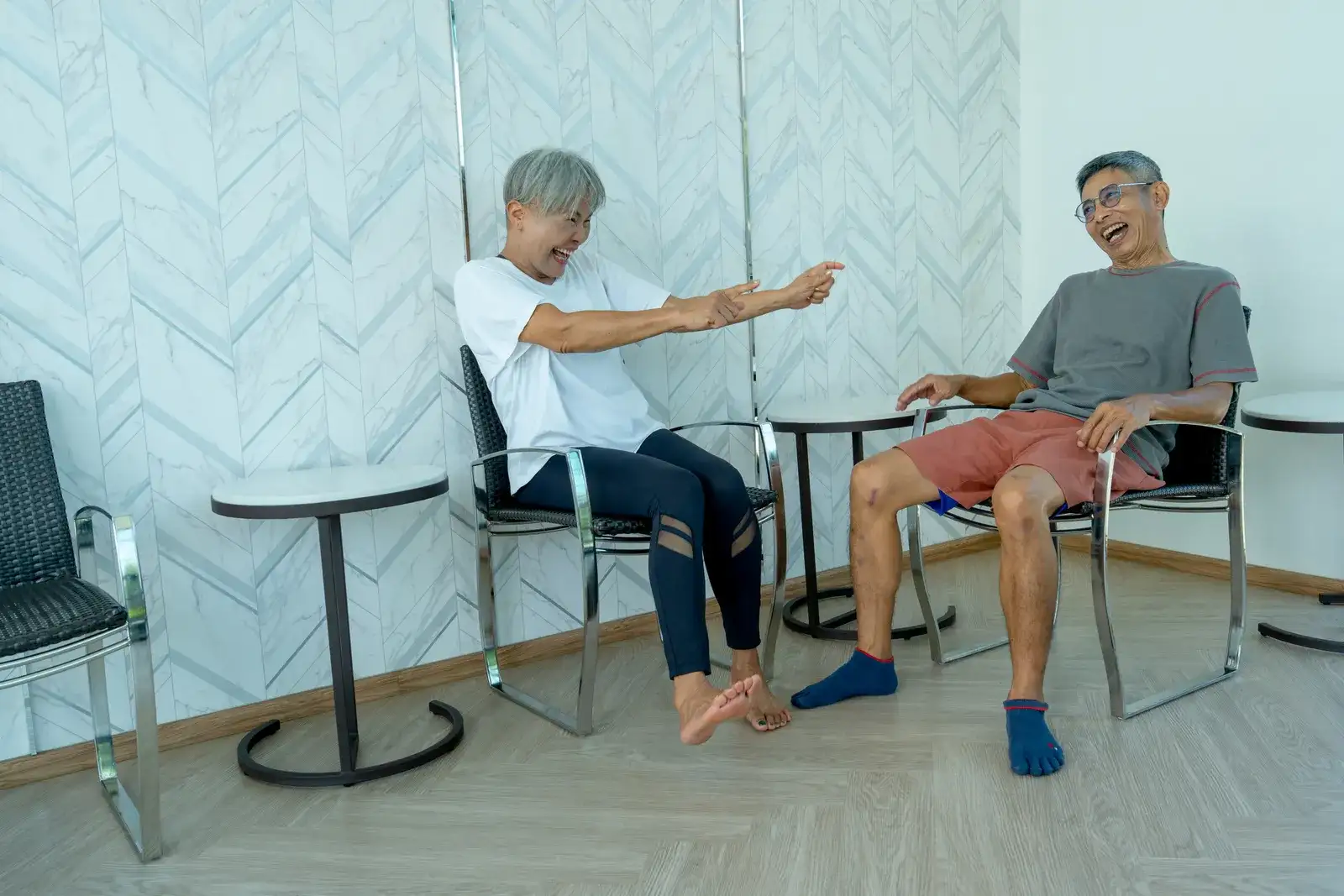
Spinal compression fracture physical therapy in Carmel, Indiana
A spinal compression fracture is a collapse of the front of a vertebra, most often from osteoporosis, and most people feel better within about three months without surgery. Once a physician has confirmed the fracture is stable, a licensed physical therapist matched through the network in Carmel can teach you to move, bend and lift without loading the spine forward, strengthen the back extensors and reduce the risk of the fall that could cause the next one. Therapy works alongside the bone health treatment your physician manages.
At a glance
Common signs of spinal compression fracture
Also called: Vertebral compression fracture, VCF, Osteoporotic spinal fracture, Wedge fracture of the spine, Fragility fracture of the spine.
How can a vertebra break from a cough or picking up groceries?
A vertebra can break from an everyday load when osteoporosis has thinned the bone so much that the front of the vertebral body can no longer resist the forward bending force. Lifting a bag of groceries from the trunk, bending to tie a shoe, a hard sneeze or a minor slip on an icy Carmel driveway can be enough.
The front of the bone collapses more than the back, leaving a wedge shape. A single fracture can heal and settle; several can add up to height loss and a more rounded upper back. A fall from a height, a car crash or a sports collision can cause a compression fracture in healthy bone too, and those injuries are assessed differently in the emergency department.
According to AAOS OrthoInfo, more than 30 percent of people with a spinal fracture have another within a year, which is why a first fracture is treated as a warning sign and why physicians usually start or review osteoporosis medication. The osteoporosis physical therapy page covers the bone health side in more depth.
When is it safe to start physical therapy after a compression fracture?
It is safe to start once a physician has diagnosed the fracture with imaging, judged it stable and given you any bracing or activity limits. That might be within the first couple of weeks for walking and gentle positioning advice, with more active strengthening added as the acute pain settles over the following weeks.
The physical therapist will ask what your physician and imaging showed, check your pain, neurological signs and walking, measure posture and height-related changes such as the distance from the back of the head to the wall, test leg strength and balance, and watch how you get in and out of bed and chairs. Movements that load the spine into forward bending under weight are avoided during testing.
If you wear a brace, the therapist will follow your physician’s instructions about when to use it and when to start weaning. If you had kyphoplasty or vertebroplasty, the procedures that inject bone cement into the fractured vertebra, your surgeon’s instructions set the pace and the post-surgical rehabilitation page explains how that handover works.
What movements and exercises protect a healing vertebra?
The protective principle is simple: keep the spine long and avoid bending forward under load, while gradually strengthening the muscles that hold you upright. Early sessions concentrate on how you do daily tasks, because that is where most of the risk lies.
You will learn the log roll for getting out of bed, how to sit down and stand up with the hips doing the work, and how to pick something up with a hip hinge or a half-kneel rather than a rounded back; the hip hinge exercise page explains the movement. Strengthening then builds in steps: gentle back extension lying face down, scapular retraction, leg strength with sit-to-stands, and walking.
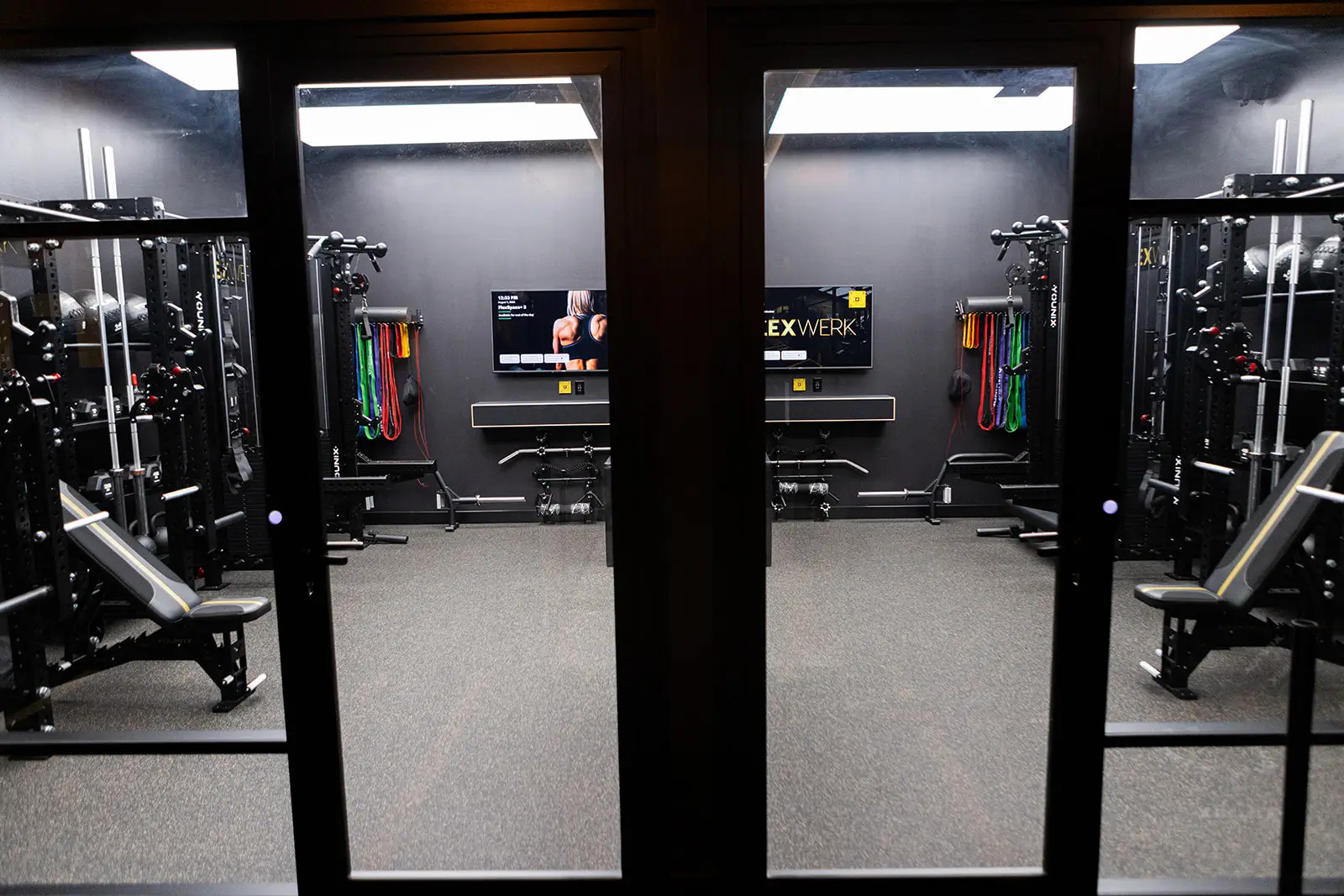
Later, sessions in a private suite can add rows on the cable column, supported deadlift patterns with light weight if appropriate, step-ups and balance training, because fall prevention is one of the most important parts of the plan. Your therapist chooses loads based on your fracture history and bone density, and avoids sit-ups, toe touches and loaded twisting.
- Log roll technique and safe transfers
- Hip hinge and half-kneel for picking things up
- Prone back extension and seated posture work
- Rows and shoulder blade strength
- Leg strength for chairs, stairs and getting off the floor
- Balance and walking training to reduce fall risk
How long does a compression fracture take to heal and stop hurting?
AAOS OrthoInfo notes that most people with a spinal compression fracture feel better within three months without surgery. The sharpest pain often eases over the first few weeks, while strength and confidence take longer to come back.
A physical therapy course often runs about eight to twelve weeks, sometimes in two phases: protected movement and daily task training first, then progressive strengthening and balance work once the fracture has settled. Some people continue with supervised strength training long term because it supports bone and posture.
Pain that persists beyond the expected window, or worsens, deserves a recheck with your physician. Ongoing pain can come from another fracture, a fracture that is not healing, or surrounding joints and muscles working overtime.
How do I lower the risk of another spinal fracture this winter?
Lowering the risk means working on two fronts at once: keeping your bones as strong as possible with your physician’s help, and reducing the chance of falls and risky lifts. Indiana winters raise the stakes, because ice on driveways, steps and parking lots is a common cause of falls.
Use ice grips on your shoes, salt walkways early, keep a hand free for rails, and ask for help with heavy snow shoveling rather than doing it bent over. At home, clear floor clutter, use night lights and keep everyday items between waist and shoulder height. The winter fall prevention guide has more practical steps.
If you want a structured plan, the two-minute assessment form tells the matching team about your fracture and goals. They will propose a therapist in the network whose focus includes bone health and balance, and the therapist’s office will confirm what your plan covers. The suites sit inside FlexWerk at Carmel City Center, with garage parking a short walk away, so ask about the shortest route from the garage if walking any distance is uncomfortable right now.
When to see a physician or go to the ER first
Physical therapy is the right start for most spinal compression fracture. These symptoms are different and need medical attention before, or instead of, a physical therapy visit:
- Numbness, tingling or weakness in the legs after a back injury
- Loss of bladder or bowel control or numbness in the saddle area
- Back pain after a high-energy injury such as a car crash or a fall from a ladder
- Severe pain that does not ease when lying down
- Back pain with a history of cancer, fever or unexplained weight loss
- A sudden new episode of sharp back pain after you were improving, which may be a new fracture
If you think it is an emergency, call 911.
Two-minute assessment
Get your spinal compression fracture looked at
Tell us how your spinal compression fracture started, how long it has been going on and what it is stopping you from doing. The matching team proposes a therapist in the network who focuses on it, and you hear back, usually within one business day.
- No referral needed to start in Indiana (first 42 days)
- We check which therapists work with your plan before you book
- One-on-one care in a private suite at Carmel City Center
How therapists treat it
Kinds of care used for spinal compression fracture
- Balance and fall preventionStrength, walking and balance training for older adults who feel unsteady, have fallen, or want to stay confident on their feet.
- Orthopedic physical therapyExercise-led care for back, neck, shoulder, hip, knee and ankle problems, delivered one-on-one in a private suite.
- Post-surgical rehabilitationProtocol-led rehab after joint replacement, ligament, tendon and spine surgery, in a quiet private room instead of a crowded gym.
Questions
Spinal compression fracture: what people ask
Information on this website is general education, not medical advice, a diagnosis or a treatment plan. Only a licensed clinician who examines you can advise on your condition. If you may be having a medical emergency, call 911.
Something we did not cover? Ask the matching team or ring (888) 353-9975.
Do I need to wear a back brace for a compression fracture?
Some physicians prescribe a brace for comfort and support during the first weeks, others do not. Follow your physician’s advice, and ask your therapist how to keep the trunk muscles active while you wear it.
Is walking good after a spinal compression fracture?
Walking is usually encouraged as soon as pain allows, in short, frequent bouts on level ground. It supports bone health and general fitness without bending the spine forward.
Can I still do yoga or Pilates?
Many poses and exercises are fine, but deep forward folds, rolling and loaded twisting put the spine at risk after a fracture. Bring a list of what you enjoy to your therapist so you can adapt it together.
Will my height loss come back?
Height lost from a collapsed vertebra does not return with exercise. Strengthening and posture work can, however, help you stand more upright and reduce how much the rounding progresses.
Does Medicare cover physical therapy after a spinal fracture?
Medicare Part B covers medically necessary outpatient physical therapy, with a physician or qualified provider certifying the plan of care. The cost and insurance page explains how benefits are checked before your first visit.
What should I avoid lifting with a compression fracture?
Avoid lifting anything heavy from the floor or from a low trunk while bending forward, and avoid carrying loads far out in front of you. Your physician or therapist will give you a weight limit that fits your fracture.
Google reviews
What guests say about FlexWerk
These are live Google reviews of FlexWerk at Carmel City Center, the private-suite facility where therapists in the network practise.
Related
Conditions that travel together
 OsteoporosisSupervised strength, balance and safe-movement training for people with low bone density or osteoporosis.
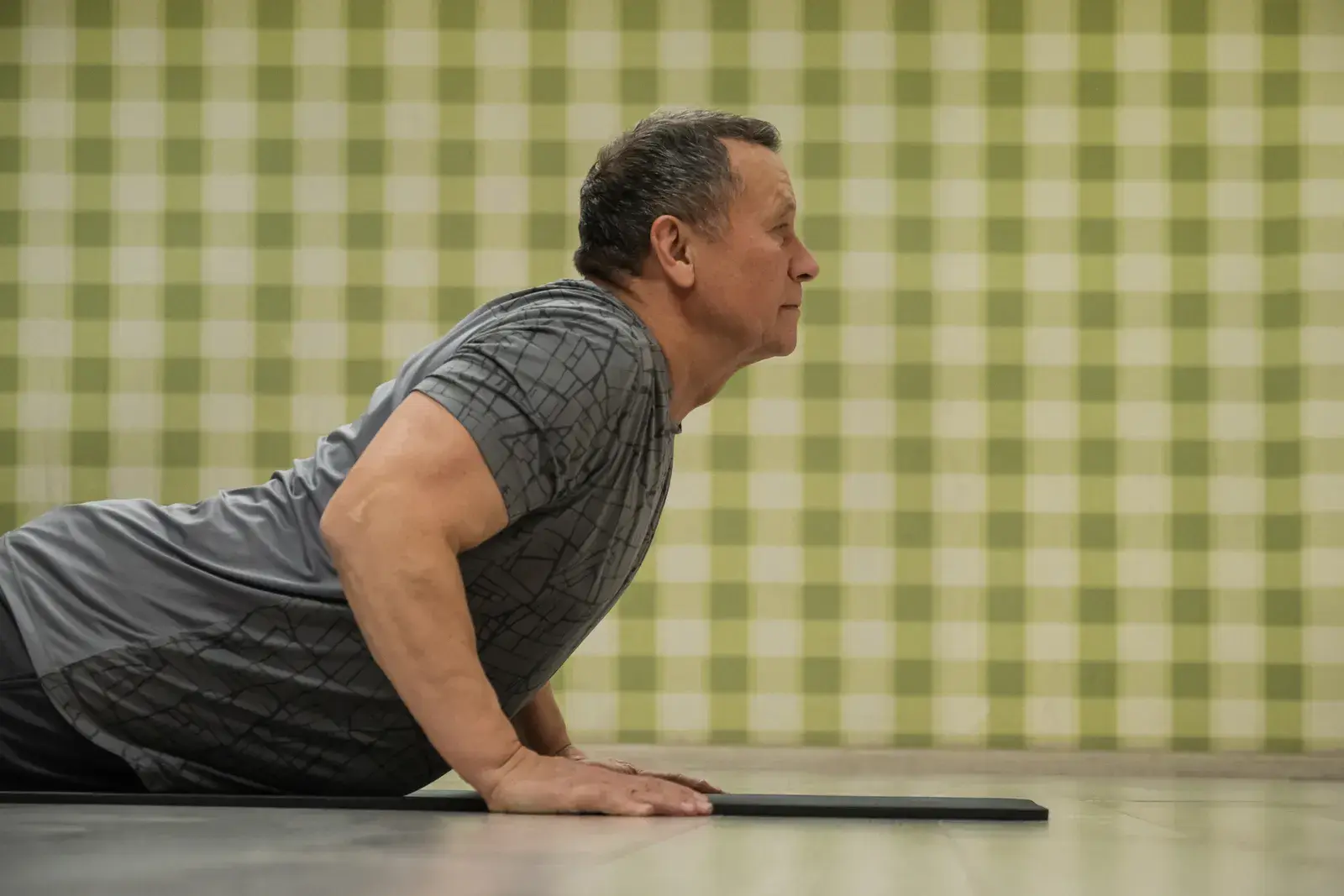 KyphosisBack extensor strength, mobility and balance training for a rounded upper back in teens and adults.
 Mid back painRotation mobility, rib joint care and upper back strength for pain between the neck and the bottom of the ribs.
Page reviewed By the Monon Therapy Collective editorial team

Carmel City Center · Carmel, Indiana
Start with a conversation
Tell us what hurts and what you want to get back to. We will tell you honestly whether a therapist in the network is likely a good fit for what you describe, and match you with an independent, licensed therapist who is. Only that therapist can assess what will help.
885 Monon Green Blvd, Suite 120, Carmel, IN 46032 · Monday to Friday 5 AM to 9 PM · Saturday and Sunday 7 AM to 4 PM