Pec strain physical therapy in Carmel, Indiana
A pec strain is a tear of fibers in the pectoralis major, the large chest muscle, usually during the lowering phase of a heavy bench press or a dip. Mild and moderate strains of the muscle belly are treated with physical therapy that restores motion and rebuilds pressing strength in stages. A complete tear of the tendon where it attaches to the upper arm is different: it is time-sensitive and usually needs a surgeon’s opinion within days, then physical therapy after repair.
At a glance
Common signs of pec strain
Also called: Pectoralis major strain, Pulled chest muscle, Pec tear, Pectoralis major rupture.
How do I know if I strained my pec or tore the tendon?
The location of the pain and the shape of the armpit give the first clues, but only an examination, and sometimes an MRI ordered by a physician, can confirm it. A strain sits in the muscle belly across the chest, hurts to stretch and press, and leaves the front fold of the armpit looking normal. A tendon tear happens closer to where the muscle attaches to the upper arm and is often felt as a distinct pop.
Signs that point toward a tendon rupture include a loud pop during a heavy rep, rapid bruising that spreads down the arm, a dent or webbed look in the front armpit fold, and clear weakness when you press your palms together in front of your chest. Pec tears are most often seen in men lifting heavy, and the bench press is the classic setting, because the muscle is at its longest and most loaded just as the bar touches the chest.
Strains are graded by how many fibers are involved. The grade guides how soon you can load the chest and how long the overall return takes.
- Grade 1: a few fibers, mild pain, near-normal strength.
- Grade 2: a partial tear in the muscle, clear pain and weakness, sometimes bruising.
- Grade 3 or tendon rupture: complete tear, usually with a visible deformity and marked weakness; see a surgeon promptly.
Why does the timing of a surgical opinion matter for a torn pec?
Because tendon repair is generally easier and more reliable when it is done early. A 2020 meta-analysis of pectoralis major tendon repairs found that early (acute) repair gave better function and a better cosmetic result than delayed repair, and that repair is generally considered better than leaving a complete tendon tear alone, since the torn tendon retracts and scars as time passes.
That is why a physical therapist who suspects a full tendon tear will send you to an orthopedic surgeon rather than starting rehab. Indiana lets you see a therapist first without a referral, which is useful for sorting out a strain quickly, but it is never a reason to wait on a possible rupture.
If the muscle belly is strained and the tendon is intact, surgery is not part of the conversation, and progressive rehabilitation is the standard approach. After a repair, rehabilitation follows the surgeon’s protocol, typically with a sling for several weeks, gradual range of motion, and no heavy bench press for months. Our page on post-surgical rehabilitation explains how therapists work alongside a surgeon’s plan.
How is a pulled chest muscle rehabilitated back to pressing?
Rehabilitation moves from protected motion to isometric holds, then to light pressing in a short range, and finally to full-range, heavier pressing. Each stage is unlocked by symptoms and strength, not by the calendar alone.
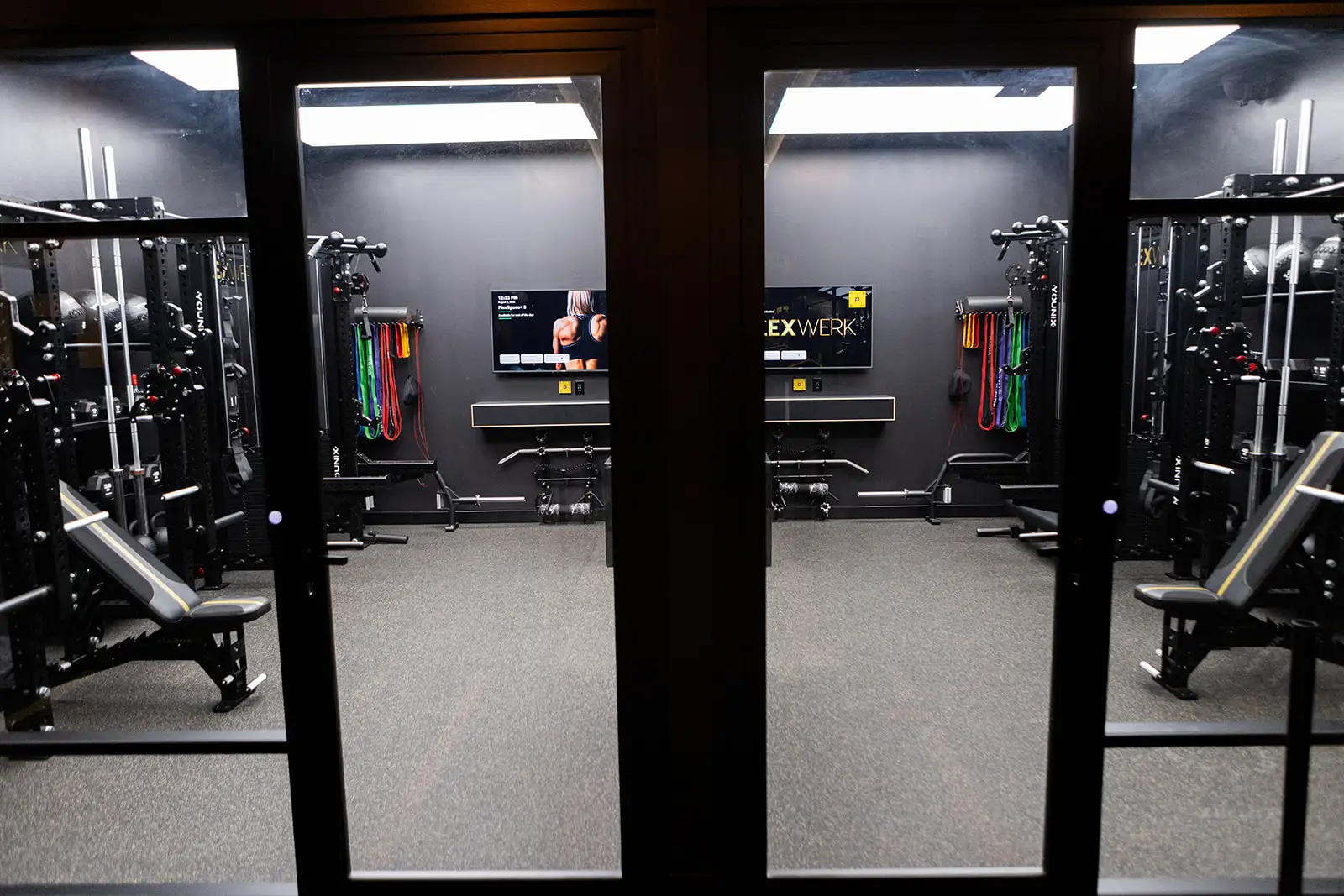
In a private suite with a rack, bench, dumbbells and cable column, your therapist can grade pressing precisely. Early on that might mean a dumbbell floor press, where the floor stops your elbows before the chest is fully stretched, or a cable fly through a pain-free arc. Later stages bring back the flat bench with a board or pins to limit depth, then full range, then heavier sets. Rows and rear shoulder work are kept in from the start, so the shoulder is balanced when pressing returns.
Your therapist will also look at why the strain happened: a sudden jump in load, a fatigued final set, a wide grip, or bouncing the bar off the chest. Lifters often find the weightlifter physical therapy page useful for the wider training picture.
- Pain-free shoulder motion and gentle chest stretching
- Isometric presses against a wall or the rack
- Dumbbell floor press and push-up progressions
- Board press or pin press to control depth
- Gradual return to full-range bench, dips and flyes
When can I bench press again after a pec strain?
After a mild strain, most muscle strains feel better within about two weeks, and many lifters are pressing light weights again within a few weeks and back to normal training within one to two months. Moderate strains often take two to three months. After a surgical tendon repair, the return to heavy bench pressing usually takes several months, often around six or more, and your surgeon sets it.
Your therapist will look for pain-free full range, pressing strength close to the other side measured with dumbbells or a cable, and confidence through the bottom of the lift. Return in steps: a smaller weight with a pause at the chest before touch-and-go reps, and dips last. These ranges are typical, and your own pace depends on the grade and on how the tissue responds.
A practical test many lifters use with their therapist is a session of moderate sets at about two thirds of their previous working weight, paused at the chest, with no pain during the lift and no extra soreness in the chest the next morning. If that holds for two or three sessions, load climbs in small jumps of a few percent each week. Competitive powerlifters and anyone chasing a one-rep max usually wait longest, because the final few percent of strength returns slowest and maximal attempts put the most stretch on healing fibers.
What should I do in the first week after pulling a pec?
Stop the session, note how it happened, and check the armpit fold in a mirror against the other side. If there was a pop, a dent or spreading bruise, arrange to see a physician or orthopedic surgeon within days. If it feels like a muscle pull with a normal-looking armpit, relative rest and gentle movement are the right start.
Keep the arm moving through comfortable ranges, avoid stretching hard into the sore area, and skip pressing, dips and push-ups until a therapist has assessed it. Ice or heat can be used for comfort. Lower-body and pulling work can usually continue.
The online physical therapy questionnaire takes about two minutes and lets the matching team know it is a chest and shoulder problem, so the team can look for a therapist used to working with lifters.
When to see a physician or go to the ER first
Physical therapy is the right start for most pec strain. These symptoms are different and need medical attention before, or instead of, a physical therapy visit:
- A loud pop with a visible dent in the front armpit fold or rapid bruising down the arm
- Chest pain with shortness of breath, sweating, nausea or pain spreading to the jaw or left arm (call 911)
- Chest pain that started without any lifting or movement trigger
- Numbness or weakness in the hand after the injury
- Severe swelling in the arm
If you think it is an emergency, call 911.
Two-minute assessment
Get your pec strain looked at
Tell us how your pec strain started, how long it has been going on and what it is stopping you from doing. The matching team proposes a therapist in the network who focuses on it, and you hear back, usually within one business day.
- No referral needed to start in Indiana (first 42 days)
- We check which therapists work with your plan before you book
- One-on-one care in a private suite at Carmel City Center
How therapists treat it
Kinds of care used for pec strain
- Sports physical therapyRehab for active adults that goes past pain relief to the strength, power and movement your sport actually demands.
- Post-surgical rehabilitationProtocol-led rehab after joint replacement, ligament, tendon and spine surgery, in a quiet private room instead of a crowded gym.
- Return-to-sport testingCriteria-based testing of strength, hopping, movement and confidence, so your return to sport rests on evidence, not the calendar.
Questions
Pec strain: what people ask
Information on this website is general education, not medical advice, a diagnosis or a treatment plan. Only a licensed clinician who examines you can advise on your condition. If you may be having a medical emergency, call 911.
Something we did not cover? Ask the matching team or ring (888) 353-9975.
Could my chest pain be my heart rather than a muscle?
It can be hard to tell. Pain that came on during a lift, hurts when you press or stretch, and is tender to touch points toward muscle; pain with breathlessness, sweating, nausea or spread to the jaw or arm needs emergency care first.
Should I stretch a pulled pec?
Not hard and not early. Gentle motion within comfort helps; forced stretching into the sore area in the first couple of weeks tends to irritate the healing fibers.
Can I still train legs and back?
Usually, yes. Squats with the bar on your back may be uncomfortable for the shoulder, so goblet or belt squats and machine work are common substitutes for a few weeks.
Do I need an MRI for a pec strain?
Not always. Imaging is usually ordered by a physician when a tendon tear is suspected, because it helps the surgeon plan. Read when an MRI is needed before physical therapy.
Will a pec strain happen again?
It can, especially if the return to heavy pressing is rushed. Rebuilding strength in the bottom range and progressing load gradually lowers that chance.
Does grip width matter when I return to bench press?
Often it does. A slightly narrower grip and a controlled touch on the lower chest reduce stretch on the pec at the bottom of the lift, and many therapists suggest it during the first months back.
Google reviews
What guests say about FlexWerk
These are live Google reviews of FlexWerk at Carmel City Center, the private-suite facility where therapists in the network practise.
Related
Conditions that travel together
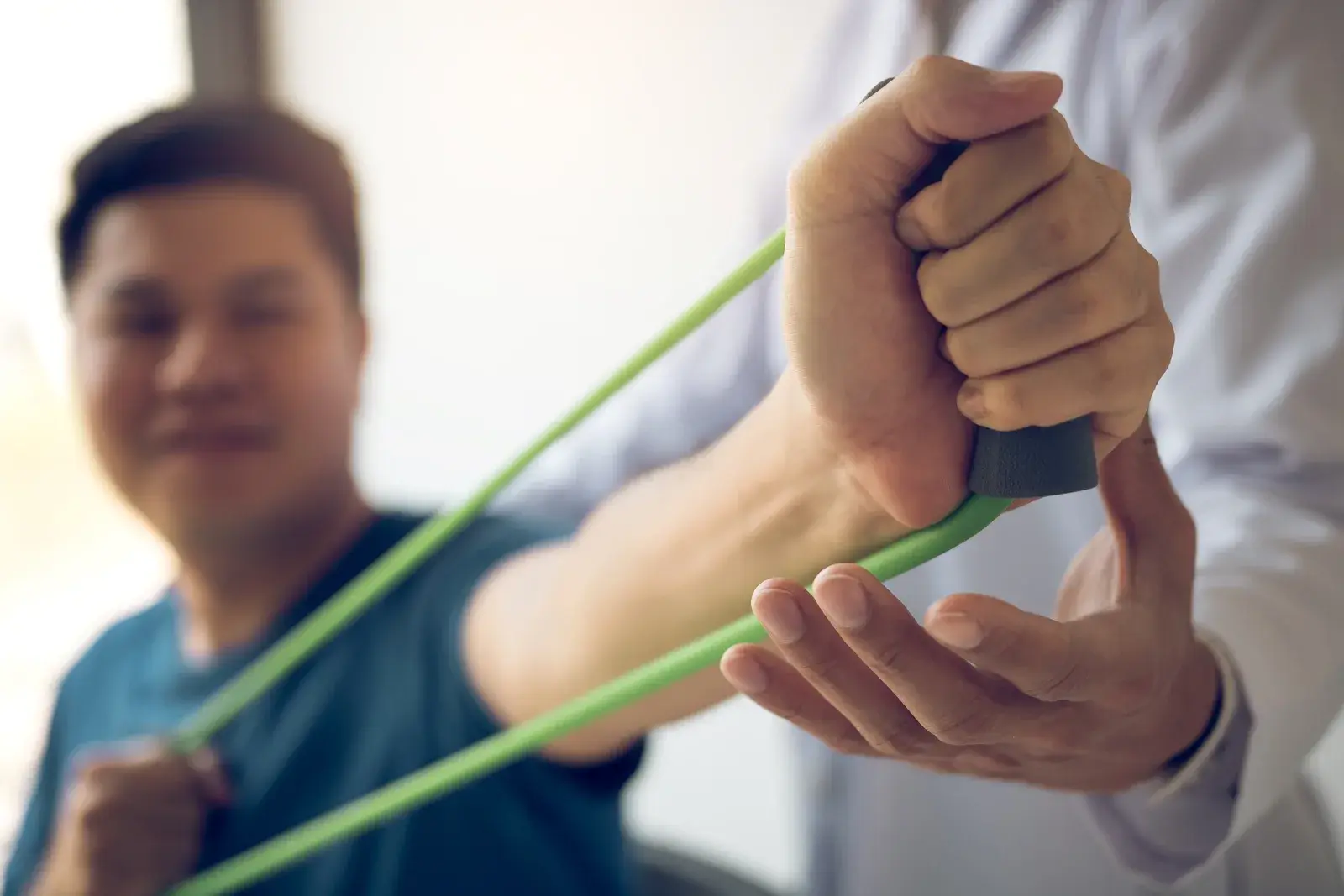 Rotator cuff injuryProgressive loading for cuff tendinopathy and tears, plus protocol-led rehab after surgical repair.
 Biceps tendinitisFront-of-shoulder pain from the long head of the biceps, treated with graded loading of the tendon and rotator cuff.
 CostochondritisHelp for lingering rib and breastbone pain once a physician has ruled out heart and lung causes.
Page reviewed By the Monon Therapy Collective editorial team

Carmel City Center · Carmel, Indiana
Start with a conversation
Tell us what hurts and what you want to get back to. We will tell you honestly whether a therapist in the network is likely a good fit for what you describe, and match you with an independent, licensed therapist who is. Only that therapist can assess what will help.
885 Monon Green Blvd, Suite 120, Carmel, IN 46032 · Monday to Friday 5 AM to 9 PM · Saturday and Sunday 7 AM to 4 PM