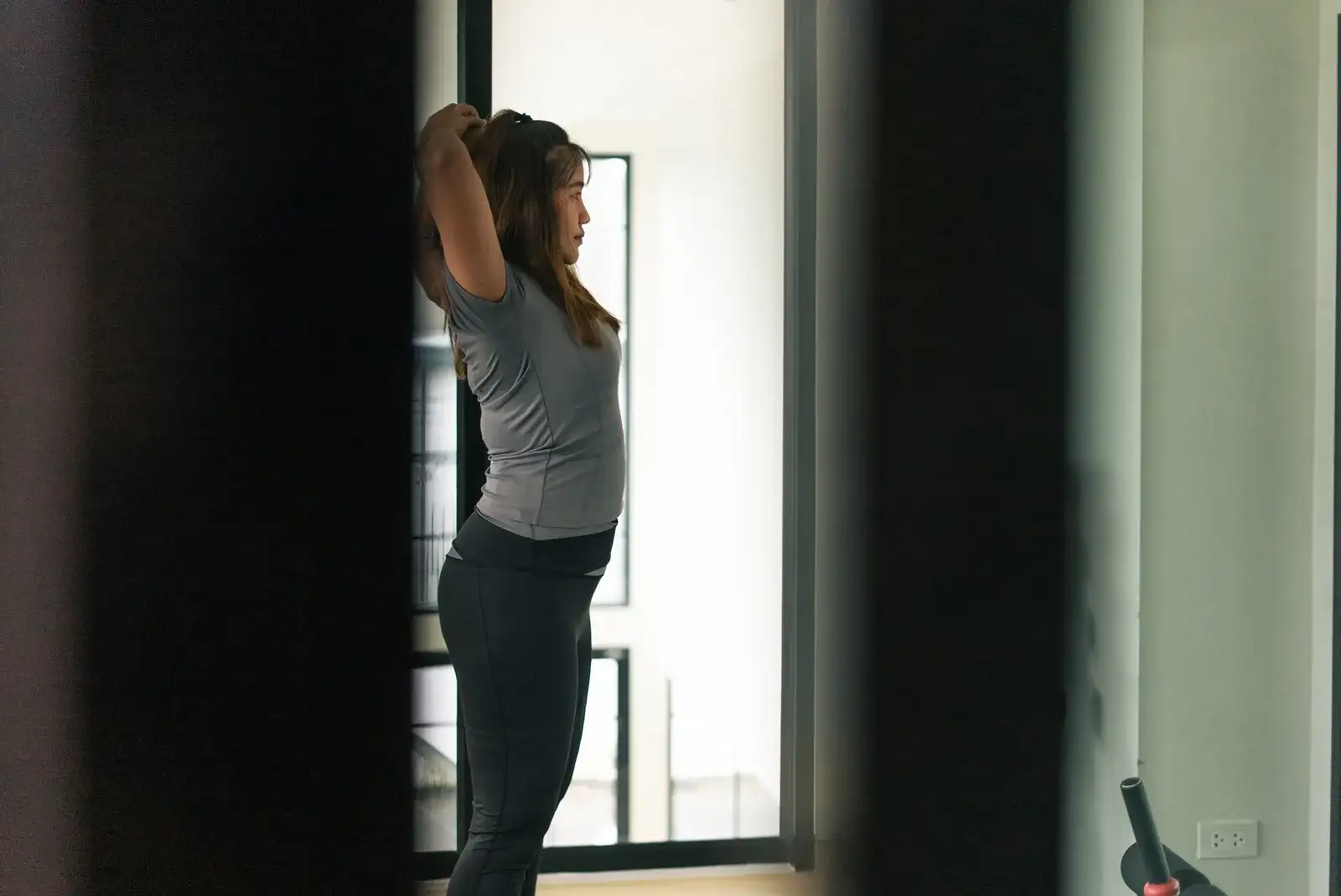
Costochondritis physical therapy in Carmel, Indiana
Costochondritis is irritation of the cartilage where the ribs join the breastbone, and it usually settles on its own over several weeks, though some cases linger for months. Once a physician has ruled out heart and lung causes of chest pain, a licensed physical therapist matched through the network in Carmel can help with rib and upper back mobility, breathing pattern and a graded return to lifting, pushing and sport. Any new chest pain should be checked medically before physical therapy.
At a glance
Common signs of costochondritis
Also called: Chest wall pain, Costosternal syndrome, Anterior chest wall syndrome, Costosternal chondrodynia.
Why does the cartilage beside my breastbone hurt?
Costochondritis is inflammation or irritation of the costal cartilage, the flexible tissue that links the front of each rib to the sternum. Often no single cause is found. When one is, it is usually a strain from repeated or unaccustomed effort: a hard bout of coughing during a winter cold, a new bench press or push-up program, moving furniture, or a long day of shoveling heavy Indiana snow.
The pain can be startling because it sits right over the heart, but the joint itself is not dangerous. Pressing on the tender spot usually reproduces it, which is one of the features that helps a physician separate it from chest pain coming from the heart, lungs or stomach.
A related condition, Tietze syndrome, adds visible swelling over a single rib joint. Both are diagnosed by a physician after other causes are considered, which is why this page starts with a medical check rather than an exercise.
Do I need a doctor to rule out heart problems before physical therapy for chest wall pain?
Yes. Any new chest pain, or a change in long-standing chest pain, should be evaluated by a physician first, and pain with shortness of breath, sweating, nausea, or spread to the arm, jaw or back needs 911. Costochondritis is a diagnosis made after more serious causes are excluded, not before.
Once that has been done, physical therapy becomes useful when the pain is lingering, keeps returning with training, or is making you afraid to breathe deeply, sleep or exercise. Indiana’s direct access law allows a physical therapist to start care without a referral, but for chest pain the responsible order is physician first, then therapy.
At an evaluation the therapist will ask what your physician found, press along the rib joints, check how your thoracic spine and ribs move, look at how you breathe, test shoulder and chest strength, and try the movements that bother you. The therapist will send you back to your physician if anything does not fit.
How do therapists treat costochondritis without aggravating the ribs?
Treatment eases the load on the irritated joints first, then rebuilds tolerance for the activities you need. Because the cartilage is sensitive to repeated compression and stretch, the early plan avoids hard pushing and big chest stretches and focuses on the mid back, the ribs behind and your breathing.
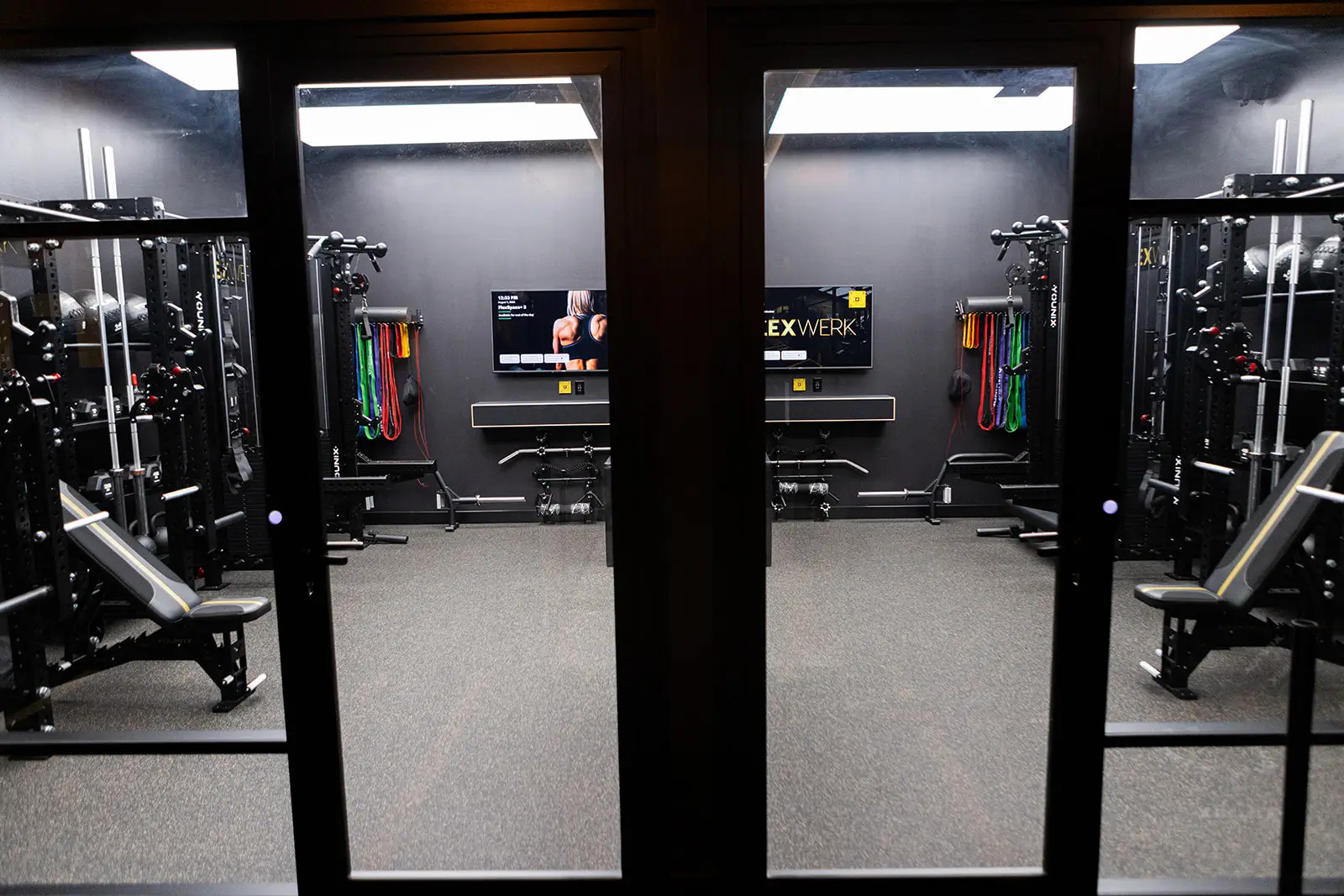
In a private suite at FlexWerk, a therapist in the network might use gentle rib and thoracic mobilization, described on the manual therapy page, alongside exercises like the open book stretch to restore upper back rotation. Breathing practice that widens the lower ribs sideways and back tends to reduce the guarded, shallow upper-chest breathing many people fall into when it hurts to inhale.
Once the joints calm down, pushing returns in steps, from wall push-ups to incline work to the floor and the bench. Rowing and upper back strength usually come first, which is the opposite of what many lifters expect. Swimmers, rowers and pickleball players get a sport-specific step at the end, because the final test is whether the chest wall tolerates the real motion at the real speed.
- Relative rest from the provoking lift or task, not from all activity
- Thoracic spine and rib mobility, mostly from the back
- Lateral rib breathing drills
- Gentle doorway pec stretching only once it is comfortable
- Rows, carries and shoulder blade strength before heavy pressing
- A staged return to push-ups, bench press, swimming or racket sports
How many weeks does costochondritis usually last?
Many cases improve over a few weeks, but some people have pain on and off for several months or longer. The NHS describes costochondritis as a condition that usually gets better on its own over time, lasting anywhere from a few weeks to several months.
A rough sense of a typical course with a therapist’s help looks like the list below. These are ranges, not promises, and someone who keeps returning to heavy pressing too early often finds the pain lingers.
If the pain has not changed after a few weeks of sensible modification, or comes with new symptoms, your physician may reconsider the diagnosis. Rib stress injuries, a pulled pec muscle and pain referred from the thoracic spine can all mimic costochondritis.
- Weeks 1 to 2: calm the joints, keep walking and moving, learn breathing and positions that ease it
- Weeks 2 to 6: build upper back and rib mobility, begin light rows and wall push-ups
- Weeks 6 to 12: progress pushing and overhead work toward your normal training
- Beyond 12 weeks: for persistent cases, a longer graded plan and a medical recheck
What eases rib cartilage pain at home while it settles?
Simple measures help most people: heat or ice over the sore joints, avoiding the exact push or lift that triggers it, and keeping the rest of your body active. Over-the-counter pain relief is something to discuss with your physician or pharmacist.
Hug a pillow against your chest when you cough or sneeze, which reduces the jolt through the ribs. Sleep on your back or the less painful side. If you were training hard when it started, swap bench press and dips for leg work, walking or easy cycling on the Monon Trail for a while, and keep pressing out of the program until it is tolerated in daily life.
If it is dragging on, the physical therapy questionnaire takes about two minutes. Mention that a physician has already checked your chest pain, and the matching team will propose a therapist and confirm a time inside the suite hours.
When to see a physician or go to the ER first
Physical therapy is the right start for most costochondritis. These symptoms are different and need medical attention before, or instead of, a physical therapy visit:
- Chest pain with shortness of breath, sweating, nausea or lightheadedness: call 911
- Pain spreading to the arm, jaw, neck or back
- Chest pain after a fall or blow, which may be a rib fracture
- Fever, cough with colored sputum, or pain that worsens sharply with each breath
- Calf swelling or recent long travel with chest pain and breathlessness, which can signal a blood clot
- A hot, red, swollen joint on the chest wall with fever
If you think it is an emergency, call 911.
Two-minute assessment
Get your costochondritis looked at
Tell us how your costochondritis started, how long it has been going on and what it is stopping you from doing. The matching team proposes a therapist in the network who focuses on it, and you hear back, usually within one business day.
- No referral needed to start in Indiana (first 42 days)
- We check which therapists work with your plan before you book
- One-on-one care in a private suite at Carmel City Center
How therapists treat it
Kinds of care used for costochondritis
Questions
Costochondritis: what people ask
Information on this website is general education, not medical advice, a diagnosis or a treatment plan. Only a licensed clinician who examines you can advise on your condition. If you may be having a medical emergency, call 911.
Something we did not cover? Ask the matching team or ring (888) 353-9975.
Can stress or anxiety make costochondritis feel worse?
Pain anywhere tends to feel worse when you are stressed or worried, and fear of a heart problem can lead to shallow, tense breathing that keeps the chest wall sore. A clear medical explanation and breathing practice often help with both.
Is it safe to exercise with costochondritis?
Usually yes, as long as a physician has cleared the chest pain and you avoid the specific movements that provoke it. Walking, cycling and leg strength work are typically fine early on.
Why does costochondritis hurt more when I lie down?
Lying flat or on the sore side changes the pressure through the rib joints, and breathing patterns shift during sleep. Propping up slightly or using a pillow to support the arm often helps.
Can poor posture cause costochondritis?
Posture is rarely the single cause, but a stiff upper back can increase how much the front rib joints have to move. That is one reason therapists work on thoracic mobility; see mid back pain physical therapy for the related picture.
How is costochondritis different from a cracked rib?
A rib fracture usually follows a fall, a blow or very forceful coughing, and the tender spot tends to sit along the bony rib rather than right beside the breastbone. If you had an injury, a physician may want an X-ray before any rib mobilization is used.
Should I keep doing push-ups through the pain?
Pressing through sharp rib pain tends to keep the cartilage irritated. Drop to a level that stays comfortable, such as wall or incline push-ups, and build back up over weeks.
Google reviews
What guests say about FlexWerk
These are live Google reviews of FlexWerk at Carmel City Center, the private-suite facility where therapists in the network practise.
Related
Conditions that travel together
 Mid back painRotation mobility, rib joint care and upper back strength for pain between the neck and the bottom of the ribs.
- Pec strainRehab for a pulled chest muscle, with a clear line between strains that need a therapist and tendon tears that need a surgeon.
 FibromyalgiaGentle, graded exercise, pacing and a flare plan for widespread pain and fatigue.
Page reviewed By the Monon Therapy Collective editorial team

Carmel City Center · Carmel, Indiana
Start with a conversation
Tell us what hurts and what you want to get back to. We will tell you honestly whether a therapist in the network is likely a good fit for what you describe, and match you with an independent, licensed therapist who is. Only that therapist can assess what will help.
885 Monon Green Blvd, Suite 120, Carmel, IN 46032 · Monday to Friday 5 AM to 9 PM · Saturday and Sunday 7 AM to 4 PM