Baker’s cyst physical therapy in Carmel, Indiana
A Baker’s cyst is a pocket of joint fluid bulging behind the knee, and it usually reflects a problem inside the knee, such as arthritis or a meniscus tear, that is producing extra fluid. Physical therapy does not drain the cyst; it targets the knee irritation behind it, restoring motion and strength so the joint makes less fluid. In Carmel, a licensed physical therapist in the network does that work one-on-one at Carmel City Center.
At a glance
Common signs of baker’s cyst
Also called: Popliteal cyst, Bakers cyst, Synovial cyst of the knee, Fluid behind the knee.
What causes fluid to collect behind the knee?
A Baker’s cyst forms when the knee produces extra joint fluid and some of it is pushed into a sac at the back of the joint, between the calf muscle and the hamstring tendons. In adults it almost always has a cause inside the knee. Osteoarthritis, a degenerative meniscus tear, and inflammatory arthritis such as rheumatoid arthritis are the usual culprits.
A one-way valve effect often keeps the fluid trapped: bending and loading the knee pushes fluid into the cyst more easily than it flows back. That explains why the lump can grow after a long day on your feet, a walk around Carmel’s Arts and Design District, or an afternoon of gardening.
In children a popliteal cyst can appear without any joint problem and frequently goes away on its own, but a lump behind a child’s knee should always be checked by their physician. For adults, the cyst itself is rarely the main problem; the knee condition behind it is.
How is a Baker’s cyst told apart from a blood clot?
This is the most important question, and it is answered by a physician, often with an ultrasound. A cyst that ruptures can leak fluid into the calf, causing sudden pain, swelling and sometimes bruising around the ankle, which looks very similar to a deep vein thrombosis. Because a clot can travel to the lungs, any new calf swelling with warmth or tenderness should be treated as urgent until a clot is ruled out.
Once a physician has confirmed a cyst, a physical therapist assesses the knee itself. Expect measurements of how far the knee bends and straightens, a check of swelling inside the joint, meniscus screening tests, quadriceps and hip strength testing, and a look at how you walk, squat and climb stairs. Those findings point to the driver behind the extra fluid. A therapist may also gently feel the back of the knee with the leg straight and then bent, since a cyst often feels firmer when the knee is straight and softer when it bends.
Many people discover the cyst on an MRI ordered for other reasons. If that is your situation, read the meniscus tear page or the knee osteoarthritis page, since those findings usually explain the cyst.
Which exercises help a knee with a Baker’s cyst?
The useful exercises are the ones that calm and strengthen the knee without repeatedly forcing it into deep, painful bending. Full knee straightening is a priority, since a cyst often makes the last few degrees feel tight. Gentle hamstring and calf mobility, quad sets, short-arc knee extensions and stationary cycling are common starting points.
Strength work builds from there: sit-to-stands from a raised box, leg presses in a comfortable range, step-ups, bridges and hip strengthening. As the joint quiets down the range and load increase. The goal is a knee that tolerates daily life without flaring and producing fluid after every busy day.
Your therapist will also look at how much you are doing. Long stretches of kneeling, deep squatting or stair climbing often feed the swelling, and spacing those out across the week can help. Hands-on soft tissue work around the back of the knee may ease tightness, but nobody can massage a cyst away.
- Knee straightening drills and quad sets
- Stationary cycling with the seat set high
- Sit-to-stands and leg presses through a comfortable range
- Bridges and side-lying hip work
- Pacing kneeling, squatting and stair-heavy tasks
Will a Baker’s cyst go away with physical therapy?
Many cysts shrink or stop bothering people once the underlying knee problem is better managed, but some persist for months or longer even when the knee feels good. Symptoms often improve over a number of weeks of consistent rehab, though the lump itself may remain. A painless, stable cyst does not usually need anything more.
When symptoms persist despite good rehab, a physician may consider draining the cyst, a steroid injection into the knee, or treating the underlying joint problem more directly. AAOS describes surgery as an option when a cyst keeps returning after repeated drainage, and it usually addresses the joint problem inside the knee at the same time.
A useful way to judge progress is to track function rather than the size of the lump: how many stairs you manage before the back of the knee feels full, how long you can stand at work, and whether you sleep without the knee aching. Those measures usually improve before the cyst changes on a scan, if it changes at all.
- Weeks 1 to 2: activity paced, straightening drills, cycling, swelling monitored daily.
- Weeks 3 to 6: sit-to-stands, leg press and step-ups in a comfortable range.
- Later weeks: deeper ranges, longer walks and stairs, building toward your usual routine.
- Ongoing: a short strength routine twice a week to keep the knee calm.
Should I keep walking and exercising with a lump behind my knee?
Yes, in most cases, once a physician has ruled out a clot. Walking, cycling and swimming keep the knee moving without heavy deep bending. Use your symptoms as a guide: a little tightness that settles by evening is acceptable, while a lump that swells noticeably after an activity suggests you overdid that particular task.
Desk workers and people who stand all shift often find that changing position every half hour, rather than locking the knee straight or sitting deeply bent for hours, reduces the end-of-day fullness. A good next step is to answer the knee questionnaire, which takes about two minutes. The matching team reads it and proposes a therapist in the network who works with knee arthritis and meniscus problems; that therapist’s office confirms benefits before you book. Indiana allows physical therapy without a referral for up to 42 days, though your plan may still ask for one.
If cycling feels easier on the knee than walking, the knee pain and cycling answer gives practical setup tips.
When to see a physician or go to the ER first
Physical therapy is the right start for most baker’s cyst. These symptoms are different and need medical attention before, or instead of, a physical therapy visit:
- Sudden calf pain, swelling and warmth, which needs same-day medical care to rule out a clot
- Shortness of breath or chest pain, which needs 911
- A hot, red knee with fever
- A lump that is very hard, growing quickly or painful at night
- A knee that locks or cannot fully straighten after an injury
If you think it is an emergency, call 911.
Two-minute assessment
Get your baker’s cyst looked at
Tell us how your baker’s cyst started, how long it has been going on and what it is stopping you from doing. The matching team proposes a therapist in the network who focuses on it, and you hear back, usually within one business day.
- No referral needed to start in Indiana (first 42 days)
- We check which therapists work with your plan before you book
- One-on-one care in a private suite at Carmel City Center
How therapists treat it
Kinds of care used for baker’s cyst
Questions
Baker’s cyst: what people ask
Information on this website is general education, not medical advice, a diagnosis or a treatment plan. Only a licensed clinician who examines you can advise on your condition. If you may be having a medical emergency, call 911.
Something we did not cover? Ask the matching team or ring (888) 353-9975.
Can I pop or drain a Baker’s cyst myself?
No. Pressing hard on it will not empty it and can irritate the area. Drainage, when needed, is done by a physician, often with ultrasound guidance, and is usually combined with treating the knee problem so the fluid does not simply return.
Is a Baker’s cyst dangerous?
Usually not, but a rupture can mimic a blood clot, and only a physician can tell the two apart. Treat new calf swelling as urgent until checked.
Can a Baker’s cyst cause pain in the calf?
A large cyst can press on nearby tissue and cause a heavy feeling down the calf, and a rupture can cause sudden calf pain. Any new calf swelling needs a physician to rule out a clot first.
Should I avoid squats with a Baker’s cyst?
Deep, heavy squats often make it feel worse, so many people use partial ranges, box squats or leg presses instead. Depth is increased as the knee settles.
Does a knee brace help a Baker’s cyst?
A compression sleeve may ease fullness for some people during long walks or a shift on your feet. A brace does not treat the cyst or the knee problem behind it, so it works alongside strength work rather than in place of it.
Why did my cyst show up after meniscus surgery?
Any irritation after surgery can increase joint fluid temporarily. It often settles as swelling resolves, but mention it to your surgeon and therapist.
Google reviews
What guests say about FlexWerk
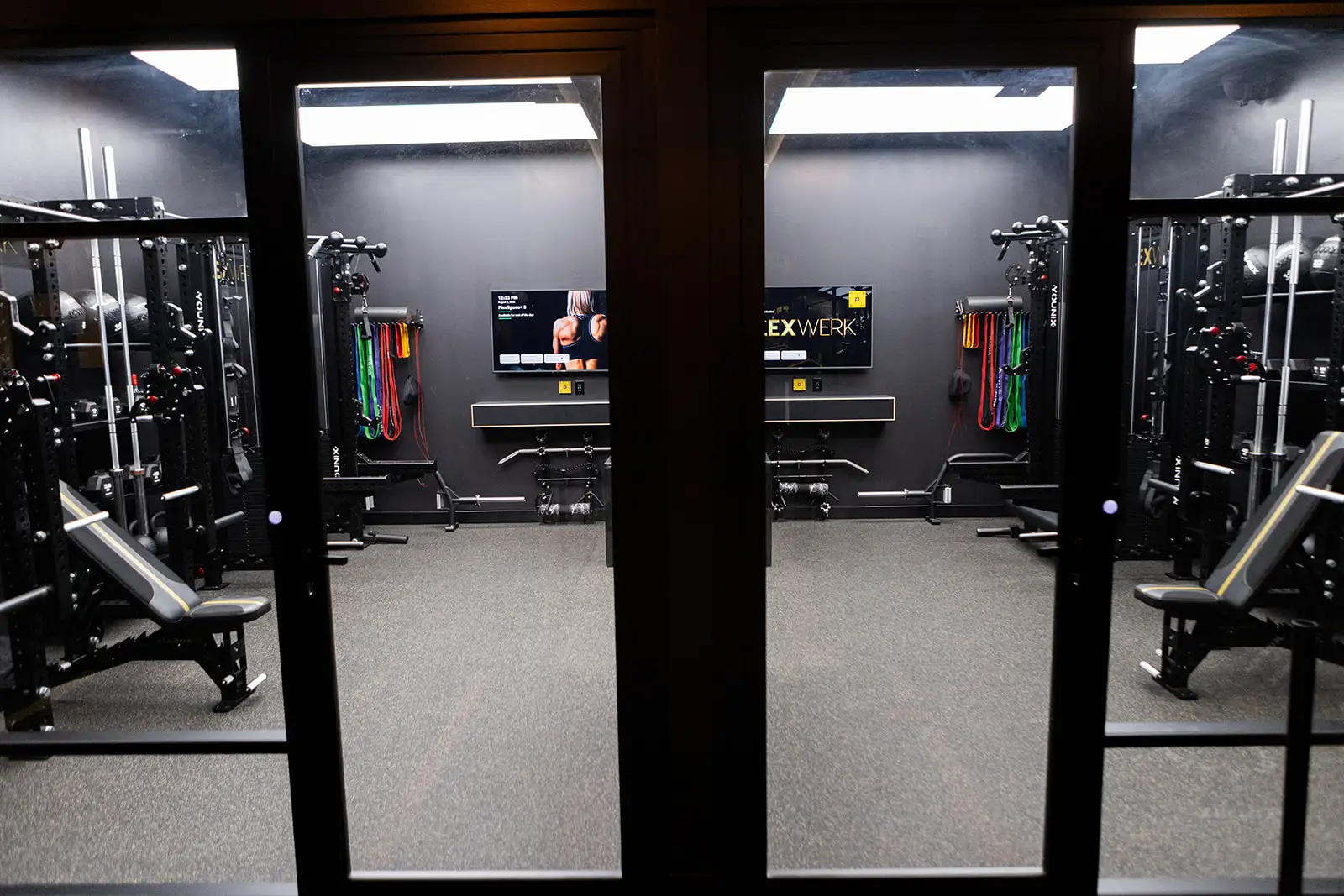
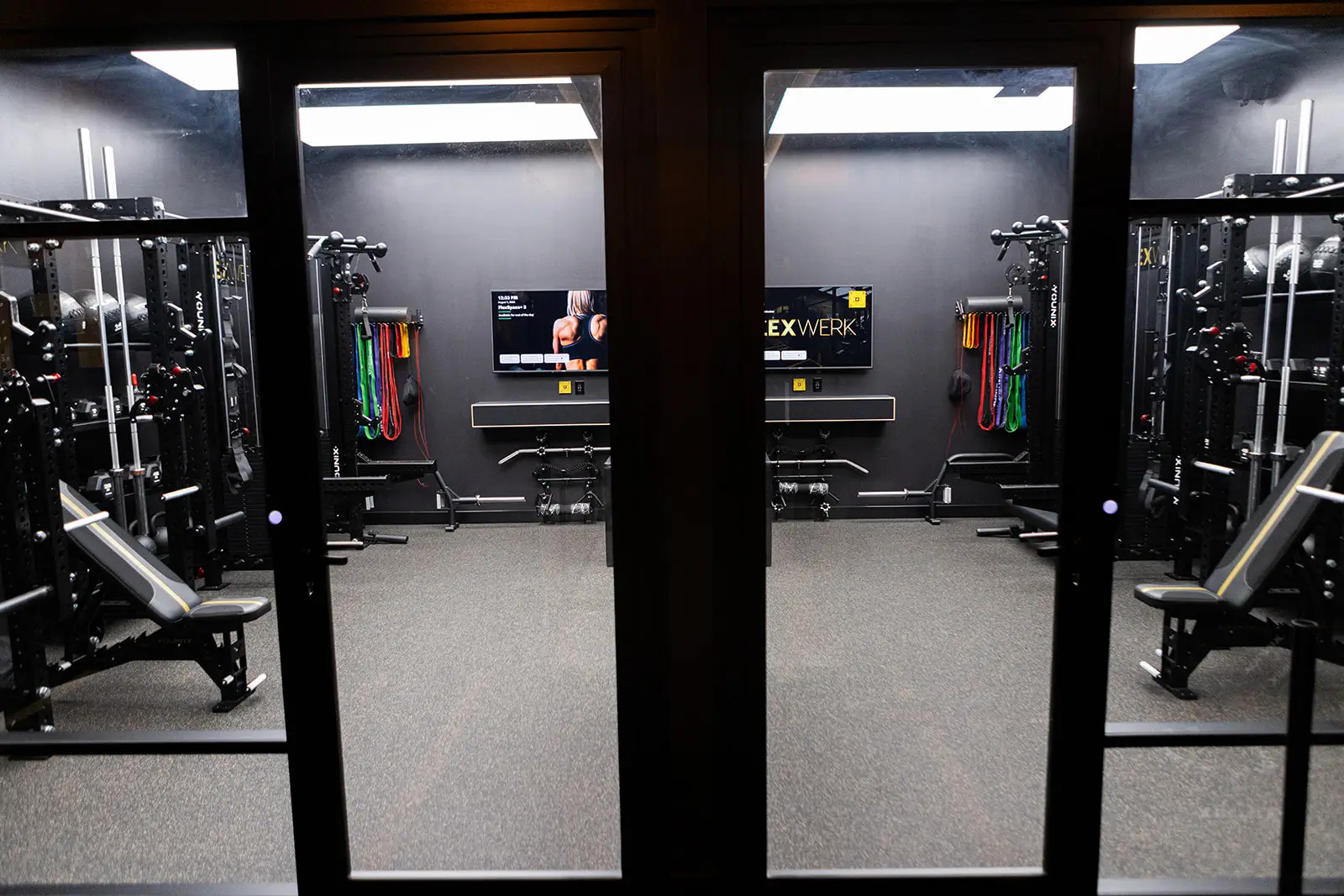
These are live Google reviews of FlexWerk at Carmel City Center, the private-suite facility where therapists in the network practise.
Related
Conditions that travel together
 Knee osteoarthritisQuadriceps and hip strengthening, motion work and a walking plan for an arthritic knee, with guidance on braces, flares and surgery questions.
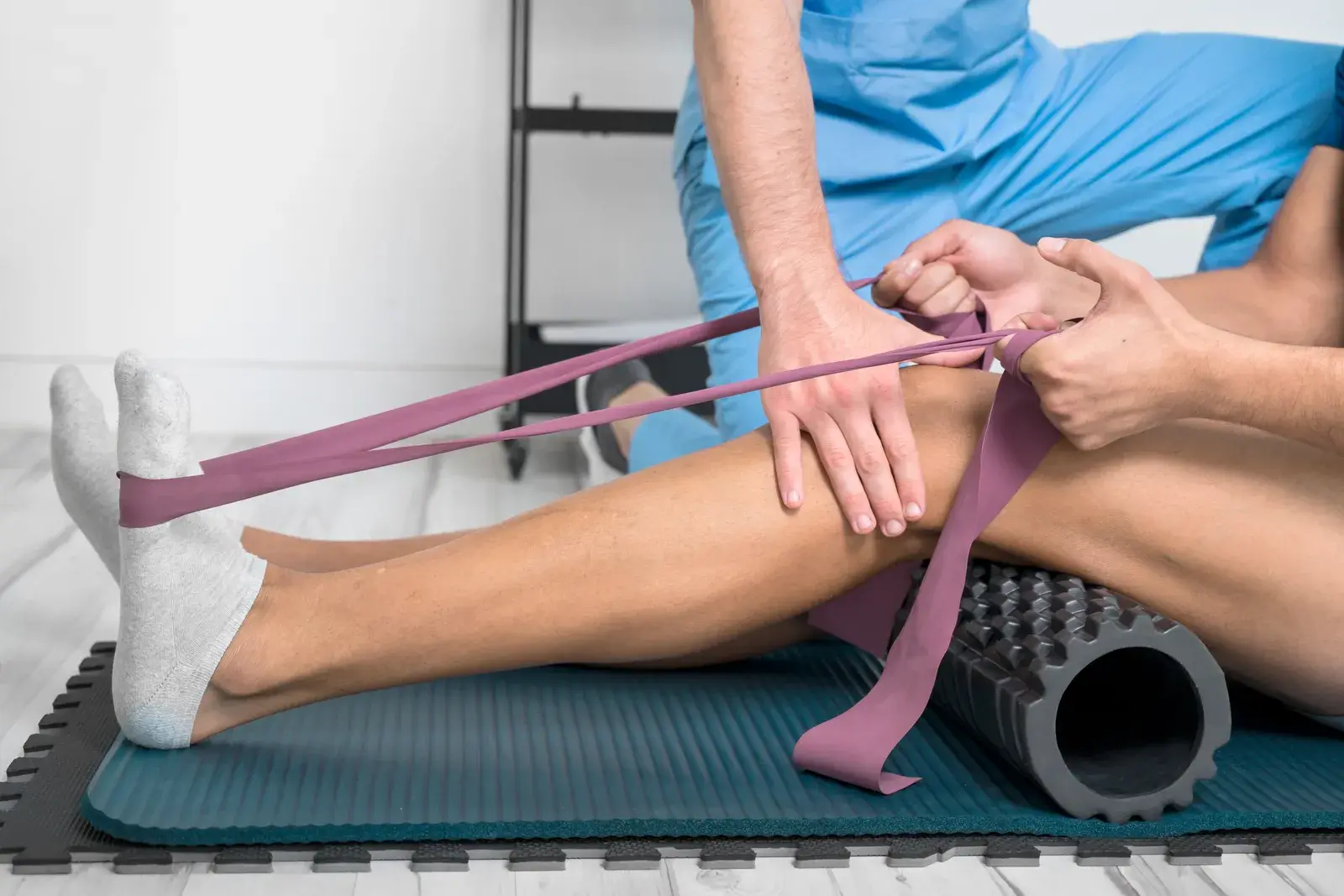 Meniscus tearExercise-based care for a torn meniscus, with clear signs for when locking or instability means a surgeon should look first.
 OsteoarthritisStrength, pacing and joint-friendly exercise for knee and hip osteoarthritis, including preparation for joint replacement.
Page reviewed By the Monon Therapy Collective editorial team

Carmel City Center · Carmel, Indiana
Start with a conversation
Tell us what hurts and what you want to get back to. We will tell you honestly whether a therapist in the network is likely a good fit for what you describe, and match you with an independent, licensed therapist who is. Only that therapist can assess what will help.
885 Monon Green Blvd, Suite 120, Carmel, IN 46032 · Monday to Friday 5 AM to 9 PM · Saturday and Sunday 7 AM to 4 PM