Rehab after a pelvic fracture usually means several weeks of walking with a walker or crutches, then a gradual return to full weight bearing, which AAOS OrthoInfo says is usually allowed by about three months, while the pelvic muscles can take up to a year to regain strength. Stable breaks, common in older adults after a fall, are often treated without surgery; unstable ones from high-energy injuries may need plates, screws or a frame. When you are ready for outpatient care, the matching team can suggest an independent, Indiana-licensed therapist working one-on-one at Carmel City Center.
Last reviewed By the Monon Therapy Collective editorial team
- Walking aid
- 6 to 8 weeks or longer after surgery; up to 3 months without surgery
- Full weight bearing
- Usually by about 3 months
- Muscle strength
- Can take up to a year to return
- Older adults
- Often a low-energy fall from standing height
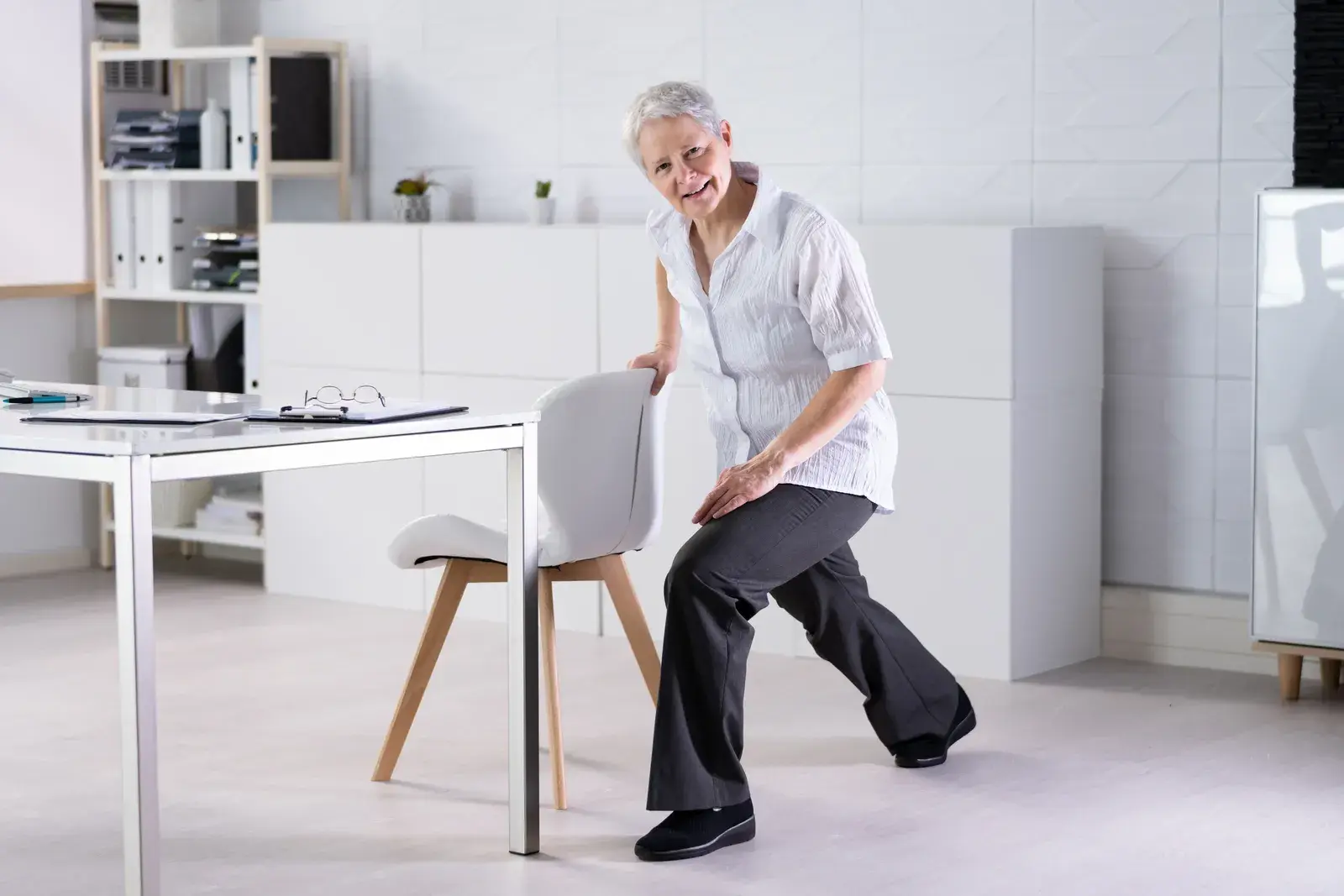
Does a stable pelvic fracture need the same rehab as one that was operated on?
Not quite. A stable fracture usually has one break in the ring of bones that forms the pelvis, with the pieces still lined up, and OrthoInfo notes these are generally treated without surgery. An unstable fracture has two or more breaks with the bone ends displaced; it typically follows a car crash, a crush injury or a fall from a height and may be fixed with screws, plates, an external frame or traction.
Both routes share the same early rehab goals: getting out of bed safely, walking with an aid within the weight limits your surgeon sets, and keeping the rest of the body moving. The difference is pace. After surgery for an unstable break, limits on one side can last longer and other injuries, such as to the bladder, nerves or other bones, often shape the plan.
For older adults, a stable fracture from a fall at home, such as getting out of the bathtub or walking down stairs (examples OrthoInfo gives), often signals weaker bones. The osteoporosis physical therapy page explains how exercise fits into bone health once the fracture has healed.
How do I get out of bed and off a chair with a broken pelvis?
The safest method is a log roll onto your side, legs together, then pushing up with your arms while your legs swing down, and the therapist will coach the exact version that suits your weight-bearing rule. Standing from a chair uses a raised seat with armrests, scooting to the edge first and pushing through the arms and the allowed leg.
These transfers matter more than any single exercise in the first weeks because they happen dozens of times a day. Done badly, they cause sharp groin or buttock pain and make people move less, which brings stiffness, weakness and a higher risk of blood clots. Many people find a raised toilet seat, a firm chair with arms and a bed at the right height make home life far easier.
If you live with family, have them watch one session so they learn how much help to give; too much lifting from a well-meaning partner can stop you building the strength to manage alone.
- Raise low seats with a firm cushion or a chair riser
- Keep a walker within reach of the bed at night
- Use a night light on the route to the bathroom
- Practise the sit-to-stand pattern your therapist teaches several times a day
What is the usual timeline for recovering from a broken pelvis?
Recovery is usually measured in months: OrthoInfo describes crutches or a walker for six to eight weeks or longer after surgery, or for up to three months when a stable fracture is treated without an operation, with full weight bearing usually allowed by three months and up to a year for the pelvic muscles to regain full strength. The table shows how rehab typically fits around that healing.
| Time after injury | Main goals | Typical milestones |
|---|---|---|
| 0 to 2 weeks | Safe transfers, short walks with an aid, clot prevention | Bed to chair to bathroom independently |
| 2 to 8 weeks | Longer walks within weight limits, gentle hip motion | Walking around the house and to the car |
| 8 to 12 weeks | Progress weight bearing, rebuild hip and trunk strength | Moving from walker to cane or no aid as allowed |
| 3 to 6 months | Normal walk, stairs, balance and endurance | Community walks, standing from lower chairs |
| 6 to 12 months | Full strength, return to sport or heavy work | Single-leg balance and climbing stairs without a rail |
What exercises are usually safe early after a pelvic fracture?
Early exercises are usually gentle muscle tightening and small movements that do not twist or shear the pelvic ring: ankle pumps for circulation, tightening the buttocks and thighs while lying down, and heel slides on the less painful side. OrthoInfo notes that early movement is encouraged, with flexibility and strength exercises built in over time.
Your therapist adds load only as the weight-bearing rule allows, usually progressing to supported standing exercises, short walks, step-ups and then hip strength in standing. The sit-to-stand exercise page shows the single most useful movement for getting back to independence, though your therapist sets the chair height and repetitions for you.
Pain that is sharp, deep in the groin or buttock, and getting worse with each session is a reason to stop and tell your therapist; general muscle soreness that settles overnight is usually fine.
How can I lower the chance of another fall after breaking my pelvis?
Fall prevention is part of pelvic fracture rehab, not an afterthought. Balance training, leg strength, a home check for trip hazards, a review of medicines that cause dizziness, and footwear with grip all reduce risk, and a therapist can measure balance with simple timed tests.
Carmel winters bring icy driveways and parking lots, and the first winter after a fracture is when many people feel most nervous. The winter fall prevention guide covers footwear, ice grips and walking technique, and the balance and fall prevention service page explains what a structured program looks like.
Ask your physician about a bone density check if one has not been done since the fracture, because a low-energy pelvic break often prompts that conversation.
Who decides weight bearing after a pelvic fracture, and how do I find a therapist?
Your orthopedic surgeon or treating physician decides weight bearing, blood-thinner use and when X-rays are repeated; OrthoInfo notes that anticoagulants are commonly prescribed to prevent clots. Your therapist works inside those limits and reports progress or concerns back.
For the outpatient stage, complete the questionnaire for after surgery or injury and mention the fracture date, any surgery and your walking aid. A person on the matching team proposes an independent therapist in the network, and the garage at Carmel City Center is a short walk from the suites, which helps while you still use a walker. If a family member is helping you, they can come to sessions.
Seek urgent care after a pelvic fracture if
- You have sudden shortness of breath or chest pain: call 911
- One calf or thigh becomes swollen, warm or painful
- You cannot pass urine, see blood in the urine, or lose bladder or bowel control
- Numbness or weakness spreads into a leg or the groin
- Pain suddenly worsens after a new fall or twist
If you think it is an emergency, call 911.
