PCL injury physical therapy in Carmel, Indiana
Many isolated PCL injuries are treated without surgery, and physical therapy is the main treatment: protecting the knee from the shin sagging backward, restoring motion, and building quadriceps strength, which helps hold the shin forward. In Carmel, a licensed physical therapist in the network follows your physician’s brace and weight-bearing plan and progresses you one-on-one toward the work, sport or daily life you are returning to.
At a glance
Common signs of pcl injury
Also called: Posterior cruciate ligament tear, PCL tear, PCL sprain, Dashboard knee injury.
How does a PCL get injured, and how is it different from an ACL tear?
The posterior cruciate ligament (PCL) runs across the middle of the knee and stops the shin bone from sliding backward under the thigh bone. It is usually injured by force against the front of the shin with the knee bent: the classic dashboard injury in a car crash, a fall onto a bent knee on a court or a frozen sidewalk, or a tackle in football. AAOS notes that simple missteps rarely tear the PCL; it takes real force.
The ACL, by contrast, stops the shin sliding forward and usually tears during a non-contact pivot with a pop and rapid swelling. A PCL injury is often quieter: less swelling, less dramatic instability, and some people keep playing initially. That is part of why PCL injuries are sometimes missed. The ACL injury page covers that ligament in detail.
AAOS describes the PCL as stronger than the ACL and injured far less often, and notes that many PCL tears are partial tears with the potential to heal on their own. Isolated PCL tears often do well without surgery. Injuries involving several ligaments, particularly the structures at the back and outside of the knee (the posterolateral corner), are a different situation and often need a surgeon.
What is the posterior drawer test, and what else does a therapist check?
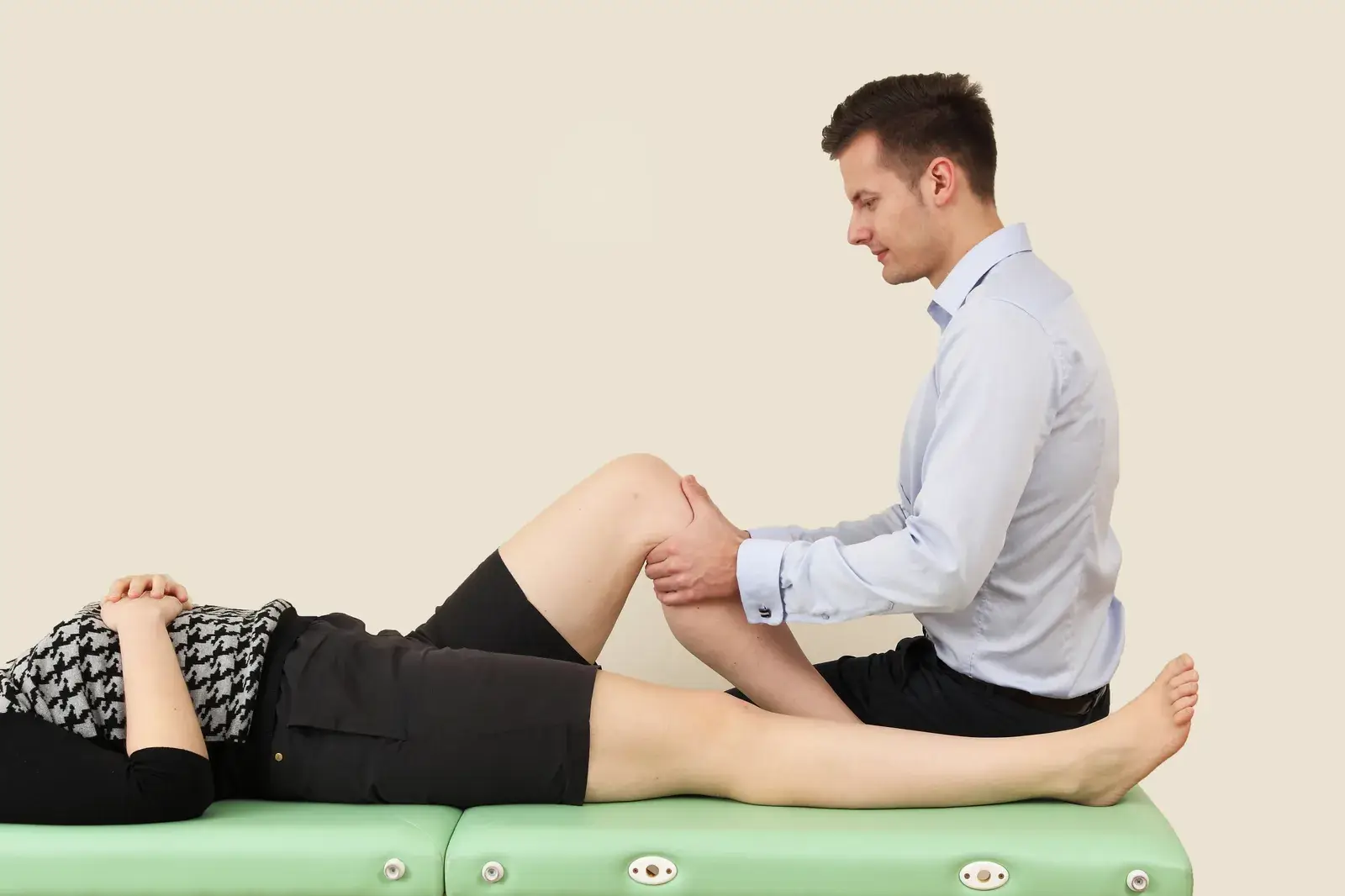
The posterior drawer test is the main clinical test for the PCL. You lie on your back with the knee bent to about 90 degrees, and the therapist pushes the top of the shin backward to feel how far it moves compared with the other knee. They also look at the knee from the side with both knees bent, checking whether the injured shin sags backward, which is called a posterior sag sign.
Because PCL injuries often travel with other damage, the therapist checks the outer and back corner of the knee by assessing rotation, tests the collateral ligaments, screens the meniscus and kneecap, and checks circulation and nerve function in the foot. A high-energy injury such as a car crash calls for physician imaging to look for fractures and multi-ligament damage before rehab begins.
If you were in a car accident, rehab also tends to involve neck, back or hip complaints. The auto accident physical therapy page explains how that care is usually organized and who bills for it.
Why is PCL rehab built around the quadriceps instead of the hamstrings?
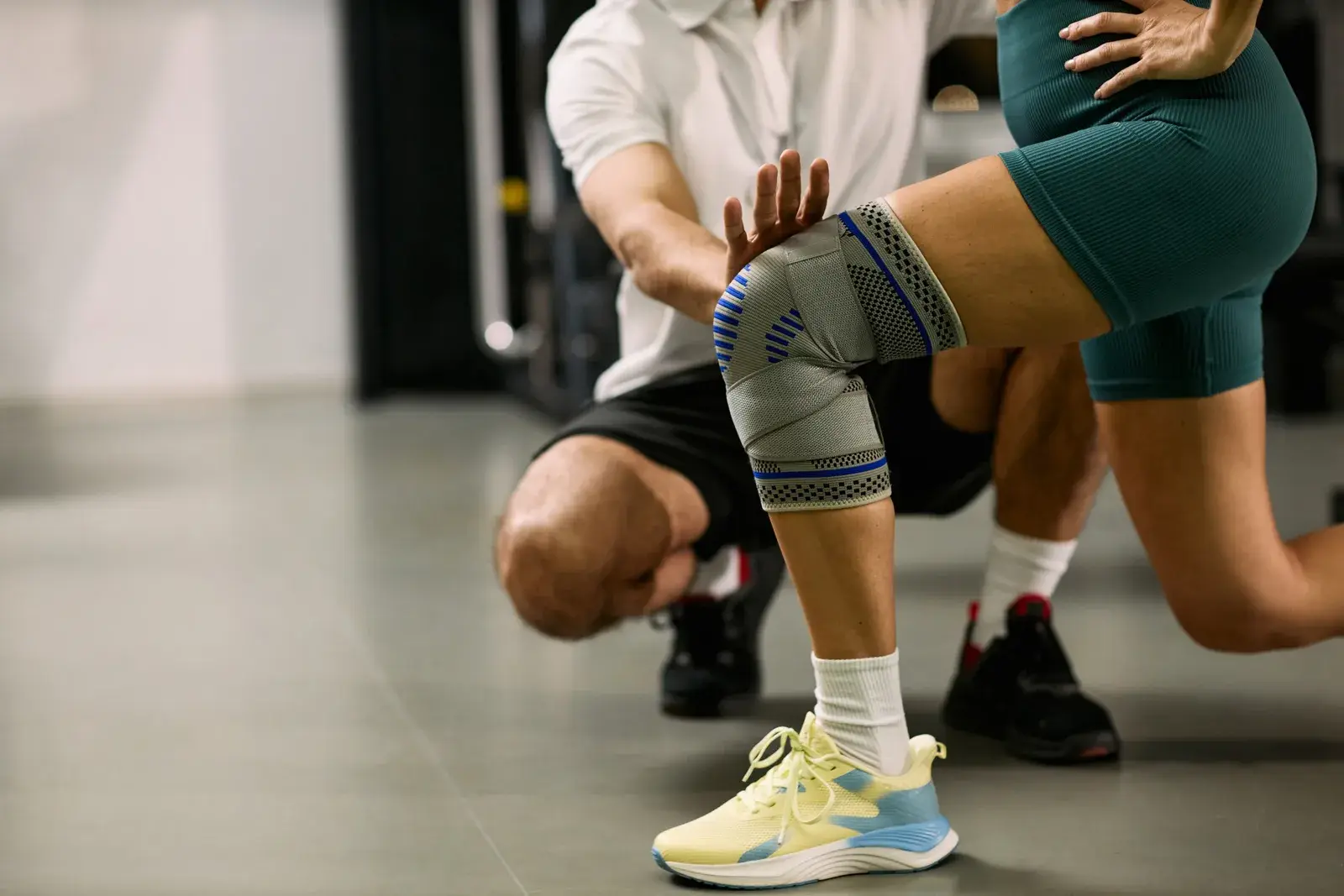
The hamstrings pull the shin backward, the direction the PCL normally resists, while the quadriceps pull it forward. Early rehab therefore emphasizes quadriceps strength and avoids isolated hamstring curls, which would strain the healing ligament. Some physicians prescribe a dynamic PCL brace that pushes the back of the shin forward to support healing, and rehab works within it.
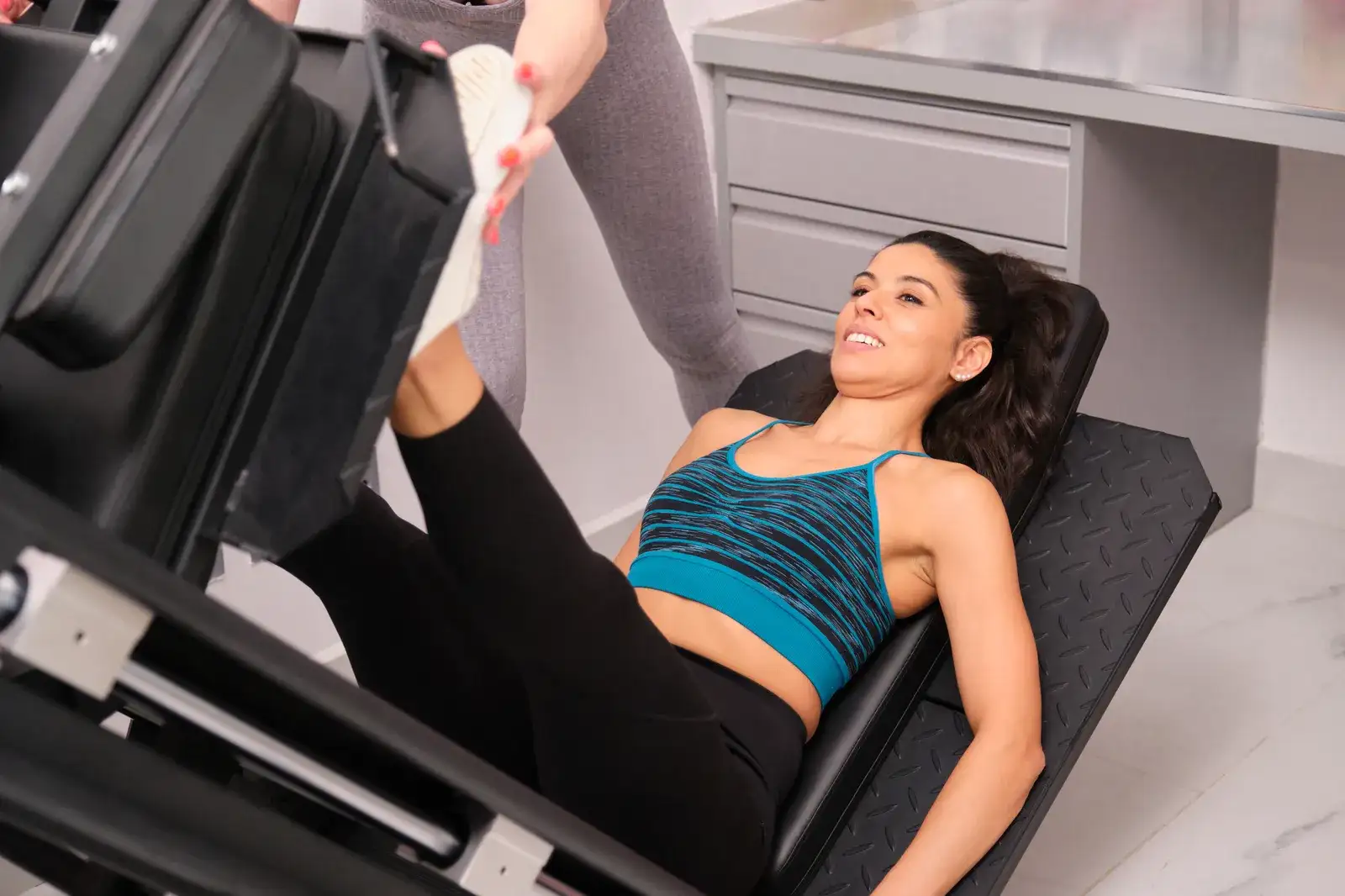
Early sessions focus on calming swelling, restoring knee straightening, quad sets and straight-leg raises, and protected walking. As the physician allows, leg presses, wall sits, step-ups and terminal knee extensions build quadriceps strength. Hamstring loading is introduced later and carefully, often in closed-chain positions where the foot is planted.
Later stages add single-leg strength, balance, running, deceleration and sport-specific drills. Activities that load the knee deeply bent, such as deep squats or kneeling, are progressed last. Your therapist will explain which positions to avoid for now and why.
Sleeping and resting positions matter more than people expect. Lying with a pillow under the calf rather than behind the knee lets the shin rest forward instead of sagging backward, and some physicians specifically ask for this in the first weeks. Small habits like that protect the ligament between sessions. Your therapist will show you how to get up from the floor and in and out of a car without letting the shin drop backward, which is easy to forget in the first weeks.
- Quad sets and straight-leg raises to restore the quadriceps
- Leg press, wall sits and step-ups through physician-approved ranges
- Hamstring loading delayed and introduced with the foot planted
- Single-leg control, balance and lateral movement
- Running and sport drills after strength milestones are met
How long does PCL rehab take, with and without surgery?
Isolated PCL injuries managed without surgery often allow a return to many sports within a few months, though higher-grade tears take longer and some people notice mild looseness for good. After PCL reconstruction, AAOS describes full recovery as typically 6 to 12 months. Both are ranges; your physician and therapist set the plan.
Some people with a healed PCL injury develop pain at the front of the knee or under the kneecap years later, because the shin sitting slightly backward changes joint loading. Keeping quadriceps strength high after discharge is the main defense, which is why a maintenance routine matters more for this ligament than most.
- Weeks 0 to 6: brace as prescribed, swelling control, quad activation, protected walking.
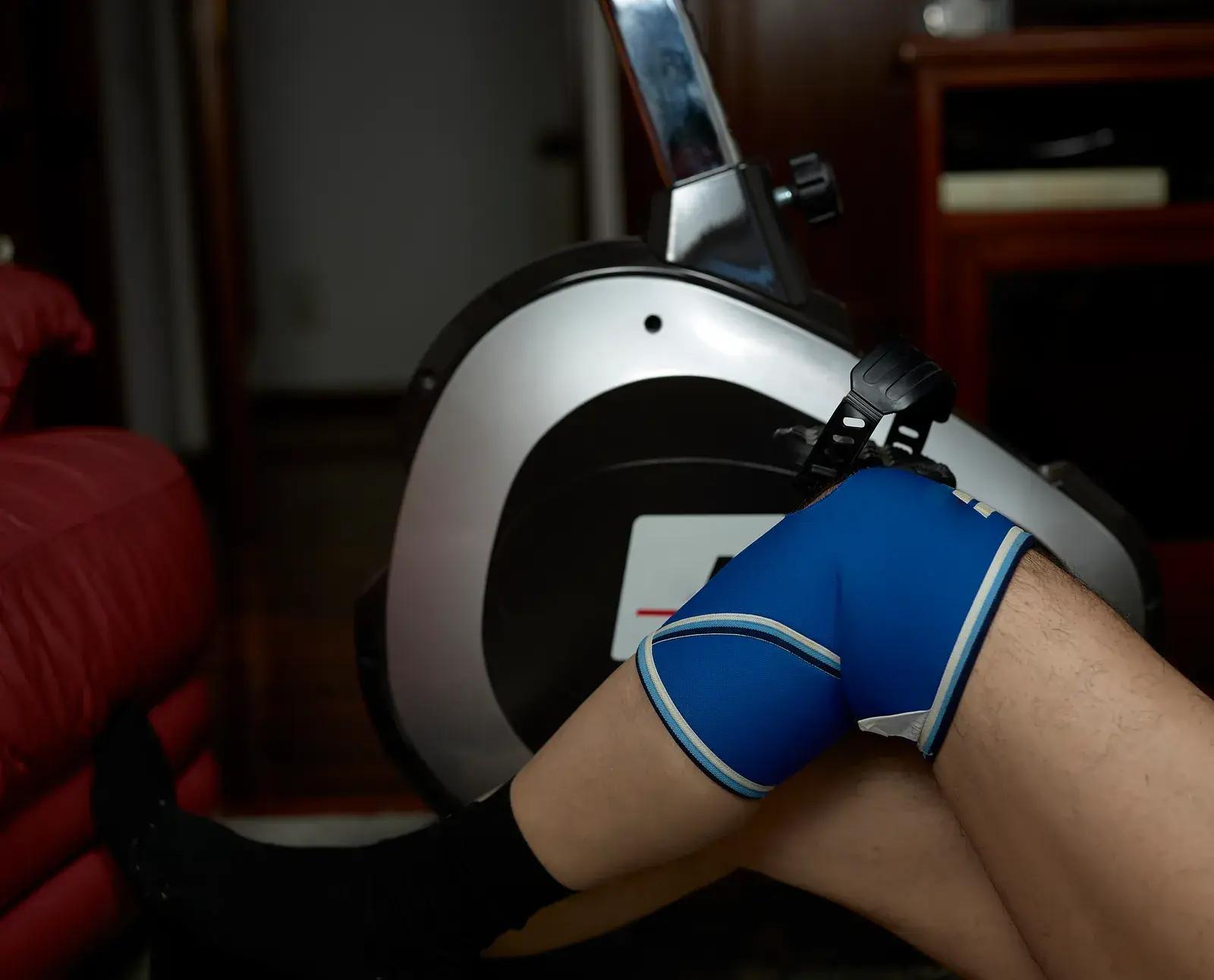
- Weeks 6 to 12: progressive quad strength, closed-chain hamstring work, cycling, balance.
- After that: running, agility and sport drills for isolated injuries.
- After surgery: a longer, staged plan set by the surgeon, often 6 to 12 months to full sport.
Do I need a surgeon or a physical therapist first after a PCL injury?
After a high-energy injury such as a car crash or a hard fall with major swelling, see a physician first, because multi-ligament injuries and fractures need prompt imaging. After a lower-energy injury where you can walk and the knee feels only mildly unstable, a physical therapist can examine you first and refer you if testing suggests a more complex injury.
Indiana direct access lets a therapist evaluate and treat without a referral for up to 42 calendar days, though some insurance plans still require one. When you are ready, the knee assessment questionnaire tells the matching team what happened, and they propose a therapist in the network whose schedule suits you. The suites open at 5 AM on weekdays, and therapists book inside those hours.
If you have already had PCL reconstruction, the surgeon’s protocol leads, and post-surgical rehabilitation explains how a therapist in the network follows it.
When to see a physician or go to the ER first
Physical therapy is the right start for most pcl injury. These symptoms are different and need medical attention before, or instead of, a physical therapy visit:
- A high-energy injury such as a car crash with severe knee swelling or deformity
- Numbness, coldness or color change in the foot, which can mean a blood vessel injury
- The knee feels grossly unstable in several directions
- Inability to bear weight after the injury
- Foot drop or weakness lifting the toes, which can signal nerve injury
- Calf swelling and tenderness after the injury
If you think it is an emergency, call 911.
Two-minute assessment
Get your pcl injury looked at
Tell us how your pcl injury started, how long it has been going on and what it is stopping you from doing. The matching team proposes a therapist in the network who focuses on it, and you hear back, usually within one business day.
- No referral needed to start in Indiana (first 42 days)
- We check which therapists work with your plan before you book
- One-on-one care in a private suite at Carmel City Center
How therapists treat it
Kinds of care used for pcl injury
- Orthopedic physical therapyExercise-led care for back, neck, shoulder, hip, knee and ankle problems, delivered one-on-one in a private suite.
- Post-surgical rehabilitationProtocol-led rehab after joint replacement, ligament, tendon and spine surgery, in a quiet private room instead of a crowded gym.
- Sports physical therapyRehab for active adults that goes past pain relief to the strength, power and movement your sport actually demands.
Questions
PCL injury: what people ask
Information on this website is general education, not medical advice, a diagnosis or a treatment plan. Only a licensed clinician who examines you can advise on your condition. If you may be having a medical emergency, call 911.
Something we did not cover? Ask the matching team or ring (888) 353-9975.
Can a torn PCL heal on its own?
Partial PCL tears can heal, and many isolated tears do well with rehab even if some looseness remains. A physician decides whether surgery is worth considering.
Should I avoid hamstring curls after a PCL injury?
Early on, usually yes, because hamstring curls pull the shin backward against the healing ligament. They are introduced later under your therapist’s guidance.
Why does the front of my knee hurt after a PCL injury?
When the shin sits slightly backward, pressure under the kneecap and inside the joint changes. Strong quadriceps help reduce that load.
Can I squat with a PCL tear?
Shallow squats and leg presses are usually part of rehab. Deep squats load the PCL more and are progressed later.
Can I drive after a PCL injury?
It depends on which knee, whether you are in a brace and whether you can brake quickly and firmly. Ask your physician, and do not drive while a brace stops you from working the pedals safely.
Will I need a brace for a PCL injury?
Many physicians prescribe one, sometimes a dynamic PCL brace that supports the shin from behind. Your therapist works within whatever is prescribed.
Google reviews
What guests say about FlexWerk
These are live Google reviews of FlexWerk at Carmel City Center, the private-suite facility where therapists in the network practise.
Related
Conditions that travel together
 ACL injuryPrehab, post-reconstruction rehab and criteria-based return to sport for ACL injuries, one-on-one in a private suite.
 LCL sprainOuter-knee ligament sprains from a blow to the inside of the knee, with careful screening of neighboring structures.
 Bone bruiseBone marrow contusions in the knee after twists and impacts, paced back to full activity with low-impact strength.
Page reviewed By the Monon Therapy Collective editorial team

Carmel City Center · Carmel, Indiana
Start with a conversation
Tell us what hurts and what you want to get back to. We will tell you honestly whether a therapist in the network is likely a good fit for what you describe, and match you with an independent, licensed therapist who is. Only that therapist can assess what will help.
885 Monon Green Blvd, Suite 120, Carmel, IN 46032 · Monday to Friday 5 AM to 9 PM · Saturday and Sunday 7 AM to 4 PM