Yes, mild to moderate soreness for one to three days after a session is common, especially early in a program or after new exercises. It usually feels like a dull ache in the muscles you worked and eases with gentle movement. Soreness that is sharp, keeps building, comes with new swelling, numbness or weakness, or has not settled within a week is not the normal kind, and you should tell your therapist or a physician.
Last reviewed By the Monon Therapy Collective editorial team
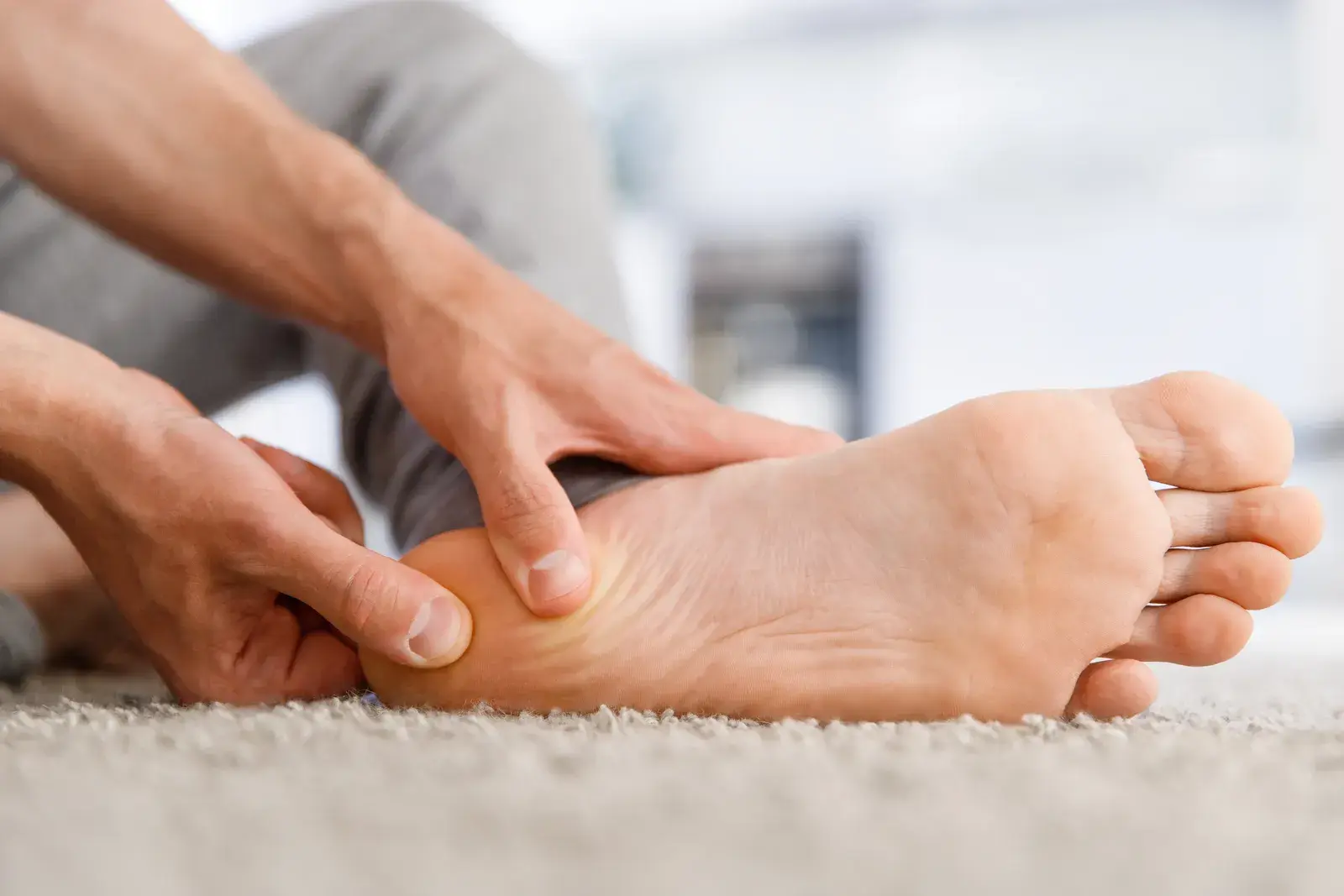
What kind of soreness is expected after a therapy session?
The expected kind is delayed onset muscle soreness, the same ache people feel after a new workout. Cleveland Clinic describes it as muscle pain that sets in one to three days after intense or unfamiliar exercise and fades over a few days as the muscle adapts. It feels dull and tender, it is worse when you first move, and it eases once you warm up.
Hands-on treatment can leave a different, milder tenderness. After soft tissue work or joint mobilization, the area may feel bruised or achy for a day. Both are a response to work the tissue is not yet used to, and both usually shrink as the weeks go on and your body adapts to the same loads.
How sore is too sore after physical therapy?
A useful test is the next morning. If the soreness has eased by the following day or two and you can do normal tasks, the dose was probably about right. If you are worse each day, or the original problem is clearly more painful than before the session, the load was too high and your therapist needs to know.
Some signs are not soreness at all and need a call to your therapist or a physician the same day. Cleveland Clinic notes that soreness lasting a week or more may point to an injury such as a muscle strain.
- Sharp or stabbing pain, or pain that keeps building over 48 hours
- New swelling, warmth or redness around a joint or surgical site
- New numbness, tingling or weakness in an arm or leg
- Calf pain and swelling, especially after recent surgery
- Very dark, cola-colored urine with severe muscle pain, which needs urgent medical care
- Soreness that has not settled within about a week
What should I do the day after a sore session?
Keep moving, gently. Light walking, easy range of motion and normal daily activity usually help muscle soreness more than complete rest. A loop on a flat stretch of the Monon Trail, or simply a walk around the block, is often enough to take the edge off.
Do your home exercises at a lighter level rather than skipping them, unless your therapist said otherwise: fewer repetitions, a lighter band or a shorter hold keeps the habit going while the muscles recover. Heat often feels good on stiff, sore muscles, and ice may help a joint that feels puffy; our answer on heat or ice for pain explains the difference. Sleep and regular meals matter more than any recovery gadget.
If soreness made you miss a day of exercises, pick up again at an easier level instead of doubling up to catch up. Consistency over weeks is what changes strength, which is why our answer on whether you have to do home exercises puts so much weight on a routine you can keep. If your job keeps you on your feet or at a desk all day, short movement breaks spread through the day often help stiffness more than one long stretch in the evening.
Why are the first few physical therapy sessions often the most sore?
Early sessions introduce loads your body has not met recently, and new or lowering-phase exercises, such as slowly lowering into a squat, are the ones most likely to leave muscles sore. As you repeat the same exercises, the soreness after each session usually falls even while the work gets harder.
A sensitive joint or nerve can also flare a little at first while your therapist finds the right starting point. That is different from muscle soreness, and it is covered in our answer on why physical therapy can make pain worse at first. Neither means therapy is failing, but both are worth reporting so the plan can be adjusted.
What should I tell my therapist about soreness at the next visit?
Give specifics, because they change the plan, and jot them down the evening after each session so you are not relying on memory a week later. Your therapist cannot feel what you felt on Tuesday night, and a precise report lets them adjust exercise choice, sets, weight or hands-on work instead of guessing.
- Where it was sore, and whether it was muscle ache or the original painful spot
- When it started and how long it lasted
- How it compared with your usual pain, on a 0 to 10 scale
- Whether it affected sleep, work or walking
- Which exercise, if any, seemed to set it off
Related questions
Should I skip my next session if I am still sore?
Usually not. Go, tell your therapist how you feel, and let them lighten the session. Cancel and call instead if you have any of the warning signs above.
Does no soreness mean therapy is not working?
No. Soreness is not a measure of progress. Many effective sessions leave you feeling fine, and progress shows up in strength, motion and what you can do day to day.
Can I take a pain reliever for soreness after physical therapy?
Ask your physician or pharmacist which over-the-counter option suits you, especially if you have stomach, kidney or heart conditions or take blood thinners. Physical therapists do not prescribe medication.
Is soreness after surgery rehab different?
Some extra soreness around the joint is common after early post-surgical sessions, but increasing redness, warmth, wound drainage, fever or calf swelling needs a call to your surgeon the same day.
Will I be sore after every physical therapy appointment?
Most people find soreness is most noticeable in the first week or two and when new exercises are added, then fades as the body adapts.
Keep reading
- Does physical therapy hurt?
- Why does physical therapy make pain worse at first?
- Should I exercise through pain?
- What to expect at your first physical therapy visit
- Orthopedic physical therapy in Carmel
- Start the two-minute physical therapy questionnaire
This page is general education, not medical advice. A physical therapist can only advise on your situation after an examination.
